Best Country Concert Tours Happening in 2025
April 30, 2025
Top 10 Broadway Theaters You Must Visit
April 30, 2025How Netflix Changed Stand-Up Comedy Forever
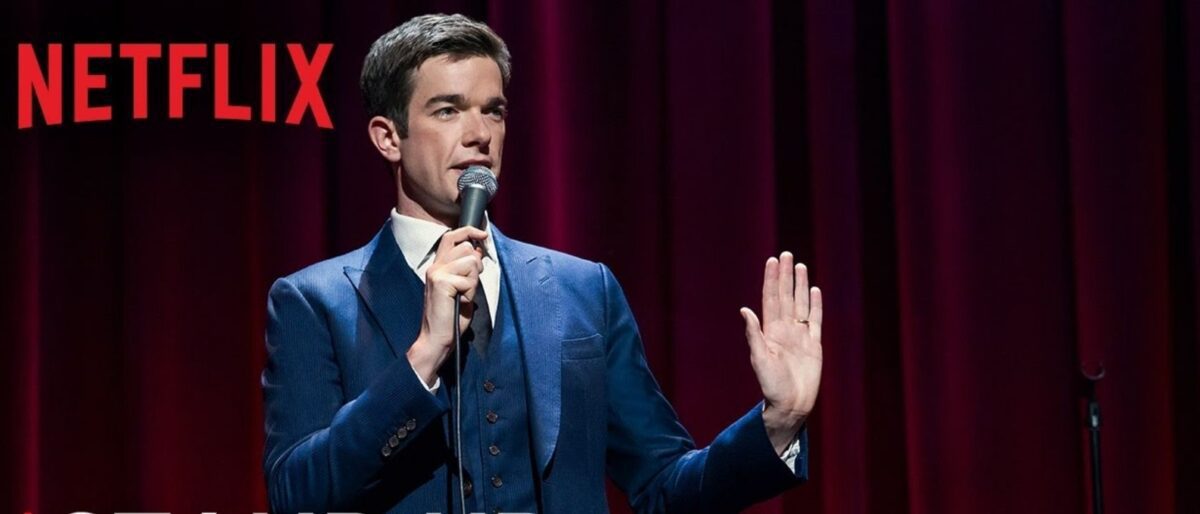
Once confined to late-night slots and cable specials, stand-up comedy has exploded into the mainstream—thanks largely to Netflix. The streaming giant didn’t just host comedy; it revolutionized it. From global reach to creative freedom, here’s how Netflix permanently reshaped the way we watch, discover, and experience stand-up comedy.
Streaming Unleashed a Global Audience
Before Netflix, stand-up comedy was largely a regional game. American comedians built U.S. fanbases, British comics stayed in the UK circuit, and very few crossed borders unless they were already global icons. But with streaming, all those barriers came crashing down.
Netflix made comedy borderless overnight. With subtitles, dubbing, and on-demand access in over 190 countries, a punchline told in New York could get a laugh in Nairobi. Suddenly, your material didn’t have to be network-friendly or even region-specific—it just had to be good. The result? An explosion of talent reaching new, wildly diverse audiences.
Take Vir Das, for example—a comedian from India whose special Abroad Understanding used split-screen storytelling from NYC and Delhi, instantly connecting with viewers across continents. Or Hannah Gadsby, whose genre-defying special Nanette turned trauma into global conversation. Mo Gilligan brought British-Caribbean humor to international screens, while Trevor Noah used his South African roots and global perspective to comment on race, politics, and identity with sharp clarity.
For the first time, local comedians weren’t just hoping to “make it in the U.S.”—they could reach the world without ever leaving home. Netflix didn’t just widen the audience—it tore down the walls completely. And comedy has never looked the same since.
Raised the Production Bar
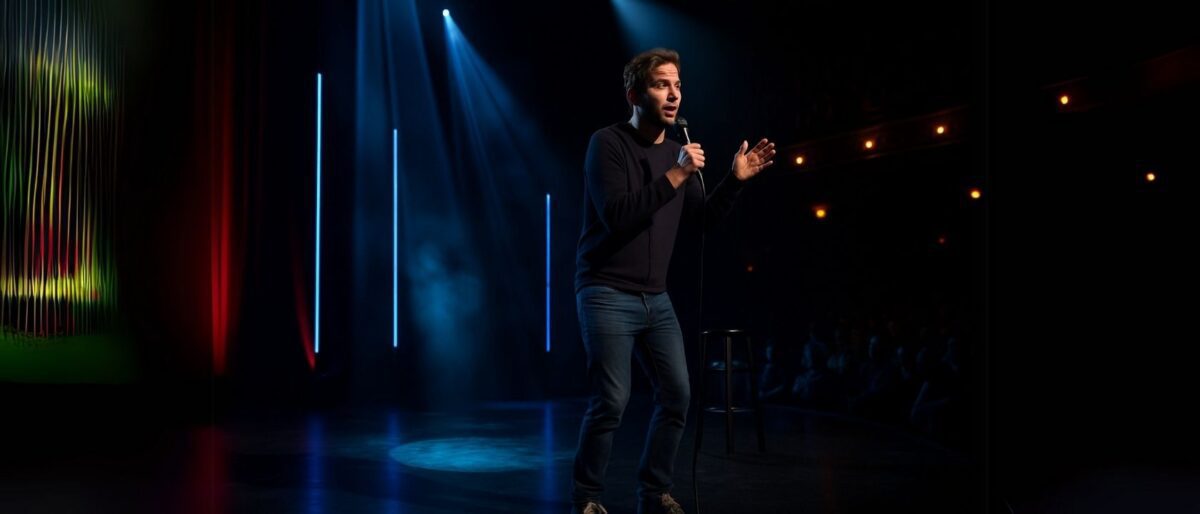
Gone are the days when a stand-up special meant a single camera, flat lighting, and a rushed edit for late-night cable. Netflix came in with bigger budgets, cinematic style, and zero interest in sticking to the old rules. The result? Comedy started to look and feel like art.
Every Netflix special now arrives with high-end production values that rival concert films. We’re talking multi-camera angles, polished sound design, creative lighting, and custom stage setups tailored to each comic’s vibe. Whether it’s a stadium like Kevin Hart’s Irresponsible or a minimalist theater setup like Mike Birbiglia’s The New One, the aesthetic matches the material—and elevates it.
Just as game-changing? Artistic freedom. There are no strict runtime requirements, no network notes forcing edits, and no demand to play it safe. Comedians can go long (Dave Chappelle), go short (James Acaster’s bite-sized bits), or get wildly unconventional (Bo Burnham’s Inside). Tone, format, and storytelling are all up to the artist. It’s a creative playground, not a network funnel.
Compare this to the low-budget, cookie-cutter specials of the 2000s—overexposed shots, stock crowd noise, and jokes chopped for time. Netflix didn’t just upgrade the visuals; it gave comedians a canvas. And suddenly, stand-up wasn’t just funny—it was beautiful.
Creative Freedom Like Never Before
One of Netflix’s greatest gifts to stand-up comedy? Letting comedians be exactly who they are—uncut, unfiltered, and unapologetic. Without the watchdogs of cable TV looming over every punchline, comics on Netflix have found a stage where they can finally tell the full story—their way.
On traditional networks, profanity was bleeped, risky jokes were chopped, and taboo topics were dodged entirely. Netflix tossed that rulebook out the window. No censorship means total freedom—and comedians have run with it. They’re not just cracking jokes—they’re diving deep into identity, trauma, politics, sexuality, and mental health.
Take Mike Birbiglia, whose specials play like memoirs with punchlines, turning real-life struggles into theatrical journeys. Or Hannah Gadsby’s Nanette, which started as comedy and transformed into a searing takedown of misogyny, art history, and personal pain. It shattered expectations and became a global conversation piece—not despite its emotional depth, but because of it.
Netflix has created space for long-form storytelling, not just 5-minute club sets. Comics can take their time, build tension, get quiet, get weird, and go places no TV exec would’ve allowed ten years ago. The result? Specials that feel less like performances and more like perspectives—authentic, bold, and deeply human.
With that kind of freedom, stand-up stopped being just entertainment—and started becoming something more powerful. Something real.
The Era of Comedy Specials as Events
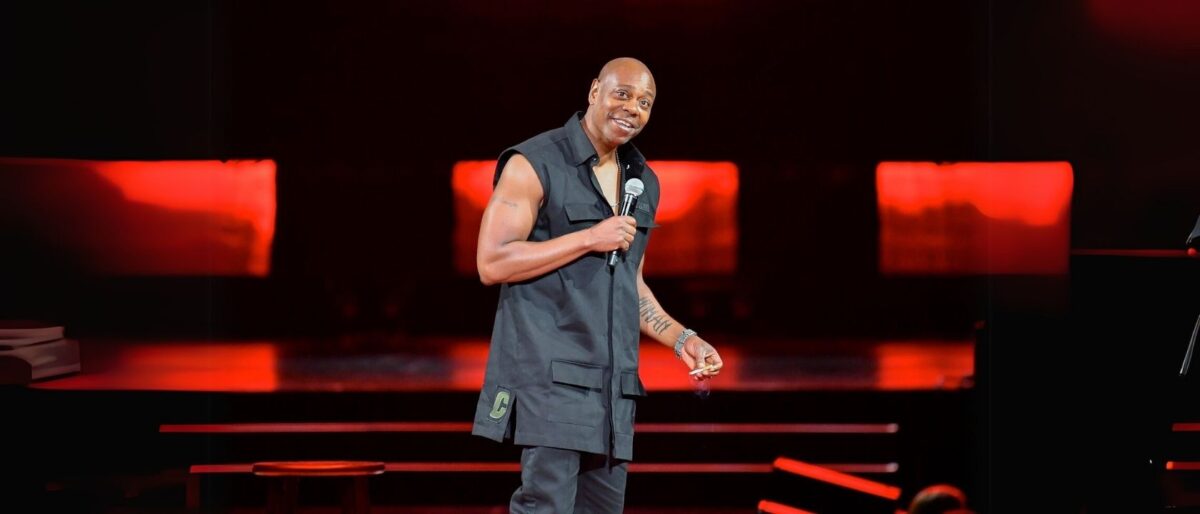
Before Netflix, stand-up comedy releases came and went with little fanfare—maybe a late-night interview, a few posters in a subway, and a re-run months later. But Netflix didn’t just stream comedy specials—they turned them into cultural events.
When a big-name comedian drops a special on Netflix now, it’s not just another Friday—it’s trending on Twitter, it’s headline news, it’s the center of group chats and think pieces. Stand-up has been elevated to the same level as TV show premieres and surprise album drops. It’s appointment viewing… without the appointment.
Dave Chappelle’s $60 million multi-special deal was a seismic moment. His return to the stage via Netflix made global noise, sparking everything from glowing praise to fiery controversy. And that buzz? It was exactly the point. The release of each Chappelle special was news, not just content.
Ali Wong’s Baby Cobra was another milestone. Dropped in 2016 while she was visibly pregnant, it flipped the script on who could command a comedy stage—and how. That special made her a household name almost overnight, and turned “Netflix comedy star” into a viable career path.
These aren’t just jokes recorded on a stage—they’re carefully rolled-out moments of cultural impact. With global releases, curated trailers, algorithm boosts, and massive word-of-mouth, Netflix turned stand-up comedy from background noise into the main event. And once the bar was raised, everyone else had to catch up.
Comedian Stardom Without Late-Night
Once upon a time, cracking a tight five on late-night TV was the golden ticket to a stand-up career. Think Letterman, Carson, or even Fallon—if you landed a spot, you’d arrive. But in the streaming era, Netflix became the new launchpad, and comedians didn’t need couches or cue cards to blow up.
The shift was subtle at first. Then came Bo Burnham’s Make Happy—and later, the genre-breaking Inside. With zero late-night appearances, he built a cult following through Netflix’s global reach and YouTube-ready clips. His audience didn’t need network approval—they found him through word-of-mouth, algorithms, and virality.
Taylor Tomlinson followed a similar path. Her specials Quarter-Life Crisis and Look at You didn’t just go viral—they made her one of the fastest-rising stars in comedy. She skipped the talk show circuit and went straight to the top of Netflix’s trending list, selling out theaters across the country soon after.
Then there’s Nate Bargatze, who built a career off clean, relatable comedy and a series of Netflix specials that made him a favorite in both Southern living rooms and urban clubs. He didn’t change his voice for late-night—he just found his people online, and Netflix helped him do it.
In today’s world, a Netflix special isn’t just a milestone—it’s a launchpad. Comedians are no longer waiting for a network invitation. They’re building empires from a single stream.
Comedy as Bingeable Content
Once reserved for one-off nights on HBO or cable reruns at 2 a.m., stand-up comedy has now joined the ranks of the binge-watchable. Thanks to Netflix, comedy isn’t just something you catch—it’s something you consume in marathons, just like your favorite drama or reality show.
With an ever-expanding library of stand-up specials, viewers can sit down to watch one comic and end up flying through five more in a single sitting. Recommendation algorithms push new comedians the moment you finish a special—“Liked Nate Bargatze? Try Tom Papa.” The barrier to entry is gone. You don’t have to seek out stand-up; Netflix delivers it to you, curated and ready.
This shift has changed how audiences engage with comedy itself. People are discovering new comics at a faster rate, sampling styles from dry British wit to loud Southern storytelling without ever switching platforms. It’s opened the floodgates for lesser-known comedians to get major visibility—sometimes even more than traditional headliners.
But there’s a flip side. With binge culture comes the expectation of instant payoff. Audience attention spans have tightened. Comics now have just minutes—sometimes seconds—to hook viewers before they scroll away. The result? Tighter writing, bolder choices, and a new emphasis on pacing and structure.
Netflix didn’t just make stand-up easier to watch—it made it part of the binge cycle. And now, comedy is not just something you laugh at—it’s something you stream, rate, share, and devour like any other form of entertainment.
Data-Driven Risk and Reward
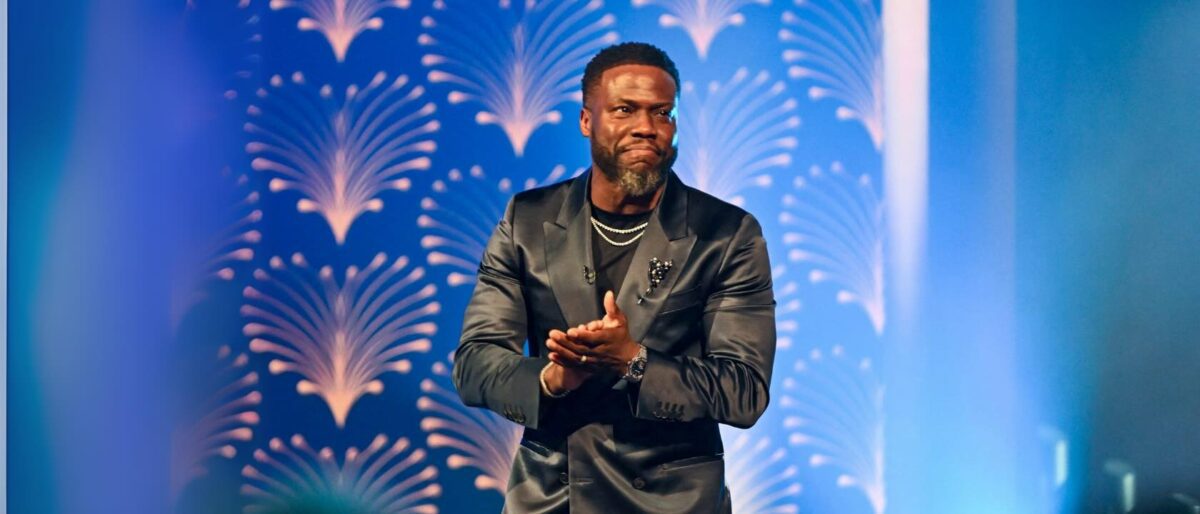
Behind every Netflix stand-up special is something less glamorous than a killer punchline: viewer data. The platform doesn’t just guess what works—it knows. From watch time and completion rates to skips and replays, Netflix uses cold, hard numbers to greenlight comedy specials, extend deals, and invest in future stars.
This approach has led to some of the biggest paydays in comedy history. Dave Chappelle’s multi-special deal? Data-backed confidence. Kevin Hart’s recurring releases? An algorithm-approved goldmine. Netflix bets big on proven names—but it also takes calculated risks on rising voices with growing digital footprints. Comedians like Taylor Tomlinson and Sam Jay didn’t need primetime fame. Their streaming stats—and potential for breakout—spoke louder than TV ratings ever could.
The result? A comedy ecosystem that feels both expansive and competitive. For comics, it means that visibility equals viability. Getting eyes on your special can lead to more shows, better slots, and future projects. For bookers and clubs, it reshapes touring strategy. Who’s hot? Check Netflix. Who’s selling tickets? Check the stream counts.
While traditional gatekeepers still exist, the balance of power has shifted. Now, data doesn’t just inform—it decides. And in this new system, comedians aren’t just artists. They’re content creators in a live-streamed, binge-watched marketplace where laughs still matter—but numbers matter more.
Globalization of Humor
Before Netflix, most stand-up comedy stayed home—culturally, linguistically, and geographically. Now? A comedian in Mumbai can make someone in Madrid laugh without ever leaving their stage. Thanks to subtitles, dubbing, and a global platform, humor is no longer bound by borders.
Subtitled stand-up has made it possible for language-diverse acts to reach millions. English may dominate, but Netflix has opened the door to regional voices, diaspora comics, and multilingual performers who blend perspectives, punchlines, and lived experiences into globally resonant sets.
Take Vir Das, who deftly balances Indian cultural commentary with Western irony. His specials don’t just work in India—they work everywhere. His jokes about identity, politics, and tradition land because they’re both specific and universal. That’s the new sweet spot.
Or consider comics like Maz Jobrani and Mo Amer, whose Middle Eastern heritage informs their humor, yet their delivery is tuned for global audiences. They bring immigrant narratives, bilingual jokes, and outsider observations that resonate far beyond one country or community.
Netflix has created a space where humor becomes a bridge. Cultural differences aren’t edited out—they’re leaned into. The result? A comedy world that’s not just broader, but deeper. It’s not about everyone laughing at the same thing—it’s about everyone finding something worth laughing at, no matter where they’re from.
Backlash, Controversy & the Freedom to Offend
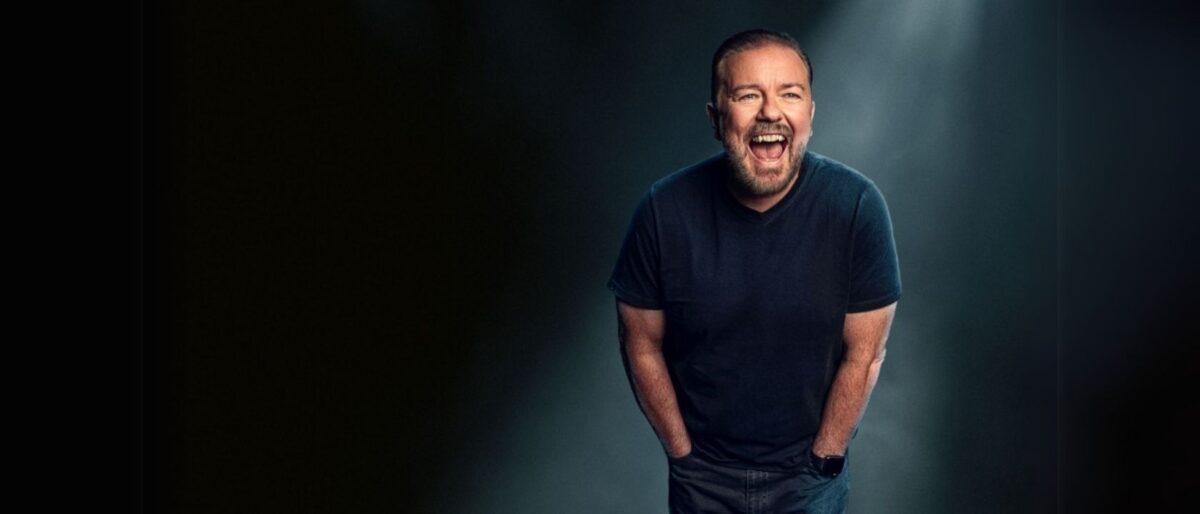
With great reach comes great controversy. Netflix’s commitment to creative freedom has made it a platform not just for diverse voices—but also for polarizing ones. And in stand-up comedy, where offense often walks hand-in-hand with honesty, the streaming giant has found itself at the center of heated cultural debates.
Dave Chappelle’s later specials, particularly The Closer, ignited firestorms over his comments about the LGBTQ+ community, sparking internal protests at Netflix and global headlines. Ricky Gervais followed with material that poked at gender identity, political correctness, and religion—all under the protective umbrella of “just jokes.”
These specials raise tough, timely questions: Where’s the line between free speech and harm? Should comedy be an untouchable zone, or should platforms take responsibility when a punchline punches down?
Netflix has largely doubled down on defending artistic expression. But this stance isn’t without cost—both in public perception and in fueling broader debates around cancel culture, platform accountability, and what comedy is “allowed” to say in today’s world.
For some, this freedom is sacred. For others, it’s irresponsible. But either way, Netflix has become the modern arena where these tensions play out. It’s not just about laughs anymore—it’s about who gets to speak, and who decides what’s acceptable. In giving comedians a global mic, Netflix also gave audiences a global forum to respond—loudly.
Netflix Rewrote the Stand-Up Playbook
Netflix didn’t just stream stand-up—it rewired the entire ecosystem. From global distribution and limitless audience reach to giving comedians full creative control and production quality that rivals major film studios, the platform reshaped every corner of the comedy world. What once required a network deal, late-night exposure, and a carefully curated act now takes one thing: a single Netflix special.
It elevated the genre, gave it artistic credibility, and opened doors for voices that may never have been heard otherwise. And its influence hasn’t gone unnoticed. Platforms like Amazon Prime, YouTube, and Max (formerly HBO Max) have followed suit, ramping up their comedy offerings and offering similar freedom to comics who might’ve once been boxed in.
So what’s next? We’re already seeing whispers of live-streamed comedy events, interactive specials, and AI-curated stand-up playlists. Netflix has also dipped its toes into live broadcasting, a sign that real-time performances could soon enter the fold—blurring the line between traditional touring and digital delivery even further.
At its core, Netflix proved that stand-up comedy isn’t just surviving in the streaming era—it’s thriving because of it. And as long as people need to laugh, cry, and hear the truth wrapped in a punchline, that mic isn’t dropping any time soon.