Broadway vs West End: What’s the Difference?
May 21, 2025
Why Concert Ticket Prices Change in Minutes (Explained)
May 23, 2025How Broadway Shows are Made

Ever wonder how Broadway shows go from a writer’s daydream to a standing ovation in New York City? Behind every curtain rise is a thrilling tale of ambition, artistry, and all-nighters. From script to spotlight, here’s how the magic happens—one cue, one costume, one crash course at a time.
The Spark: Where Ideas Begin
Every Broadway show starts with a flicker—a flash of brilliance that hits a writer on a train ride, a composer in the shower, or a producer scrolling through an old news article. Some ideas pop like popcorn. Others simmer for years, tucked in notebooks or iPhone voice memos labeled “DO NOT DELETE.”
Some productions are born brand new, spun from pure imagination like Dear Evan Hansen or Hadestown. Others borrow their bones from familiar tales—adapted from novels, movies, historical headlines, or even viral tweets. That’s right—what starts as a quirky tweet could end up belting from Broadway’s biggest stages. Wild, huh?
The creative culprits behind these sparks? Playwrights and lyricists often get things rolling, but producers sometimes start the fire too. They hunt for compelling stories with legs—ones that’ll fill seats and start standing ovations. Composers jump in to turn words into emotion. A sad scene becomes a sob-worthy song. A plot twist becomes a showstopper. Everyone’s chasing that magical blend of truth, timing, and theatrical gold.
At its core, a Broadway idea needs more than razzle-dazzle. It needs heart. Vision. A reason to be told now. Because a good show doesn’t just entertain—it leaves you buzzing, broken, or both. And it all begins with that first “what if?”
Writing the Show
Here’s where the fireworks meet the framework. Once the initial spark strikes, it’s time to sculpt a show that sings—literally and emotionally. At the heart of every Broadway production lies “the book”—that’s the script: characters, scenes, structure, and dialogue. It’s not just about what’s said, but when and why it’s said. Timing is everything. A great book carries the rhythm of a rollercoaster and the soul of a sonnet.
Then there’s the score—the heartstrings and harmonies. Composers dream up melodies that stick in your head like gum on a shoe (but, you know, in a good way), while lyricists pour emotion and meaning into every word. Together, they write songs that lift the plot off the ground and into goosebump territory. Whether it’s Miranda’s linguistic lightning in Hamilton or Sondheim’s sly wit in Into the Woods, the music has to move the story forward. No filler. No fluff. Just fire.
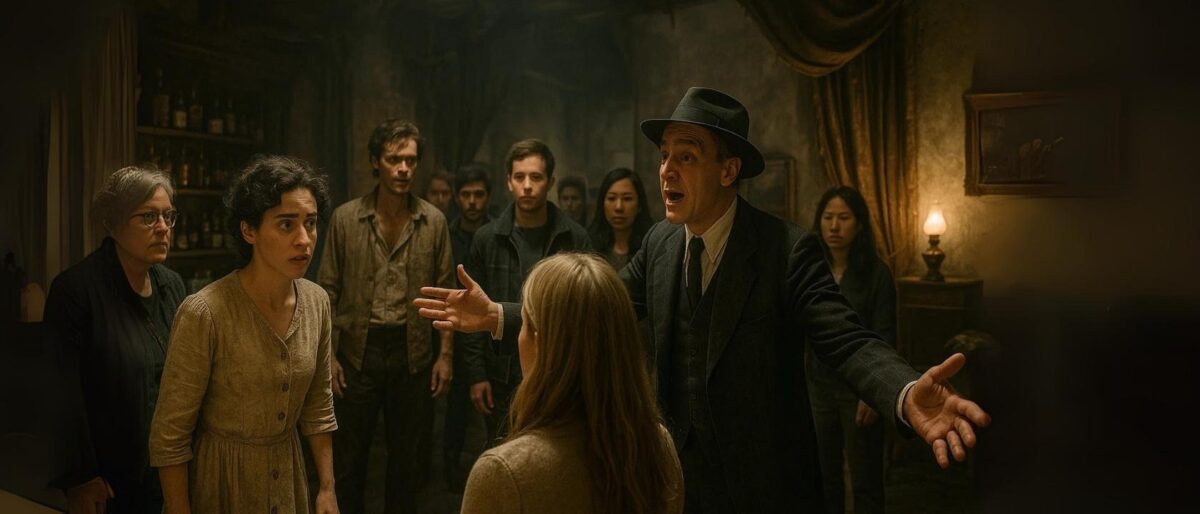
But writing is rewriting—ask any caffeinated creative in a hoodie clutching a red-inked draft. Shows go through endless revisions, readings, and workshops. Industry pros sit in, sip coffee, and give notes that hurt (and help). It’s not always glamorous. Think: folding chairs, fluorescent lights, and actors bravely belting through half-baked scenes.
The writer team can be a solo act or a dynamic trio—like Pasek & Paul, who weave melody and emotion like musical magicians, paired with a powerhouse book writer. Collaboration is the name of the game, and egos get checked at the stage door. Because when the right minds meet, words and music don’t just complement each other—they combust.
Securing Production: Finding Backers
So the script sings, the score stirs, and your workshop made a few folks weep—and now comes the part no one likes to romanticize: the money talk. Broadway dreams don’t come cheap. Before sets rise and lights glow, you’ve got to secure the cash to make it all happen. And that’s a whole production of its own.
Pitches fly. Creators meet with investors, independent producers, and theater-savvy moguls, armed with vision decks, demo tracks, and infectious enthusiasm. It’s Shark Tank meets showbiz. Sometimes you’re wooing wealthy theatre lovers. Other times, you’re charming corporate suits with zero interest in tap shoes—but a keen eye for return on investment.
The lead producer plays ringleader—part financier, part cheerleader, part therapist. They’re the ones making calls, aligning investors, hiring creatives, and signing contracts. A savvy producer isn’t just writing checks; they’re guiding the ship through creative tempests and financial whirlpools, from pre-production to post-opening.
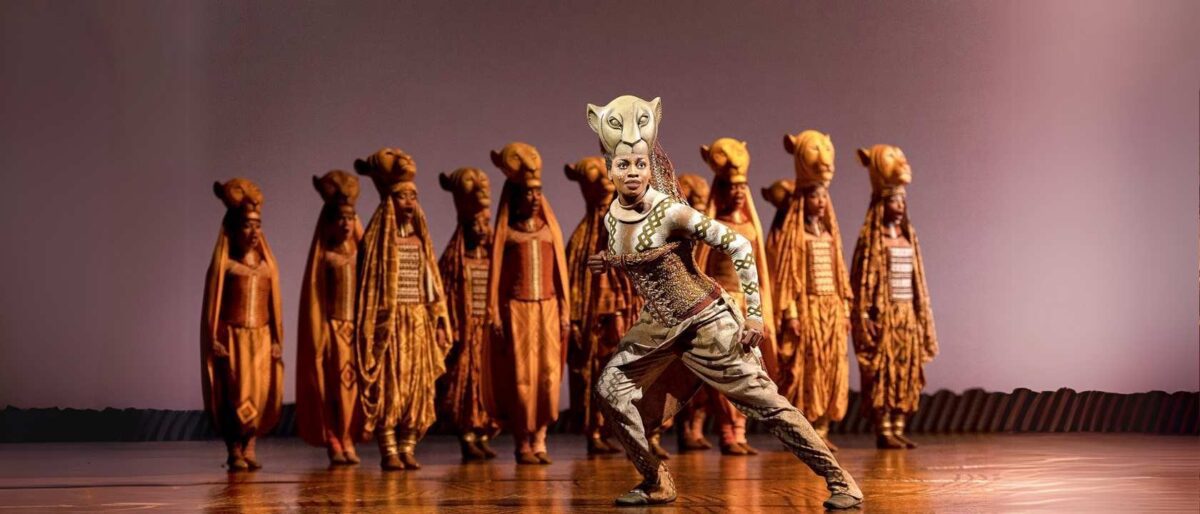
Budgets can swing wildly. A small Off-Broadway show might squeak by with under a million. A Broadway behemoth like The Lion King or Spider-Man: Turn Off the Dark (remember that chaos?) can soar past $20 million. Everything—from cast size to LED screens—has a price tag attached.
Not every show is built on private capital. Some get a leg up through nonprofit theatre incubators, like The Public or New York Theatre Workshop, which offer funding, stages, and crucial visibility. Grants, donations, and arts councils also help lift lesser-known voices or riskier concepts into the spotlight.
In short? A brilliant script needs a bold backer. And once the backing’s in place, the curtain doesn’t just rise—it roars.
Assembling the Creative Dream Team
No Broadway show becomes magic with words and money alone—it needs people. A lot of them. And not just *any* people, but a crew of visionaries who can turn a script into a living, breathing spectacle. Think of it like assembling The Avengers, only with more sequins and fewer capes (well… usually).
First up: the director. They’re the show’s compass, captain, and creative north star. They shape the tone, pacing, emotional arcs, and visual storytelling. A great director doesn’t just interpret the script—they elevate it. Whether it’s Julie Taymor’s puppetry wizardry in The Lion King or Thomas Kail’s clean genius in Hamilton, the director sets the stage—literally and metaphorically.
Then there’s the choreographer. They don’t just teach steps; they choreograph emotion. Every leap, twist, or sly shoulder roll becomes a part of the narrative. Movement can say what words won’t—think of Bob Fosse’s angular punctuation or Andy Blankenbuehler’s pulse-racing transitions in In the Heights. It’s dance, but it’s also dialogue.
Enter the design team: costume designers, set designers, lighting artists, sound engineers, and projection wizards. Together, they create the world the audience lives in for two hours. Costumes define character before a single line is spoken. Lights guide emotion. Sound breathes life into silence. And projections? They can transform a static stage into the cosmos or a Brooklyn stoop in seconds.
Music directors take the score and turn it into a living force—teaching the cast harmonies, working with the pit orchestra, and making sure every note hits with precision and power. The orchestrator then arranges those notes for a full ensemble, translating piano demos into lush, dynamic experiences. It’s like going from a sketch to a full-blown painting.
And finally, the unsung heroes: stage managers. They are the glue. They call the cues, keep everything on schedule, solve problems before they explode, and basically prevent the entire production from descending into delightful chaos. Calm in the storm, clipboard in hand, headset always on—they’re the real MVPs backstage.
When the dream team locks in, the show doesn’t just function—it flies.
Casting the Show
Once the creative team’s assembled, it’s time to find the faces—and voices—that’ll bring the story to life. Casting is part puzzle, part gamble, and part gut instinct. The wrong pick? The whole thing can wobble. But the right one? That’s Broadway lightning in a bottle.
It all kicks off with auditions. Some are big, chaotic open calls with hopefuls lined up around the block. Others are more private, arranged through agents and casting directors who know who can nail a riff or hold a crowd with one tear-streaked monologue. Callbacks narrow the field, where chemistry reads, movement tests, and cold reads push contenders into the spotlight—or send them packing.
There’s always a balancing act between seasoned stars and fresh talent. Big names sell tickets, no doubt. That’s why you’ll see celebs headlining revivals or limited runs. But newcomers bring hunger, surprise, and often, a breakout moment that no one saw coming. Broadway is built on both.
All performers must follow the rules of the Actors’ Equity Association—the union that protects wages, work hours, and safety. That means contracts, minimum salaries, mandatory breaks, and yes, understudies. Speaking of which…
Understudies learn a lead’s role in full, ready to go on with a moment’s notice—sometimes with only hours (or less!) of warning. Swings are even more mind-blowing. They learn multiple ensemble tracks—sometimes a dozen or more—and jump in whenever needed, no panic, no problem. And standbys? They’re the secret weapons waiting just offstage, prepared to cover one or two key roles with zero regular performance, but full readiness. Talk about pressure!
Casting isn’t just about vocal chops or acting range—it’s about chemistry, presence, and spark. Because when the right actor slips into the right role, something happens. The room shifts. And that’s when a show really starts to breathe.
Rehearsals and Workshops
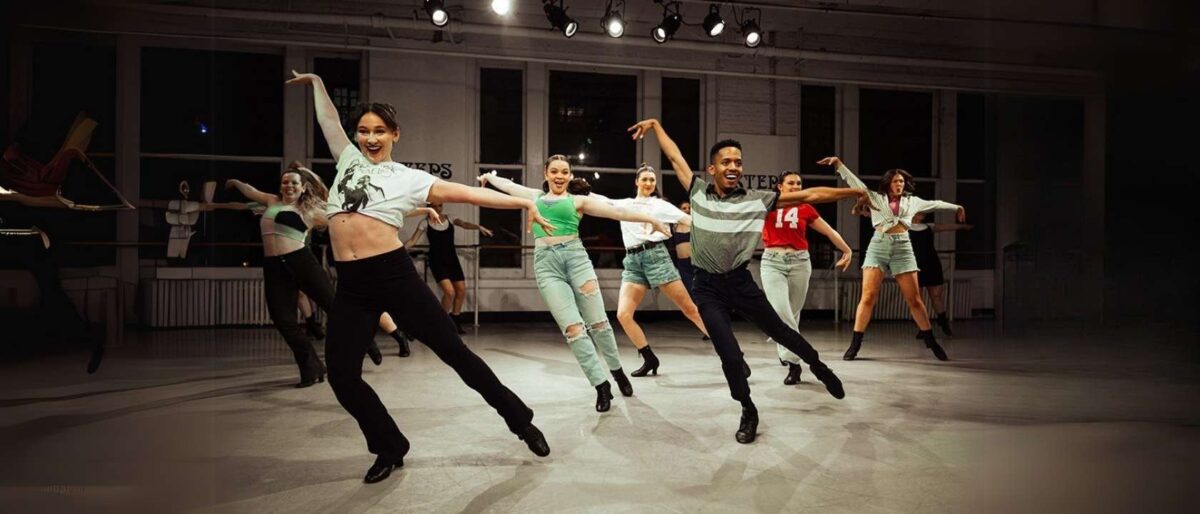
Once the cast is set and the team’s in place, it’s time to roll up the sleeves and dig in. Rehearsals are where the real alchemy begins. It’s gritty. It’s exhilarating. It’s where those flat words on the page become flesh, voice, and movement. And often? It’s where chaos meets creativity head-on.
It all starts with the table read—cast and creatives gathered in a room, scripts in hand, nervously reading the show aloud for the first time. These reads reveal a lot. The rhythm of the dialogue, early chemistry, awkward transitions. Next come music rehearsals, where the cast learns harmonies, melodies, and timing—basically, how to sing their guts out without going flat (or breathless).
As the weeks unfold, blocking and choreography enter the picture. Staging decides who moves where, when, and why. Directors shape performance arcs. Choreographers design sequences down to every toe tap and shoulder shimmy. It’s here that pacing is perfected, moments are discovered, and trust is built—fast.
Then comes tech week. Ah, the legendary stress sandwich. For the first time, lighting, sound cues, sets, and costume quick-changes collide with live performance. Scene transitions are tested, light cues are timed, and stagehands become stealthy ninjas, moving props in blackout silence. If someone isn’t crying by day three, are you even doing it right?
Next stop: previews. The audience finally enters the equation. And that changes everything. Laughs land—or don’t. Emotional beats may shift. Scenes that seemed tight suddenly drag. Creators watch closely, scribbling furiously in the dark, prepping for overnight changes. Songs might get cut. Dialogues rewritten. Endings reshaped. No pressure, right?
Rehearsals aren’t just about memorizing lines or learning steps—they’re about discovery, adaptation, and resilience. And when it all finally clicks? The cast isn’t just performing. They’re flying.
Design and Technical Production
This is where the magic gets mechanical. Design and tech may not take center stage, but trust me—they’re the invisible spine of every Broadway show. Without them, the whole production would fall flatter than a pancake on a parquet floor. The goal? Make the impossible look effortless. The truth? It’s anything but.
It all begins with scenic design. The set designer sketches, models, and dreams up entire worlds—whether it’s a war-torn barricade, a glitzy ballroom, or a haunted wood. Once approved, carpenters and painters go to town, building structures that must be sturdy, beautiful, and able to change in a blink. Modular pieces, trap doors, rotating stages—nothing’s off-limits if it helps tell the story.
Meanwhile, lighting designers map out every mood and moment using intricate cue books and lighting plots. A well-timed fade or spotlight can make a scene soar or a character disappear in a whisper. It’s less about brightness, more about emotional precision—like painting with electricity.
Costumes are sketched, stitched, and sweat-tested. Designers collaborate with actors to find the right look and feel—something that screams “character” but can still survive eight shows a week. Then come the quick changes: rapid, almost athletic wardrobe swaps done in seconds. It’s controlled chaos in the wings, with dressers acting like pit crews at a Formula 1 race.
Sound design is an art of its own. Engineers work closely with composers and directors to balance live vocals, orchestration, and effects. Every mic pack, footstep, or thunderclap must be crystal clear, perfectly timed, and—most importantly—invisible to the audience.
And let’s not forget automation, rigging, and special effects. Want a chandelier to crash? A witch to fly? A helicopter to land onstage? Broadway’s got you. But it takes a symphony of operators, motors, cables, and failsafes to pull off. One mistimed cue, and things get spicy real quick.
Design and tech are the unseen cast members, the silent storytellers. They don’t take bows—but every standing ovation belongs to them, too.
Out-of-Town Tryouts or Off-Broadway Runs
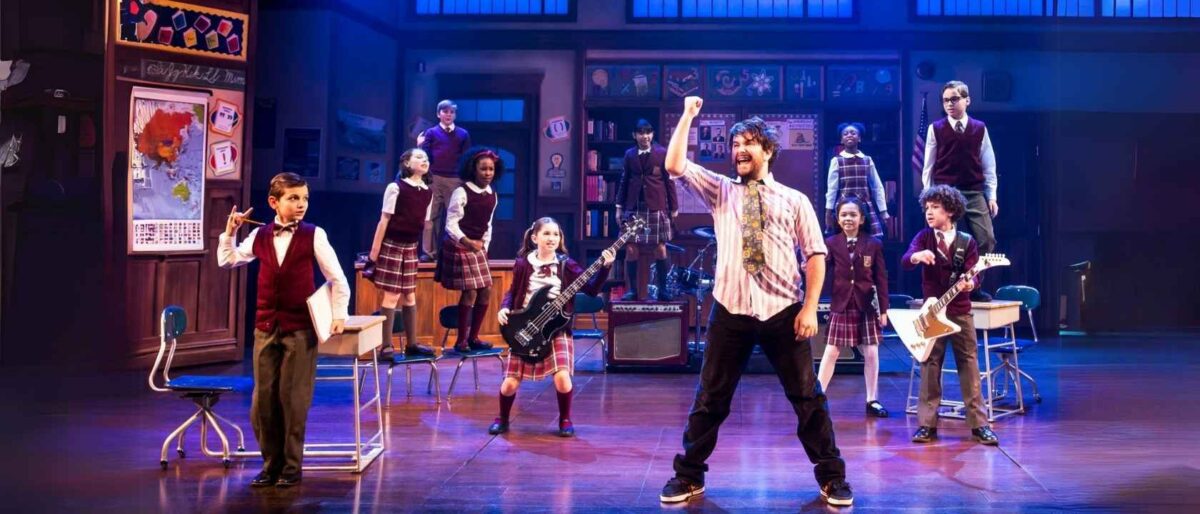
Before a show dares to dazzle on Broadway, it usually takes a test drive outside the New York spotlight. These early runs—whether out-of-town tryouts or Off-Broadway debuts—are like Broadway bootcamps. Think of them as a place to fail safely, adjust bravely, and polish relentlessly, all without a front-page review in *The Times* breathing down your neck.
Why dodge Manhattan at first? Because feedback is gold—and a more forgiving crowd in Chicago, Atlanta, or San Diego might just help creators figure out what hits and what flops. These runs give space to try wild ideas, gauge the pacing, trim the fat, and tweak the transitions without press panic or Twitter meltdowns.
Some of Broadway’s biggest juggernauts evolved drastically in these trial phases. Wicked famously struggled during its San Francisco tryout—critics weren’t enchanted, and scenes had to be reworked top to tail. Hamilton first hit Off-Broadway at The Public Theater, where audiences responded so explosively that producers knew they had lightning in a bottle. It still got reshaped before Broadway, but the core magic had taken root.
During previews, the cast performs for real audiences while the creative team watches from the back row, scribbling furiously. Did that joke land? Was that ballad too long? Should the villain enter stage left instead of right? Based on nightly reactions, changes happen in real time. Songs get swapped out. Lines get cut. Whole scenes disappear between a Wednesday and a Thursday.
These test runs are less glamorous, sure. But they’re where the show’s soul gets sharpened. It’s messy. It’s nerve-wracking. And it’s crucial. Because if a Broadway debut is the grand opening, then the out-of-town run is the dress rehearsal where dreams either stretch—or snap.
Opening on Broadway
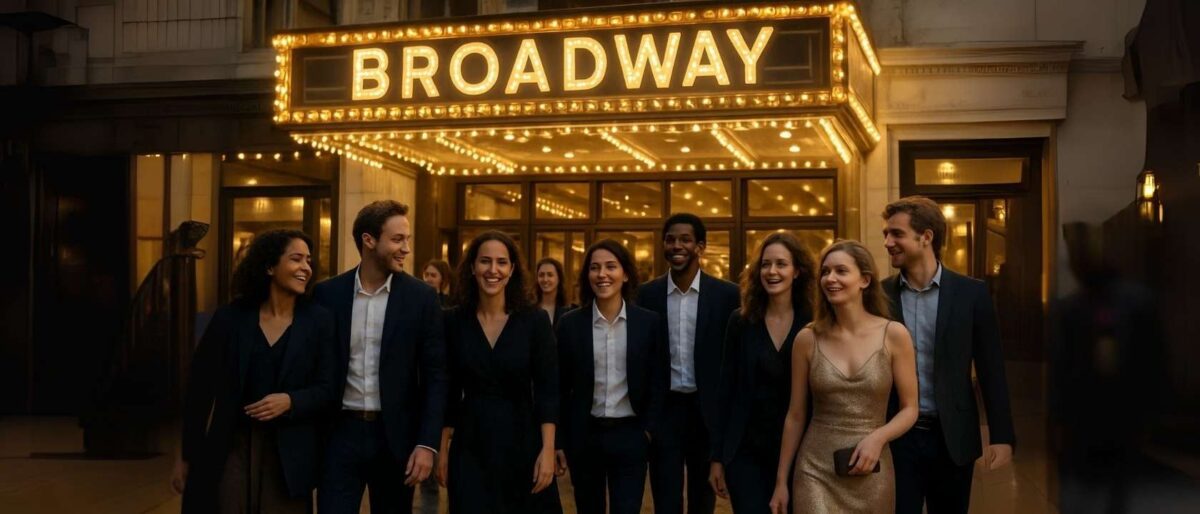
After months—or sometimes years—of crafting, cutting, rewriting, and rehearsing, the moment of truth arrives: opening on Broadway. It’s not just a milestone. It’s a high-stakes, high-glamour debut that can make or break a show overnight. The curtain doesn’t just rise—it explodes.
But first, producers have to lock in a theater. And that’s no small feat. Broadway houses are few, demand is high, and ownership is concentrated. The Shubert, Nederlander, and Jujamcyn organizations control most of the real estate, and theater size matters. Is it an intimate play needing 600 seats? Or a grand spectacle requiring room for a full orchestra, flying scenery, and 1,500 fans per night?
Then come press previews. These are like trial performances, but for critics and media. They’re not casual. Cameras click, notepads flip, and reputations hover in the wings. For weeks, creatives hold their breath, fine-tuning every element before the first reviews drop.
Opening night is part show, part party, part pressure cooker. Red carpets unroll, cast members beam (or secretly panic), and celebs pack the house. After the final bow? Champagne flows, speeches are made, and everyone checks their phones a little too often.
Because once the show opens, the critics weigh in—especially *The New York Times*. A glowing review from them? Pure box office gold. A scathing one? Could spell doom. Though social media and word of mouth now play larger roles, traditional press still holds serious sway, especially with tourists and investors.
When all goes well, that opening night turns into a run that lasts months, years—even decades. But it’s never guaranteed. Broadway’s beautiful, brutal truth is this: every show is one review away from a standing ovation or a sudden closing notice.
Running the Show Night After Night
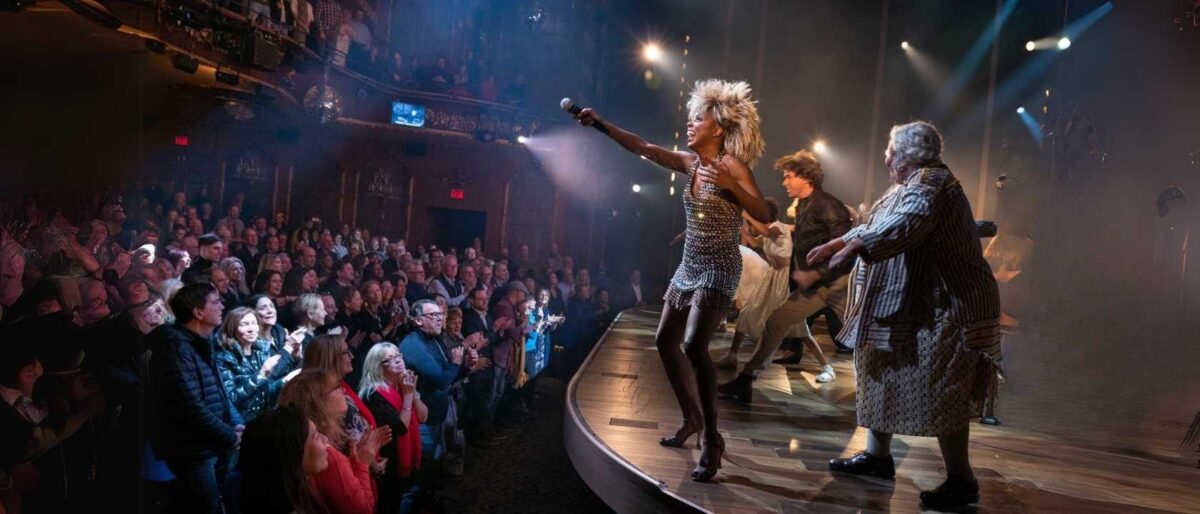
Opening night may be the peak, but what follows is the real grind. A Broadway show doesn’t just live—it repeats. Night after night. Eight times a week. Rain or shine. Holidays, matinees, Mondays off. It’s like being in a marathon where every mile looks the same but has to feel fresh.
Most Broadway productions run on a set weekly performance schedule—usually Tuesday through Sunday, with matinees on Wednesday and Saturday. Sundays and Mondays might offer a break, but for cast and crew, rest is relative. While the audience sees a seamless show, backstage is a hive of hustle, sweat, and tactical chaos.
The stage management team keeps everything on track. They call lighting and sound cues with split-second precision, coordinate costume and set changes, and serve as the glue between departments. From forgotten props to surprise injuries, they troubleshoot quietly, efficiently, invisibly. If the show’s a ship, they’re steering it every night with one hand on the wheel and the other on a headset.
Keeping performances consistent and emotionally alive across hundreds of shows is no joke. Actors fight fatigue, illness, and the occasional mental rut. That’s where adrenaline—and professionalism—kick in. It’s why Broadway performers are often called athletes. Singing while sprinting? Normal. Doing it again the next night? Expected.
Enter the swings, standbys, and replacements. Swings cover multiple ensemble roles and rotate in when someone’s out. Standbys are ready to go on for leads at a moment’s notice—sometimes with zero warning and no applause. Mid-run, cast changes happen regularly, whether to cover illness, accommodate new contracts, or keep the show fresh. Sometimes a show quietly levels up just because a new performer brings a new spark.
Behind the curtain, it’s not glamour—it’s grit. The magic? That’s in making it look effortless. And when everything clicks, every night becomes an opening night all over again.
Marketing and Merchandising
If a Broadway show opens and no one knows about it—does it even exist? Great art needs great hype, and that’s where marketing steps into the spotlight. A show may be packed with talent, but without smart promotion and strategic buzz, it’s just another empty theater waiting for applause that never comes.
Broadway marketing blends old-school charm with new-school tactics. Advertising strategies include everything from full-page spreads in *The New York Times* to targeted Instagram reels and TikTok takeovers. Digital ads are laser-focused—by location, interest, or even musical taste. Walk through Midtown and you’ll spot eye-popping posters, taxi tops, and LED billboards glowing above Times Square. And yes, the occasional street team handing out flyers still exists—because sometimes the analog ways work wonders.
Tourists are Broadway’s bread and butter, and capturing their attention means investing in visibility. Many shows strike deals with hotels, tour companies, and city guides. You’ll find show posters in subway cars, airport terminals, even pizza boxes. Wherever a tourist looks, a musical is smiling back at them.
Merchandise isn’t just a souvenir—it’s part of the show’s brand. From Playbills and posters to hoodies, mugs, and enamel pins, merch turns fans into walking billboards. And then there are cast albums—streaming on Spotify, climbing the iTunes charts, and giving songs a second life far beyond the theater. (Looking at you, Hamilton.)
But the most powerful marketing tool of all? Word of mouth. If an audience leaves buzzing, talking, and posting, that momentum builds fast. Add in influencer coverage—think viral reaction videos, behind-the-scenes TikToks, or a glowing Instagram story—and you’ve got digital wildfire. And let’s not forget awards season. A Tony win can double ticket sales overnight. One golden statue, and suddenly, everyone needs to “see what the buzz is about.”
Broadway marketing isn’t just about selling seats—it’s about building obsession. And when it works, fans don’t just watch the show—they wear it, sing it, quote it, and tweet about it until the final curtain call.
Awards and Legacy
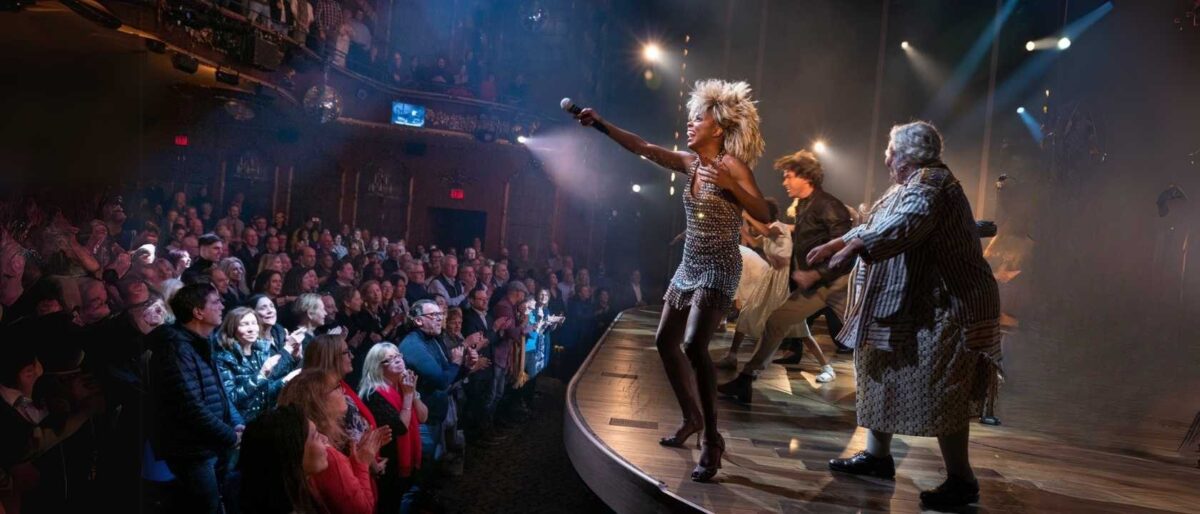
After the confetti settles and the critics weigh in, there’s one more stage every Broadway show dreams of stepping onto: the awards circuit. And at the center of that glittering spotlight? The Tony Awards—Broadway’s version of the Oscars, Grammys, and Super Bowl all rolled into one glitter-drenched evening.
Winning a Tony—especially for Best Musical or Best Actor—can be a game-changer. Ticket sales surge. Sold-out signs go up. A show that was hanging on by a thread might suddenly have a second wind. And beyond Tonys, there are other prestigious honors like the Drama Desk Awards, Outer Critics Circle Awards, and Drama League Awards, each adding more polish to a production’s pedigree.
But legacy isn’t just trophies. It’s how a show lives on long after the original cast takes their final bow. Cast recordings are often the first gateway for fans worldwide. A killer album can reach people who’ll never make it to New York. Think about how many folks fell in love with Rent, Wicked, or Les Mis through headphones instead of theater seats.
Then comes licensing. Once a show has wrapped its Broadway run—or even while it’s still going strong—rights are made available for regional theaters, schools, and international stages. Suddenly, high schoolers in Ohio are performing Into the Woods, while a company in Tokyo takes on Chicago. It’s how shows become part of culture—not just commerce.
A true Broadway legacy echoes. It inspires. It gets reimagined, revived, and re-sung by new voices in new places. Awards may open the door, but it’s passion, performance, and storytelling that keep a show alive for generations to come.
Touring and International Productions
After conquering Broadway, what’s next? Taking the show on the road—literally. Touring and international productions are how Broadway extends its reach, packs its bags, and spreads the sparkle to audiences across the globe. Because why should New York have all the fun?
National tours are full-scale operations that travel city to city, sometimes for years. We’re talking convoys of trucks carrying costumes, sets, lights, and props—essentially recreating Broadway magic night after night in different venues. The logistics? Insane. Venues vary in size and setup, so everything must be adaptable. Tech crews rehearse load-ins and load-outs like choreography, often striking one set at midnight and rebuilding it by the next morning.
Tour casts are handpicked and often just as talented as the original Broadway lineup. Sometimes, big names lead to draw crowds; other times, fresh faces shine. While the show remains true to its roots, minor changes might be made to accommodate different stages, sound systems, or audience needs. Still, the energy? Electric. Every night is a new audience, a new vibe, a new chance to win hearts.
Then there are the international productions—and that’s where things get really interesting. Shows like The Phantom of the Opera, Hamilton, and Mamma Mia! have been translated into everything from Japanese to German, with cultural tweaks to help the material land authentically. Dialogue might shift. Certain jokes are swapped. Some lyrics get a regional twist. But the heart of the show stays intact.
Touring and global versions keep the legacy alive, turn songs into anthems worldwide, and prove that powerful stories transcend language, borders, and time zones. A standing ovation in Detroit echoes just as loud as one in Dublin or Dubai. That’s the power of Broadway—portable, adaptable, and unforgettable.
Conclusion
Broadway may look like glitter and glam from the front row, but behind that curtain is a wild, beautiful storm of art, sweat, money, and relentless teamwork. Every soaring note, breathtaking costume change, and scene-stealing moment is backed by months—sometimes years—of passion, pressure, and pure grind. It’s not just entertainment. It’s a symphony of chaos and collaboration where every player matters.
From that first scribbled lyric in a coffee-stained notebook to the thunderous applause of a standing ovation, the making of a Broadway show is a full-body, all-in, leave-your-soul-on-the-stage experience. Writers, performers, techies, producers, and dreamers pour everything they have into a few hours of theatrical magic. And even when the lights dim, the impact lingers. Long after the audience leaves, the story lives on—in hearts, in headphones, and in school gymnasiums across the world.
So next time you grab a Playbill, take a second. Look around. Listen deeper. And remember the extraordinary journey that brought that moment to life. Broadway isn’t just about the show. It’s about the people who build it, believe in it, and brave the madness to make it happen.
Now go see a show. You’ll never look at it the same way again.