How to Watch Concerts via Livestream: The Ultimate At-Home Guide
June 5, 2025
Best Apps to Plan Concert Trips, Tickets, and Travel in 2026
June 5, 2025How TikTok Changed the Way We Discover Stand-Up Comedy
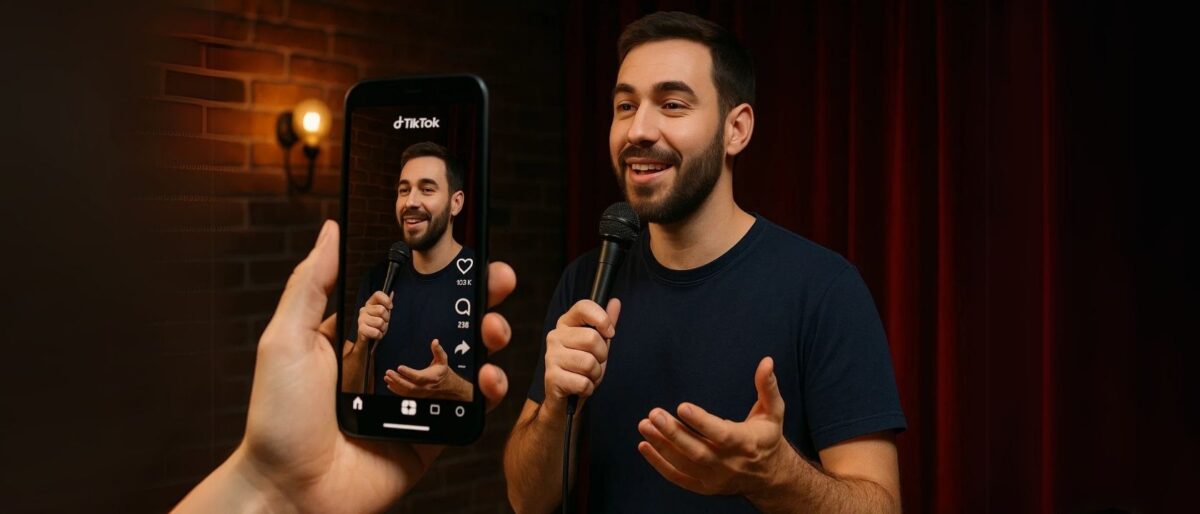
Stand-up comedy isn’t just hitting the stage anymore—it’s hitting your screen, fast and funny. Thanks to TikTok, discovering a new favorite comic now happens with a scroll, not a spotlight. The platform turned punchlines into viral moments, and open mics into algorithms. Let’s explore how it flipped the script.
The Algorithm is the New Open Mic
Picture this: instead of hustling for a 2 a.m. slot in a half-empty comedy club, you post a 15-second bit from your bedroom—and the next morning, a million people are laughing. That’s the TikTok effect. The For You Page has become a never-closing digital comedy club, endlessly rotating acts for an audience that never stops scrolling.
No velvet ropes, no two-drink minimums, no gatekeeping talent scouts. TikTok democratized discovery. Comedians don’t need to beg for stage time or pray for an agent—they just need a phone, a hook, and the guts to post. The app’s algorithm, with its unpredictable magic and mysterious metrics, decides who gets a standing ovation (and who gets scrolled past).
Timing is everything, and TikTok tightened the screws. Comics now have 15 seconds—or less—to deliver a setup and punchline that hooks the crowd. There’s no room for slow burns or long build-ups. The new format favors the quick, the clever, the painfully relatable. Think of it like Twitter with timing, or Vine with a vengeance. Brevity isn’t just the soul of wit—it’s the secret to going viral.
From Giggles to Gigs: TikTok as a Launchpad
TikTok isn’t just a playground for punchlines—it’s a launchpad for full-blown careers. What starts with a laugh in someone’s lunch break can quickly spiral into a Netflix special, a sold-out tour, or a brand collab with serious cash behind it. Comedians aren’t just testing jokes—they’re auditioning for the industry, in real time, with millions watching.
Sarah Cooper took lip-syncing Trump speeches from her living room to late-night TV. Matt Rife built a fanbase one flirty roast at a time, then parlayed viral clips into a massive national tour. Elyse Myers turned awkward anecdotes into an internet persona so magnetic that podcasts, publishers, and platforms all came knocking. These aren’t one-hit wonders—they’re case studies in how a scroll can lead to a standing ovation.
Clips are currency. A well-timed joke, a memorable tag, or a crowd-work zinger can explode overnight, catching the eye of talent scouts, podcast producers, or even Netflix execs. Venues and brands now browse TikTok like it’s a casting call. Forget waiting years to get noticed—comics are getting booked because their videos hit a million views and made people stop mid-scroll and snort-laugh.
In a way, TikTok reversed the ladder. You no longer climb your way to a special. You go viral, and the special finds you.
Audience Evolution: Younger, Faster, Louder
The TikTok crowd isn’t the quiet, polite chuckler nursing a cocktail in the back of a comedy club. They’re younger. They’re faster. They’re louder—with fingers always hovering over the like, comment, and share buttons. And their comedy cravings? Let’s just say they’re more “give me your weirdest thought in six seconds” than “tell me a story with a slow burn.”
This new generation of viewers wants bite-sized, bingeable bits that feel personal. Not polished. Not perfect. Just human. Whether it’s a chaotic dating story or a hot take mid-coffee, relatability reigns supreme. They don’t want a set—they want a vibe. Something casual, honest, maybe a little unhinged.
Longform routines have taken a backseat to quick clips that hit hard. A tight 45-minute set? Cool, but can you deliver a punchline with context in under 20 seconds and make me laugh so hard I send it to four friends? That’s the new test of talent.
And there’s a rising star in all this: crowd work. TikTok loves off-the-cuff moments. Snappy comebacks to hecklers, playful banter with front-row couples, or surprise insights from audience banter now live longer and louder online than entire specials. Improv is thriving—because audiences want to feel like they’re part of the act, not just watching it.
In this scroll-happy era, speed, sincerity, and spark win over polish. Be fast, be real, and if you fumble, make it funny—that’s what keeps them watching.
Comedy in the Comment Section

On TikTok, the joke doesn’t end when the video stops—it often just begins. Scroll down, and you’ll find a second act brewing in the comments. It’s where fans riff, roast, and remix the original joke. The comment section isn’t just chatter—it’s a crowdsourced punchline factory, and everyone’s invited to play.
Think of it as a rowdy open mic with no cover charge. A creator drops a zinger, and the audience jumps in with follow-up jokes, callbacks, or wild one-liners. Some comments rack up more likes than the video itself, blurring the line between performer and crowd. It’s not just a set—it’s a scene.
This dynamic creates a real-time feedback loop. Comedians can instantly see what lines land, what bits bomb, and which jokes are begging for an encore. Instead of waiting for crowd laughs in a club, they’re watching emojis, shares, and savage replies. It’s testing material with data—and the data never sleeps.
And it doesn’t stop there. Memes, duets, and stitches let others build on the bit. A sarcastic video response, a remixed setup, or a new visual twist can spin a joke into a full-blown format. TikTok turned comedy into a collaborative art form—part improv, part internet magic.
The audience is no longer just clapping—they’re co-writing, co-performing, and occasionally, co-stealing the spotlight. And honestly? That’s half the fun.
Challenges of TikTok Comedy
Of course, not everything’s punchlines and followers in the land of TikTok. For comedians chasing digital laughs, the platform’s fast-and-furious pace comes with its own share of headaches—and heartbreaks. Welcome to the side of TikTok comedy that’s a little less funny.
First up: oversaturation. When everyone’s got a mic—or, more accurately, a smartphone—the feed gets crowded. Really crowded. With so many creators posting skits, rants, and reaction videos 24/7, even great content can get buried. And for viewers? It’s easy to feel burned out, endlessly scrolling through the same punchline in a hundred different accents. Too much funny can actually get… not funny.
Then there’s the age-old problem wearing a new face: joke theft. A killer line goes viral, but without context or credit. TikTok’s duet and stitch features can be tools for collaboration—or easy routes to piggyback off someone else’s punchline. And with audiences rarely clicking through to original creators, many comics watch their best material skyrocket… under someone else’s name.
And let’s not forget the one-minute box. TikTok’s short-form style favors quick clips, but that creates a new pressure: always be catchy, always be shareable, always go viral. Comics who excel at longform storytelling, nuanced setups, or layered jokes may struggle to trim their art to fit the app’s attention span. Some even admit to writing jokes based more on the algorithm than on personal style—comedy by constraint, not choice.
So while TikTok can make a career overnight, it can also squeeze it dry. Going viral is great—but staying viral? That’s a whole different game.
Stand-Up Meets Social Strategy
It’s not enough to be funny anymore—you’ve got to be formatted. Today’s comedians are thinking in 9:16 ratios, not just setups and punchlines. TikTok has ushered in a new era where comics aren’t just performers—they’re content strategists. From the way they frame their videos to the font on their captions, every detail matters.
Sets are being rewritten for screens, not stages. A joke that kills in a club might flop on TikTok if it takes too long to get going. Comics now time their punchlines to hit by the seventh second. They crop their clips tight so the viewer sees every expression. They even plan wardrobe and background choices that pop on a 6-inch display. It’s not just delivery—it’s design.
And don’t underestimate the power of thumbnails, captions, and trending sounds. A bold caption might tease a juicy punchline. A trending audio clip can set up an ironic twist. Even choosing the right freeze-frame for the preview can mean the difference between someone watching—or swiping right past. Comedy has become a clickable craft.
Then there’s the bonus content: rehearsals, bloopers, behind-the-scenes chaos. Fans eat it up. A shaky clip of a missed punchline, a messy hotel room rant, or a peek into a late-night writing session adds personality and builds loyalty. It’s not just about polished material—it’s about being relatable, real, and ridiculously online.
The result? Comics are building entire brands, one vertical video at a time. And the smartest ones aren’t just telling jokes—they’re building narratives, communities, and digital stages that never close.
What This Means for the Future of Stand-Up
So, is the classic mic-and-spotlight setup becoming a relic? Not quite. But the role of the live stage is definitely shifting. For some, it’s still the holy grail—the thrill of a crowd, the sweat, the silence before the punchline. For others, it’s starting to feel a bit… nostalgic. After all, why grind through years of club gigs when one viral video can book you a tour?
The boundaries are blurring fast. Today’s comic might post a clip at noon, do a podcast interview by two, and go live with fans before dinner. They’re not just comedians anymore—they’re influencers, content creators, mini-media empires. Social numbers matter as much as stage presence. You could be hilarious, but if your follower count’s flat, bookers might scroll right past.
And TikTok? It’s no longer just a stepping stone—it’s a stage all on its own. Some comedians thrive entirely within the app’s ecosystem, turning likes into merch sales, collaborations, and cult followings. Others use it as a gateway to Netflix, HBO, or sold-out theaters. The platform doesn’t just spotlight talent—it reshapes where that talent goes next.
Stand-up is far from dead. But it’s evolving—morphing into something quicker, stranger, more accessible, and more interactive. The punchline lives on… but it might hit you while you’re brushing your teeth, scrolling TikTok at midnight, headphones in, laughing alone.
Conclusion: Punchlines in Your Pocket
Stand-up comedy hasn’t disappeared—it’s just slipped into your phone. Discovery no longer means stumbling into a dingy club or catching a late-night set on cable. Now, it’s a swipe, a scroll, a tap on the For You Page. Development doesn’t require stage time or sweaty open mics; it happens in bedrooms, parking lots, and on the go. And delivery? It’s instant, global, and looped until the joke lands.
Stand-up has gone mobile, bending to the rhythm of TikTok’s quick cuts and compressed timing. The craft still lives, but the format’s been flipped. Comics are now creators. Laughs are metrics. And feedback arrives in emojis, not applause. Yet, in all this change, one thing’s stayed the same: the hunt for connection through humor.
So the next time you’re thumbing through TikTok, that awkward rant, that clever one-liner, that savage roast—it might just be your new favorite comedian breaking through. And the best part? You’re not just watching the future of comedy—you’re helping shape it, one laugh at a time.