
How to Watch Live Comedy Shows Online in 2026
August 11, 2025
Fever vs TodayTix: Which Event App Is Best?
August 12, 2025How to Read Concert Seating Charts Before You Buy Tickets
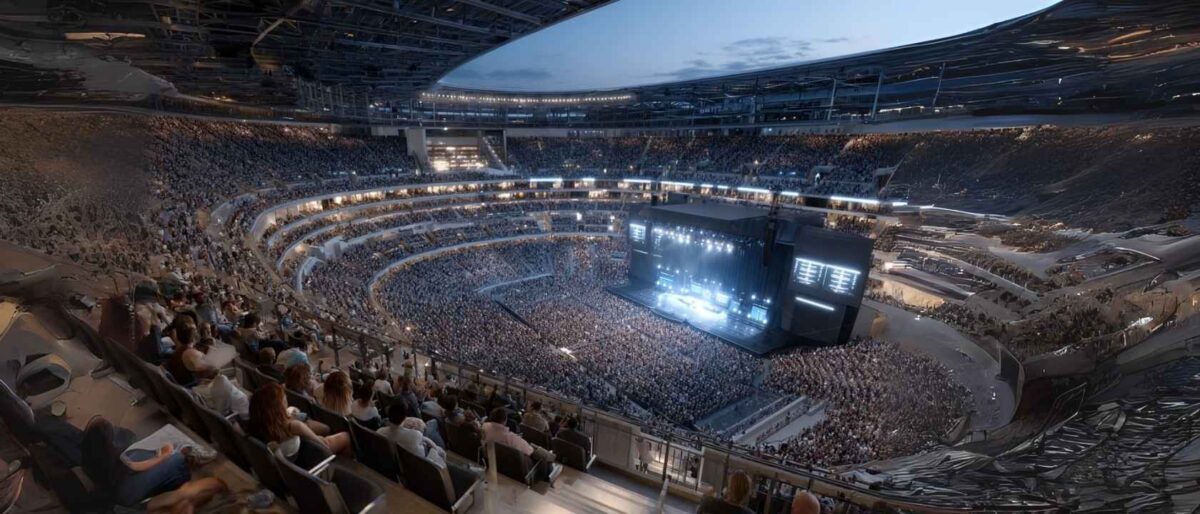
Before you click “buy,” knowing how to read a concert seating chart can be the difference between an unforgettable night and a frustrating view. From stage placement to sound sweet spots, this guide will help you pick the perfect seat for your budget, comfort, and concert vibe.
Why Seating Charts Matter Before Buying Tickets

Seating charts are more than a map. They help you predict your night. Where you sit shapes your view, your comfort, and your sound quality.
A front-row spot can deliver electric energy and eye contact with the artist. It can also bring harsh angles if the stage is tall or audio that feels too loud. A centered mid-level seat often hits the sweet spot with balanced acoustics and a full view of the lighting design.
Consider two fans who each pay $150. One lands behind a support pillar with a restricted view. The other sits in a clear line of sight with crisp sound. Same price, wildly different experiences.
Study the chart before you click “buy.” Confirm stage placement, section angles, and any warnings for obstructions. This quick check helps you lock in the best seat for your budget and your vibe.
Common Types of Concert Venues & Their Layouts
Knowing the type of venue helps you understand how seating charts are designed and what to expect when you arrive. Each layout comes with its own viewing angles, comfort levels, and atmosphere.
Arenas – These indoor, multi-level spaces often feature an end-stage setup, but some concerts use in-the-round configurations where the stage is centered. Multiple tiers mean more options, from floor seats close to the action to upper levels with a broader view.
Stadiums – Built for sports and massive events, stadiums offer huge capacity. Expect floor seating for fans who want proximity, plus lower and upper decks that provide panoramic views. Audio quality can vary based on how far you are from the speakers.
Theaters – More intimate and often designed with sloped seating and balconies. The size and acoustics make them ideal for clear sound and unobstructed views, even from the back rows.
Amphitheaters – Outdoor venues that blend covered seating close to the stage with open-air lawn areas. Covered seats offer better protection from weather and stronger acoustics, while lawns are a relaxed, bring-your-own-blanket experience.
Festival Grounds – Usually open fields with General Admission (GA) zones, VIP pits, and sometimes tiered platforms. Early arrival is key for GA spots, while VIP areas offer premium viewing and perks.
Key Seating Chart Elements to Know
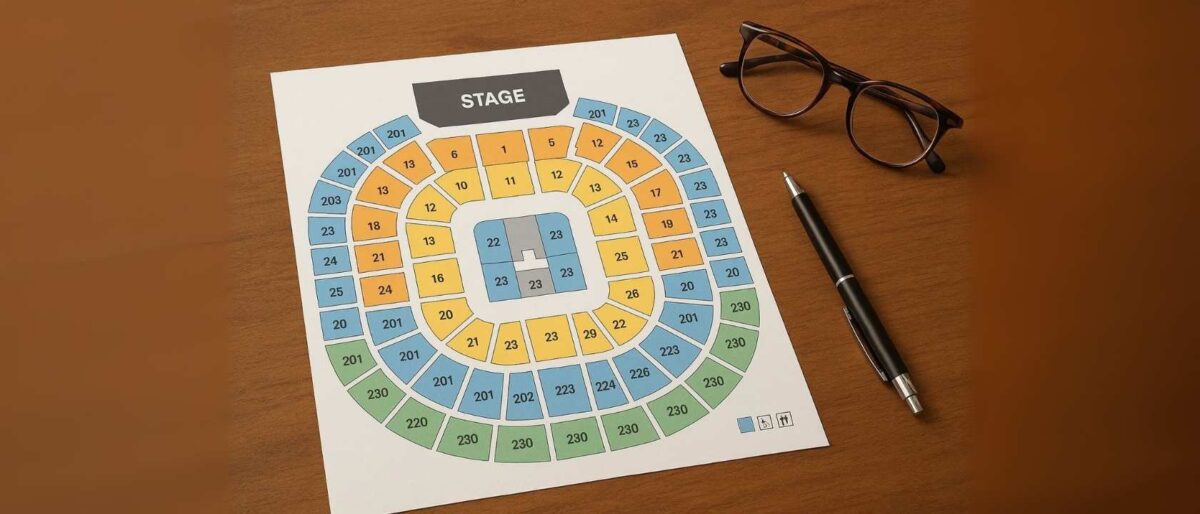
Before buying tickets, it’s important to understand the details shown on a seating chart. These elements can make the difference between an incredible concert experience and a disappointing one.
Stage Placement & Orientation – The chart will show exactly where the stage is and which direction it faces. End-stage setups focus attention one way, while in-the-round stages allow 360° views.
Seat Numbering Systems – Some venues number seats odd on one side, even on the other. Others use sequential numbering across sections. Understanding this helps you know exactly where you’ll sit in relation to the stage.
Price Zones & Color Coding – Many charts highlight ticket price tiers with different colors. Premium areas are often in red or gold, mid-tier in blue or green, and budget sections in lighter shades.
Legend & Symbols – Look for icons showing VIP areas, ADA accessible seating, and obstructed view spots. These are critical for comfort, accessibility, and avoiding unpleasant surprises.
Soundboard Placement – Some charts mark where the soundboard is located. While it can block views in certain cases, sitting near it often means optimal sound quality since the board is positioned where the mix sounds best.
Understanding View & Sightlines
When it comes to concert seating, being close to the stage isn’t always the best choice. Your overall view and sightline quality play a huge role in how much you enjoy the show.
Why Proximity to the Stage Isn’t Everything – Front row might seem ideal, but if you’re too close, you may lose the full visual impact of stage effects or large screens. Mid-range seats often offer a better balance of intimacy and perspective.
Angled vs. Straight-On Views – A direct, straight-on view usually offers the clearest sightlines, but angled seats can be great if they give you a unique perspective and still keep the action visible.
Spotting Potential Obstructions – Seating charts don’t always reveal pillars, railings, or camera equipment that can block your view. Research venue maps and check fan comments to identify trouble spots.
Previewing Views in Advance – Websites like SeatGeek and RateYourSeats often feature fan-uploaded photos from specific seats. This is one of the best ways to see exactly what your view will look like before you commit.
Sound Quality by Seat Location
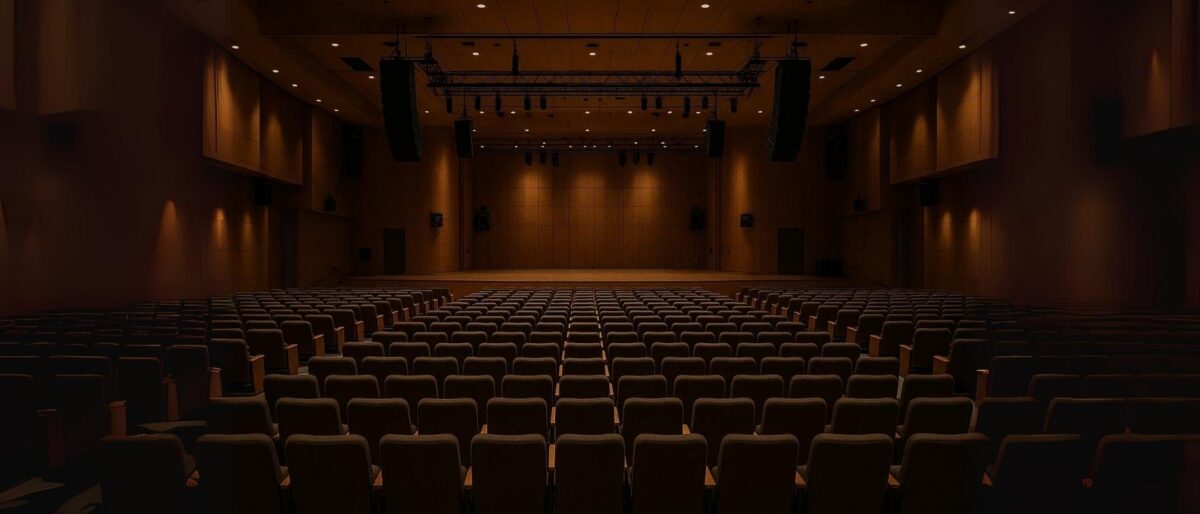
Great visuals are only half the concert experience — sound quality can make or break your night. Knowing how seat location impacts acoustics will help you find the perfect balance.
Why Front Row Isn’t Always the Best Audio – Sitting too close to the stage often means you’re hearing mostly the stage monitors and crowd noise rather than the balanced mix from the main speakers.
Sweet Spots for Acoustics – In arenas, these are often a few sections back from the stage and centered. In theaters, the middle rows typically provide the most balanced and immersive sound.
Bass-Heavy Floor Spots – Standing or sitting near large subwoofers on the floor can result in overpowering bass, which may distort vocals and instrument clarity.
Balancing Visual vs. Sound Preferences – If you want the best audio experience, prioritize being in line with the soundboard. For visual spectacle, aim for slightly closer seats while still staying within the acoustic sweet spot.
Price vs. Value
When buying concert tickets, the most expensive seat isn’t always the best choice. Understanding how price relates to overall experience can help you make smarter decisions and stretch your budget further.
Why the Most Expensive Isn’t Always the Best Seat – Premium front-row tickets can offer bragging rights, but they might sacrifice sound balance or full-stage visuals. Sometimes you’re paying for proximity, not quality.
Mid-Tier Seats with Better Experience – Many fans find that seats a few rows behind the VIP section or slightly off-center provide a clearer view and better sound at a lower price.
Dynamic Pricing Effects – Ticket prices can change based on demand, meaning some great seats may drop in price closer to the event, while others skyrocket early on.
Targeting Less Popular Sections – Look for areas just outside high-demand zones. These often provide a similar view and sound quality but at a fraction of the cost, especially in larger venues.
How to Spot the Best Seats on a Chart

Finding the perfect seat is part art, part strategy. By knowing what to look for on a concert seating chart, you can secure a spot that maximizes your enjoyment.
Front of Lower Bowl – These seats often strike the ideal balance between clear stage views and well-balanced sound, making them a top choice for many fans.
Aisle Seats – Choosing seats on the aisle provides easier access to restrooms, concessions, and a quick exit without disturbing your neighbors.
Avoiding Extreme Side Sections – While they may be cheaper, far-side seats can limit your view of the stage setup, especially if there are large video screens or props.
Using Filters – Many ticketing sites let you filter for specific sections, price ranges, or seat types, helping you quickly hide undesirable options and focus on the best picks.
Common Mistakes When Reading Seating Charts
Even experienced concert-goers can misread a seating chart, leading to disappointing views or unexpected surprises. Avoid these common pitfalls when picking your seats.
Misunderstanding Stage Orientation – Always double-check the stage location and layout. Some charts are rotated or use a non-traditional setup, which can make “center” seats less ideal than expected.
Overlooking ADA Sections – If you or your companions have mobility needs, be sure to look for ADA-accessible sections. Missing this detail can result in uncomfortable or inaccessible seating.
Ignoring Obstructed View Warnings – Those small notes on a chart matter. Pillars, railings, or sound equipment can block your view, even in otherwise premium sections.
Assuming “Row 1” Means Closest to the Stage – In many venues, lower levels and pits have their own numbering, meaning “Row 1” in a certain section could still be far from the stage.
Tips for Different Types of Fans

Not every concertgoer has the same priorities, so your seating choice should reflect your personal preferences, budget, and comfort needs. Here’s how different types of fans can make the most of a seating chart.
Superfans – If being as close as possible to the artist matters most, front-row or pit tickets deliver unmatched energy. These come at a premium price but offer an unforgettable, up-close experience.
Casual Listeners – Aim for middle-tier seats that balance comfort, sound quality, and price. You’ll still enjoy a great view without spending top dollar.
Families with Kids – Look for sections with quick access to exits, restrooms, and concessions. Elevated seats offer good visibility while avoiding the intense volume of floor spots.
Budget Hunters – High seats in upper levels can still offer great angles, especially in well-designed arenas or theaters. Use the savings for merch or post-show activities.
How to Compare Multiple Seating Charts
Not all seating charts are created equal, and comparing versions from different sources can help you make the best decision before buying tickets.
Cross-Checking Between Ticketmaster, AXS, and Venue Sites – Each platform may display a slightly different chart, sometimes with more detailed pricing zones or updated seat availability. Reviewing multiple sources ensures you don’t miss better options.
Using Interactive Charts to Zoom In – Many ticketing platforms allow you to hover over sections, see seat numbers, and even preview the view. This is especially useful for spotting potential obstructions or confirming proximity to amenities.
Watching for Differences Between Presale and General Public Layouts – Early presale maps may hide certain sections reserved for sponsors or fan clubs. These areas sometimes open during general sales, so re-check the chart when tickets are widely released.
Tools & Resources for Pre-Show Research

Doing a little homework before purchasing your tickets can make a big difference in your concert experience. Here are some of the most helpful tools and resources to guide your choice:
Websites/Apps for Seat Reviews – Platforms like RateYourSeats and A View From My Seat feature user-uploaded photos and honest opinions on sightlines, comfort, and sound quality from specific seats.
YouTube Walk-Throughs of Venues – Many fans post video tours showing views from multiple sections, helping you visualize what the performance will look like from different spots in the venue.
Reddit Fan Recommendations – Subreddits dedicated to concerts or specific artists often share seating advice, hidden gems, and warnings about bad spots.
Official Venue 3D Seat Views – Some venues provide interactive 3D maps on their websites, allowing you to virtually “sit” in your seat and preview the stage view before buying.
Final Pre-Purchase Checklist
Before you click that “buy” button, take a moment to run through this quick checklist to ensure you’re getting the best seat for your money and the experience you want:
- Confirm stage placement – Make sure you know exactly where the stage will be located for your event. Some tours use different configurations, and this can greatly affect your view.
- Double-check seat numbers and section – Verify you’re in the section you want and that your seat numbers are together if you’re going with others.
- Look for “View From Seat” options – Many platforms offer previews so you can see what the stage looks like from your seat before you commit.
- Compare ticket prices for the same section on multiple platforms – Check different ticket sellers to see if you can get the same view for less.
Closing Thoughts
Reading concert seating charts carefully can make the difference between an unforgettable night and a frustrating experience. By combining visual aids, fan reviews, and interactive charts, you’ll be able to choose seats that truly match your preferences. Remember—spending a few extra minutes on research now can save you from disappointment later and help you enjoy every moment of the show.