Indoor vs Outdoor Concerts: Which One Is Better for You?
August 14, 2025
The Worst Seats to Avoid at a Broadway Show (And Why)
August 14, 2025Are Concerts Too Loud? How to Protect Your Hearing
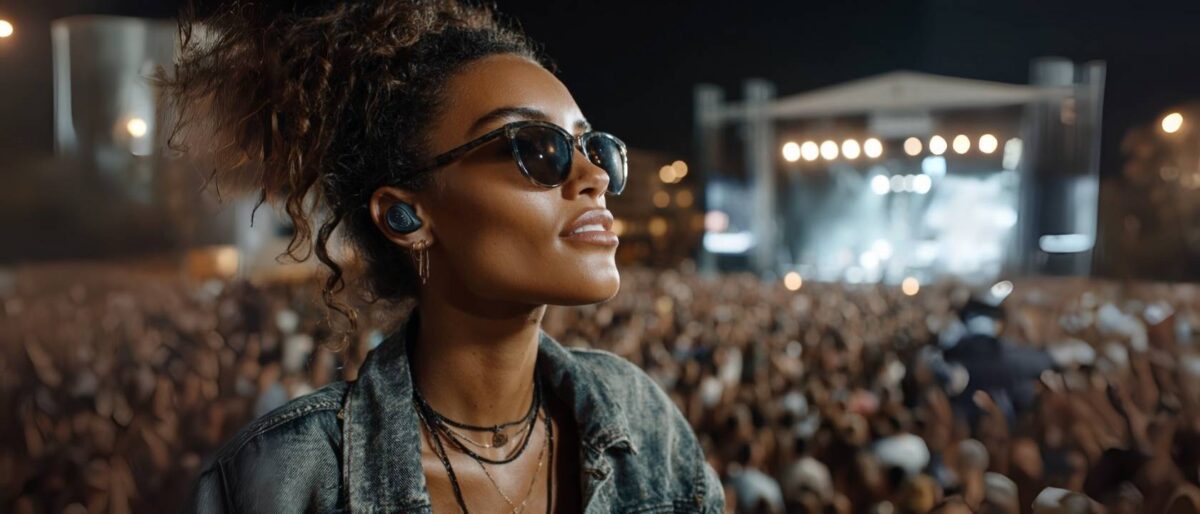
Ever left a concert with your ears ringing? That lingering buzz isn’t just part of the fun — it’s a warning sign. Concerts often push volume past safe limits, putting your hearing at risk. Here’s why shows get so loud and smart ways to protect your ears without killing the vibe.
Why Concerts Are So Loud
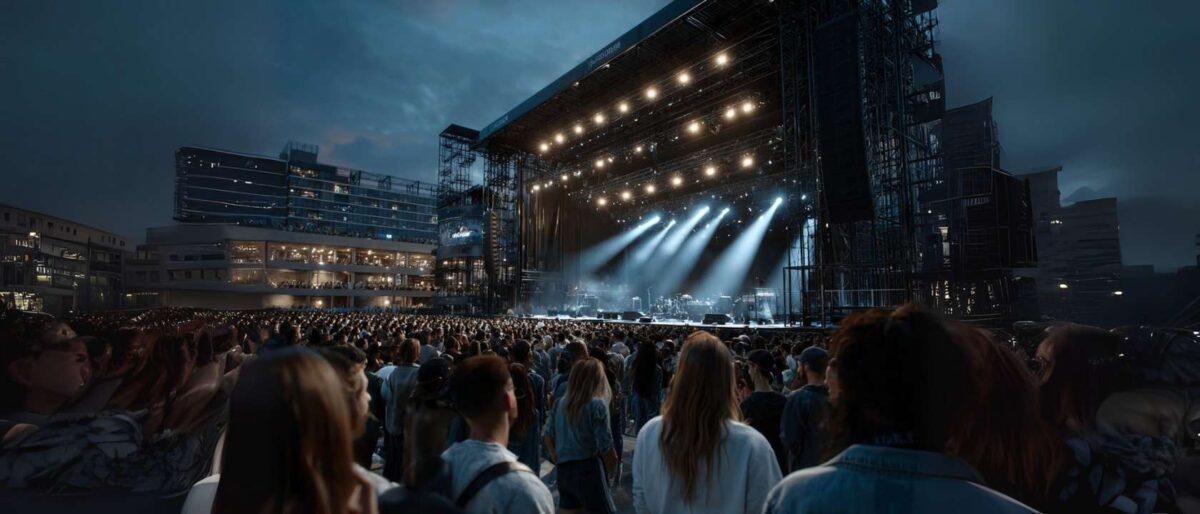
Concerts are built to be an immersive, all-encompassing experience, and that starts with the sound. Large venues use massive speaker arrays and powerful subwoofers to fill every corner with music, from the floor to the farthest balcony. Sound engineers design the setup so the mix stays clear and impactful no matter where you’re standing. Genre plays a big role, too — rock, metal, and EDM often aim for chest-thumping bass and high energy, while acoustic or classical performances typically keep things gentler. Many artists and engineers intentionally push the volume to heighten excitement, making each beat and lyric hit harder. On top of that, the crowd itself adds to the noise level. Cheering, singing along, and clapping can be surprisingly loud, so the music is amplified to rise above the audience, ensuring the performance stays front and center.
How Loud is Too Loud?
Sound is measured in decibels (dB), a scale that increases exponentially — meaning a small jump in number equals a big jump in intensity. At around 60 dB, you’re hearing normal conversation. Concerts, however, often range between 95 and 120 dB, depending on the genre, venue size, and sound setup. According to the National Institute for Occupational Safety and Health (NIOSH) and the World Health Organization (WHO), safe listening is limited to about 85 dB for eight hours. Once you hit 100 dB, safe exposure time drops to roughly 15 minutes before the risk of permanent hearing damage increases. At the upper end of concert levels, damage can occur even faster, which is why protecting your ears is essential if you want to keep enjoying live music for years to come.
The Science of Hearing Damage
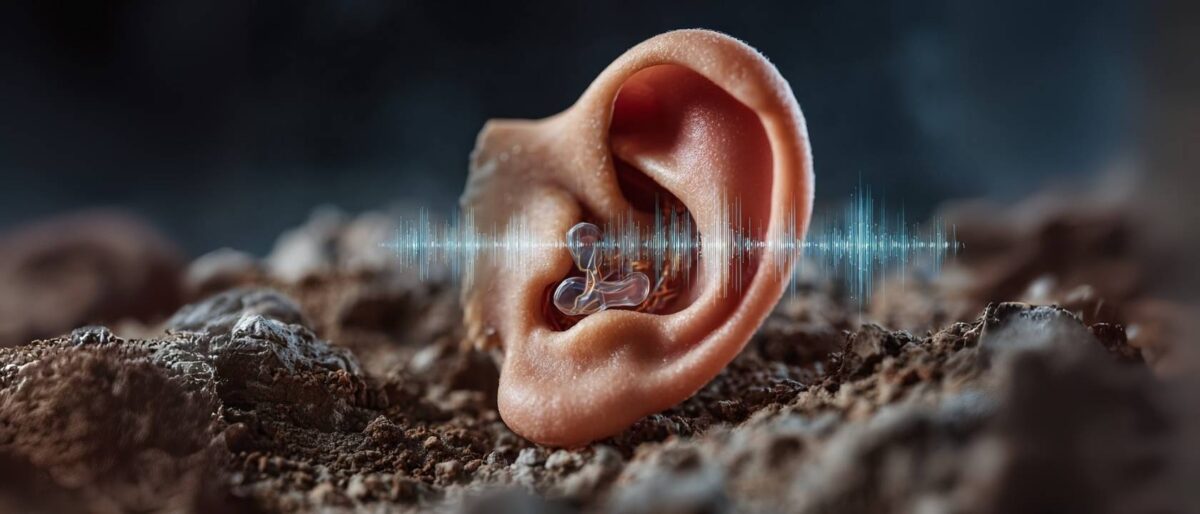
Your ear is a finely tuned system made up of the outer ear, middle ear, and inner ear. In the inner ear, the cochlea — a fluid-filled spiral — contains thousands of tiny hair cells that convert sound vibrations into electrical signals for the auditory nerve to send to your brain. When exposed to high volumes, these delicate hair cells can bend or break. A common short-term effect is a temporary threshold shift, where you experience ringing (known as tinnitus) and muffled hearing after a loud event. While this may fade within hours or days, repeated exposure can cause cumulative damage, leading to permanent hearing loss as hair cells do not regenerate. Tinnitus can become chronic, producing constant ringing, buzzing, or hissing in the ears. It’s a frequent issue for musicians and regular concertgoers, often signaling long-term damage that can affect both hearing clarity and quality of life.
Recognizing Warning Signs
Your ears often tell you when they’ve had enough, and it’s important to listen. One of the most common red flags is ringing in your ears after a concert — a sign your hearing system has been stressed. If you find yourself needing to shout to communicate during or right after the show, that’s another indicator the volume has pushed past safe levels. Experiencing muffled hearing that lasts more than 24 hours suggests your ears are struggling to recover and may have sustained damage. You might also notice increased sensitivity to everyday sounds, where normal noises suddenly feel uncomfortably loud or sharp. These symptoms should never be ignored, as they can point to the early stages of hearing loss or tinnitus, conditions that are easier to manage when addressed promptly.
How to Protect Your Hearing Without Ruining the Experience
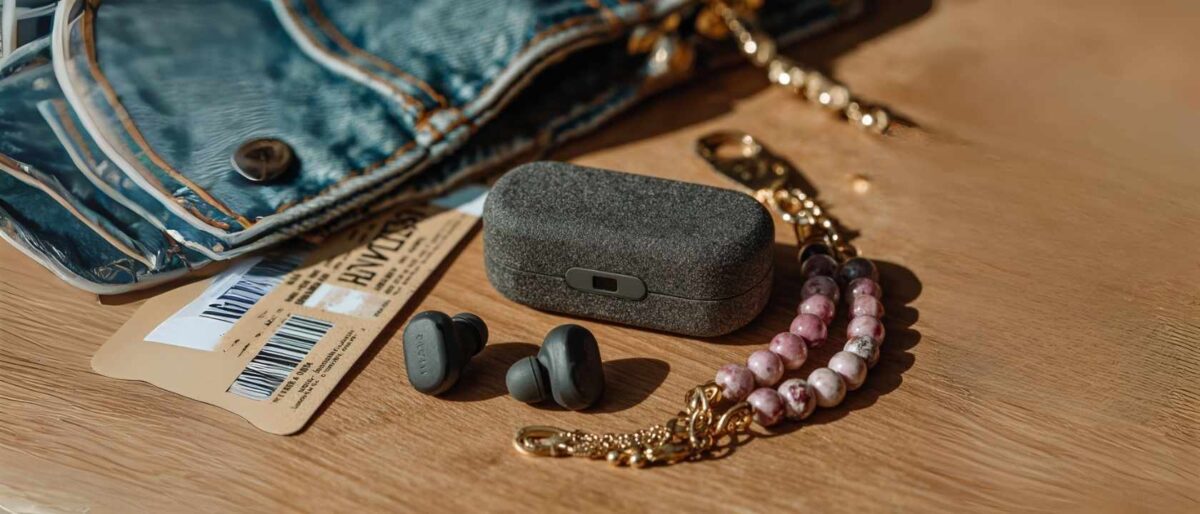
Use Ear Protection
The easiest and most effective way to safeguard your ears is by wearing ear protection. Foam plugs are inexpensive and widely available, but they can muffle the sound unevenly. High-fidelity musician’s plugs are designed to reduce volume while keeping music clear and balanced, making them a favorite among regular concertgoers. For the best fit and comfort, custom-molded earplugs are available through audiologists. You can find quality options at music stores, online retailers, and even some venue merch stands. Always insert them properly for full protection.
Be Strategic About Where You Stand or Sit
Where you position yourself can make a big difference. Avoid standing directly in front of speaker stacks or within the main blast zone. Instead, aim for a spot in the middle of the venue or slightly elevated areas where sound is more evenly distributed and less intense.
Take Quiet Breaks
During long concerts or festivals, give your ears a breather. Step outside, head to the lobby, or find a quieter corner between sets. Even short breaks can help your hearing recover and reduce the cumulative impact of loud volumes.
Limit Frequency of Exposure
Space out your high-volume events so your ears have time to recover between shows. If you’re attending multiple concerts or festivals in a short period, use a noise exposure calculator to gauge safe listening time and adjust accordingly. Protecting your hearing now means you can enjoy live music for many years to come.
Special Considerations for Kids
Children’s ears are more delicate than those of adults, making them more vulnerable to noise-induced damage. Because their auditory systems are still developing, experts recommend even stricter volume limits — ideally keeping exposure below 80–85 dB for extended listening. At concerts, this is rarely the case, so extra precautions are a must. Earmuff-style hearing protection is the best option for young attendees, as it fully covers the ear and provides consistent noise reduction without relying on a perfect ear canal fit. These muffs come in kid-friendly sizes and colors, making them more comfortable and less likely to be removed mid-show. Whether you’re taking your child to their first outdoor festival or a seated indoor performance, proper hearing protection ensures they can enjoy the music safely and develop a lifelong love for live events without early hearing issues.
Myths About Loud Music and Hearing Loss

There are a few persistent myths that keep people from protecting their hearing at concerts. One is the belief that “it’s only dangerous if it hurts”. In reality, hearing damage can occur without pain — by the time you feel discomfort, harm has often already been done. Another common misconception is “earplugs ruin the music”. While cheap foam plugs can distort sound, high-fidelity options lower volume evenly across frequencies, keeping the music clear and enjoyable. Finally, the idea that “you get used to it” is misleading. What’s really happening is that you’re losing sensitivity due to repeated damage, not adapting in a healthy way. Understanding these truths can help you make smarter choices to protect your hearing while still enjoying every beat.
The Role of Venues and Regulations
Sound level regulations vary widely by country, state, and even city. Some regions enforce strict limits, such as capping indoor events at 100 dB and outdoor shows at slightly higher thresholds, while others have minimal oversight. Responsible venues often monitor volume in real time using decibel meters, adjusting levels to stay within safety guidelines without sacrificing sound quality. This approach helps protect audiences, staff, and performers from unnecessary risk. Still, the conversation isn’t without controversy — some artists argue that strict limits can dilute the intended impact of their performance, while public health advocates emphasize the importance of preventing irreversible hearing damage. Striking the right balance between artistic expression and audience safety remains an ongoing challenge in the live music industry.
Protecting Musicians and Crew

While audiences face occasional bursts of high-volume music, musicians and crew members are exposed night after night, making hearing protection even more critical. Many performers now use in-ear monitors, which deliver a clear mix directly to their ears at a safer, controlled volume, reducing reliance on loud stage monitors. For crew members working near speakers or on stage, rotating shifts can help limit continuous exposure to harmful decibel levels. Education is equally important — training staff and artists on the risks of prolonged noise exposure, proper use of hearing protection, and safe sound practices ensures that everyone in the production can continue working in live music without sacrificing long-term hearing health.
Conclusion
Concerts are often loud enough to cause lasting hearing damage, even after just one event. Taking proactive steps like using ear protection, choosing your spot wisely, and giving your ears time to rest can make all the difference. Safeguarding your hearing now means you can enjoy more shows in the future — with the music ringing in your heart, not in your ears.