
What Are Flash Sales for Tickets (And How to Find Them)
August 27, 2025
How Musicals Influence Culture, Politics & Storytelling
August 27, 2025How to Contact the Box Office for Help With Your Tickets
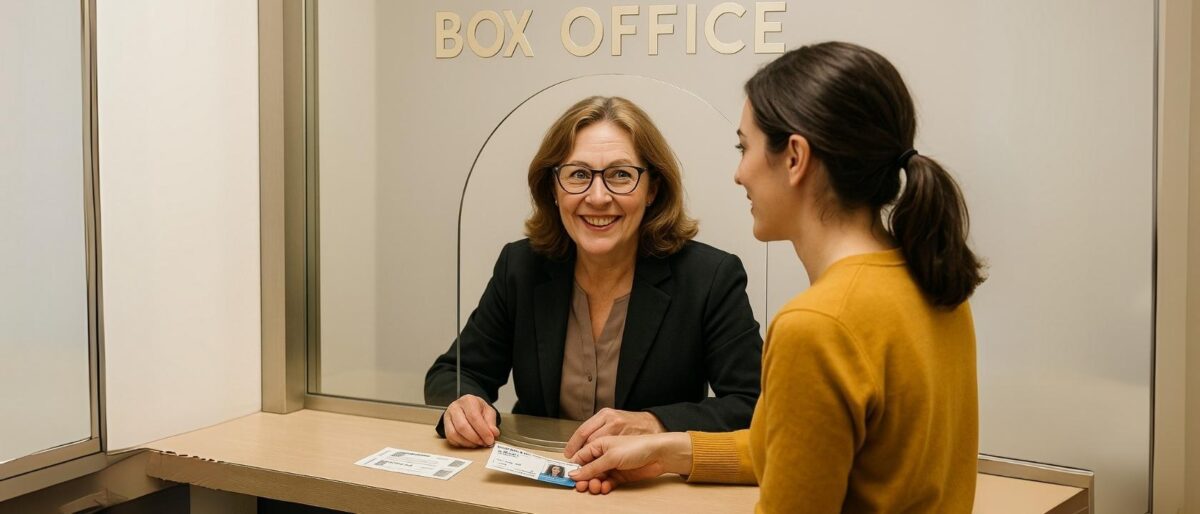
The box office is your direct line for ticket help—whether you lost a seat, need accessibility assistance, or have questions about entry rules. Clear communication makes all the difference. From phone calls to emails, knowing when and how to contact the box office saves stress and salvages your night.
When Should You Contact the Box Office?

Not every ticket hiccup needs a frantic call, but some situations are best solved directly by the box office. They’re the official gatekeepers and can often resolve problems faster than third-party platforms. If you’re unsure, these are the moments when reaching out is the smart move.
Lost, stolen, or never-received tickets: If your tickets went missing in the mail, never hit your inbox, or were accidentally deleted from your phone, the box office can usually resend or reprint them. Showing ID and proof of purchase often clears things up.
Questions about seating, accessibility, or upgrades: Wondering if your aisle seat request was honored, or if accessible seating is available? The box office staff can confirm details and help you adjust your reservation when possible. They also know if upgrades are available for an additional cost.
Issues with ticket platforms: Online systems occasionally misfire—a promo code might not apply, or you may realize you booked the wrong date. The box office can sometimes correct errors or at least guide you to the right support team.
Confirming show policies: Unsure about late seating rules, bag checks, or how to pick up will call tickets? Contacting the box office ahead of time saves last-minute stress at the doors.
In short, if the problem affects your ability to enter, sit comfortably, or use your ticket as intended, the box office should be your first call.
How to Find Box Office Contact Information
When trouble strikes, the last thing you want is wasting time hunting for the right phone number or email. The good news is that box office contact details are usually easy to track down if you know where to look. Staying with official sources is key to getting real help.
Check the official venue or theater website: Most venues list box office phone numbers, email addresses, and opening hours right on their homepage or in a dedicated “Contact” section. This should be your first stop for accurate information.
Review your confirmation email or receipt: Ticket confirmations often include direct contact details for the box office. Dig into the fine print—you’ll usually find a phone number or email specifically for customer support.
Use ticketing platforms: Companies like Ticketmaster, Telecharge, or TodayTix often provide venue contacts within your order details. While they handle sales, they typically direct ticket holders to the box office for event-day issues or seating questions.
Avoid unofficial sites: Be cautious of random search results or third-party sites promising “customer service.” Many are scams. Always stick to the official venue or authorized ticketing platforms to make sure you’re speaking with someone who can truly help.
By relying on verified sources, you’ll save time, avoid fraud, and get connected to the people who can actually solve your ticket issues.
Ways to Reach the Box Office

The box office is more accessible than ever, offering several ways to get in touch depending on the urgency of your situation. Choosing the right method can save you time and frustration, especially when you’re dealing with event-day stress.
Phone calls: For urgent issues, nothing beats picking up the phone. If your tickets haven’t arrived or you’re stuck outside the venue, calling the box office connects you directly to staff who can act quickly. This is the go-to option on the day of the show.
Email: When your concern isn’t immediate, email works best. It provides a written record of your request and the response, which can be useful if you need to reference details later. Expect a slower turnaround, especially during peak performance hours.
In-person visits: If the venue is nearby, walking up to the box office window can resolve pickup or ticketing issues efficiently. Showing your ID and purchase confirmation in person often clears up confusion faster than back-and-forth messages.
Live chat or social media: Some modern venues and ticketing platforms now support live chat or even direct messaging via Facebook, Twitter, or Instagram. These channels are handy for quick clarifications, though availability varies by venue.
Pick the method that matches your urgency. For same-day problems, call or visit. For planning ahead, email or digital chat works well. The goal is fast, clear communication with the people who can fix the issue.
What Information to Have Ready Before Contacting
When you reach out to the box office, having the right details at hand makes the process smoother and quicker. Staff handle dozens of calls and emails daily, so the clearer your information, the faster they can verify your purchase and solve your problem. Think of it as showing your “ticket ID.”
Full name and order number: This is usually the first thing you’ll be asked. It helps the staff locate your purchase instantly in their system.
Event name, date, and venue: Be specific. If you say “Hamilton,” but the theater is hosting multiple productions, staff need exact details to pull up the correct booking.
Seat location or ticket type: Section, row, and seat numbers (if assigned) or whether you purchased general admission can help confirm your ticket faster.
Payment method used: Sometimes your credit card, PayPal account, or other payment details are needed to verify the purchase. Having this ready speeds up the process.
Any confirmation emails or receipts: Screenshots or forwarded receipts provide proof in case of system glitches. These documents also list transaction IDs that are invaluable for staff troubleshooting.
By preparing these details before you call, email, or show up, you’ll reduce back-and-forth and give the box office the tools to help you quickly and effectively.
Tips for Effective Communication With the Box Office

How you approach the box office can shape the outcome. Staff juggle dozens of requests daily, so the way you frame your issue matters. Clear, respectful communication makes it easier for them to help you quickly and thoroughly.
Be polite and concise: Courtesy goes a long way. Skip long stories or unnecessary details, and stick to the essentials. A calm tone shows respect for their time and helps your request stand out in a positive way.
State the problem clearly: Explain your situation upfront with all the details that matter: event name, date, order number, and issue. The more precise you are, the less back-and-forth is needed.
Keep records when calling: If you speak by phone, jot down the time, date, and the name of the person you reached. Having a record protects you if you need to follow up or reference the conversation later.
Be patient during peak times: On show days or during major events, box offices are slammed. Expect longer waits and know the staff are doing their best to serve everyone. Patience paired with preparedness often gets you the solution you need.
Approach the box office like a partner, not an obstacle. With kindness, clarity, and a little patience, you’re far more likely to walk away with your issue resolved.
Common Issues the Box Office Can Resolve
The box office exists to make sure ticket holders can enjoy the event without unnecessary stress. While they can’t solve every problem, there’s a long list of common issues they’re equipped to handle quickly and efficiently. Knowing what they can fix helps you approach them with the right expectations.
Resending or reprinting tickets: If your digital tickets never arrived, got deleted, or your paper tickets were misplaced, the box office can usually resend them to your email or reprint at will call. A valid ID and proof of purchase are typically required.
Correcting seat errors: Sometimes a mix-up occurs—wrong row, missing aisle request, or double-booked seats. The box office can adjust assignments where possible or move you to comparable seating so you’re not left scrambling.
ADA or accessibility requests: If you need accessible seating or companion tickets, the box office is the best point of contact. They can relocate you into compliant seats if available, often more efficiently than third-party sellers.
Refunds, exchanges, or credits: While not every show allows them, the box office can clarify policies and process approved requests. They’ll tell you whether an exchange for a new date or a credit toward future shows is possible.
Venue-specific rules: Every theater, arena, or comedy club has its own entry policies—things like late seating, bag size restrictions, or minimum age. The box office provides accurate answers so you’re not surprised at the door.
In short, the box office is your go-to problem solver for tickets, seats, and event-day logistics. They’re there to help you get in, get settled, and enjoy the show.
What the Box Office Usually Cannot Do

While the box office is the official and most reliable source for help, there are limits to what they can handle. Knowing those boundaries keeps expectations realistic and saves you frustration when a request falls outside their control.
They can’t override promoter or platform rules: Many policies—such as “no refunds” or restricted exchanges—are set by event organizers or ticketing companies. The box office staff must follow those rules, even if they’d like to help.
No guaranteed refunds on non-refundable tickets: If your ticket was sold as “final sale,” the box office cannot simply hand back your money. They may explain alternatives, like credits or resale options, but refunds are rarely granted outside policy exceptions.
No free upgrades to premium seating: Asking to move from balcony to orchestra or from nosebleeds to VIP at no cost usually isn’t possible. The box office can sometimes help with paid upgrades if seats are open, but complimentary upgrades are rare.
They don’t handle secondary market disputes: If you bought tickets through resale platforms like StubHub or SeatGeek, the box office cannot resolve issues like fake tickets, incorrect listings, or pricing complaints. In those cases, you’ll need to work directly with the resale company.
Think of the box office as your ally within certain boundaries. They’ll do what they can, but some decisions are locked by bigger policies or outside platforms. Understanding this makes every interaction smoother and more productive.
Best Practices for Day-of-Show Assistance
The day of a show can feel hectic, especially if you’re dealing with ticket problems. A little preparation makes it easier to get help from the box office quickly so you don’t miss a moment of the performance.
Arrive early: If you suspect there might be an issue—missing tickets, a name mismatch, or accessibility needs—plan to get to the venue ahead of the crowd. Extra time means less pressure and gives staff space to resolve your problem before the lights go down.
Bring ID and your purchase card: The fastest way for the box office to confirm your purchase is by matching it to a government-issued ID and the credit card used at checkout. Having both ready saves you from delays and backtracking.
Head straight to will call or customer service: Don’t waste time wandering through long entry lines if you need assistance. The dedicated window is designed for ticket problems and special pickups, and staff there are trained to handle these situations efficiently.
Stay calm and respectful: Stress levels are often high before a big event, but keeping your cool pays off. Staff are more inclined to go the extra mile for guests who are polite, patient, and prepared with the right documents.
With a little planning and the right attitude, day-of-show issues can be solved smoothly, letting you focus on what you came for—the performance, not the paperwork.
Alternatives if the Box Office Cannot Help

Sometimes the box office isn’t able to solve your issue, especially if policies are locked by promoters or the problem ties back to how the ticket was purchased. In those cases, you still have a few strong alternatives to pursue.
Contact the ticketing platform directly: If you bought through Ticketmaster, Telecharge, TodayTix, or another authorized seller, reach out to their customer support team. They can often handle billing errors, resend digital tickets, or walk you through exchange and refund policies that the box office can’t override.
Call your credit card provider: If the situation involves a clear mistake or fraud—such as being charged twice or never receiving valid tickets—your credit card company may step in. Filing a dispute is usually a last resort, but it provides an extra layer of protection when other channels fail.
Use ticket insurance: If you purchased insurance with your order, check whether your situation qualifies. Many policies cover illness, travel delays, or emergencies, but not simple change-of-mind cases. Filing a claim with documentation could help you recover the ticket cost even when the box office cannot refund you.
While the box office is your first and best contact, these alternatives give you backup paths to explore so you don’t feel stuck with a problem that seems unsolvable.
How to Avoid Future Box Office Problems
The best way to handle ticket headaches is to stop them before they start. A few simple habits can prevent most of the issues that push people to the box office in the first place. Think of it as building a safety net for your night out.
Always purchase through official sources: Stick to the venue’s box office or trusted platforms like Ticketmaster, Telecharge, or TodayTix. Third-party sellers can’t always guarantee validity, and the box office may not be able to help if the ticket isn’t from an authorized source.
Double-check event details: Before clicking “buy,” confirm the date, time, and venue. A quick review saves you from the stress of showing up on the wrong night or at the wrong theater.
Save confirmation emails and screenshots: Keep all purchase confirmations handy. Screenshots of receipts or QR codes can serve as proof if something gets lost or fails to load later.
Use mobile tickets stored in your phone wallet: Adding tickets to Apple Wallet or Google Wallet ensures they’re ready even if you lose service or your email app glitches. It’s a small step that prevents a big scramble at the door.
Sign up for venue alerts: Many theaters and arenas send updates about entry rules, last-minute changes, or policy reminders. These notifications keep you one step ahead and minimize surprises on show day.
By adopting these habits, you’ll spend less time at the box office window and more time enjoying the performance you paid for.
Conclusion
The box office isn’t just a window with tickets—it’s your strongest ally when something goes wrong. Whether you’ve lost access to your seats, need clarification on policies, or simply want peace of mind, the staff are there to help get you through the doors.
Preparation matters. Having your order details ready, speaking clearly, and treating staff with respect all increase the odds of walking away with a solution. Even when they can’t bend every rule, a proactive and polite approach often makes the process smoother and less stressful.
At the end of the day, ticket problems don’t have to derail your plans. With the right information, a calm mindset, and a little patience, small hiccups stay small—and you can focus on what you came for: an enjoyable night out filled with music, laughter, or drama.