What Is Roast Comedy? The Art of Insults and Laughter
August 28, 2025
What to Do If You Lost Your Concert or Show Ticket: Quick Solutions
August 28, 2025What Happens If You Walk Out of a Comedy Show? Etiquette & Consequences
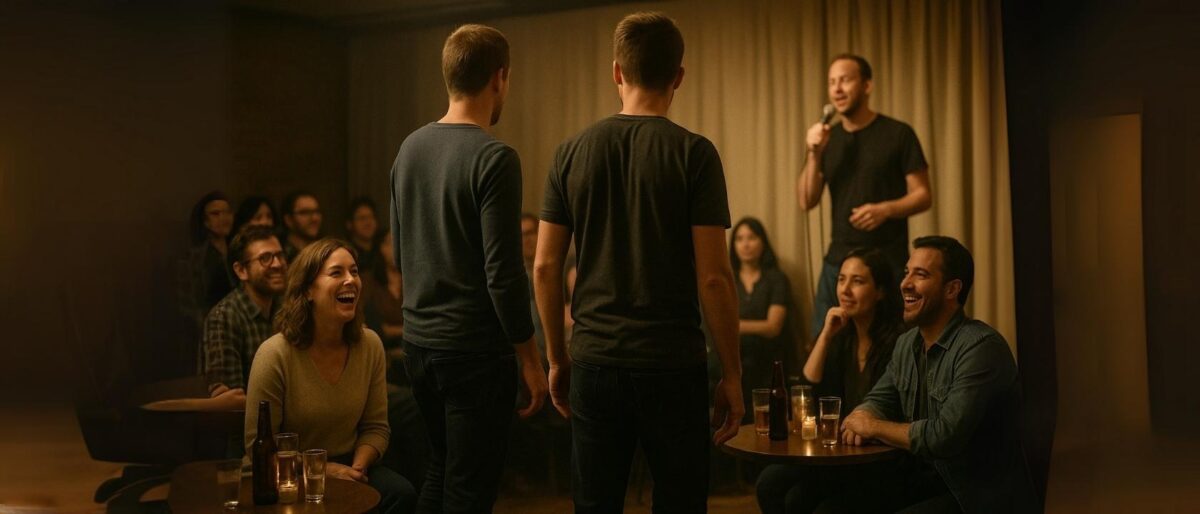
Leaving a comedy show mid-set can feel like sneaking out of a party before the cake’s cut. Sometimes the jokes don’t land, sometimes life calls. But what really happens when you walk out—awkward stares, comedian reactions, or nothing at all? Let’s unpack the possibilities.
Common Reasons People Walk Out
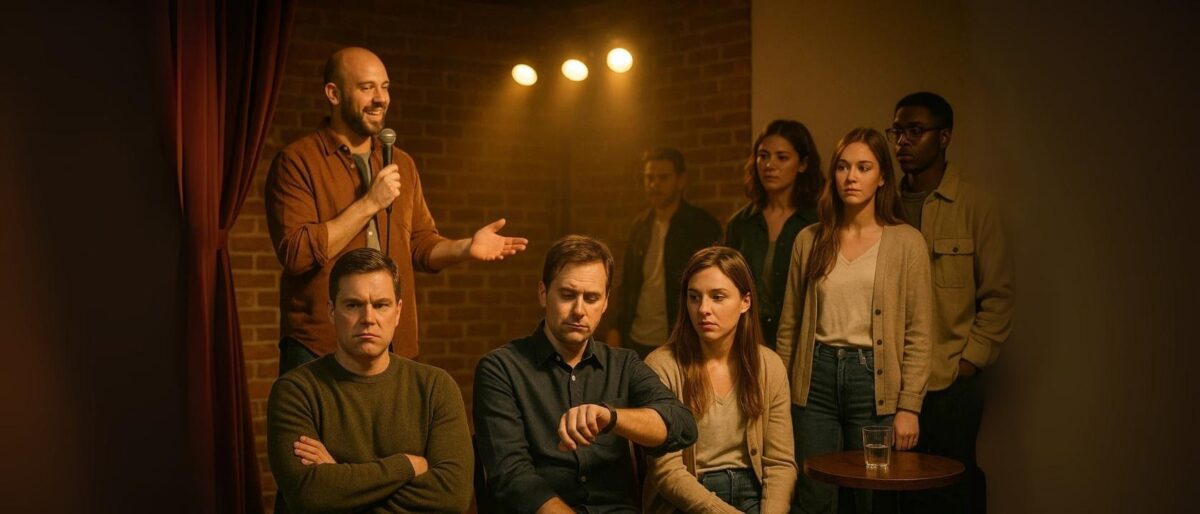
Walking out of a comedy show doesn’t always mean the crowd is hostile—it usually comes down to personal circumstance. One of the most common reasons is offense. Comedy often pushes boundaries, and some jokes about politics, race, or personal topics may cross a line for certain audience members. When that happens, a quiet exit can feel like the only option.
Other times, the issue is disappointment. Not every comedian’s style resonates with every person. If the punchlines aren’t landing, the pacing feels off, or the humor simply isn’t connecting, audience members may decide their time is better spent elsewhere.
Practical reasons also play a role. Late-night sets can run long, and someone with work the next morning may slip out before the closer. Emergencies—like a babysitter calling or sudden discomfort—are another straightforward cause. Health, anxiety, or even a noisy table nearby can make sitting through the rest of a show unpleasant.
Sometimes, the decision isn’t individual at all. Groups often move together, and if one person suggests leaving, the others may follow to avoid splitting up. Whether it’s offense, boredom, timing, or circumstances, most walkouts are less about protest and more about personal choice.
Audience Etiquette and Social Perception
Exiting a comedy show mid-performance is rarely invisible. Other audience members often notice, and reactions can vary. Some may sympathize, assuming you had a personal reason for leaving. Others might see it as a statement—that you didn’t enjoy the jokes or felt uncomfortable with the material.
Walking out does disrupt the flow, even in larger venues. Comedy clubs are designed for intimacy, so movement stands out. The shuffle of chairs, the glow of a phone light, or footsteps across a small room can pull attention away from the stage. In that moment, the performer, audience, and staff are all aware of the interruption.
For the comedian, a walkout can be perceived as disrespect. They’re trained to read the room, and people leaving mid-set is hard to miss. Even if you intended no insult, your exit may feel like a silent critique. Some comedians shrug it off, while others comment on it directly, folding the situation into their act.
The impact also depends on how you leave. A quiet, discreet exit at a natural pause is often brushed off. But if you stand up loudly, make a remark, or bring a group with you in the middle of a punchline, it becomes a scene. That shift in perception—from neutral to disruptive—can shape how your exit is remembered.
Comedian Reactions
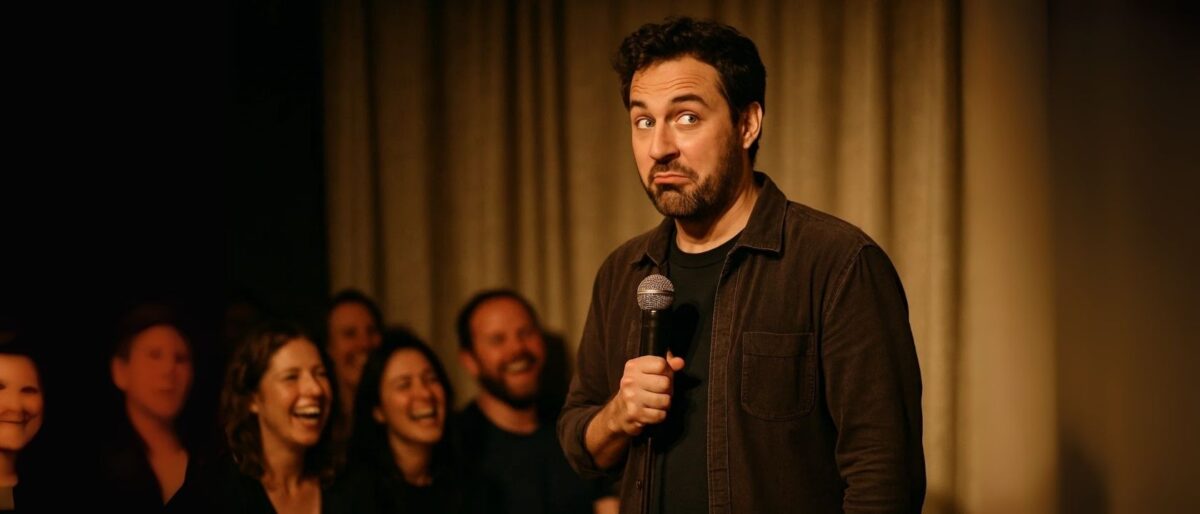
Comedians are trained to read a room, so a walkout rarely goes unnoticed. In small venues, where the crowd is close and the lighting intimate, a single empty chair or shuffling figure can stand out like a spotlight. Even in larger theaters, performers with sharp awareness often catch exits happening mid-set.
Reactions vary. Some comedians choose to acknowledge a walkout playfully, tossing in a quick one-liner that turns the moment into part of the act. Others prefer to ignore it altogether, staying locked into their rhythm and material. A third group leans into improvisation, weaving the walkout into ongoing jokes to keep the crowd engaged. The best comedians use it as fuel, showing quick wit while keeping the audience laughing.
Not every comic handles it the same way, though. Some thrive on unpredictability and treat walkouts like an opportunity for banter. Others lose their rhythm, with the disruption knocking them off balance. The difference often lies in experience—veteran comedians tend to recover more smoothly.
There are countless examples of comedians addressing walkouts mid-performance. From Don Rickles making lightning-fast quips at departing guests to modern comics like Bill Burr or Dave Chappelle folding a walkout into a bit, these moments often become as memorable as the jokes themselves. In comedy, even someone leaving can turn into part of the show.
Venue Policies and Logistics
Most comedy clubs take a relaxed approach when it comes to walkouts. If you decide to leave mid-show, no one is going to physically stop you. Staff understand that guests have different comfort levels, schedules, and reasons for stepping out. The key is to keep it quiet and respectful so the performance can continue smoothly.
Re-entry, however, is a different matter. Some venues have strict policies that once you leave, you can’t come back in. This helps maintain the flow of the performance and prevents constant disruptions. Larger theaters may scan tickets again at the door, but smaller clubs often operate with a one-way exit rule.
When it comes to refunds, the rules are usually clear: walking out is your choice, and the ticket price is non-refundable. Unless there’s a major technical issue, cancellation, or an extraordinary circumstance, you won’t get your money back for leaving early. In comedy, like concerts or plays, buying a ticket is seen as buying access, not a guarantee you’ll enjoy every moment.
Staff and security also play a role in making exits less distracting. In many clubs, ushers or servers will quietly guide you toward a side door or wait for a natural break to help you slip out. The goal is to keep the disruption minimal, allowing the show to go on without a hitch.
Impact on the Atmosphere
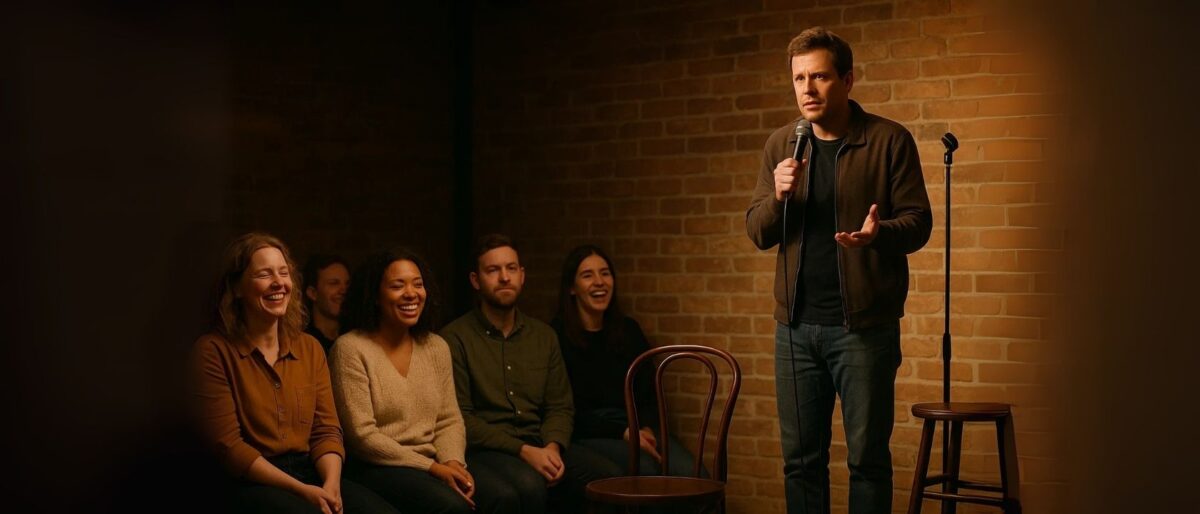
Walkouts don’t just affect the comedian—they also shape the room’s energy. In small comedy clubs, where every laugh and gasp carries, one person leaving is instantly noticeable. An empty seat, a shuffle past tables, or a door creak can momentarily steal focus from the stage and shift the crowd’s mood.
Larger theaters absorb walkouts more easily, but the ripple effect is still there. When multiple people exit, especially in quick succession, the atmosphere changes. Audience energy dips, and the comedian may need to work harder to rebuild momentum. Comedy thrives on rhythm, and walkouts break that rhythm for both performer and audience.
There’s also a psychological element: walkouts can embolden others. If one person leaves, others who are already restless or unimpressed might follow. Sometimes it sparks complaints after the show, especially if attendees felt the material pushed too far. What started as a few quiet exits can snowball into a visible statement about the performance.
Ultimately, comedy is a shared experience. The laughter, timing, and flow depend on audience unity. When walkouts occur, that unity weakens, and both performer and crowd feel the shift. One exit may not ruin a show, but enough of them can transform its entire tone.
Risks and Consequences for Walkouts
Leaving a comedy show comes with few formal consequences. Legally, you’re free to walk out at any point—there’s no penalty for deciding the night isn’t for you. Venues expect that not every guest will stay until the end, and most exits pass without incident.
The bigger issue is social. Other guests may notice and quietly judge your choice, especially if you’re seated up front or if the timing makes your departure obvious. A discreet exit at the back barely raises eyebrows, but a visible walkout during a big punchline can leave you feeling like all eyes are on you.
In rare cases, if your exit is disruptive—say, loudly voicing complaints, arguing with staff, or interrupting the comedian—you could be asked not to return. Clubs and theaters value their performers and audience experience, so they may bar guests who cause repeated disturbances.
For big-name shows, walkouts sometimes make headlines. If a comedian’s set is especially controversial and multiple audience members leave, it can spill onto social media or news outlets. Publicized walkouts can even become part of the comedian’s reputation. While your single exit is unlikely to make the news, in certain contexts it becomes part of a bigger story.
How to Leave Politely

If you decide a comedy show isn’t for you, the key is leaving without disrupting the performance. The easiest way is to time your exit during a natural pause. Moments of laughter, applause, or when servers are moving through the crowd to deliver drinks give you cover to slip out quietly.
When heading for the door, move calmly and avoid crossing directly in front of the stage if possible. Comedy thrives on focus, and drawing the comedian’s eye with a mid-joke exit risks pulling attention away from the act. Choosing a side or back exit helps keep the spotlight where it belongs.
It’s also important not to make your feelings known on the way out. Shouting, heckling, or rolling your eyes dramatically only guarantees you become the butt of a joke—and not in the fun, roast-style way. A silent exit keeps the attention on the show and avoids unnecessary tension.
If you pass staff on your way out, a quick thank-you goes a long way. Clubs value courtesy, and acknowledging their work helps offset any awkwardness of leaving early. A polite departure lets you protect your own comfort without derailing the night for others.
Should You Stick It Out or Leave?
Deciding whether to stay or go during a comedy show comes down to balance. One off-color joke or weak punchline doesn’t necessarily define an entire set. Many comedians take time to find their rhythm, and audiences who wait often find the material improves as the show builds momentum.
That said, your comfort matters. Comedy is meant to entertain, not to feel like an endurance test. If the material consistently makes you uneasy, or you feel singled out in a way that crosses a personal line, it’s reasonable to step out. Your ticket bought you entry, not an obligation to stay no matter what.
There’s also value in supporting the artist’s effort. Performers take risks every night, testing jokes and reading the crowd. Sometimes a slow start warms up into something much better, and staying gives them a fair chance. But if you’re fighting restlessness, fatigue, or outright discomfort, it’s perfectly fine to prioritize yourself over the performance.
Think of it this way: mild disappointment is worth riding out—shows evolve, and one shaky section can lead into stronger material. But if you’re deeply uncomfortable, your best move is a discreet exit. A good night of comedy should leave you laughing, not counting down the minutes.
Conclusion
Walking out of a comedy show isn’t the end of the world, but it does carry a bit of social weight. Your exit will be noticed, and depending on the timing, it may even ripple through the room. That’s why it’s always better to step out with discretion, keeping the focus on the stage rather than yourself.
Respect and timing are the keys. Choosing a natural pause, avoiding unnecessary noise, and leaving quietly allow you to protect your comfort without derailing the performance. Audiences and comedians understand that not every joke lands for everyone, but how you leave shapes the impression you leave behind.
At the end of the day, comedy is subjective. If the humor isn’t working for you, or if you feel uncomfortable, it’s completely fine to go. Just make sure you don’t turn your exit into part of the show. After all, the punchlines should come from the stage—not from your departure.