Should You Use Your Phone at a Comedy Show?
August 14, 2025
Are Group Tickets Really Cheaper Than Solo Tickets?
August 15, 2025What Is Absurdist Comedy? Definition and Top Acts
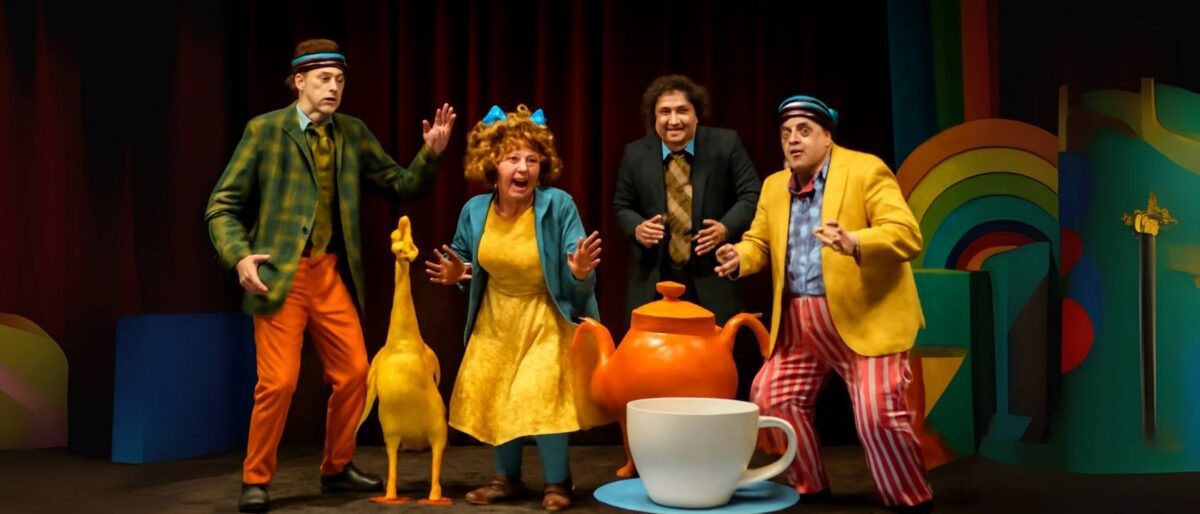
Absurdist comedy bends reality, flips logic, and delights in nonsense. It trades neat plots for surprises, non sequiturs, and playful contradictions. You get silliness with sharp edges, laughter with thought. From Monty Python to Tim Robinson, the genre keeps audiences guessing. Ready to step into the strange and laugh today?
Definition of Absurdist Comedy
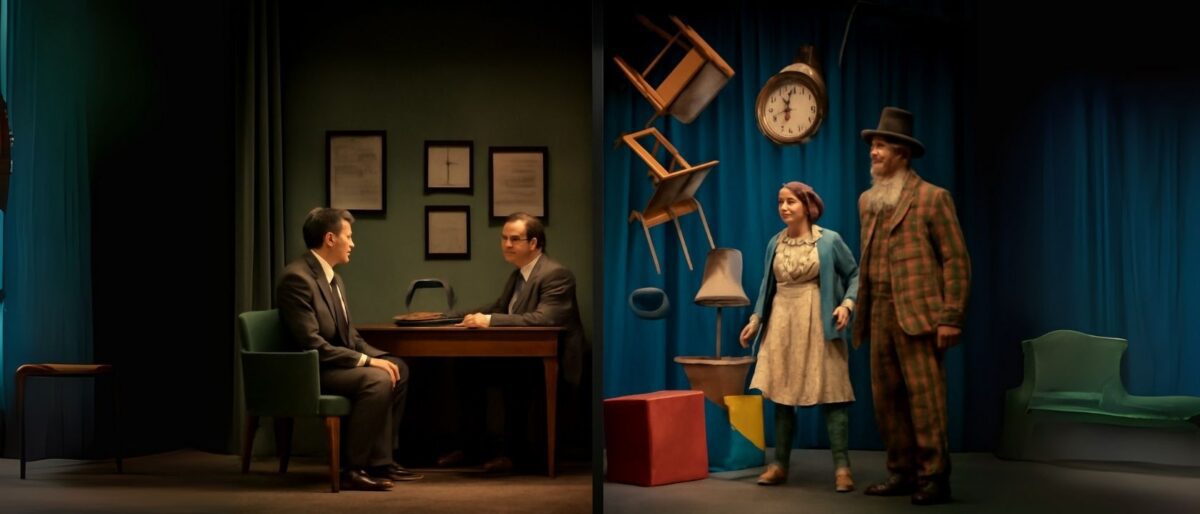
Absurdist comedy is a style built on the strange, the irrational, and the downright nonsensical. Instead of following clear storylines or neat resolutions, it drops audiences into a world where logic feels optional and randomness rules. The humor comes from situations that defy reason, characters who respond in unexpected ways, and dialogue that seems both meaningless and meaningful at the same time.
Some of its defining traits include a lack of conventional plot, with scenes that wander or loop back on themselves. It thrives on chaos, contradictions, and sudden tonal shifts. Audience expectations are treated more like suggestions than rules, and jokes often land where no one saw them coming.
Unlike slapstick, which relies on physical gags, absurdist comedy leans heavily on bizarre scenarios and twisted logic. It differs from dark comedy by sidestepping heavy themes in favor of sheer weirdness, and from surrealism by keeping the focus on humor rather than dreamlike artistry.
The roots of absurdist comedy are tied to the philosophy of writers like Albert Camus and Samuel Beckett, who explored life’s lack of inherent meaning. Here, those ideas are transformed into laughter, letting audiences wrestle with the absurd while enjoying the ride.
Historical Background
Absurdist comedy took shape in the mid-20th century, growing out of theatre and literature that challenged traditional storytelling. It emerged alongside the Theatre of the Absurd movement, which questioned the point of human existence and embraced the idea that life often lacks clear meaning or logical order.
Playwrights like Samuel Beckett and Eugène Ionesco were central to this shift. Beckett’s Waiting for Godot placed two characters in a repetitive, circular conversation as they waited endlessly for someone who never arrives. Ionesco’s The Bald Soprano pushed the boundaries further with dialogue that unraveled into gibberish, revealing how fragile and strange communication can be.
While these works started in the theatre, their influence quickly spread. Television sketch shows began adopting the same disregard for logical plots, stand-up comedians experimented with unpredictable punchlines, and comedy troupes explored characters and situations that felt as nonsensical as they were funny. By the late 20th century, absurdist humor had found a place in both mainstream and underground comedy, inspiring generations of performers to trade structure for unpredictability and turn nonsense into art.
Key Elements and Techniques
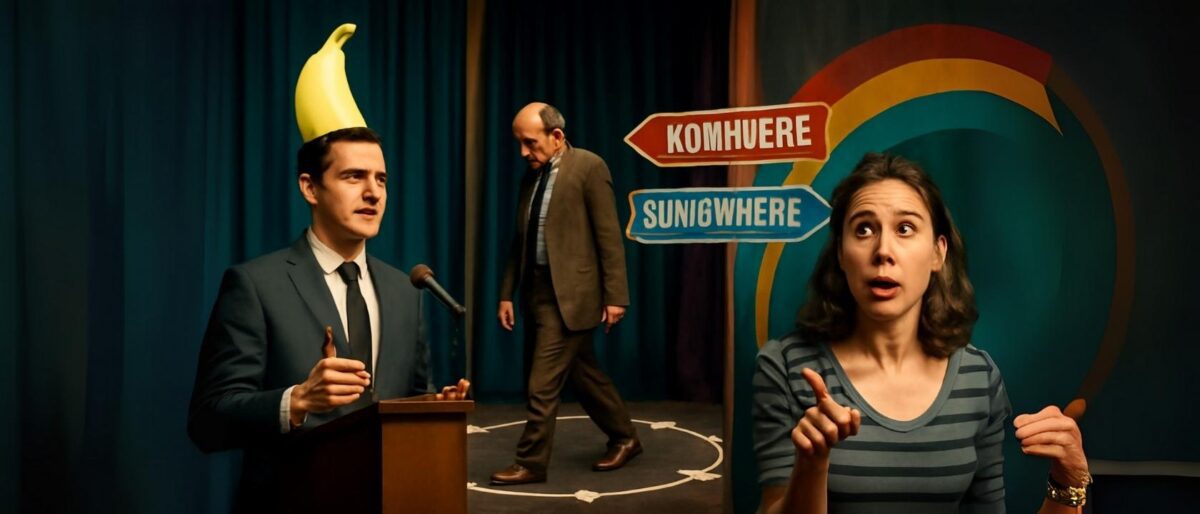
Absurdist comedy thrives on a toolkit of devices that bend logic and expectations until they snap. One of the most recognizable is the non-sequitur, where a line of dialogue or an event has no clear connection to what came before, creating an abrupt and often hilarious shift in tone or focus.
Deliberate repetition is another hallmark, looping phrases or actions until they stop making sense, making the audience laugh out of discomfort or sheer surprise. Characters may behave in ways that feel wildly exaggerated or oddly flat, showing bizarre behavior such as overreacting to trivial matters or staying calm during chaos.
The genre also leans into contradictory logic, presenting two incompatible ideas as if both are valid. This challenges the audience’s sense of reason while still landing as a joke. Breaking the fourth wall is common, too, with performers stepping outside the scene to comment on the absurdity of what’s happening.
Finally, absurdist humor delights in overly literal or outrageously exaggerated interpretations of ordinary concepts. Turning the mundane into something bizarre not only catches viewers off guard but also highlights the strangeness in everyday life they might otherwise overlook.
Why Absurdist Comedy Works
Part of the charm of absurdist comedy lies in its ability to tap into our fascination with the unexpected. Psychologically, the brain is wired to spot patterns, so when randomness interrupts those patterns, it creates a jolt of surprise that can spark laughter. The illogic catches us off guard, turning confusion into amusement.
It also offers a kind of relief. In a world full of rules, routines, and social norms, absurdist humor provides a safe space to toss them aside. Watching performers treat nonsense as perfectly normal feels liberating, almost like taking a holiday from common sense.
This style also invites audiences to wrestle with meaning—or to let it go entirely. Some people find joy in searching for hidden messages behind absurd moments, while others appreciate the comfort of accepting that there’s no deeper point at all.
The key to its success is balance. Too much chaos risks alienating viewers, while too much structure undercuts the genre’s spirit. The best absurdist acts find the sweet spot, where confusion and entertainment coexist, keeping audiences engaged, entertained, and maybe even a little baffled in the best way.
Top Absurdist Comedy Acts and Figures
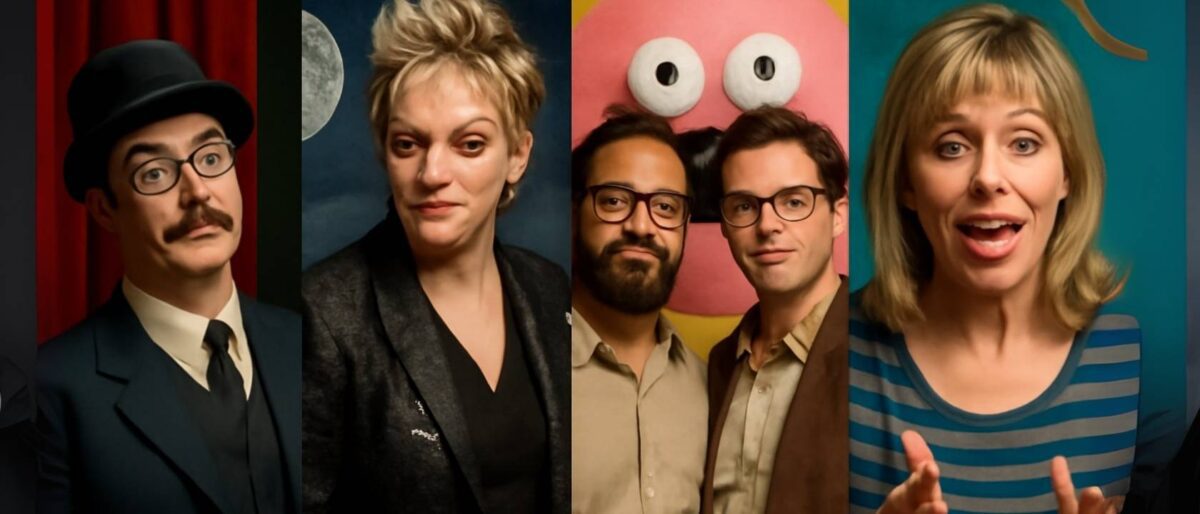
Absurdist comedy has been shaped by a wide range of performers who’ve embraced the strange and turned it into laughter. Among the classic pioneers, few loom larger than Monty Python, whose sketches like The Ministry of Silly Walks turned everyday situations into surreal spectacles. The Goon Show brought anarchic radio humor to audiences in the 1950s, laying groundwork for later generations. In stand-up, Steve Martin’s early career blended offbeat props, nonsensical punchlines, and a deliberately awkward stage presence to redefine live comedy in the 1970s.
In the modern stand-up and sketch scene, Eddie Izzard is celebrated for whimsical tangents that drift between history, fantasy, and outright silliness. Tim Heidecker and Eric Wareheim push the boundaries of taste and logic with their series Tim and Eric Awesome Show, Great Job!, a collage of awkward characters, surreal visuals, and absurd pacing. Maria Bamford brings a personal twist, using her voice range and character work to create surreal yet emotionally sharp comedy.
On television and in film, The Mighty Boosh blends music, colorful costumes, and bizarre plots into a cult favorite. I Think You Should Leave with Tim Robinson has become a modern meme factory with sketches that escalate from awkward to outright absurd. And of course, Andy Kaufman remains an icon of performance art absurdity, blurring the line between joke and reality in ways audiences are still unpacking decades later.
Cultural Impact
Absurdist comedy has seeped into the mainstream, shaping everything from late-night sketches to blockbuster films. Its influence can be seen in shows that mix surreal moments with familiar formats, proving that even mainstream audiences enjoy a taste of the bizarre when it’s delivered with confidence and timing.
In the digital age, this style has found a new home in internet meme culture and TikTok’s rapid-fire randomness. Short, unexpected clips—often with no clear punchline—mirror the abrupt, illogical humor that defines absurdism. The result is a comedy form perfectly suited for scrolling audiences with short attention spans.
Part of its staying power comes from its cross-generational appeal. Older fans connect through classics like Monty Python, while younger audiences embrace newer acts and online creators who keep pushing boundaries. Cultural differences often fade in the face of pure nonsense, allowing absurdist humor to resonate across countries and languages.
That said, the genre carries a risk: being dismissed as “too weird.” Without a familiar framework, some viewers feel alienated or lost. The challenge—and the magic—lies in making strangeness feel inviting, turning confusion into connection rather than pushing audiences away.
How to Appreciate Absurdist Comedy

For newcomers, the best way to enjoy absurdist comedy is to let go of the need for everything to make sense. Watch without overanalyzing—not every moment hides a deeper meaning, and sometimes the point is that there is no point. Accept the nonsense as part of the ride.
Expect unpredictability. Scenes may end abruptly, characters might act in ways that defy reason, and jokes can appear out of nowhere. The surprise is part of the fun. If you feel confused, don’t fight it—embrace that confusion as part of the joke. The more you relax into the chaos, the funnier it becomes.
For beginners, start with accessible but still wonderfully strange works. Try Monty Python’s “Dead Parrot” or “Ministry of Silly Walks” sketches for a taste of classic absurdism. On the modern side, watch I Think You Should Leave with Tim Robinson for quick, unpredictable sketches, or sample Maria Bamford’s stand-up specials for character-driven surreal humor. For something even more offbeat, explore The Mighty Boosh for its blend of music, color, and nonsense. These will give you a solid entry point into the joyful oddness of the genre.
Conclusion
Absurdist comedy endures because it thrives on unpredictability and challenges the comfort of the familiar. Its strange nature is not a flaw but the heart of its charm, offering laughter that comes from the unexpected and the irrational. By stripping away the need for logic, it creates space for humor that feels fresh every time.
Whether it’s the timeless silliness of Monty Python, the off-kilter energy of Tim and Eric, or the surreal intimacy of Maria Bamford, the genre continues to reinvent itself for new audiences. If you’re curious, explore both classic and modern acts—you’ll see how absurdist comedy keeps evolving while staying gloriously weird at its core.