Your First Concert Checklist: What to Bring and Expect
June 2, 2025
Best Seats for a Broadway Show: Balcony vs Orchestra
June 2, 2025A Complete Guide to Accessible Concert Seating in 2026

Concerts should be thrilling—not stressful. If you use a wheelchair, live with chronic pain, or just need a little extra space to enjoy the music, accessible seating can make or break the night. I’ve gathered everything you need to know so your concert experience feels empowering—not like an obstacle course.
What Is Accessible Seating?
Accessible seating isn’t just about having a spot to sit—it’s about giving everyone a fair shot at enjoying the show. These seats are designed to meet ADA (Americans with Disabilities Act) guidelines and provide space and support for people with mobility, sensory, or cognitive challenges.
At a minimum, accessible seating includes wheelchair spaces with nearby companion seats, step-free entry points, and adequate sightlines. But some venues go further, offering features like low-sensory areas for those with sensory sensitivities or assistive listening devices for guests who are hard of hearing.
The setup varies wildly between venues. A large stadium might have multiple accessible sections with elevators, wide entry ramps, and designated staff. A small general-admission club? Maybe a few folding chairs tucked in the corner—if that. It’s always smart to check in advance and ask questions before purchasing.
But accessible seating is more than just a chair or a patch of open floor. It’s a setup that respects independence, supports dignity, and welcomes all bodies and brains into the full experience of live music. Because everyone deserves a clear view—and a good time.
How to Find and Book Accessible Tickets
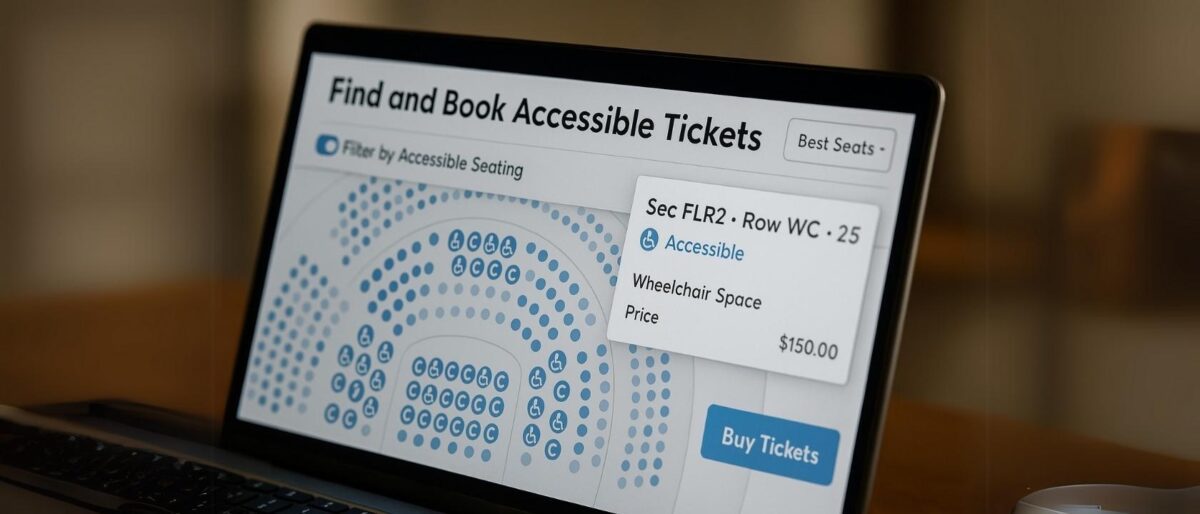
Booking accessible tickets shouldn’t feel like cracking a code—but sometimes, it does. The good news? Most major platforms like Ticketmaster, AXS, and venue websites now have built-in tools for finding accessible seating. The not-so-good news? The user experience can still be clunky or confusing.
When shopping online, look for a “Filter by Accessible Seating” option during checkout. This might open a map showing wheelchair spots, companion seats, and other options. But beware: maps aren’t always detailed, and sections marked as “accessible” can be mysteriously unavailable or poorly labeled.
If the map looks like a mess—or if your needs aren’t clearly covered—it’s often better to contact the box office directly. Call or email with details like whether you need wheelchair space, step-free access, or extra room for a mobility device. Being specific helps staff help you faster.
Unfortunately, one of the most common barriers is the dreaded “sold-out” flag, even when seats are being held or released in waves. If that happens, don’t give up—reach out directly. Sometimes accommodations are still available but not visible online.
When reaching out, be brief but clear: “Hi, I’m looking to attend the show and need ADA seating for a wheelchair user and companion. Can you assist with available options?” You don’t need to explain your medical history—just your access needs.
What to Expect at the Venue
So, you’ve scored your accessible concert ticket—what happens next? Depending on the venue, the experience can range from smooth sailing to slightly clunky, but a little preparation goes a long way. Early entry is often allowed or even recommended, giving you a calmer experience before the general crowd rolls in. Look out for designated entrances with elevators or ramps, especially in older buildings where step-free access isn’t the default.
Don’t expect front row seats—accessible sections are typically placed for clear sightlines, not VIP perks. That might mean near the back, along side aisles, or slightly elevated platforms, depending on the venue’s layout. Companion seats are usually right next to or very close by, but if you’re going with a larger group, not everyone may be able to sit together.
Venue staff are your best allies. If you’re unsure where to go, ask at the nearest usher post or info desk. You don’t need to flash paperwork or explain personal health details—just let them know you’re in accessible seating and need assistance. Most venues don’t verify disability status (unless it’s a tightly oversold event), so this works on a trust basis.
For those with sensory sensitivities, bigger arenas and music festivals are increasingly offering quiet zones, sensory-friendly areas, and staff trained in neurodiverse support. These aren’t always well advertised, so ask if you need it—especially if loud noises, flashing lights, or crowd density are concerns.
Bringing a Companion or Caregiver
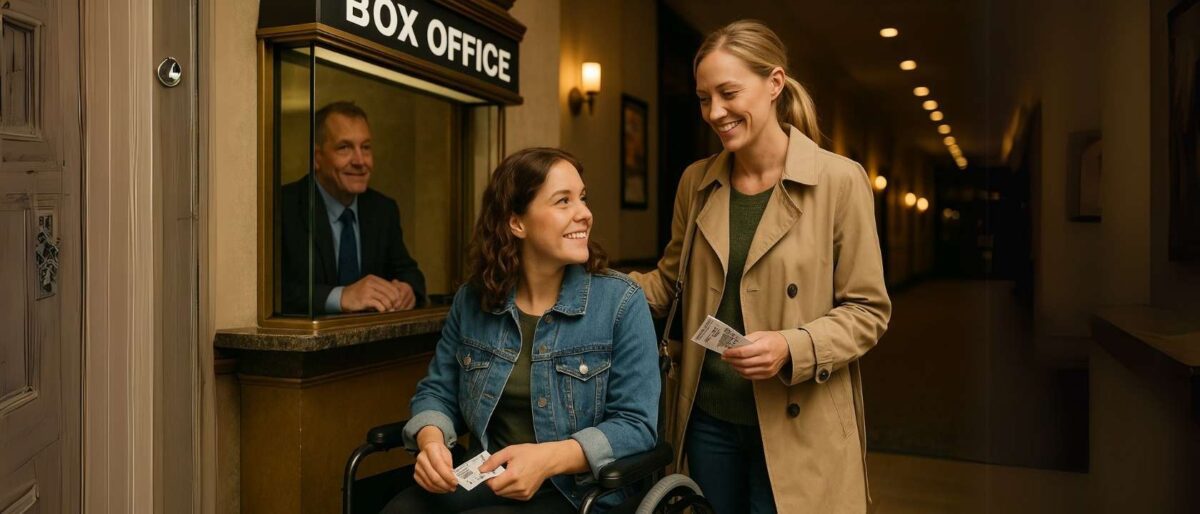
Going to a concert with a companion or caregiver isn’t just comforting—it can be essential. Most venues with accessible seating allow at least one companion seat directly beside the guest with a disability. Some offer two, but anything beyond that can get tricky. If you’re rolling deep with friends or family, your best move is to call the venue box office directly. They may be able to rearrange or place additional seats nearby, even if they’re not technically in the same section.
In some cases, especially at nonprofit venues or community theaters, a caregiver might be admitted for free under ADA accommodations. It’s not guaranteed, though—many commercial venues charge full price. Always ask ahead so there are no surprises at the gate. If you’re attending with a medical assistant or someone critical to your experience, let that be known when you purchase your ticket or arrive at check-in.
To avoid confusion during entry, especially in chaotic crowds, it helps to designate your support person clearly. Have your tickets grouped together digitally or printed, and if there’s a designated ADA entrance, go together. Mention your companion role to security staff—they’re trained to recognize the setup and typically allow both of you through without issue.
Temporary Mobility Needs: You Still Qualify
You don’t need a long-term disability to qualify for accessible concert seating. Crutches, recovery from surgery, a freshly sprained ankle, or even pregnancy—they all count. If moving around is harder than usual, you’re absolutely entitled to accommodations. Accessible seating exists to support *any* mobility challenge, not just permanent conditions.
If your need is short-term, the process is usually the same: contact the venue or ticket provider as soon as possible. Many sites let you filter for ADA seats during checkout, but if you didn’t think to do that—or your situation changed after purchase—call or email their accessibility team. Explain your situation, and they’ll often swap your tickets for ADA-accessible ones if space allows.
Never feel too embarrassed to ask. You deserve to enjoy the show in comfort and safety. Staff are trained for this, and it’s more common than you think. A concert isn’t a marathon—you shouldn’t be limping through it just to “tough it out.”
Some larger venues even offer wheelchair rentals or golf cart service from the entrance. If that sounds helpful, ask when you contact them. Your temporary needs are still real, and the system is there to help—use it.
What to Do If It Goes Wrong
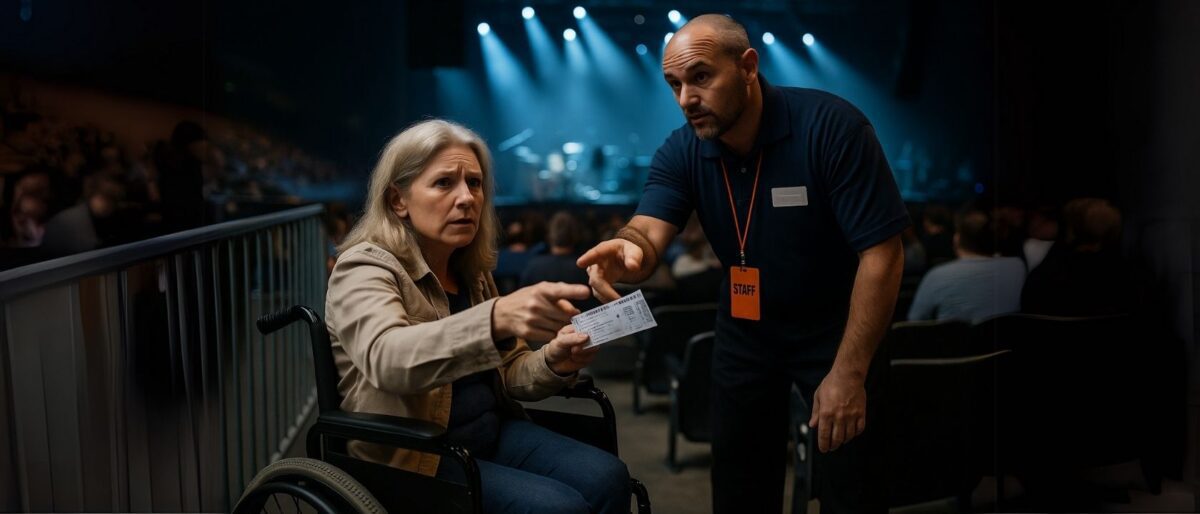
Sometimes, even the best-laid plans fall apart. You arrive at the venue, only to find your “accessible” seat requires stairs. Or your view is blocked by equipment. Maybe your companion seat vanished into thin air. When that happens, don’t freeze—act fast, and speak up.
Start with venue staff. Ask to be relocated if your seat isn’t truly accessible or if the view is obstructed. Most venues want to help—but they can’t fix what they don’t know about. Don’t be afraid to advocate for yourself. Firm and polite goes a long way.
If things don’t get resolved, it’s time to document. Take photos, get names of staff, and save all receipts or confirmation emails. If there’s a clear failure to meet ADA guidelines—like stairs to a so-called wheelchair section—you can file a complaint with the U.S. Department of Justice. It’s not about causing drama. It’s about making the experience better for the next person, too.
Your comfort and access are not optional luxuries. They’re rights. And while mistakes happen, you’re allowed to expect—and ask for—better.
Conclusion
Accessible seating isn’t just about a spot to sit—it’s about inclusion, dignity, and the ability to experience live music fully. Whether you roll in with wheels, walk with assistance, or need a little extra space for comfort, you deserve a setup that works for you—not one that treats accessibility like an afterthought.
From knowing your rights to speaking up when things go sideways, being informed makes a huge difference. And remember: temporary needs are still valid. You don’t need to justify your body to enjoy a show.
Every venue is different, and no system is perfect. But the more we ask questions, demand better options, and support each other in the process, the closer we get to concerts that truly feel open to all. So go ahead—plan your night, bring your people, and sing your heart out. Your seat is waiting.