What Is Dark Comedy? Top Acts & Ethical Lines
August 21, 2025
Dierks Bentley in Burgettstown, PA on Aug 29, 2025: Tickets & Info
August 21, 2025How to Buy Accessible Tickets for Concerts & Shows | Step-by-Step Guide

Buying accessible tickets shouldn’t be complicated, yet many fans struggle to find the right seats. From wheelchair spaces to companion seating, knowing where and how to book makes all the difference. This guide explains the process clearly, helping you enjoy concerts and shows without barriers or last-minute stress.
What Are Accessible Tickets?
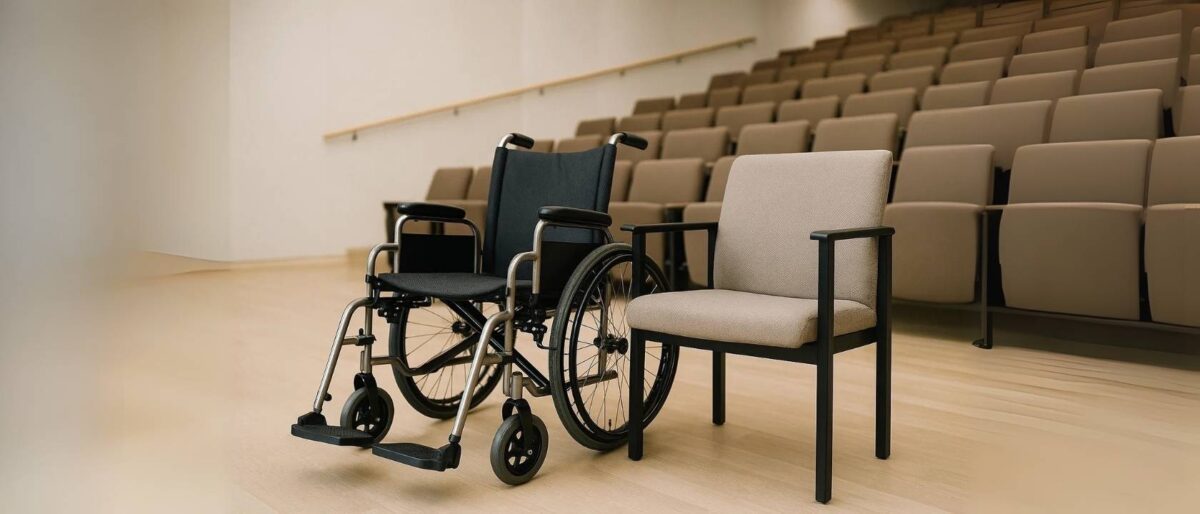
Accessible tickets are specifically set aside for patrons with disabilities or mobility needs so they can attend concerts, theater performances, and sporting events without unnecessary obstacles. These tickets provide entry to designated seating areas and often come with accommodations that make the entire event experience smoother and more inclusive.
There are several types of accessible seating. The most common option is wheelchair-accessible seating, designed with extra space to fit mobility devices. Alongside these areas, most venues also offer companion seating, ensuring a friend, family member, or caregiver can sit nearby. Some locations provide aisle seats with removable armrests for easier transfers, while others feature sensory-friendly sections for individuals who benefit from reduced lighting and sound. Venues may also supply assistive listening devices for those with hearing challenges.
The key difference between standard and accessible tickets lies in the seating layout and services provided. Standard tickets only grant admission, while accessible tickets guarantee that seating arrangements meet ADA requirements and allow patrons with specific needs to enjoy the performance fully. For many fans, this distinction is the difference between simply attending an event and genuinely participating in it with comfort and dignity.
Where to Buy Accessible Tickets
Finding the right place to purchase accessible tickets can save time and prevent frustration. Fortunately, there are multiple reliable sources where you can secure seats that fit your needs without uncertainty.
Official box offices at venues, theaters, and stadiums remain one of the most direct and dependable options. Speaking with box office staff allows you to explain your requirements clearly and confirm availability on the spot. This often provides the most accurate information about seating layouts and companion policies.
Authorized ticketing platforms such as Ticketmaster, AXS, and Live Nation also include accessible ticket options during checkout. Many of these platforms feature filters or dedicated seating categories marked as “ADA” or “accessible,” making it easier to select the right seats online.
Most venue websites now include sections dedicated to accessibility. These pages outline seating maps, companion seat rules, and services like assistive listening devices or sensory-friendly areas. Checking the venue’s site before booking ensures you know exactly what accommodations are available.
For more personalized support, many ticket sellers and venues provide accessibility hotlines or customer service contacts. Calling directly connects you with staff trained to handle accessibility requests, answer detailed questions, and reserve seats tailored to your needs. This extra step can make the entire process more seamless and reliable.
How to Find Accessible Seating Online

Most ticketing platforms make it possible to book accessible seating without calling the box office, but knowing where to look helps. Following a few simple steps can make the process faster and more reliable.
Step 1: Search for “ADA” or “accessible” options. When browsing an event page, look for filters or labels that specify accessibility. Many platforms, including Ticketmaster and AXS, have a separate button or dropdown menu for ADA seating. Selecting this option ensures that the available seats are designed for patrons with mobility or sensory needs.
Step 2: Use interactive seating charts. Most online ticketing sites include maps that let you view the layout of the venue. Accessibility filters highlight wheelchair spaces, aisle seats with removable armrests, and companion seats. This feature helps you visualize where you’ll be sitting in relation to the stage, restrooms, and exits.
Step 3: Check companion seating policies. Venues usually allow at least one companion seat next to an accessible spot, but policies differ. Some limit the number of companion tickets per booking to make sure accessible areas aren’t overcrowded. It’s important to confirm how many people can sit with you before finalizing the purchase.
Step 4: Book early. Accessible seating is limited and tends to sell out quickly. Purchasing tickets as soon as they go on sale gives you the best chance of finding the right seats. Waiting until the last minute often means accessible sections are already taken.
By following these steps, you’ll have a smoother experience securing seats that meet your needs and guarantee comfort throughout the event.
Tips for Calling the Box Office
Sometimes the quickest way to secure the right accessible tickets is by speaking directly with the box office. A phone call allows you to explain your needs in detail, get immediate answers, and avoid the frustration of unclear online systems.
Why direct contact helps: Box office staff have the most accurate, up-to-date information about seating layouts, companion policies, and venue amenities. They can also confirm if specific seats meet your requirements, something online charts don’t always show clearly.
Information to prepare: Before calling, have the event name, date, and venue ready. Be clear about the type of accessible seating you need—whether it’s wheelchair space, aisle seating with removable armrests, or sensory-friendly areas. This saves time and helps staff guide you quickly.
Questions to ask: Don’t hesitate to confirm companion seating rules, the availability of assistive listening devices, and details about accessibility amenities like restrooms, elevators, or parking spots. Knowing these in advance avoids surprises on the day of the event.
Keep notes: Write down the names of staff you speak with, the policies they explain, and any reference numbers for your booking. These notes make future purchases easier and give you a point of reference if questions arise later.
Calling may take a few extra minutes, but it often provides the clearest path to a stress-free and comfortable event experience.
Verifying Venue Accessibility
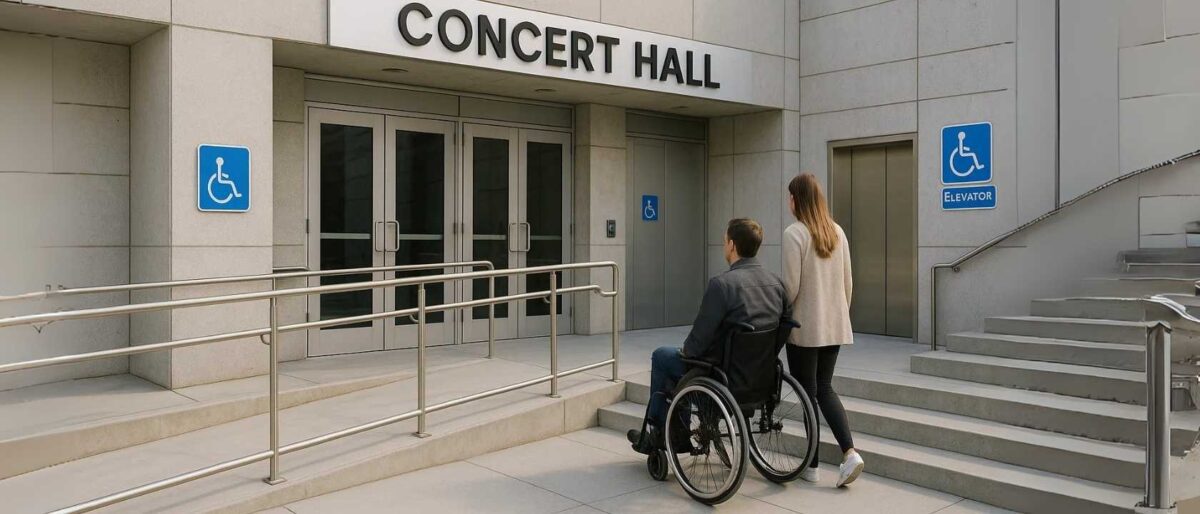
Before buying accessible tickets, it’s smart to double-check whether the venue itself meets your needs. Accessible seating is only part of the experience—how you enter, move around, and use amenities matters just as much.
Start with venue maps. Many theaters, arenas, and stadiums publish maps online that highlight ramps, elevators, restrooms, and accessible pathways. Reviewing these layouts in advance helps you understand how easy it will be to get from the entrance to your seat without obstacles.
Look for ADA compliance. A compliant venue should offer accessible entrances, parking spaces close to entry points, and seating layouts that allow for mobility devices without blocking aisles. These basics ensure the experience is safe and comfortable from arrival to exit.
Check for sensory-friendly accommodations. Some venues now provide quiet rooms, reduced-lighting sections, or other adjustments to make shows more comfortable for people with autism or sensory sensitivities. These accommodations can make a big difference for guests who need a calmer environment.
Contact the venue directly. Websites aren’t always updated, so it’s wise to call or email the accessibility team before your event. They can provide the latest details, confirm available services, and answer specific questions about your seating or equipment needs.
Taking a few minutes to verify accessibility ahead of time ensures you arrive prepared and can focus on enjoying the performance instead of worrying about logistics.
Policies and Rights You Should Know
When buying accessible tickets, it helps to understand the rights that protect you as a ticket holder. The Americans with Disabilities Act (ADA) sets clear rules for venues and ticket sellers to make sure people with disabilities have equal access to live events.
One key protection is the right to purchase accessible seats at the same price as standard seats in the same section. Venues cannot charge extra for ADA-compliant seating, and ticket sellers must make these tickets available during the same sales period as all other tickets.
Companion seating is another important rule. Guests who require accessible seating are entitled to buy at least one companion seat nearby. Some venues may allow more, but at minimum, one companion must be accommodated so no one is forced to sit apart from their group.
Ticket transfer and resale restrictions can vary. While ADA rules require that accessible seats be available to those who need them, some venues limit resale or transfer to prevent misuse. In many cases, accessible tickets can only be transferred through the venue or official ticketing platform, ensuring the seats go to fans who require them.
Knowing these rights before you purchase ensures fair treatment and helps you avoid unnecessary obstacles. If you ever feel policies aren’t being followed, contacting the venue’s accessibility office or the ticket seller’s customer service is the first step to resolving the issue.
What to Do If Accessible Tickets Are Sold Out

Accessible seating is limited, so it’s not uncommon to see it marked as “sold out” early. Fortunately, there are still ways to secure tickets if you act strategically and know where to look.
Check for waitlists or call the box office. Some venues keep a separate list for accessible seats. By phoning the box office directly, you can often be added to this list and notified if space opens up. Speaking to staff also gives you clearer answers than relying on the website alone.
Look out for last-minute releases. Venues sometimes hold back accessible tickets to make sure they’re used appropriately. These seats may be released in the days—or even hours—leading up to the event. Checking back online or calling shortly before showtime can pay off.
Explore resale marketplaces. Some platforms, like Ticketmaster Resale or StubHub, include ADA-labeled tickets that were returned or resold by original buyers. Always verify that the listing specifically notes “accessible seating” to avoid ending up with a standard ticket in a non-ADA section.
Contact the venue’s accessibility staff directly. Most venues have a dedicated accessibility coordinator or customer service line. These staff members may know of upcoming releases, cancellations, or alternative arrangements that aren’t visible online. Reaching out can make the difference between missing the show and securing a proper seat.
While sold-out notices can be discouraging, persistence and direct communication often uncover options that aren’t immediately obvious.
Preparing for the Event
Once your accessible tickets are secured, a little preparation helps the night go smoothly. Taking a few extra steps before and during arrival ensures you can focus on the show rather than the logistics.
Arrive early for easier entry. Getting to the venue before the main crowd helps you avoid long lines and gives you more time to get comfortable. Early arrival also makes parking, security checks, and finding your seat less stressful.
Check in with accessibility staff. Most venues have staff trained to assist guests with disabilities. Stopping by the accessibility desk or speaking with ushers can connect you with services such as elevators, dedicated restrooms, or assistance to your seat.
Take advantage of assistive services. Many venues offer devices and supports including hearing loops, captioning screens, or even live interpreters for select shows. Asking about these in advance ensures they’ll be ready for you on arrival.
Bring documentation if necessary. While most venues don’t require proof of disability, some may ask for simple verification for certain accommodations. Having paperwork on hand—such as a doctor’s note or accessible parking pass—can be helpful, even if you don’t end up needing it.
Preparing in these ways not only eases your entry but also ensures you’ll have full access to the services that make the event more enjoyable and comfortable.
Common Mistakes to Avoid
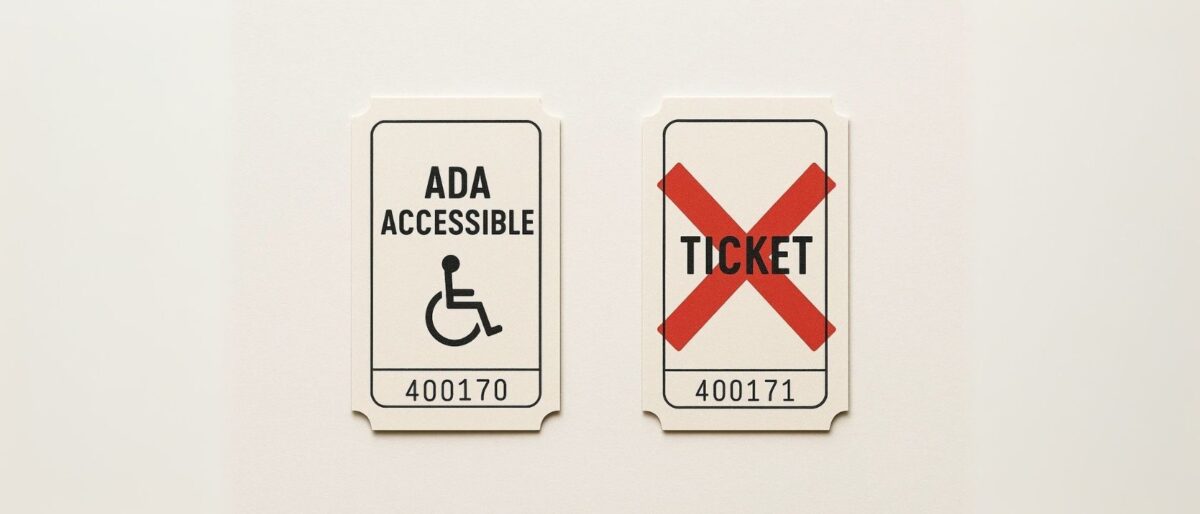
Buying accessible tickets can be straightforward, but a few common missteps often cause unnecessary stress. Knowing what to avoid will save time and prevent disappointment on the day of the event.
Waiting too long to book accessible seating. Accessible tickets are limited and sell out faster than standard seats. Delaying your purchase can mean losing the chance to sit in a comfortable and appropriate section. The earlier you buy, the better your options will be.
Buying from unverified resale sites. Not all resellers clearly label ADA seating. Some may even misrepresent standard tickets as accessible, leaving you with unusable seats. Always stick to official platforms or trusted resellers that specifically mark tickets as ADA-compliant.
Not confirming companion seat policies. Every venue has its own rules about how many companion seats can be purchased with an accessible ticket. Failing to check these policies could mean your group is separated. Asking in advance ensures you and your guests can sit together.
Assuming all venues offer the same accommodations. Accessibility standards vary widely. One venue may have wide aisles and sensory-friendly sections, while another only provides basic wheelchair spaces. Reviewing each venue’s policies helps you avoid surprises and makes planning easier.
By steering clear of these mistakes, you’ll protect both your investment and your event experience, ensuring the focus stays on enjoying the performance.
Conclusion
Accessibility is what makes concerts and shows truly inclusive, allowing everyone to share in the excitement of live entertainment. With the right approach, buying tickets doesn’t need to feel complicated or stressful.
By knowing where to buy, understanding how to ask for accommodations, and being aware of the rights that protect you, the process becomes far smoother. Planning early, confirming venue details, and reaching out directly when needed all help ensure that your experience is both comfortable and enjoyable.
For fans with accessibility needs, live performances should bring confidence, not concern. With thoughtful preparation, you can focus on what matters most—enjoying the music, the story, and the shared energy of the crowd.