Should You Buy Resale Tickets for Sold-Out Events?
June 6, 2025
What It’s Really Like to Tour as a Performer
June 6, 2025Are Concerts Losing Popularity in 2026? The Truth Behind the Trends
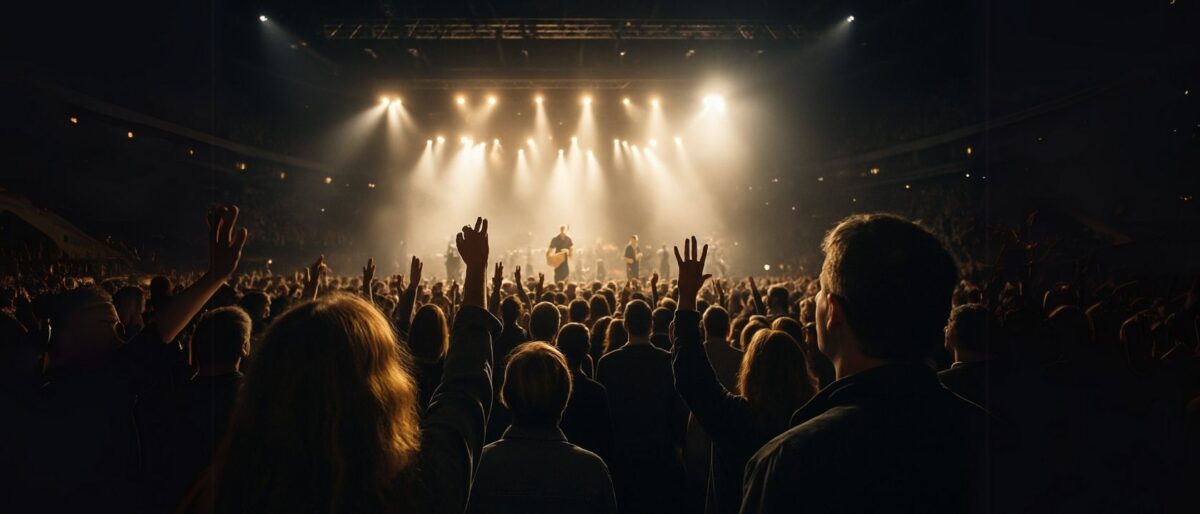
Concerts used to sell out in seconds—now, some can’t even fill a theater. In 2025, fans are asking: what’s going on? Is live music losing its grip, or just finding a new rhythm? Before you cancel your tour plans or toss your earplugs, let’s unpack the truth behind the trend.
The Numbers: What the Data Shows
Let’s start with what can’t be denied—the numbers are shifting, and not always in a good way. Between 2023 and 2025, overall ticket sales in North America have flattened or dipped in several key categories. Festivals that once sold out in minutes now struggle to move weekend passes. Arena tours for mid-level artists are being scaled back. And smaller venue shows? They’re getting ghosted altogether.
In 2024 alone, dozens of tours were postponed or quietly canceled—not for illness or weather, but due to “logistical issues” or “unforeseen circumstances,” which has become PR-speak for “we didn’t sell enough tickets.” Several indie rock and pop artists, especially those without viral momentum, were forced to downsize or scrap entire legs of their tours. Even some legacy acts aren’t immune.
But hold up—this doesn’t mean live music is collapsing. In fact, a few superstars are smashing records. Taylor Swift’s “Eras Tour” became an economic force of its own. Bad Bunny, Beyoncé, and Coldplay all packed stadiums. What’s happening isn’t a universal decline—it’s a growing gap between the giants and everyone else.
The data paints a complex picture: concerts aren’t dying, but the middle ground is thinning fast. For some, it’s feast. For others, it’s famine.
The Cost Factor: Pricing Out the Fans
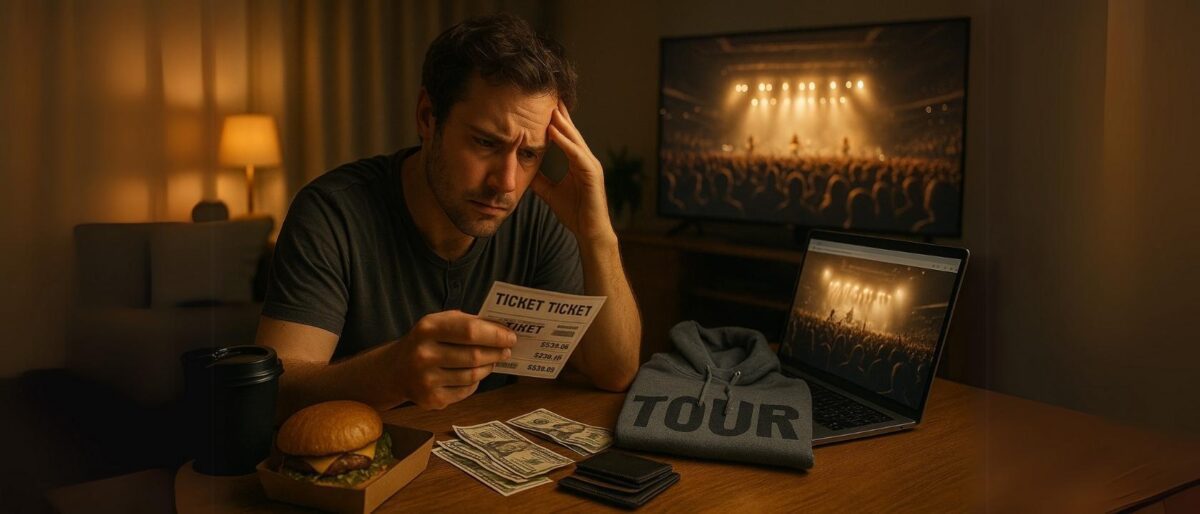
Let’s not sugarcoat it—concerts have gotten expensive. Like, “should I pay rent or see my favorite band?” expensive. From dynamic pricing that pushes ticket costs into the stratosphere to surprise service fees that pop up at checkout like jump scares, fans are feeling the financial burn.
It’s not just the ticket. It’s getting there, parking, grabbing a bite, maybe snagging a t-shirt to remember the night. By the time you’ve paid for gas, a drink, and that $45 “vintage-inspired” hoodie, your “affordable night out” just ate your weekend budget. For folks juggling inflation and stagnant wages, even one show can feel like a luxury they can’t justify.
Gen Z and Millennials—already cautious spenders—are starting to rethink their entertainment dollars. Many are choosing streaming subscriptions or content creators over expensive IRL events. Live music used to be an escape; now it sometimes feels like an exclusive club for people with deep pockets or zero responsibilities.
And then there’s the backlash around VIP packages and tiered ticketing. Paying extra to enter a “golden circle” or meet an artist? It rubs some fans the wrong way, especially when standard tickets already feel inflated. The vibe has shifted—from community to commodification.
The love for live music hasn’t vanished. But the sticker shock? It’s real, and it’s reshaping who shows up—and how often.
Post-Pandemic Burnout and Shifts in Priorities
Remember the “revenge concert” boom of 2022–2023? Fans were making up for lost time, packing arenas like it was a contact sport, and artists were on the road nonstop. Fast-forward to 2025, and that adrenaline high has cooled. The novelty wore off—and what’s left is a tired audience with tighter boundaries.
Too many shows, too close together, has left fans overwhelmed. Between overlapping tour dates, festival overload, and constant pre-sale chaos, people are hitting their limit. Not everyone wants—or can afford—to spend every weekend shouting lyrics into the night anymore. Even the most loyal fans are choosing carefully instead of trying to see everyone.
That’s partly why there’s a growing shift toward smaller, more intimate concerts. People want connection, not chaos. A cozy venue with great sound and no jumbotron feels more personal—and far less stressful—than battling 50,000 fans for a parking spot and overpriced nachos.
And let’s not forget health concerns. For some, especially older or immunocompromised concertgoers, the fear of crowded spaces hasn’t totally faded. A nasty flu season or lingering COVID strain can still keep ticket holders on the fence—or at home.
The passion for live music is still strong. But how, where, and when fans engage with it? That’s what’s evolving—and the industry needs to catch up.
Too Much of a Good Thing? Market Oversaturation
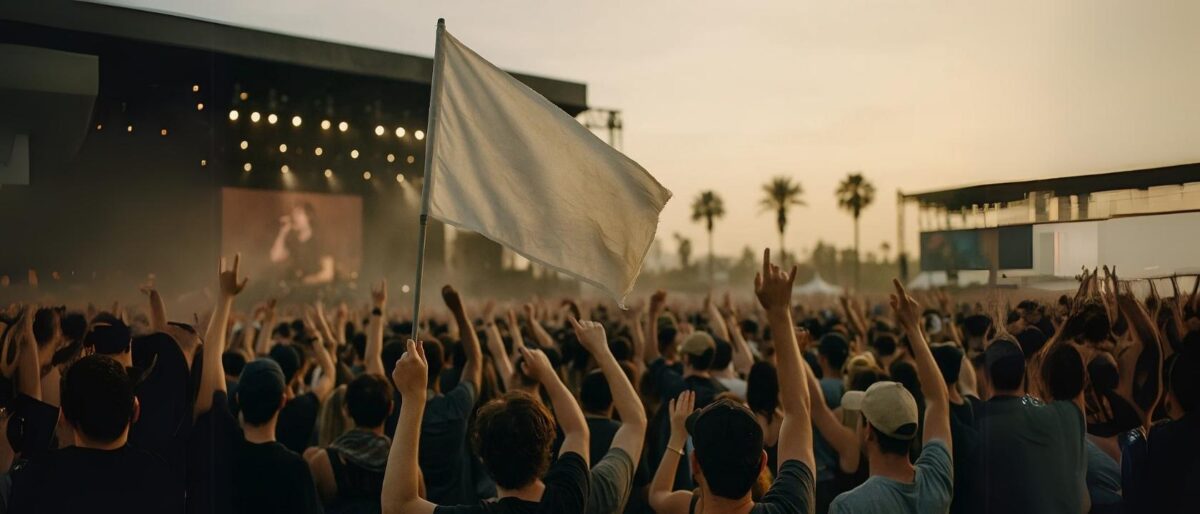
It turns out, you can have too much live music—especially when every artist decides to hit the road at the same time. In 2025, the touring calendar is packed tighter than a GA pit, and fans are waving the white flag. Between overlapping tours, stacked festival lineups, and surprise pop-up shows, it’s not excitement—it’s exhaustion.
Let’s talk about festival fatigue. Once a bucket-list experience, many music festivals now feel like carbon copies of one another: same headliners, same influencers, same TikTok trends. Fans are catching on, and some are opting out. Why spend $400 to see the same six artists you saw last year—just in a different desert?
Then there’s the fallout for mid-tier and emerging artists. With so many heavy-hitters monopolizing attention (and cash), smaller acts are struggling to fill venues. They’re not any less talented—they’re just getting drowned out in the noise. And when everyone’s fighting for the same Friday night crowd, someone’s going home with empty seats.
Consumers are becoming more selective. They’re picking a few shows that matter most, instead of trying to catch everything. That means artists and promoters have to work harder to stand out—and that’s no small feat in a market this crowded.
Bottom line: oversaturation may not kill the concert industry, but it’s definitely making fans more careful about when—and where—they show up.
The Rise of Alternative Entertainment
In 2025, live music has serious competition—and it’s not another band. It’s your couch, your phone, and your Wi-Fi. As tech evolves and attention spans shrink, more fans are choosing digital experiences over physical attendance. Why fight for parking when you can watch the show, comment in real time, and be in bed by 10?
Livestreams, TikTok concerts, and VR music events are gaining traction. What started as a pandemic workaround has now become a legit alternative for artists and fans alike. From front-row views in your pajamas to exclusive online-only sets, these experiences are convenient, cheap, and often just as engaging—minus the beer spilled on your shoes.
Social media is reshaping the concert experience too. For many, watching a 30-second clip on Instagram or TikTok scratches the itch. The spectacle gets shared instantly, and fans feel connected without ever buying a ticket. It’s not lazy—it’s efficient.
We’re also seeing a shift in where money goes. Younger audiences are prioritizing gaming, streaming services, creator content, and niche communities over expensive one-night events. When a monthly Netflix or Twitch subscription offers daily entertainment, that $250 concert suddenly feels like a luxury.
This doesn’t mean people don’t care about live music anymore. They just want options—on their terms, on their screens, and on their schedule.
The Fandom Divide: Blockbusters vs. Everyone Else
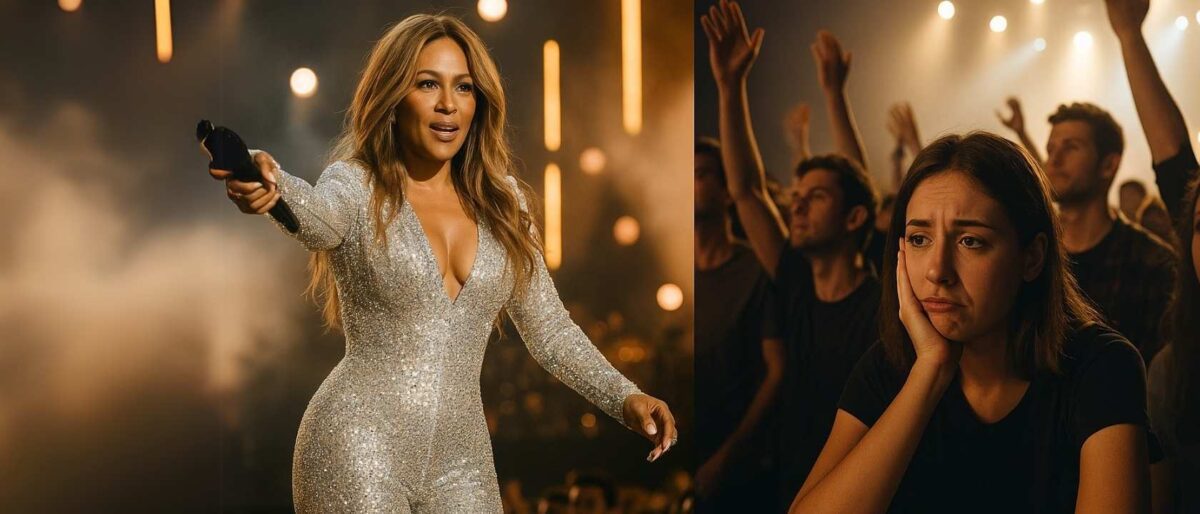
Here’s the split screen nobody’s talking about: on one side, mega-artists are thriving. Beyoncé launches a world tour? It’s sold out in seconds. BTS drops a solo show? Servers crash. Olivia Rodrigo announces dates? Fans skip class to refresh Ticketmaster. These aren’t concerts—they’re cultural events. And fans will move mountains (and their credit limits) to be there.
But swing the spotlight to indie and mid-level artists, and the vibe changes. Great musicians. Critically adored albums. But not enough devoted fans to fill a venue or sell out a run. Without a rabid online following or viral hit, many acts are stuck in limbo—too big for bars, too small for stadiums.
What’s happening? Fans are willing to spend, but only for their absolute favorites. The middle has been hollowed out. People who used to go to five shows a year now pick one—and go all in. If you’re not on that short list, good luck getting the click, let alone the sale.
Some call it the death of the casual concertgoer. The type who used to take a chance on a new band just for fun? They’re staying home, streaming the album, and skipping the parking hassle. It’s no longer “who’s playing?”—it’s “is it worth going?”
The gap between the blockbuster and the underdog is widening fast. And the stakes for everyone in between have never been higher.
The Artist’s POV: Tour Exhaustion and Financial Strain
Behind the curtain, it’s not all glam and green rooms. For many artists, touring in 2025 feels less like a career milestone and more like a high-stakes grind. More musicians than ever are opening up about the toll—emotionally, physically, and financially—of life on the road.
What used to be a badge of honor—nonstop touring, packed schedules, city after city—now looks more like a recipe for burnout and mental fatigue. Artists have gone public with struggles tied to anxiety, isolation, and exhaustion. Some have even canceled tours mid-run, not from illness, but from sheer overload or budget shortfalls.
And those cancellations? They’re often linked to logistical chaos and thin profit margins. Rising costs for travel, crew, insurance, and venues mean the math doesn’t always add up. It’s not unusual for small or mid-level acts to finish a tour barely breaking even—or worse, in the red.
Even worse? The industry keeps expecting bigger production, more engagement, constant visibility. But the returns? Smaller than ever, unless you’re a chart-topping household name. That pressure hits new artists especially hard—many of whom are still building fanbases while footing their own tour bills.
No surprise, then, that more musicians are pivoting. Residencies, fewer tour stops, livestream concerts, and at-home creative projects are gaining steam. The hustle isn’t over—but it’s getting smarter, more sustainable, and hopefully less soul-crushing.
Turns out, the stage lights may shine bright, but they don’t pay the electric bill—not without some serious strategy behind the scenes.
Still Buzzing: Where Concert Culture Is Thriving
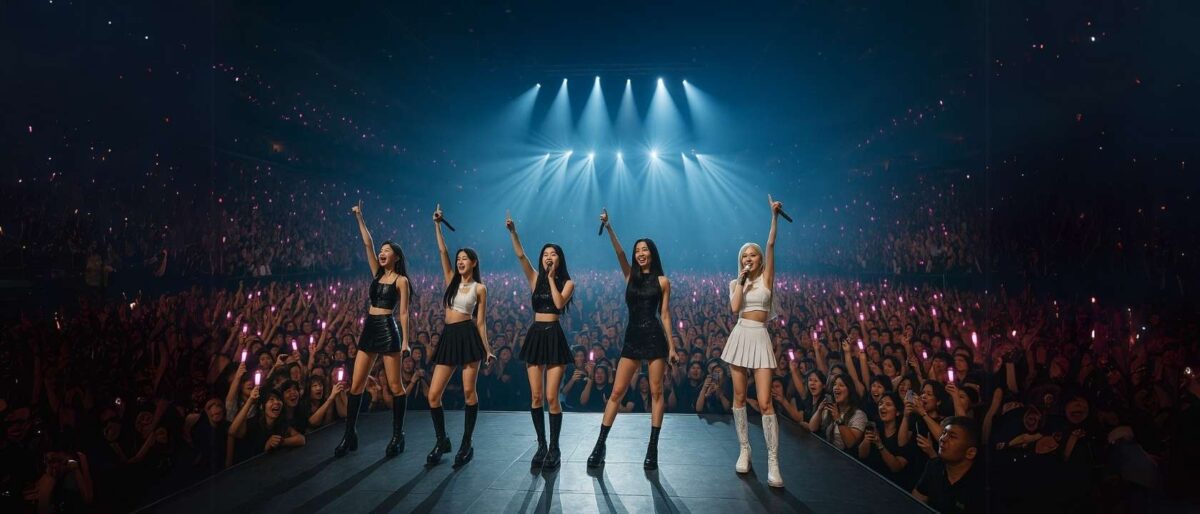
Despite all the noise about decline, not every corner of live music is struggling. In fact, some scenes are absolutely thriving—buzzing with sold-out shows, high-energy crowds, and real momentum. You just have to know where to look.
Start with K-pop, Latin music, and EDM. These genres are packing venues worldwide. K-pop stans travel across state lines—and even continents—for a glimpse of their idols. Latin artists like Karol G and Peso Pluma are breaking into arenas once dominated by pop and rock. And EDM festivals? Still drawing massive crowds ready to dance ’til dawn.
Meanwhile, the rise of niche festivals and micro-tours has created new opportunities for artists who don’t need stadiums to make magic. From vinyl-only DJ sets in tiny record stores to folk duos performing in candlelit bookstores, fans are craving more curated, offbeat experiences—and they’re showing up for them.
There’s also a surge in international concert demand. As North American ticket sales wobble, fans in Asia, South America, and parts of Europe are picking up the slack, welcoming artists with open arms and sold-out dates. The global stage has never been more important.
And let’s not forget the DIY venues and local music scenes. Basement shows, indie art galleries, rooftop pop-ups—they’re alive and kicking. These spaces might not make headlines, but they’re the heartbeat of live music culture, offering intimate, unforgettable shows for those in the know.
So no, concerts aren’t dying. They’re just reshaping themselves around passion, community, and the places where music still feels electric.
So… Are Concerts Actually Dying?
Let’s put all the pieces on the table. Ticket sales are slumping in some sectors. Artists are canceling tours. Fans are burned out, broke, or busy watching shows from their phones. At a glance, it’s easy to think: concerts are on their way out.
But then—there are record-breaking tours, genre-specific explosions, and local venues packed with loyal fans. Some artists are thriving more than ever. Some fans are just showing up differently. So what’s the truth?
Concerts aren’t dying. They’re evolving. The mass-market, one-size-fits-all model doesn’t work anymore. People are no longer blindly buying tickets to every show—they’re choosing carefully, intentionally, and emotionally. They want value, intimacy, connection, and purpose. That’s not a death sentence. It’s a wake-up call.
The future of live music won’t be built on scale. It’ll be built on experience. Thoughtful tours. Smarter pricing. Creative formats. And artists who engage—not just perform. If concerts are changing, maybe that’s a good thing.
The lights are still on. The music still matters. We’re just in a new era—and honestly, it might be the most exciting one yet.
What’s Next? Predictions for the Future of Concerts
If 2025 feels like a turning point, that’s because it is. Live music is recalibrating—and what’s coming next might look radically different from what we’re used to. But that’s not a bad thing. It’s an opportunity to rebuild smarter, fairer, and more creatively.
Hybrid models—a mix of in-person and livestreamed shows—are here to stay. They open access to fans who can’t afford the flight or fight the crowds. Imagine watching your favorite artist perform live in Tokyo… from your couch in Tulsa. Not a replacement, but a complement—and one with global reach.
We’ll likely see more tiered experiences, where budget-conscious fans can still attend the show without needing a VIP badge just to breathe near the stage. Expect general admission, intimate upgrades, and even virtual-only passes designed for every price point.
Touring itself is changing. Artists are opting for fewer dates in strategically chosen cities instead of exhausting global marathons. Think quality over quantity. A few unforgettable shows—captured, streamed, and savored—rather than dozens of burned-out pit stops.
There’s growing momentum behind fan-powered booking platforms and decentralized ticketing systems. Imagine fans voting on where an artist plays next—or tickets sold as NFTs to cut out scalpers and third-party markups. The technology’s there, and it’s gaining traction.
Finally, the demand for transparency in ticketing is only getting louder. Fans want to know what they’re paying for, where their money goes, and how pricing works. Ethical ticketing—clear fees, fair access, and fewer bots—could be the new baseline.
The concert scene isn’t dying. It’s shedding old skin, reinventing itself, and becoming something more sustainable, creative, and fan-friendly. And honestly? We’re here for it.
Conclusion
The concert isn’t over—it’s just playing a different tune. Sure, 2025 has brought challenges, cancellations, and a shift in how fans engage. But the heartbeat of live music is still there, pulsing through every stadium chant, barroom chorus, and shared screen moment.
Whether you’re front row, back balcony, or curled up at home watching a livestream, the feeling hits the same. That thrill when the lights go down. That scream when the first note lands. That quiet moment when a song says everything you’ve been holding in. No algorithm can replace it. No trend can erase it.
The concert industry will have to keep evolving—fairer prices, smarter touring, better tech, deeper fan connection. But the magic? That part’s timeless. It’s still about people, presence, and the power of sound to make us feel something real.
So no, concerts aren’t disappearing. They’re redefining. And if we’re lucky? The best shows might still be ahead of us.