
What is an Open Mic Night? A Beginner’s Guide
June 3, 2025
How to Earn Rewards & Points When Buying Event Tickets
June 3, 2025Are Paper Tickets Still a Thing in 2026?
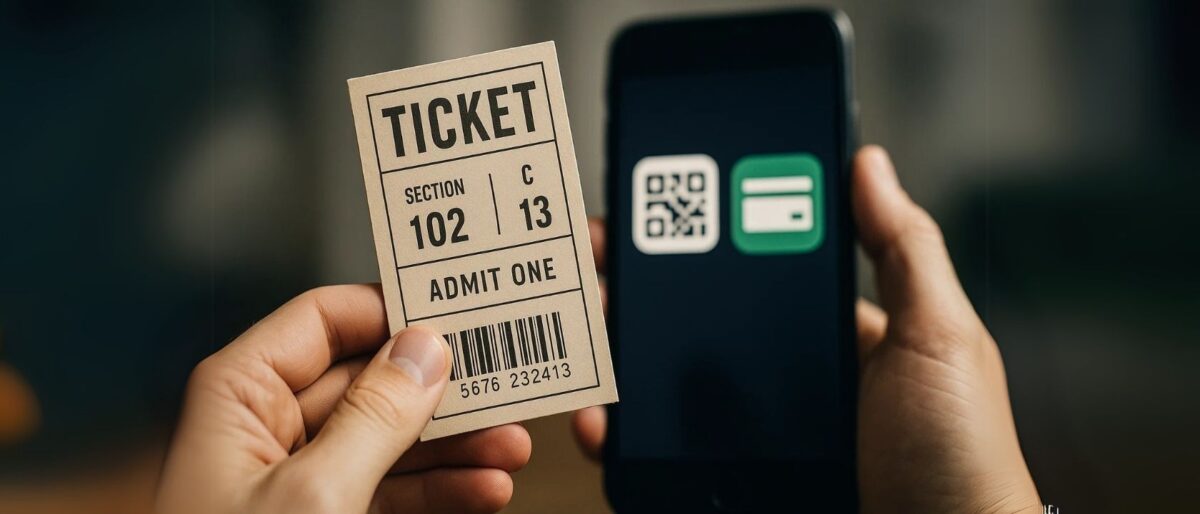
Paper tickets—once tucked in wallets, pinned to corkboards, or saved like treasure—are fading fast in a swipe-and-scan world. But are they truly gone? Not quite. From nostalgia to necessity, there’s still a place for that printed stub. Here’s what’s changing, what’s sticking around, and why it all still matters.
What Counts as a Paper Ticket?
Not all paper tickets are created equal—and no, your crumpled printout from your inbox doesn’t carry the same magic as a foil-stamped stub from a 1990s rock concert. These days, “paper ticket” can mean a few different things, and the distinction actually matters depending on the event, venue, and your expectations.
Printed-at-home tickets are the most common modern version. You buy online, click “Print,” and voilà—a sheet of paper with a barcode. Functionally fine, but not exactly frame-worthy. These usually work well for concerts, Broadway shows, and sports events, especially if you like to skip will-call lines.
Then you’ve got souvenir-style tickets. Think: heavy card stock, colorful branding, maybe a hologram stamp or thermal ink. These are often mailed to you (for a fee) and are popular for collectors, festivals, or die-hard fans who want something tangible. They’re also harder to fake and sometimes required for exclusive VIP entry.
There’s also a gray area—some venues offer kiosk-printed tickets on receipt paper. They’re technically paper, but they scream “grocery store” more than “showbiz.” And yes, they’re still valid.
From baseball games to Broadway, festivals to farewell tours, the paper ticket hasn’t vanished—it’s just evolved. The feel may differ, but if it scans, it stands.
Who Still Uses Them—and Why
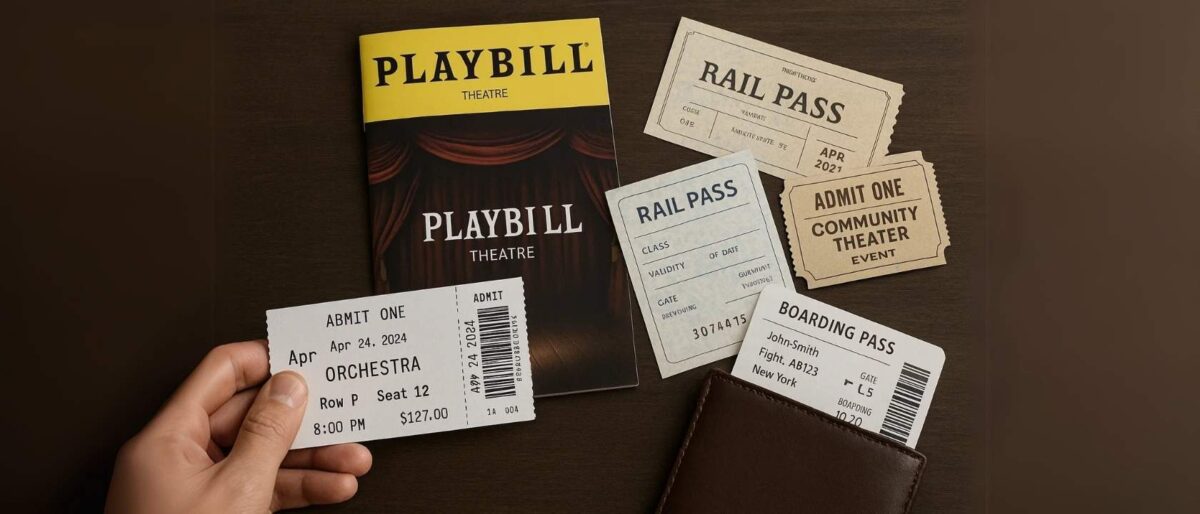
While the digital takeover is real, paper tickets haven’t completely left the building. In fact, they’re still alive and kicking in some pretty important corners of the entertainment and travel worlds—and not just because someone forgot to update their tech.
Broadway theaters are a prime example. Many still accept, and sometimes prefer, printed tickets—especially older venues with limited mobile scanning capabilities or historic charm. Plus, there’s something fitting about having a printed Playbill and a matching ticket stub, like old-school theatergoers used to clutch.
Then you’ve got smaller-town events, community theater, and nonprofit performances. These venues may not have the budget (or the interest) to invest in mobile ticketing systems. Handing someone a physical ticket at the door just works—and keeps things personal.
International travelers also run into print-only scenarios. Whether it’s a rail pass in Europe or an event in a country with tech restrictions, printing your ticket can still be mandatory. And if you’ve ever lost phone signal in a foreign city minutes before showtime, you know why.
And let’s not forget the “I don’t trust apps” crowd. They’re real. They prefer something they can hold, see, and tuck into their wallet—no Wi-Fi required, no QR code anxiety. For them, paper tickets are peace of mind, not a relic.
The Case for Digital-Only Tickets
Let’s be honest—paper might have charm, but pixels have power. Digital-only tickets have surged ahead for good reason, and once you’ve breezed past a line with just a scan of your phone, it’s hard to go back. Here’s why venues, artists, and fans are embracing the paperless push.
Convenience is king. You can’t lose something that lives in your email, your wallet app, or your Ticketmaster account. Whether you’re stuck in traffic or running late from dinner, your phone becomes the golden key to entry. No more digging through drawers or realizing you left your ticket on the fridge.
Eco-friendliness is no small matter either. Millions of tickets are printed for tours, games, and festivals each year—then promptly trashed. Digital tickets reduce waste, cut down on ink and paper, and eliminate unnecessary shipping. For sustainability-minded fans, it’s a win-win.
Scalability makes digital essential for massive events. When you’re dealing with stadiums or same-day rush tickets, distributing thousands of entries with a click is way more efficient than mailing or printing.
And finally, security. Digital tickets are tougher to fake. Barcode refresh tech, transfer tracking, and locked ticket apps help prevent fraud and shady resales. For event organizers, it’s less of a logistical nightmare and more peace of mind.
Sure, digital doesn’t sparkle—but it sure gets you through the door faster, cleaner, and safer.
But There’s Still Something About Paper
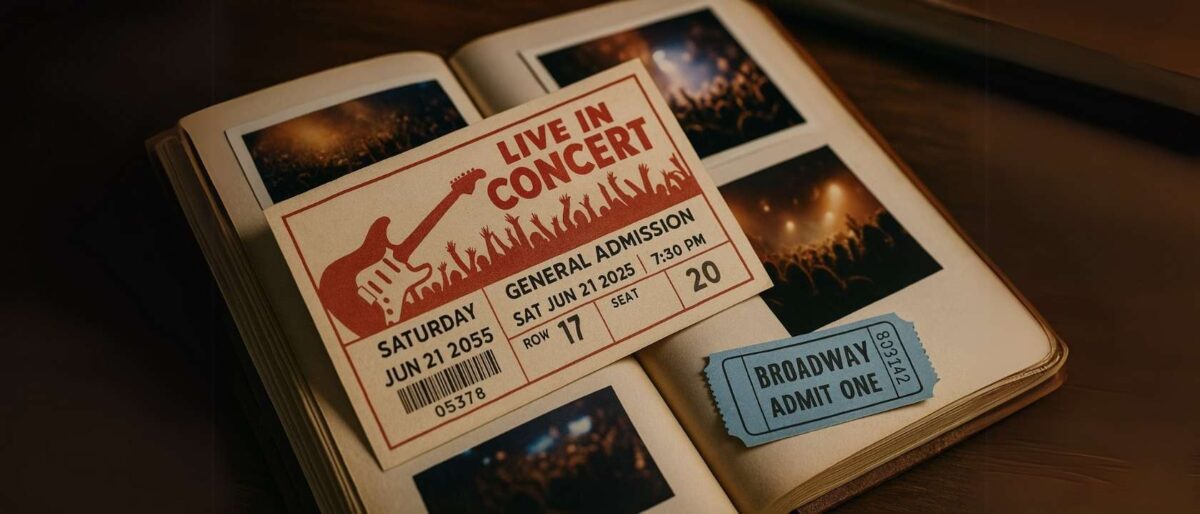
Despite all the digital dazzle, paper tickets haven’t completely bowed out—and for good reason. There’s something undeniably special about holding a ticket in your hand, like a tangible receipt for a night you’ll never forget. It’s not just about entry; it’s about memory.
Nostalgia hits hard. For collectors, scrapbookers, and sentimental souls, paper tickets are little time capsules. They’re creased, smudged, maybe even torn at the edge—but they’re real. Decades later, they bring back the roar of the crowd, the opening guitar riff, the gasp during Act One’s twist. Try getting that from a QR code.
Souvenir status? Locked. Some artists and theater productions get this and offer limited-edition printed tickets—complete with artwork, foil accents, or old-school thermal printing. These keepsakes aren’t just tickets—they’re mementos, often as carefully saved as the Playbill or the signed T-shirt.
And let’s face it, for some people, there’s still comfort in having something you can physically hold. No battery required. No app to update. Just a piece of paper that means “you’re going.” There’s a simple kind of magic in that.
In a world of swipes and scans, a paper ticket feels oddly luxurious—like vinyl in a Spotify world. Not practical, maybe. But priceless? Absolutely.
When You Need a Paper Ticket
Sure, your phone is a miracle of modern convenience—until it dies, glitches, or loses signal at the worst possible moment. That’s when a good old-fashioned paper ticket earns its keep. While digital tickets dominate, there are still times when paper isn’t just nostalgic—it’s necessary.
Traveling abroad? Not every venue in every country is wired for seamless scanning. Smaller theaters, rural venues, or international events may still rely on paper systems, especially if tech infrastructure is limited. Bringing a printed ticket avoids awkward language-barrier hiccups at the gate.
Some places still require it. Certain venues or ticket providers ask attendees to print tickets in advance, especially for reserved seating or will-call pickups. If the confirmation email says, “Print and bring with you,” don’t test the system. Show up with paper in hand, or risk a showdown at the box office.
Tech fails happen. Phones die, apps crash, scanners go down. A printed backup can be the difference between watching your favorite artist from your seat or pleading your case to an overwhelmed usher. And if you’re going to a huge event—like a festival, playoff game, or Broadway premiere—it’s just smart insurance.
Bottom line: Think of your printed ticket as a plan B with charm. It might live in your bag and never get used—but when the lights dim and your phone blinks out, you’ll be glad it’s there.
Risks & Scams: Paper vs. Digital
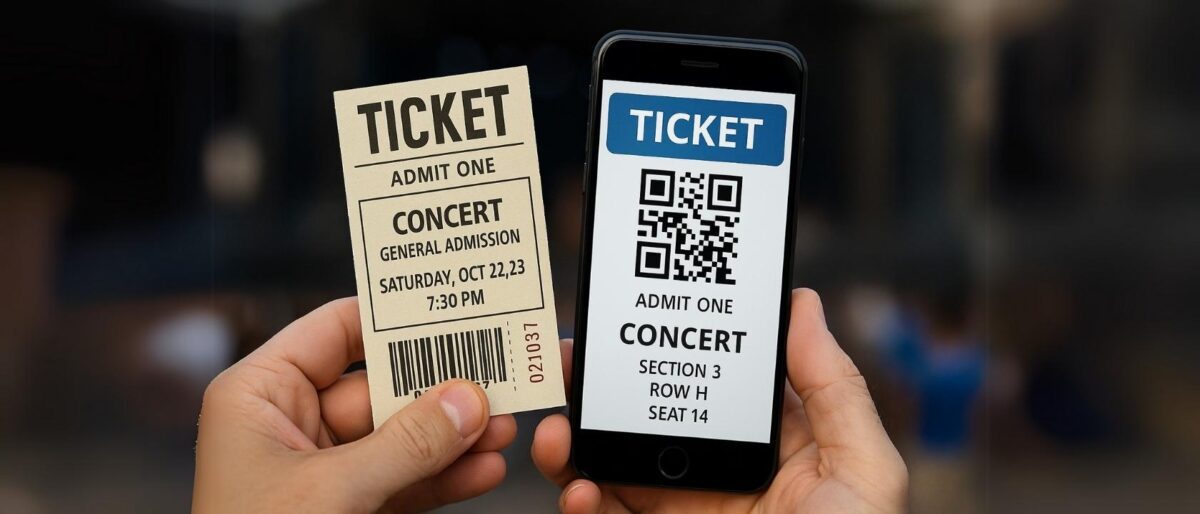
Whether you’re holding a glossy souvenir stub or flashing a QR code on your phone, tickets—like currency—can be faked. But the risks differ between formats, and knowing how scammers operate can save you from a world of frustration (and a big hole in your wallet).
Physical tickets are easier to forge. Counterfeiters have come a long way since photocopying. From fake barcodes to replicated venue logos and perforated edges, a scam paper ticket can look surprisingly legit. Online marketplaces and shady resellers love to exploit unsuspecting buyers looking for a “real” keepsake.
Digital isn’t foolproof either. Screenshot scalping is a modern menace—someone buys a valid ticket, screenshots the barcode, and sells it to multiple people. The first person through the gate gets in. Everyone else? Denied. It’s a slick scam that’s hard to catch until it’s too late.
Beware the nostalgia trap. Some scammers prey on the charm of old-school paper, offering “limited-edition” printed tickets—only to send fakes or nothing at all. If it sounds too cool (or too vintage) to be true, pause before you click “buy.”
Stick with trusted sources. For both paper and digital, always buy through official vendors like Ticketmaster, Telecharge, or the event’s official site. Reputable ticket outlets often offer verified resale options too. Avoid third-party sellers on social media unless you’re ready to roll the dice—and maybe lose.
Bottom line? Don’t let a scammer turn your dream night into a nightmare. Stay sharp, buy smart, and when in doubt, double-check before checkout.
Hybrid Models: Best of Both Worlds?
In a world toggling between touchscreen convenience and tactile nostalgia, hybrid ticketing is becoming the happy medium. Whether you’re a sentimental scrapbooker or a minimalist with a phone full of passes, some events now let you have your cake and frame it too.
Digital ticket + mailed keepsake: Many Broadway shows, concerts, and special events offer optional souvenir tickets—mailed to your door after the event or available at purchase. Think glossy, foil-stamped, or even personalized stubs. You scan your phone to enter, but still walk away with a tangible memory that doesn’t live in your inbox.
Print it when you need it: On-demand printing is available at some venues and box offices. Forgot to print at home? No problem—kiosks or service desks can generate a paper version on the spot. It’s a lifesaver when your phone’s on 2% or your grandma insists she “needs something to hold.”
Festivals get fancy: Multi-day events often ditch traditional tickets altogether and issue wristbands, RFID badges, or scannable lanyards. These combine access control with branding and make entry and re-entry smoother than ever. Bonus: they double as souvenirs—festival-goers love to collect and wear them like badges of honor.
Pick your preference: Some venues and ticketing platforms now offer a choice at checkout: digital, mail, or print-at-home. That means you can go full-digital for convenience, or opt-in for something physical without losing the perks of tech. No one-size-fits-all policy—just flexibility for fans with different styles (and levels of tech-trust).
Hybrid ticketing isn’t just a trend—it’s a thoughtful shift toward meeting people where they are. Whether you’re all-in on apps or forever loyal to paper, the best systems now let you choose how you show up to the show.
Conclusion
So, are paper tickets still a thing? Absolutely—but they’re evolving. While digital dominates for ease and efficiency, paper hasn’t taken its final bow. It lives on as a keepsake, a backup, a preference—and sometimes, a necessity. Whether you swipe, scan, or stash your way into a show, what really matters is the experience that follows the entry. From holographic stubs to QR codes that vanish after one use, tickets may change form, but their function stays the same: access to a moment worth remembering.
So next time you’re booking seats for that epic concert, Broadway smash, or local festival, ask yourself—what do you want to take home? A memory in your phone, or something you can frame?