LGBTQ+ Friendly Comedy Shows and Performers to Watch in 2026
June 6, 2025
Eventbrite vs Fever vs Dice: Best Event Apps Compared
June 6, 2025Are Ticket Bots Legal in 2026? Understanding the Controversy
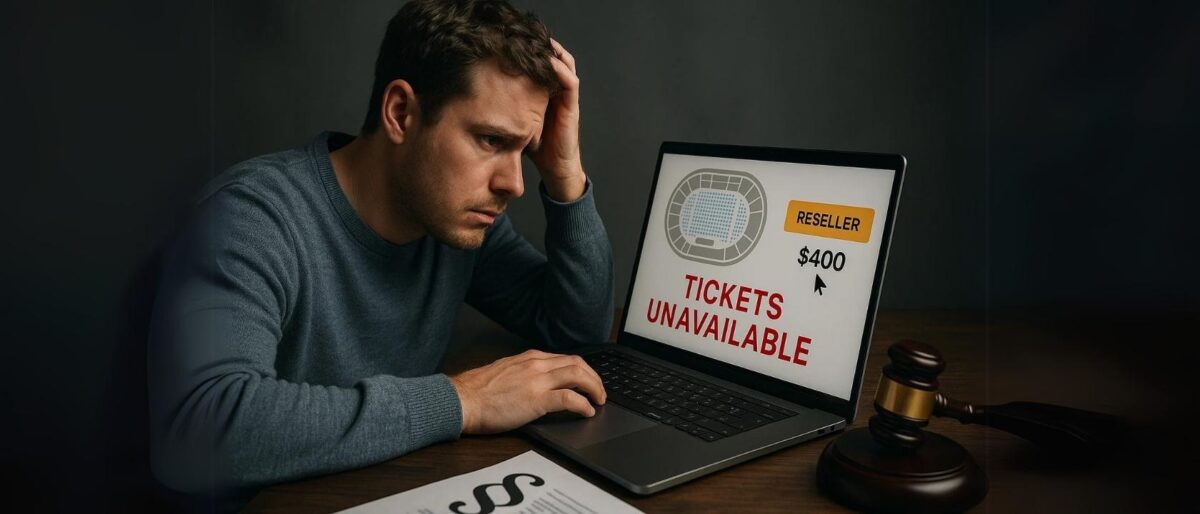
You click, you wait, you lose—again. Sound familiar? Ticket bots are behind those vanishing seats and jaw-dropping resale prices. But are they even legal? This controversy isn’t just about code and clicks—it’s about fairness, fandom, and frustration. Let’s unpack the digital chaos that’s hijacking live events, one ticket at a time.
What Are Ticket Bots?
Ticket bots are sneaky little programs designed to do one thing: buy up tickets faster than any human possibly can. They’re not waiting in the same digital line as you—they’re leapfrogging the system, hitting “refresh” a thousand times a second, and snatching up seats before you even finish typing your billing info.
At their core, these bots are software tools that automate the ticket-buying process. They mimic real users but operate at machine speed. They bypass captchas, ignore ticket limits, and slip past security filters like digital pickpockets in a crowd.
Not all bots behave the same way, though. Here’s a quick breakdown of their villainous variety:
- Scalper bots – The classic offenders. These bots swarm ticketing sites the moment a sale goes live, scooping up hundreds—or thousands—of tickets instantly. The goal? Resell them at inflated prices and make a hefty profit.
- Inventory hoarder bots – These bots don’t always buy—they clog the system. By holding tickets in carts, they block real fans from purchasing, creating artificial scarcity and stress-buying frenzies. It’s manipulation at lightning speed.
- Data scraper bots – Less flashy but just as sly. These bots scan ticketing websites for pricing, seat availability, and trends. Scalpers use this intel to time their listings and squeeze every cent out of desperate buyers.
Why Ticket Bots Are a Problem
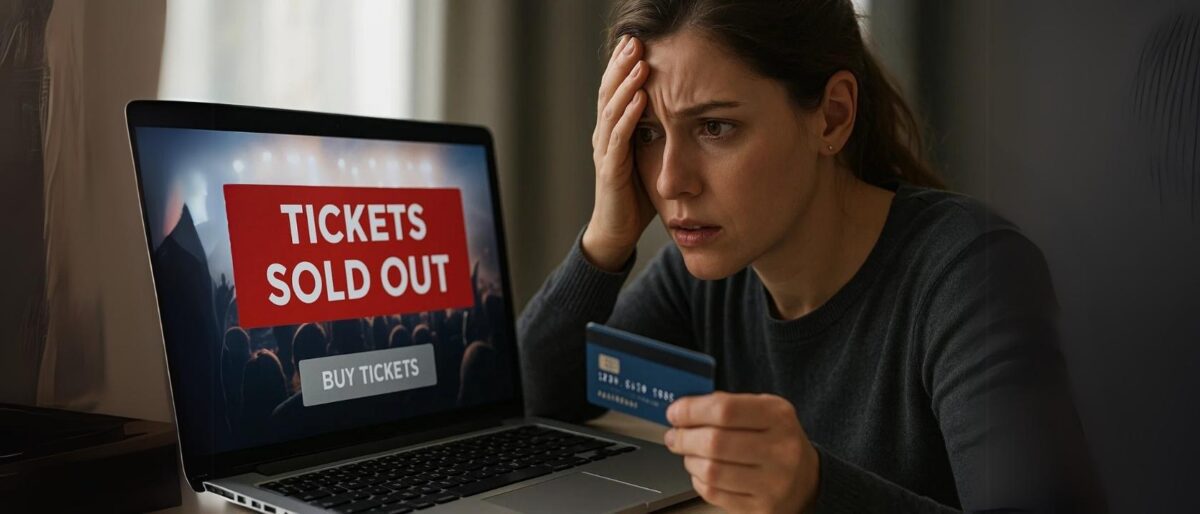
Imagine waiting for your favorite artist’s tickets to drop. You’ve set an alarm, logged in early, credit card ready—and still, within seconds, everything’s gone. That’s not bad luck. That’s bots. And they’re turning excitement into exhaustion, show after show.
First off, ticket bots give an unfair advantage to scalpers. While fans tap and refresh like hopeful hamsters on a wheel, bots are scooping up tickets in milliseconds. No pause. No captcha. No mercy. They weren’t built to cheer—they were built to clean house.
That’s why many events sell out instantly, only to reappear moments later on resale sites—sometimes at five or ten times the face value. Bots don’t just buy—they flip. The result? Skyrocketing resale prices and fewer real fans in the room.
It stings, especially when you know the game’s rigged. Fans feel cheated, forced to choose between overpaying or missing out altogether. And it’s not just buyers who lose. Artists and venues take the hit, too—when tickets go unsold due to price-gouging, seats stay empty, revenue drops, and trust erodes.
Worse still, bots create artificial scarcity. They make demand look higher than it really is, inflating hype and prices. It’s manipulation masquerading as popularity. And that illusion hurts everyone—except the ones cashing in behind the scenes.
Are Ticket Bots Legal in the U.S.?
The short answer? Yes and no. Ticket bots exist in a legal gray zone. While federal law technically bans their use in many cases, enforcement is patchy at best—and loopholes still let bad actors slip through the cracks like smoke through a screen door.
In 2016, Congress passed the BOTS Act (Better Online Ticket Sales Act), a long-overdue response to rising fan frustration. The law makes it illegal to use bots to bypass security measures, ticket limits, or access controls on ticketing websites for public events. So if someone’s using a bot to hoard Beyoncé tickets during a general sale? That’s technically a federal violation.
But there’s a catch. The law doesn’t apply to private sales or invite-only events. And perhaps more importantly, enforcement falls to the Federal Trade Commission (FTC), which rarely takes action. To date, only a few fines have been handed out, and the deterrent power is minimal.
Some states have their own ticketing laws, which can be stricter or more specific. New York, for instance, has cracked down harder on ticketing fraud. But again—without serious oversight or consistent prosecution, these rules often live more on paper than in practice.
The result? A digital Wild West, where bots keep skirting the rules, fans keep getting locked out, and resellers keep raking in profits. Until stronger enforcement or reform arrives, the door remains cracked open—and the bots know it.
Ticket Bots Around the World
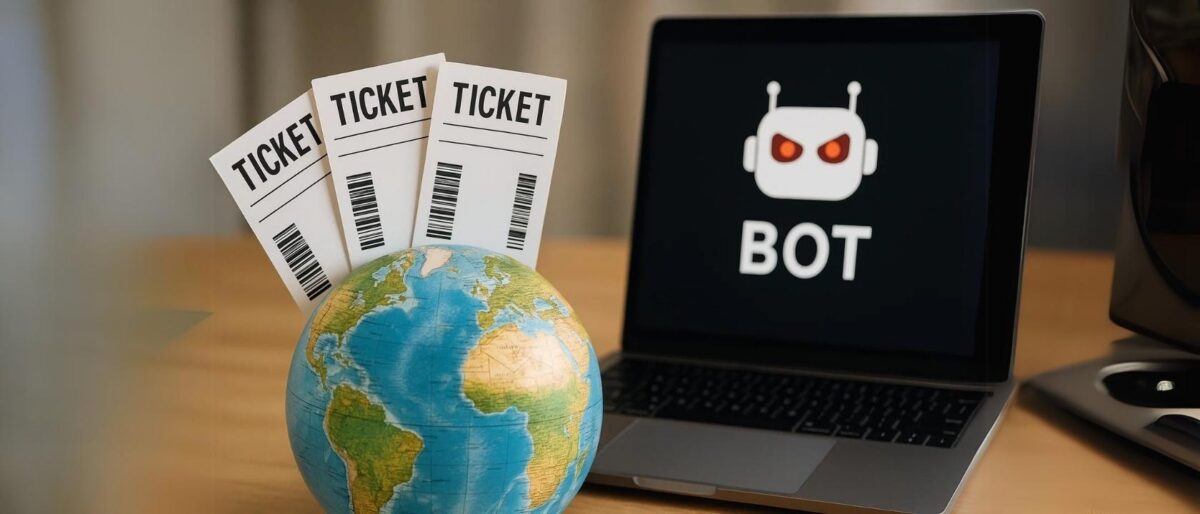
Ticket bots aren’t just an American headache—they’re a global nuisance. From Canada to Australia, governments are grappling with how to stop digital scalpers without tripping over red tape. The result? A mixed bag of regulations, loopholes, and bot workarounds that make international enforcement feel like a game of whack-a-mole.
In Canada, Ontario’s Ticket Sales Act is one of the strongest efforts to fight the bots. It explicitly bans their use and sets resale price caps, limiting markups to 50% above face value. Sounds great—until you realize scalpers just shift sales to provinces or platforms outside Ontario’s jurisdiction.
The United Kingdom has taken a transparency-first approach. Resale platforms are legally required to disclose seller identities and original ticket details. That means if someone’s flipping a seat in Row Z for five times its value, you can at least see who’s behind the screen. Still, bot use remains under scrutiny, especially for major concerts and football matches where demand is fierce.
Australia adds another twist: regulation varies by state. In places like New South Wales and Victoria, resale price gouging is illegal, and fines are no joke. But in other areas, rules are looser—creating loopholes big enough for a whole server farm of bots to slip through.
The bottom line? International inconsistency fuels the problem. If bots can’t exploit U.S. sales, they target overseas releases. When one country tightens laws, others become the backdoor. Until there’s a coordinated global response, the resale economy will continue thriving across borders—and fans everywhere will keep paying the price.
Who Uses Ticket Bots—And Why?
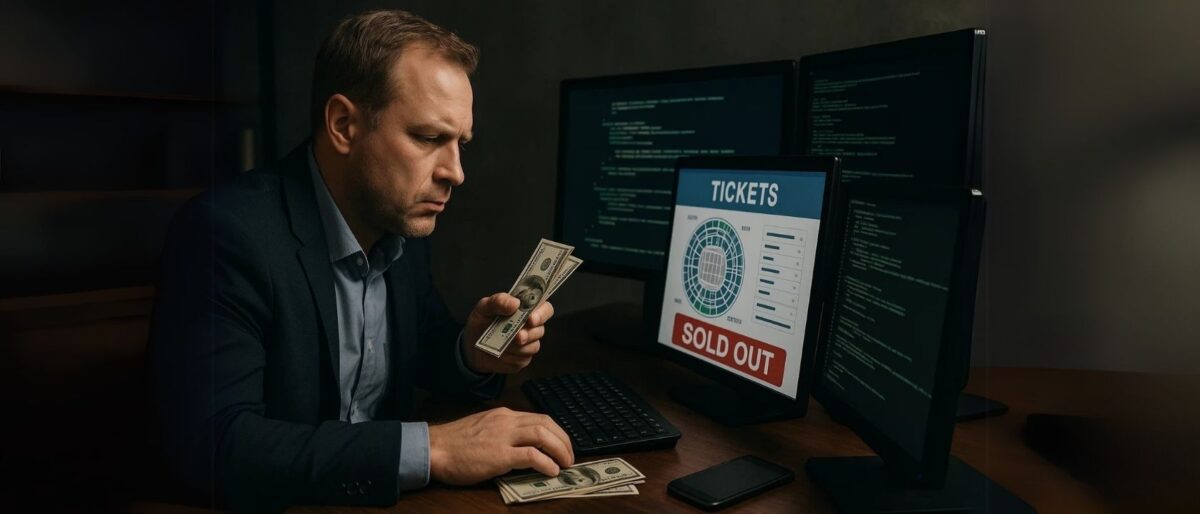
Behind every sold-out screen and overpriced seat is someone pulling the strings—and it’s not usually a devoted fan. Ticket bots are the favorite weapon of brokers, scalpers, and shady resellers looking to turn live events into fast cash. These aren’t your cousin’s Craigslist listings—they’re coordinated operations, often running dozens of bots across multiple IP addresses, scooping up tickets the moment sales go live.
Some defenders claim bots fill a “market need.” Their argument? If people are willing to pay more, why not let supply meet demand? It’s capitalism, baby. But that glosses over the fact that bots are cutting the line—not competing fairly. They’re not just speeding things up—they’re gaming the system with an unfair advantage built on automation and access.
Others exploit gaps and loopholes in ticketing systems. Many platforms still rely on outdated tech or weak bot protection. Some don’t enforce purchase limits effectively. And others, frankly, turn a blind eye—because sold-out shows look good on paper, even if half the audience is missing on show night.
What makes it even murkier? Lack of transparency. Most ticket sites don’t reveal who’s buying, who’s reselling, or how many tickets one entity holds. Bots can be masked, redirected, or even hired by companies pretending to be legitimate vendors. That anonymity lets scalpers operate in the shadows, free from real accountability.
So, while the average buyer’s clicking “refresh,” someone else is quietly cleaning house—and stacking profits. But it’s the fans who pay the real price. Speaking of which, let’s talk about how bots directly impact people like you and me next.
How Bots Affect Real Fans
If you’ve ever stared at a “Sold Out” screen just seconds after a sale starts, you’ve felt it—that punch-in-the-gut disappointment. Bots don’t just win the race; they change the rules entirely. For regular fans, that means missed opportunities again and again.
Instead of scoring tickets at face value, fans are forced to scour resale platforms where prices skyrocket. A $75 concert ticket might show up minutes later for $300 or more—thanks to bots that cornered the market and scalpers eager to cash in. And because many resale listings lack regulation, buyers also face a growing flood of scams and fake tickets.
It’s not just about money. It’s about trust. Fans begin to question the process: Was the event ever really available to the public? Is there any point in trying next time? This kind of distrust erodes the connection between fans and the artists they love.
The impact hits hardest on those trying to attend limited or high-profile events—final tour stops, one-night-only shows, intimate venues. When bots get there first, fans get locked out of once-in-a-lifetime experiences. No do-over, no encore, just a resale link and a sigh.
What Ticket Platforms Are Doing About It
Ticket platforms aren’t just standing by—they’re fighting back. But it’s a bit like battling a hydra: cut off one head (or bot), and two more sprout up with sneakier code. Still, companies have rolled out several defenses to level the playing field—some helpful, some headache-inducing.
Common tech tools include CAPTCHA tests (those “click all the traffic lights” puzzles), queue systems that randomly assign buyers a place in line, and purchase limits that cap how many tickets one account can buy. These hurdles aim to slow down bots—but let’s be real, bots can jump over most of them like Olympic hurdlers on Red Bull.
Then there’s the Verified Fan program, popularized by Ticketmaster. It screens potential buyers before a sale and sends access codes only to fans who pass the vibe check (and by vibe check, we mean email check). It’s meant to keep bots out and real fans in. Sometimes it works. Sometimes it locks out fans while scalpers get creative with fake accounts.
On the back end, companies use bot detection software, IP tracking, and AI monitoring to spot unusual behavior—like hundreds of tickets being bought in milliseconds from the same network. These efforts help, but bots are slippery. Developers constantly update them to mimic human behavior more convincingly.
And here’s the rub: some of these tools also hurt real fans. Queue systems can glitch. CAPTCHA tests can fail. Verified Fan codes don’t always arrive. And once someone gets blocked unfairly, the damage is done. In trying to stop bots, platforms sometimes slow down the very people they’re trying to protect.
How to Avoid Getting Burned by Bots

Let’s face it—fighting bots with bare hands feels impossible. But while you can’t out-code a scalper, you can stack the odds in your favor. A few smart strategies can help you beat the bots at their own game—or at least get a fair shot before the resellers move in.
- Buy tickets from official sources – It sounds obvious, but it matters. Stick to primary platforms like Ticketmaster, AXS, or the venue’s direct site. These outlets are more likely to have bot protection, customer service, and refund guarantees if things go sideways.
- Sign up for presales and fan verifications – Artists and platforms often offer presale access to newsletter subscribers, credit card holders, or Verified Fans. These early windows are your best bet to score seats before bots flood the general sale.
- Avoid third-party resale sites without guarantees – If you must buy a resale ticket, use platforms with buyer protection (like StubHub or SeatGeek). Avoid sketchy Facebook listings, Craigslist posts, or random sellers without verified reviews. If it looks shady, it probably is.
- Use browser autofill and fast internet connections – Shave off precious seconds with saved info. Autofill your name, address, and credit card so you’re not typing while bots are buying. A solid Wi-Fi connection or wired ethernet cable can also give you a speed edge when every click counts.
- Set alerts and act quickly—seconds count – Follow your favorite artists, venues, and ticket platforms on social media. Set calendar reminders, alarm clocks, and email alerts. When the sale starts, refresh early, stay focused, and don’t hesitate—your dream seat might vanish in a blink.
Should Ticket Bots Be Legal? The Debate
Ticket bots sit at the messy intersection of law, ethics, and economics. Some call them clever tools of capitalism. Others call them glorified digital scalpers. Either way, they’ve sparked a fierce debate—and the lines between what’s legal and what’s right get blurrier by the minute.
On the pro-bot side, advocates argue it’s a matter of free market dynamics. If a fan is willing to pay $500 for a $100 seat, why shouldn’t someone capitalize on that? Bots, they say, simply automate supply-and-demand efficiency. It’s just business. They also point out that automation is everywhere—why should ticketing be any different?
But the opposing side sees it differently. Bots create an unfair advantage, putting fans at a disadvantage and blocking access to reasonably priced tickets. They undermine the fan experience, hurt artists who want full crowds, and breed resentment and exclusion. For many, it’s not just a money issue—it’s about access, equity, and respect.
Then there’s the ethical gray zone. Even when bots operate within the law, it doesn’t mean they’re fair. They exploit loopholes and warp the spirit of live entertainment—turning it into a luxury few can afford. “Legal” doesn’t always mean “cool.”
So what could help? Stronger, enforceable laws. Mandatory transparency in ticket listings. Caps on resale markups. Better yet, artist-controlled resale platforms where tickets can only be transferred at face value—or with limited increases. A fan-first system isn’t impossible—it just needs willpower, not just Wi-Fi.
The Future of Ticket Bots and Live Events
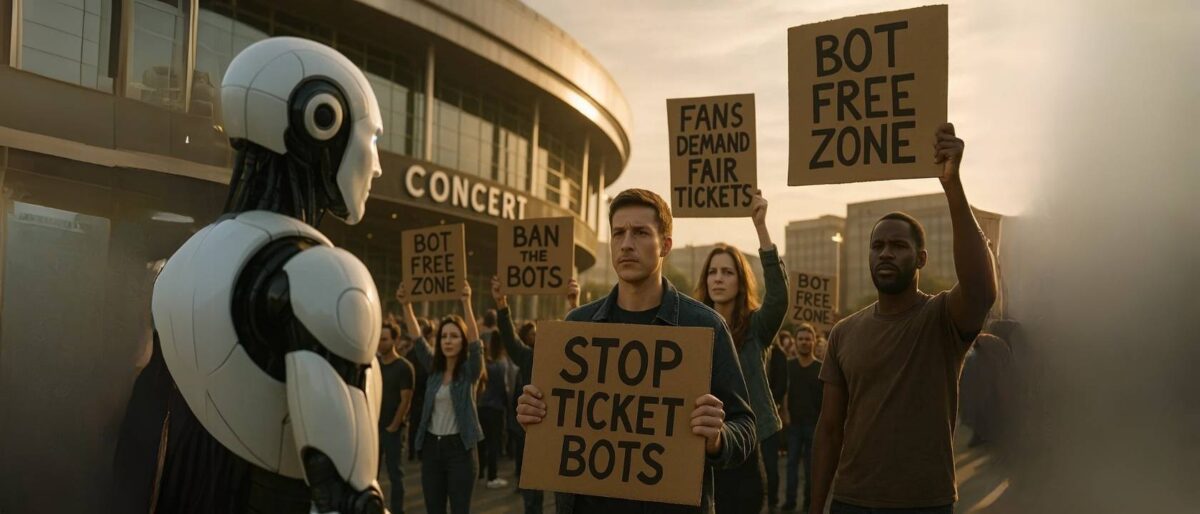
It’s clear: the ticketing system isn’t broken—it’s being gamed. But the future may hold better answers. From tech upgrades to policy overhauls, there’s a rising chorus calling for change. Bots had their era. Now fans, artists, and lawmakers are pushing back—louder, smarter, and maybe, just maybe, effectively.
First, there’s growing pressure on both the tech side and the legal front. Fans are demanding reform—more transparency, fewer tricks, and real consequences for cheaters. They’re tired of being told to “just refresh faster.” Lawmakers are catching on, too, with proposed updates to bot laws and calls for more aggressive enforcement at both state and federal levels.
On the tech front, new tools are emerging. Blockchain ticketing promises tamper-proof ownership records—each ticket linked to a verified buyer. NFTs (non-fungible tokens) could make ticket transfers traceable and secure, shutting down anonymous flipping. In theory, this could end mass reselling, prevent fraud, and return control to artists and venues.
And then there’s the resale market itself. Governments are starting to take a harder look at price-gouging platforms and anonymous listings. Expect to see more countries introducing price caps, seller ID requirements, and resale restrictions in the coming years.
While no solution is bulletproof, one thing’s certain: the public’s patience is running out. The era of bots dominating the box office may soon meet its match—in code, in courts, and in collective action.
Conclusion
At the heart of the ticket bot controversy is a simple standoff: speed vs. fairness. Bots are faster, smarter, and ruthlessly efficient. But every time they win, a real fan loses. And that trade-off—convenience for some, chaos for others—keeps eroding trust in the live event experience.
Ticket bots might be legal in some cases, but they’re rarely ethical. They exploit gray areas in law, tech, and transparency, turning concerts and games into digital battlegrounds. Fans are tired of clicking “buy” only to be bounced out by algorithms built to outpace them.
Public pressure is building—from fans, artists, and even lawmakers. More people are asking hard questions, pushing for real reform, and refusing to accept “sold out” as the end of the story. Whether it’s better laws, smarter tech, or just holding platforms accountable, the tide is shifting.
Because in the end, live events are about people—not programs. Fans deserve access, not just algorithms. And if enough voices speak up, maybe the next time tickets go on sale, the bots will be the ones left out in the cold.