
Thomas Rhett in Savannah, GA on Sep 6, 2025: Tickets & Info
August 30, 2025
Why Are Broadway and Comedy Shows Closed on Mondays? The Tradition Explained
August 30, 2025Are Ticket QR Codes Safe to Use? Avoiding Scans & Dupes
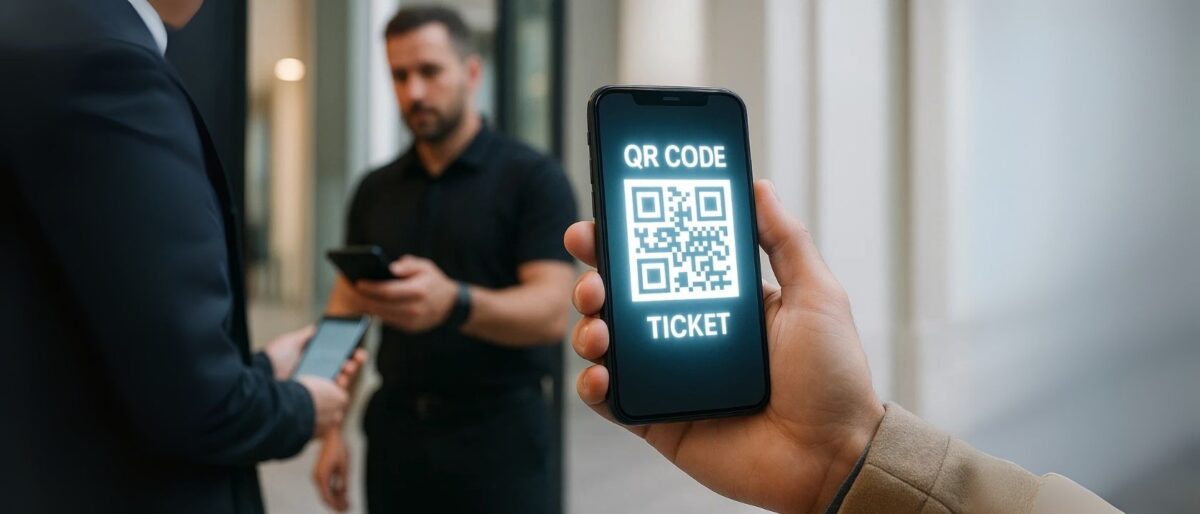
You grab a ticket, but instead of paper, it’s a QR code glowing on your phone. Is it foolproof or fragile? With digital tickets everywhere, fans wonder about scams and dupes. This guide explains how QR codes work, what risks exist, and how to keep them safe.
How Ticket QR Codes Work

A ticket QR code is more than a square of black and white pixels. It’s a digital key tied directly to your purchase. Each code is unique, storing details like the event, seat number, and buyer information. When scanned, it instantly confirms your right to enter.
Unlike a paper ticket, which can be passed around, a QR code is designed for one-time use. Once it’s scanned at the venue gate, the system marks it as used. That’s why arriving with a duplicate or already-scanned code means you’ll be turned away—only the first scan gets through.
Compared to paper tickets, QR codes are faster to process, harder to misplace, and more eco-friendly. You don’t have to worry about leaving them on the kitchen counter or waiting for shipping. Still, they bring digital risks: screenshots can be copied, codes can be shared too easily, and your phone battery becomes your lifeline to the show.
In short, QR codes simplify the entry process, but they demand careful handling. Treat them like cash—secure, personal, and never casually shared with strangers.
Myths vs Realities About QR Code Tickets
QR code tickets have brought convenience, but also a wave of confusion. Let’s separate the biggest myths from the actual truths so you know what’s safe and what’s risky.
Myth 1: “Screenshots are always safe to share.”
Reality: A screenshot is not secure. Once shared, it can be copied or resold, leaving you locked out when someone else scans it first at the gate.
Myth 2: “QR codes can’t be hacked.”
Reality: QR codes themselves are just data. If you post your code online or send it to the wrong person, it can be duplicated and misused without you knowing until entry is denied.
Myth 3: “All QR tickets are permanent.”
Reality: Many ticketing platforms now issue dynamic QR codes that refresh every few seconds. This prevents duplication but means screenshots or printed versions won’t work.
Myth 4: “Only scammers resell QR tickets.”
Reality: Fans often resell tickets legitimately through official platforms if plans change. The risk comes when QR codes are shared outside trusted channels, where scammers can exploit them.
Myths make QR ticketing sound flawless—or dangerous. The truth lies in between. Used correctly, they’re safe. Mishandled, they can be risky.
Risks of QR Code Tickets

QR codes simplify access, but they also carry digital pitfalls. If handled carelessly, your ticket can end up useless by the time you reach the venue. Here are the main risks to watch out for:
Duplicate tickets from screenshots.
Screenshots can be forwarded endlessly. If multiple people try to use the same code, only the first scan is honored. Everyone else gets stopped at the door.
Scammers reselling the same code multiple times.
Fraudsters often sell a single QR code to several buyers. By the time you arrive, someone else may already be inside using your ticket.
Public posting of QR codes on social media.
Excited fans sometimes share pictures of their tickets online without realizing the code is visible. Scammers grab these and use or resell them before the rightful owner even gets to the event.
Buyers turned away at the gate.
The harsh reality: if your code has already been scanned, security won’t let you in. There’s rarely recourse once a ticket is marked “used.”
These risks highlight why QR tickets need careful handling. Treat the code like a front-row seat—valuable, fragile, and only yours to use.
How Venues and Platforms Fight Dupes
Ticketing companies know scammers target QR codes, so they’ve built layers of protection to keep buyers safe. These tools make duplication harder and strengthen trust in digital entry.
Dynamic QR codes that refresh.
Instead of static images, many platforms issue QR codes that change every few seconds. This makes screenshots useless, since the code visible now won’t match the one needed at the gate later.
Mobile apps that lock tickets to a device.
Apps like Ticketmaster and AXS tie tickets directly to your account and smartphone. The QR code can’t be forwarded, screenshotted, or printed—it only works when accessed from the original buyer’s app.
Two-factor verification.
Some systems require both your QR code and a login confirmation, reducing the chance of unauthorized use. This extra step keeps tickets connected to your verified identity.
Blockchain and advanced security testing.
A few platforms are experimenting with blockchain tickets. Each entry is unique, trackable, and nearly impossible to forge. Combined with continuous security audits, this tech raises the bar for scammers.
By layering these defenses, venues and resale platforms make QR tickets safer. Still, no system is foolproof if buyers share codes carelessly.
Tips for Keeping Your QR Tickets Safe
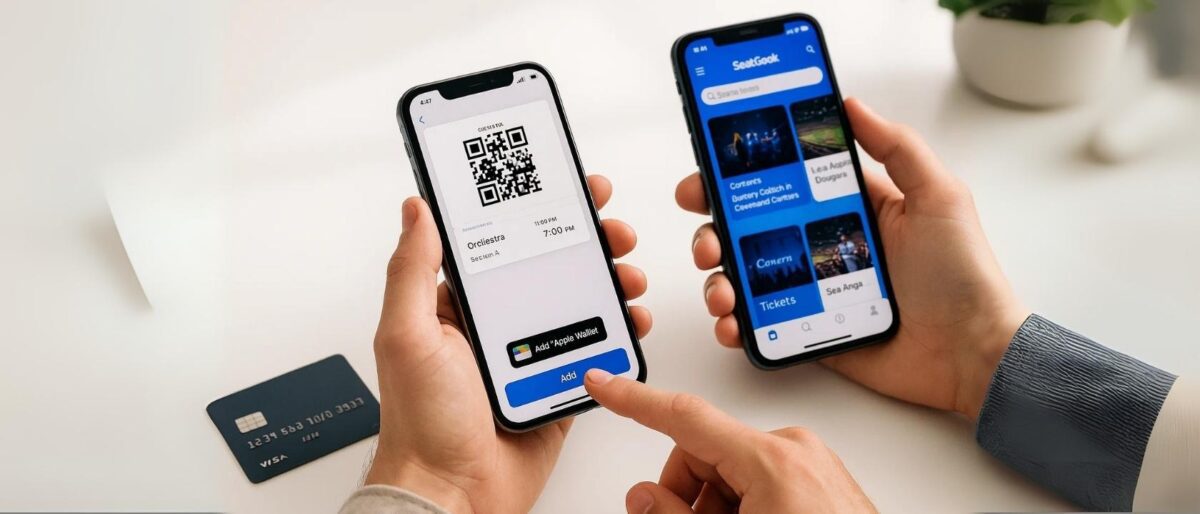
QR tickets work smoothly when handled with care. A few smart habits will protect you from scams and headaches at the gate. Here’s how to keep your tickets secure:
Never share screenshots of tickets online.
Even a quick photo on social media gives scammers all they need. Treat the code like cash—private and personal.
Transfer tickets only through official platforms.
Stick with trusted channels like StubHub, Ticketmaster, or SeatGeek. These platforms verify tickets and guarantee refunds if something goes wrong.
Double-check venue policies about mobile-only entry.
Some venues no longer accept printed versions. Make sure you know whether you’ll need the original app or a digital wallet for scanning.
Use secure digital wallets or official apps.
Adding your ticket to Apple Wallet, Google Wallet, or the venue’s official app reduces risk. These systems lock tickets to your device and protect against duplication.
Keep backup access handy.
Phones die or apps glitch. Have your confirmation email or login credentials ready so you can re-access your ticket if needed.
With these steps, your QR tickets stay safe and stress-free, letting you focus on the show instead of security risks.
Are QR Codes Safer Than Paper Tickets?
Paper tickets have been the norm for decades, but QR codes are quickly taking over. The question is: are they safer? The answer depends on how you handle them.
Pros.
QR tickets are harder to lose since they live on your phone. They can’t be slipped from your pocket or stolen from your bag. Each digital code is traceable, so platforms can cancel or reissue tickets if problems arise—something impossible with physical stubs.
Cons.
They’re not foolproof. Screenshots can be duplicated, and careless sharing opens the door for scams. QR codes also depend on technology. A dead phone battery or an app that won’t load at the gate can leave you stranded, even if your ticket is valid.
A balanced view.
Used properly, QR tickets are generally safer than paper. They protect against physical theft and make fraud harder when paired with dynamic codes or secure apps. Still, they require personal responsibility—keeping your phone charged, avoiding screenshots, and sticking to official platforms.
Handled wisely, QR codes give fans a faster, cleaner, and more reliable way to enter events without the risks tied to paper stubs.
The Future of Ticket Security
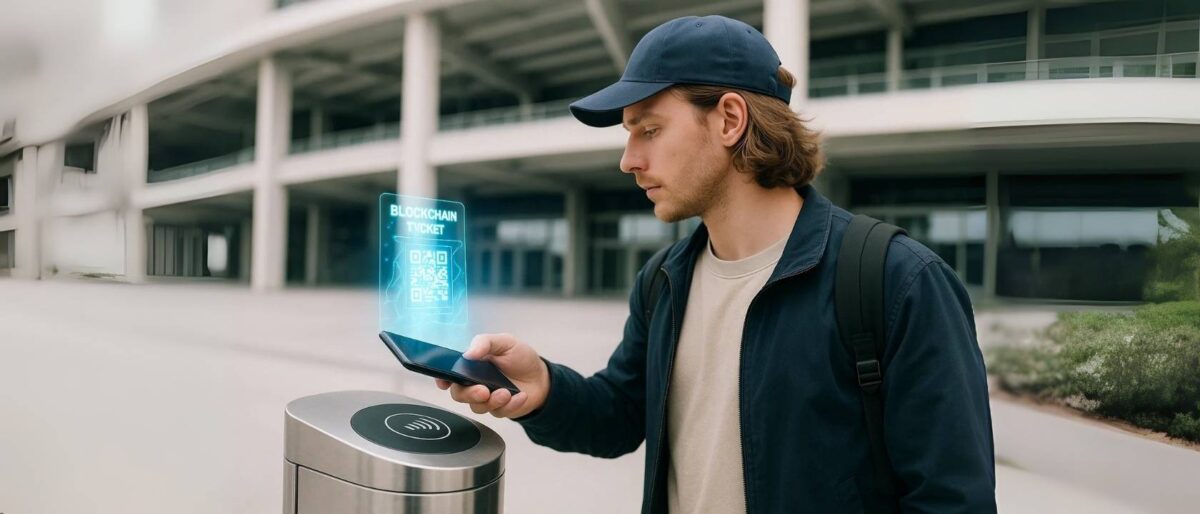
Ticketing is moving fast into a digital-first era. Security upgrades are shaping how fans buy, hold, and scan their tickets. Here’s what the future looks like:
Increasing adoption of mobile-only and dynamic QR codes.
More venues are moving to mobile-only systems with QR codes that refresh every few seconds. This makes screenshots worthless and helps cut down on duplication scams.
Rise of NFC tap-and-go ticketing.
Near Field Communication (NFC) technology is growing. Instead of scanning a code, fans tap their phone or smartwatch at the gate—just like mobile payments. It’s quicker, cleaner, and harder to fake.
Blockchain-based tickets for fraud prevention.
Some platforms are experimenting with blockchain tickets, which create a permanent and verifiable digital record. Each transfer is traceable, making it nearly impossible to sell the same ticket twice.
More venues banning paper printouts.
Printed tickets are slowly disappearing. Many arenas now accept only mobile passes, which reduce fraud and simplify entry management for staff and fans alike.
As these tools spread, ticketing will become even more secure. Fans who adapt to digital-first entry will benefit from smoother, safer event experiences.
Conclusion
QR code tickets are generally safe when you handle them correctly. They streamline entry, cut down on lost stubs, and offer traceability that paper can’t match. The real risk comes from careless sharing or buying through untrusted sources.
Stick with official apps and trusted resale platforms, avoid screenshots, and always keep your phone ready at the gate. With these habits, digital tickets become more reliable than paper ever was.
Treat your QR code like cash—guard it, and it’ll get you through the gate every time.