Darius Rucker in Las Vegas, NV on Sep 5, 2025: Tickets & Info
August 29, 2025
Brantley Gilbert in Allen, TX on Sep 5, 2025: Tickets & Info
August 29, 2025Are All Ticket Resale Sites Scams? Myths & Realities

Sold out screens flash. Resale links appear, some pricey, some cheap. Scam or solid deal? This guide sorts myths from facts, explains guarantees, and shows smart steps for safe buys. Learn warning signs, compare platforms, and protect your wallet before checkout. Ready to separate noise from truth? Start smarter today.
Why Ticket Resale Exists

Ticket resale isn’t new. Decades ago, eager fans lined up outside arenas and theaters, hoping to grab extra seats from people who couldn’t make it. What started as informal swaps outside venues has grown into a billion-dollar secondary market, shaped by technology and fueled by demand.
The primary market is simple: you buy directly from the event organizer, venue, or an official partner. Once those tickets sell out, the secondary market takes over. Here’s where tickets get resold, sometimes for more, sometimes for less, depending on how badly people want them.
Resale thrives on supply and demand. A pop star’s farewell tour? Prices soar. A rainy Tuesday ballgame? Tickets might drop below face value. The push and pull of popularity and availability set the stage for fluctuating prices that frustrate some and reward others.
Not every resale is shady. Life happens—fans get sick, plans shift, or schedules collide. Selling tickets gives them a way to recover their money. On a larger scale, licensed brokers operate within legal boundaries, offering inventory that helps fill seats when official options dry up.
So, ticket resale exists not as a villain, but as a consequence of limited supply and fluctuating demand. Without it, many events would remain out of reach once the first batch of tickets disappears.
Myths vs Realities
Ticket resale often carries a reputation that swings between caution and cynicism. To clear the fog, let’s break down the most common myths—and match them with the realities that buyers should know.
Myth 1: “All resale sites sell fake tickets.”
Reality: Not true. Established platforms like StubHub or SeatGeek have strict verification systems and buyer guarantees. They vet sellers, monitor fraud, and back up purchases with refund policies if something goes wrong.
Myth 2: “If tickets are above face value, it’s illegal.”
Reality: In most U.S. states, resale markups are legal. Only a handful of regions restrict pricing. The high cost often reflects demand, not illegality.
Myth 3: “Buying from resale sites means you’ll be denied entry.”
Reality: Denied entry typically stems from shady sellers or unofficial websites. Major resale platforms issue valid digital or paper tickets that scan at the gate without trouble.
Myth 4: “Only scalpers use resale sites.”
Reality: Everyday fans use them too. Plans shift, emergencies arise, or schedules clash—so selling a ticket is simply practical, not sinister.
Myth 5: “Cheaper tickets are always scams.”
Reality: While extreme bargains can be red flags, sellers often offload last-minute tickets below face value to cut losses. Quick sales don’t always equal fraud, but buyers should still be alert.
Myths make resale sound like the Wild West, but the truth is more balanced. Safe platforms, fair practices, and common sense shape most transactions.
How to Spot a Scam Site
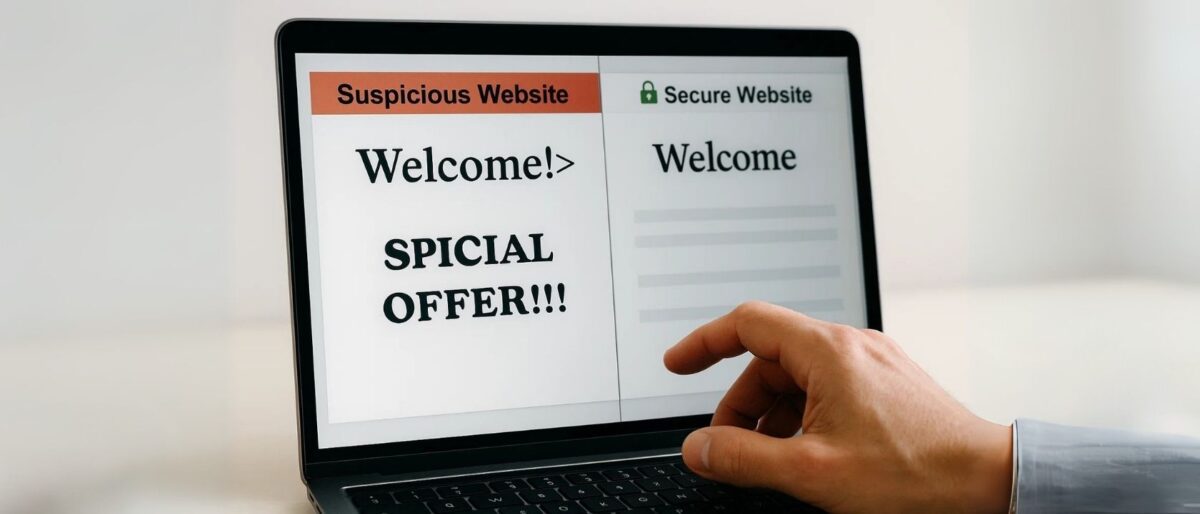
Not every ticket resale website plays fair. Some are built to trick fans out of money with no real tickets behind the glossy promises. Spotting the warning signs early saves stress, cash, and disappointment at the venue doors. Here’s what to watch for:
No clear contact information.
Legit platforms provide customer service numbers, live chat, or at least a working email. Scam sites hide behind vague “contact forms” or no contact details at all.
No buyer guarantee or refund policy.
Trustworthy resale platforms boldly state their guarantees, offering full refunds if tickets are invalid. Fraudulent sites stay vague, leaving buyers powerless if something goes wrong.
Payment methods that raise red flags.
Be wary of requests for wire transfers, gift cards, or payment apps with no buyer protection. Safe websites let you pay with credit cards, which offer stronger dispute options if problems arise.
Website design giveaways.
Misspellings, poor grammar, fake reviews, or missing security certificates (no “https” in the address bar) are all signs of a site you shouldn’t trust. If a website looks thrown together or sketchy, chances are the service will be too.
When in doubt, pause before purchase. If the site feels off, it probably is. Stick with trusted resale platforms that make their policies and protections crystal clear.
Safe and Trusted Resale Platforms
Not every resale site is a gamble. Some platforms have built reputations by protecting buyers and standing behind every transaction. These trusted names dominate the secondary ticket market and are widely recognized for reliability.
StubHub. One of the biggest players, StubHub offers a FanProtect Guarantee, promising valid tickets or your money back. Their size and global reach make them a go-to choice for many fans.
SeatGeek. Known for its clean design and deal score system, SeatGeek aggregates ticket listings from multiple sellers. Each purchase comes with a buyer guarantee, adding peace of mind when spending big on concerts or Broadway shows.
Ticketmaster Resale. Since Ticketmaster is part of the primary market, their resale section carries extra credibility. Tickets are transferred directly within the Ticketmaster system, making fakes far less likely to slip through.
Vivid Seats. Another trusted name, Vivid Seats backs purchases with a 100% Buyer Guarantee. They’ve built years of credibility with strong refund policies and responsive customer support.
What makes these platforms stand out is consistency. They verify tickets, refund invalid sales, and maintain reputations built on long-term customer trust. While prices might be higher than peer-to-peer exchanges, the security often outweighs the extra cost.
Risks You Should Still Consider

Even when you stick to safe resale platforms, buying secondhand tickets isn’t risk-free. The process comes with its own set of challenges that every buyer should weigh before clicking “purchase.”
Higher fees and inflated pricing.
Resale tickets often cost more than face value. Add on service fees and taxes, and the total can sting. For in-demand events, prices skyrocket as fans compete for limited seats.
Last-minute ticket delivery stress.
Some platforms release digital tickets only hours before the event. While this can protect against fraud, it leaves buyers anxious and scrambling to confirm access until the very last moment.
Scams on peer-to-peer platforms.
Sites like Facebook Marketplace, Craigslist, or Telegram groups lack structured buyer protections. Scammers prey on eager fans by offering deals that look too good to be true—because they often are. Without formal guarantees, you risk paying for tickets that never materialize.
These risks don’t mean resale is off-limits. They highlight the need for awareness and smart decision-making. Knowing the pitfalls helps you avoid wasted money and disappointment at the gates.
Tips for Buying Safely
Resale tickets don’t have to feel like a gamble. With the right approach, you can grab great seats without worrying about scams or wasted money. Here are practical tips that keep your purchase safe and smooth.
Always buy through platforms with a guarantee.
Stick to StubHub, SeatGeek, Ticketmaster Resale, or Vivid Seats. Their buyer protection policies mean you’re covered if a ticket is fake or invalid.
Check event and venue policies about resale.
Some venues restrict outside resale tickets, while others allow only transfers through official systems. Know the rules before you buy to avoid surprises at the door.
Compare prices across multiple sources.
Don’t jump at the first resale listing you see. Check the official box office, major resellers, and even fan-to-fan exchanges. A little research saves serious money.
Avoid shady ads and pop-ups.
Scam sites often lure buyers with banner ads or too-good-to-be-true offers. Ignore flashy deals from unfamiliar websites and stick to trusted names.
Use credit cards for protection.
Paying with a credit card gives you dispute options if things go wrong. Avoid cash apps, wire transfers, or gift cards—scammers love them because they’re hard to trace.
Safe buying isn’t complicated. A mix of caution, common sense, and using the right platforms will help you land tickets without losing sleep—or your wallet.
The Future of Ticket Resale
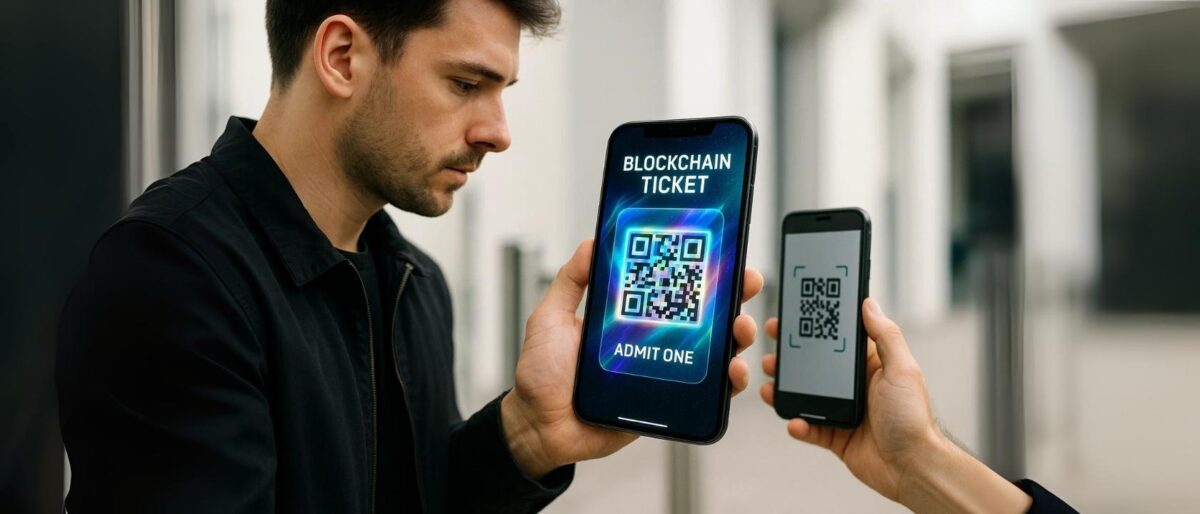
The ticket resale market isn’t standing still. Technology, policy, and consumer demand are reshaping how fans buy and sell access to events. Tomorrow’s resale scene could look very different from today’s.
Digital tickets and blockchain verification.
Paper tickets are fading fast. Most venues now use digital barcodes or QR codes that refresh every few seconds to prevent duplication. Some companies are experimenting with blockchain to create tickets that can’t be forged, adding another layer of security.
Mobile-only entry.
Increasingly, your phone is the only ticket you’ll need. Mobile-only systems reduce fraud but also limit resale options, since tickets can’t be as easily transferred without the original platform’s approval.
Government regulation debates.
Lawmakers are paying attention to resale markups. Some push for caps on ticket prices, while others argue free-market pricing is fair game. The tug-of-war continues, but fans may see tighter rules in the near future.
Fan-to-fan resale models.
Platforms like Ticketmaster and AXS are testing systems where fans can resell tickets only at or slightly above face value. This keeps prices fairer and limits the profit scalpers can make.
The road ahead mixes convenience with control. While technology promises safer transactions, regulation and platform policies will decide how fair the resale market feels for everyday fans.
Conclusion
Not all ticket resale sites are scams. While some shady operators exist, plenty of platforms work hard to protect buyers and deliver valid tickets. The difference comes down to where you buy and how carefully you choose.
Use smart judgment. Stick with sites that offer guarantees, refund policies, and transparent practices. Avoid risky payment methods or platforms that hide behind vague promises. A little caution goes a long way toward making resale work in your favor.
So, the next time you see a resale ticket, ask yourself—is it a red flag, or is it your golden ticket?