
A Complete Guide to Accessible Concert Seating in 2025
June 2, 2025
What to Wear to a Broadway Show in 2025
June 3, 2025Best Seats for a Broadway Show: Balcony vs Orchestra
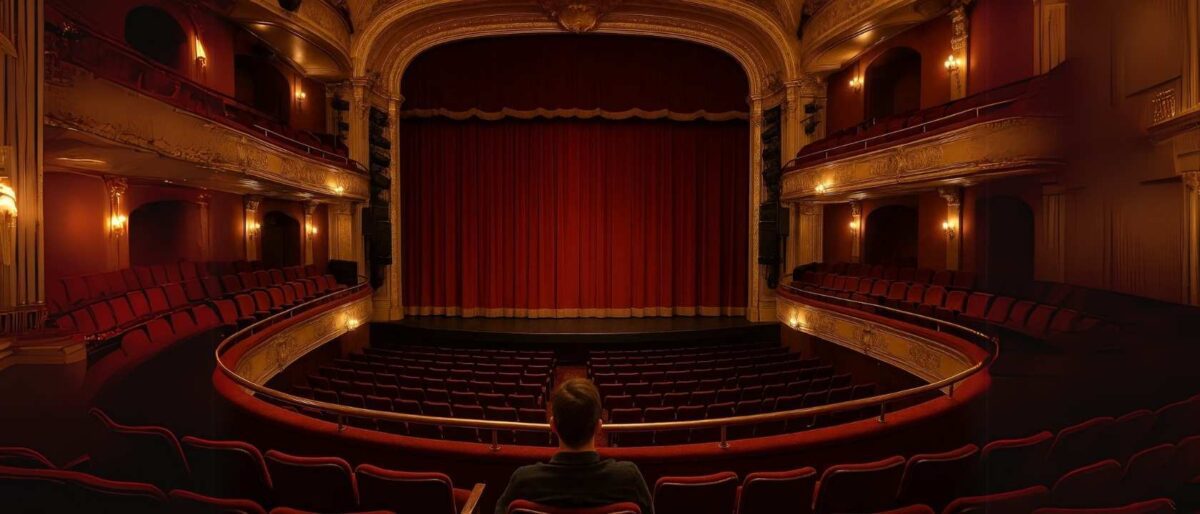
I’ve sat in Broadway’s front rows and way up in the rafters—and let me tell you, both have their perks. Whether you’re hunting for the perfect view or just trying to justify the ticket price, this guide breaks down balcony vs. orchestra seats so you can book with confidence.
What You’re Paying For: Price vs. Proximity
Let’s get one thing straight: you’re paying for closeness—not necessarily quality. Orchestra seats are usually the most expensive because they’re on the floor, closest to the stage. The further forward and more centered you are, the higher the price tag climbs. It’s the Broadway version of first class.
But price isn’t everything. Just because you dropped $300 on a center orchestra seat doesn’t mean you’ll enjoy the show more than someone up in the mezzanine. In fact, some shows are designed to be seen from a distance—think big set pieces, ensemble numbers, or shows heavy on choreography. The balcony (also called mezzanine or dress circle depending on the theater) often offers better stage perspective at a much lower price.
That said, the front mezzanine can be almost as pricey as rear orchestra—sometimes more—because it gives you the best of both worlds: clear visuals without craning your neck or breaking the bank. Broadway pricing tiers aren’t always logical, but they’re based on demand, not necessarily the best view.
So if you’re budgeting, don’t panic. There are gems to be found in the mezz and even back orchestra. Just know that the closer you sit, the more you’re paying to feel the actor’s spit—not necessarily to see the whole story better.
Sightlines: What You Actually See
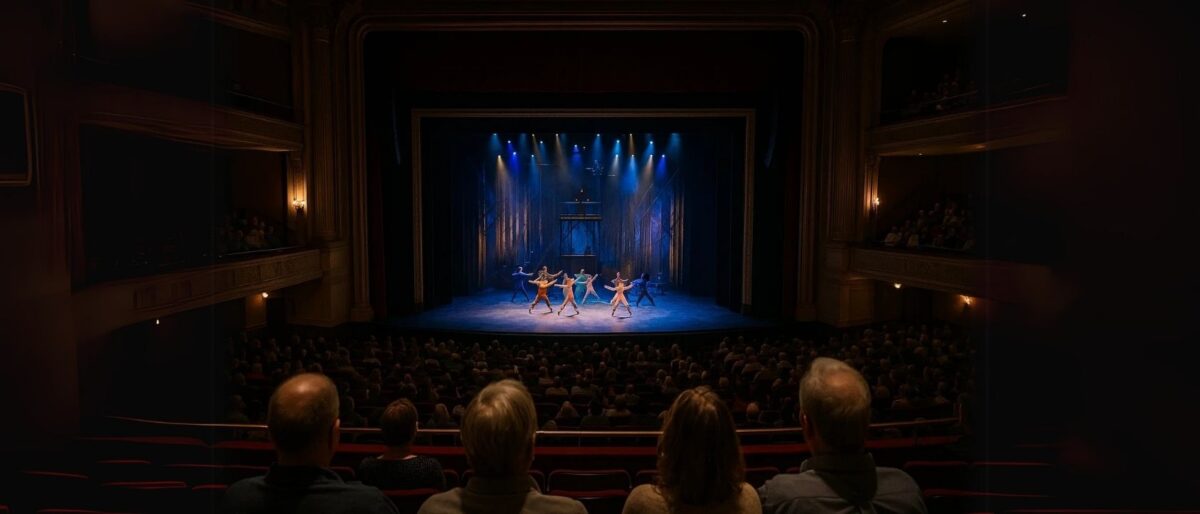
Here’s where things get tricky—and where the balcony really starts to shine. If you want a full view of the entire stage, especially for musicals with big dance numbers, sweeping sets, or aerial effects (looking at you, Wicked), balcony seats offer the better vantage point. You see the story unfold like a painting, not a puzzle you’re craning to solve.
In the orchestra, your experience is more immersive—but with limitations. Sit too close, and you might miss action higher up (like flying monkeys or chandelier drops). And if you’re under the mezzanine overhang, some set pieces or lighting effects might be partially blocked. It’s like sitting in the front row of a movie theater—exciting, but not always ideal.
Another underrated perk of the balcony? No heads in your way. No one leaning side to side. Your line of sight is unobstructed, clean, and centered. For many, that alone makes it worth the elevation.
On the flip side, orchestra seats offer intimacy. You’ll catch micro-expressions, costume detail, even sweat—yes, sometimes literally. If your favorite actor is in the cast, or you love seeing the emotion up close, this is your zone.
In short? Balcony = big picture. Orchestra = up-close magic. Neither is wrong—it’s just a matter of which story you want to see.
Immersion vs. Overview
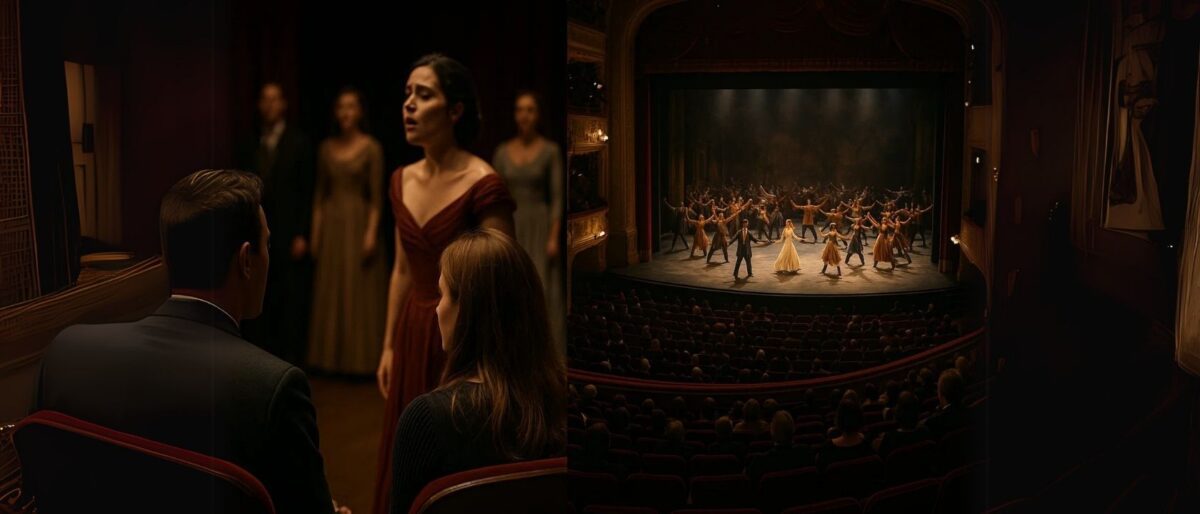
Choosing between orchestra and balcony isn’t just about distance—it’s about how you want to experience the show. Do you want to feel like you’re in the story, or watching it unfold like a perfectly choreographed diorama?
Orchestra seating puts you right in the thick of it. You’re close enough to see the tears in a performer’s eyes, to hear the rawness in their voice before the mic even catches it. It’s intimate, emotional, and intense. For character-driven plays, solo-heavy musicals, or anything where acting takes center stage, these seats hit different.
Now, zoom out. The balcony offers a bird’s-eye view that’s hard to beat for spectacle-heavy shows. If the production has a massive ensemble, intricate formations, or moving set pieces, the visual symmetry and storytelling often make more sense from above. Think The Lion King, Les Misérables, or Phantom.
It’s like comparing a front-row seat at the movies to the middle of the theater. Up front, you’re in it—but it’s all face. From higher up, you catch the full scene, the lighting design, the way characters move through space. Both offer magic; they just cast different spells.
So ask yourself: Do you want emotional immersion or a cinematic overview? Your answer might change with every show you see.
Comfort and Crowd Flow
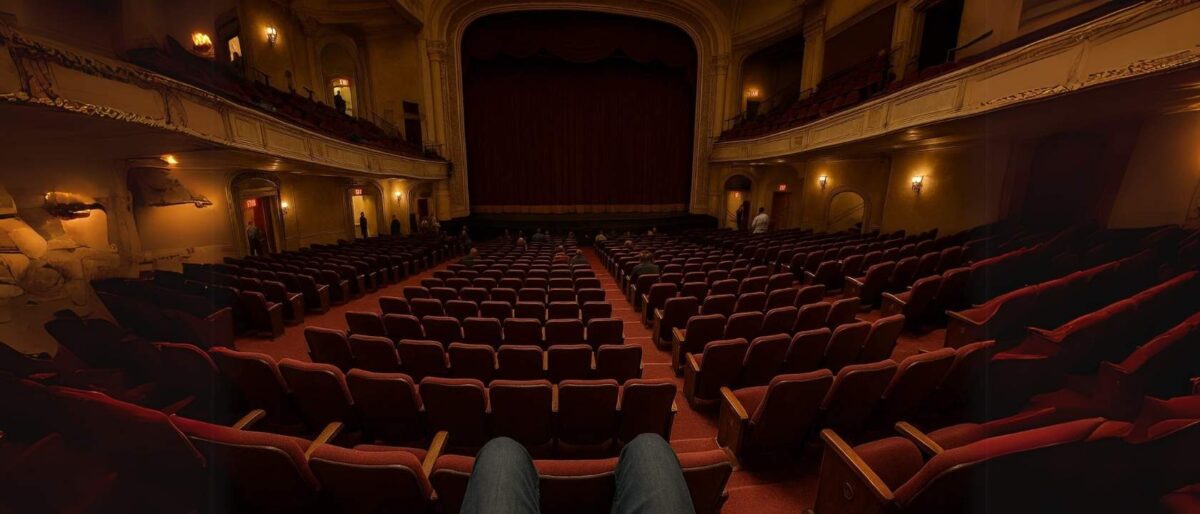
Let’s be real—Broadway theaters weren’t built with your knees in mind. Many of them are charming, yes, but also historic (read: cramped). Whether you’re in the orchestra or balcony, legroom is a gamble. But there are some differences that can make or break your comfort level.
Balcony seating tends to be steeper and tighter. The slope gives you that great overhead view, but it also means navigating narrow, slanted aisles and feeling wedged into your seat like a folded pretzel—especially in the back rows. Tall folks? Beware. And if you’re prone to vertigo, you might want to skip the top tiers altogether.
Meanwhile, orchestra seats offer quicker access to exits and restrooms. No need to trek down endless stairs mid-show if nature calls or your drink hits wrong. If you’re the type who likes to duck out during intermission (or sneak a second drink), orchestra wins the ease-of-movement award.
Accessibility also varies widely. Many older venues still lack elevators or have minimal ADA seating in the balcony. If you use a wheelchair, have limited mobility, or just prefer not to hike to your row, orchestra is usually the better bet. Always check the venue’s accessibility page ahead of time—it could save you a lot of hassle.
So while balcony might win the view, orchestra often wins the comfort game—and your knees might thank you for it.
Conclusion
So—balcony or orchestra? There’s no one right answer. It’s all about your priorities: proximity or panorama, intimacy or impact, legroom or layout. Orchestra seats bring you nose-to-nose with the performers—raw, visceral, thrilling. Balcony seats give you the big picture—graceful stage pictures and Broadway at its grandest scale.
Some shows shine from up close. Others bloom from above. And sometimes, the best seat in the house isn’t the one with the highest price tag—it’s the one that fits your vibe, your view, and your budget. Whether you’re planning your first Broadway night or your fiftieth, take a minute to think beyond just “front row equals best.”
Smart theatergoers know the best seat is a mix of comfort, view, and vibe. So don’t be afraid to experiment. Sit somewhere new next time. You might just discover that the second row of the mezz—or even an aisle seat in the rear orchestra—is where the magic hits just right.