
Darius Rucker in Modesto, CA on Sep 6, 2025: Tickets & Info
August 31, 2025
Booking Broadway for School or Group Trips: Tips & Deals
August 31, 2025How to Get Assistance at a Broadway Show | Accessibility Tips for Theatergoers
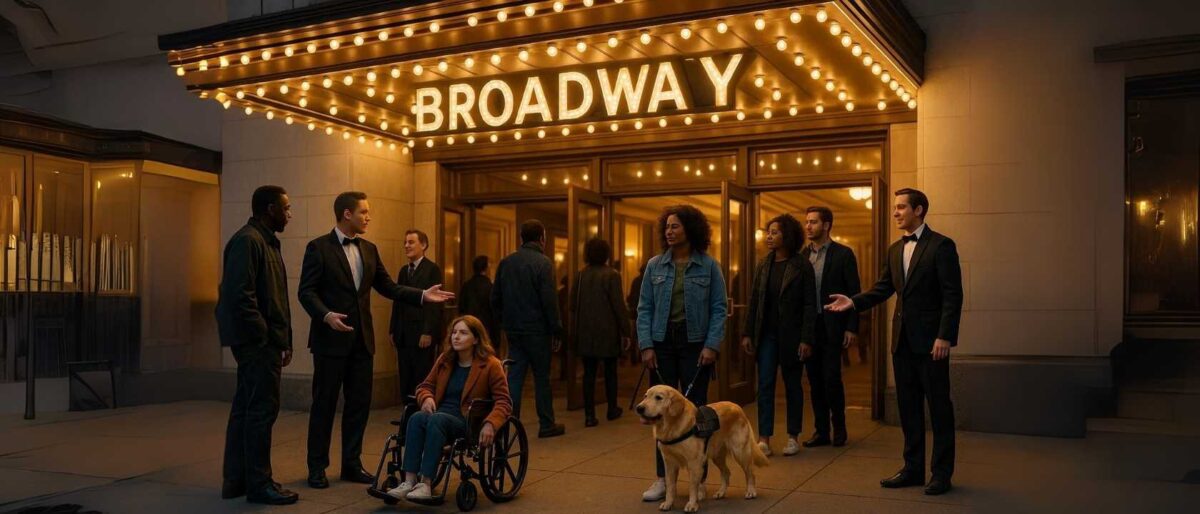
Broadway should feel welcoming for everyone, yet old theaters can present challenges. From accessible seating to hearing devices, support is available if you know where to look. With the right tips, planning, and a little help from staff, your night at the theater stays stress-free and magical.
Understanding Accessibility at Broadway Theaters

Broadway theaters have a long and storied history, with many buildings dating back nearly a century. While the charm of these venues adds to the experience, their age means accessibility wasn’t always part of the original design. Thankfully, most theaters have undergone updates to better accommodate modern needs.
That said, no two theaters are exactly alike. One venue may have elevators and wide aisles, while another might rely on portable ramps or specific entry points. Because services differ from theater to theater, it’s important to check in advance so you know what to expect before showtime.
When we talk about accessibility, it’s not only about wheelchair seating. It also covers hearing devices for those who are hard of hearing, audio description for audience members with vision loss, sensory-friendly performances for people with sensitivities, and even policies that support guests with service animals. In short, accessibility is about making sure every theatergoer, no matter their needs, enjoys the show comfortably and safely.
Before You Go: Planning Ahead
A little preparation goes a long way in making your Broadway night smooth and enjoyable. The first step is simple but crucial: call the box office or visit the theater’s official website. Staff can explain exactly what accessibility options are available and guide you through the best seating choices for your needs.
When buying tickets, look for accessible seating sections, which are designed for wheelchairs or mobility aids. Most theaters also provide companion seating so friends or family can sit right next to you. Some venues even offer discounts or priority booking for accessible seats, but these tend to sell quickly, so booking early helps secure the best spots.
Plan to arrive earlier than usual. This gives you time to use lobby assistance, locate elevators, or move through security without the stress of rushing. Ushers are often prepared to help with directions or extra support if you let them know in advance.
For broader guidance, organizations like The Broadway League and Theater Development Fund (TDF) maintain resources that explain accessibility across many theaters. Checking their websites can save time and provide reassurance before you even leave home.
Assistance Inside the Theater

Once you step through the doors, theater staff are ready to help. Ushers are trained to provide mobility support, whether that means guiding you to wheelchair seating or assisting with aisle transfer seats for those who prefer moving from a mobility device into a theater chair. Many venues also allow you to remain in your chair with companion seating close by.
For guests with hearing needs, most Broadway theaters offer assistive listening devices at no extra charge. Some shows provide captioning through handheld devices or apps, and selected performances include ASL interpreters so dialogue and lyrics are fully accessible.
If you’re visually impaired, audio description services bring the action to life with live narration of stage movements, costumes, and sets. Playbills are often available in large print or braille so you can follow along more easily.
Sensory-friendly performances are also becoming more common. These shows reduce loud sounds, dim flashing lights, and offer designated quiet areas for guests who need a break. Staff understand and support audience members who process theater differently.
Service animals are welcome, and ushers can direct you to relief areas nearby. Restrooms are generally equipped with accessible stalls, though in older venues it’s worth asking which level or side of the house provides the easiest access.
Requesting Help During the Show
During the performance, ushers are your go-to point of contact. They’re stationed throughout the theater and trained to handle accessibility needs quickly and respectfully. If you need help, don’t hesitate to approach an usher before the show begins so they know how to assist you if something comes up.
For mid-performance support, many theaters have discreet ways to signal staff. Some guests choose to quietly step into the aisle and catch an usher’s attention, while others may ask a companion to notify staff on their behalf. Ushers are used to assisting without disrupting the performance, so you won’t feel singled out.
In the rare case of an emergency, accessibility procedures are in place to keep everyone safe. Exits are clearly marked, and ushers can provide medical help or guide guests with disabilities to safe evacuation routes. If you have specific concerns, like difficulty navigating stairs, mention them before the show so staff can plan accordingly.
After the Curtain Falls: Exiting & Transportation
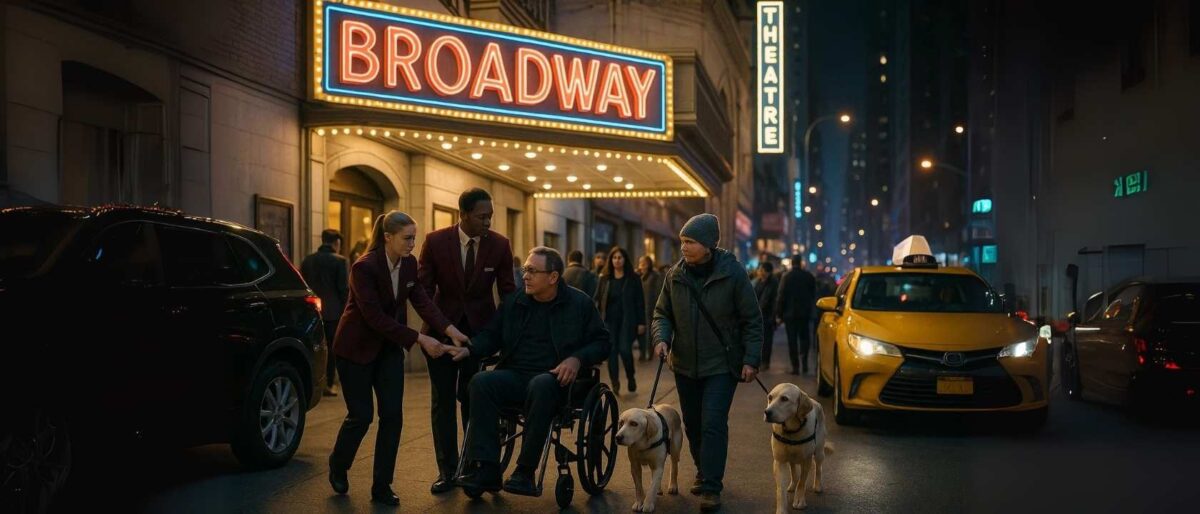
When the show ends and the crowd rushes toward the doors, it can feel overwhelming. Many Broadway theaters provide accessible exits that avoid the crush of the main audience flow. Ushers can guide you to these routes, giving you more space and time to leave comfortably.
Post-show assistance doesn’t stop at the door. Theater staff are often available to help arrange a cab, connect you with a rideshare pickup spot, or point you toward Access-A-Ride if you’re using New York City’s paratransit service. Letting staff know your plans ahead of time makes this process smoother.
There’s no need to feel rushed either. Staff remain on duty until the venue clears, so you can take your time exiting the theater. Whether you’re waiting for your ride or simply moving at a slower pace, support is there until you’re safely on your way home.
Extra Resources for Broadway Accessibility
Beyond individual theaters, several organizations make it easier to plan an accessible Broadway trip. One of the best starting points is The Broadway League’s Theatre Access NYC. This initiative provides a central hub with information about wheelchair seating, hearing and vision support, and sensory-friendly performances across dozens of theaters.
The TDF Accessibility Programs (TAP) also play a major role. They offer discounted tickets for people with disabilities and their guests, along with curated lists of shows that feature captioning, audio description, or sign language interpretation. Signing up with TAP can make Broadway more affordable while keeping accessibility in focus.
Don’t overlook the official websites of individual theaters either. Each venue posts detailed accessibility information, including restroom access, elevator availability, and where to pick up listening devices. Checking these details in advance saves stress on the night of the performance.
Technology also lends a hand. Apps like GalaPro provide real-time captions and audio description through your phone, letting you customize the experience to your needs. Together, these resources make Broadway more open, welcoming, and enjoyable for every theatergoer.
Tips for a Smooth Experience
A little preparation helps your Broadway night go off without a hitch. Start by booking tickets early, since accessible seats are limited and often sell out quickly. The sooner you reserve, the better your chances of finding the exact section and setup you need.
When calling the box office, be clear and specific about your requirements. Whether it’s aisle seating, access to an elevator, or the need for assistive listening devices, explaining in detail helps staff prepare the right accommodations for you. For service animals, documentation is rarely required, but it doesn’t hurt to keep a note from your doctor or trainer handy, just in case.
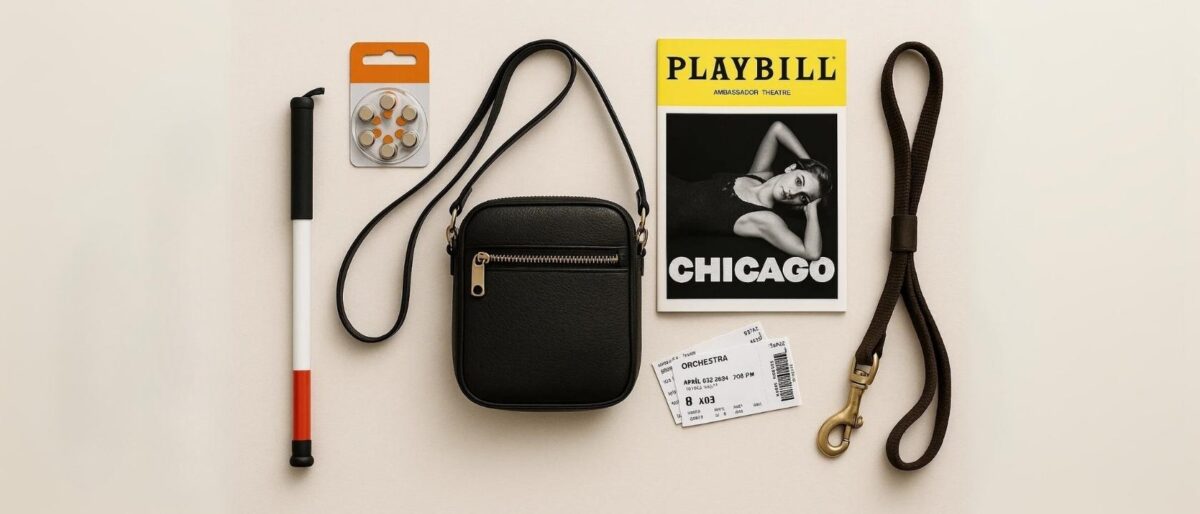
Pack the essentials. This might mean mobility aids, extra batteries for a hearing device, or personal comfort items that make a long show easier to enjoy. At the same time, try to travel light. Many theaters have narrow aisles, tight seating, and limited storage, so carrying fewer bags will make moving around much easier.
With thoughtful planning and a few practical steps, you’ll set yourself up for a smooth, stress-free, and memorable night at Broadway.
Conclusion
Broadway is meant for everyone, and accessibility makes sure no one is left out of the experience. Theater staff are trained to provide support, and a wide range of resources exist to make your night enjoyable from start to finish. With planning, communication, and a little help, the magic of live theater becomes stress-free and welcoming.
Before booking, check the official theater websites for detailed accessibility information. And if you’re ready to secure your spot, platforms like ConcertsAndTickets make it easy to find accessible seating and purchase tickets with confidence. A Broadway show should be about the performance, not the obstacles—so prepare ahead and enjoy the night you deserve.