
Do Concerts Really Start on Time? Timing Explained
August 27, 2025
Broadway Matinee vs Evening Shows: Which Time is Better?
August 27, 2025How Long Are Broadway Intermissions? Timing & Tips for Theatergoers

The curtain falls, the lights rise, and the audience exhales—it’s intermission. But how long do you actually have before Act II begins? Broadway intermissions are brief but essential, giving both performers and audiences a reset. This guide explains their timing and smart ways to spend those precious minutes.
What Is a Broadway Intermission?

A Broadway intermission is a scheduled pause between acts, built into the performance. It’s not an afterthought—it’s part of the show’s rhythm. This short break usually comes halfway through and gives everyone a chance to catch their breath before the curtain rises again.
The pause serves several purposes. Performers rest and prepare for demanding second acts, while stage crews manage quick but complex set changes. For the audience, it’s a reset—time to stretch, visit the lobby, or simply process the story so far. Without this pause, long shows would feel overwhelming instead of engaging.
There’s also a difference between formats. Plays, which often run shorter, may keep intermissions brief or skip them entirely. Musicals, with bigger casts and elaborate sets, tend to use longer intermissions, giving both performers and patrons more time to regroup. That balance keeps the energy flowing for Act II.
Typical Length of a Broadway Intermission
Broadway intermissions are short by design. The standard break runs about 15–20 minutes, just enough time for audiences to refresh without losing momentum. Ushers, performers, and crews all work with that clock in mind so the evening flows smoothly.
Some productions stretch the pause to 25 minutes, especially when major set changes or technical resets are required. These longer breaks are rare, but they help ensure Act II runs flawlessly. On the other end, shorter shows often skip intermission entirely, running a brisk 90 minutes or less without a pause.
One thing stays consistent: punctuality. The curtain rises promptly whether or not everyone has made it back to their seats. Those who linger too long risk missing the opening moments of the second act. Theaters take timing seriously, so plan ahead and treat the intermission clock as non-negotiable.
Why Intermission Length Matters
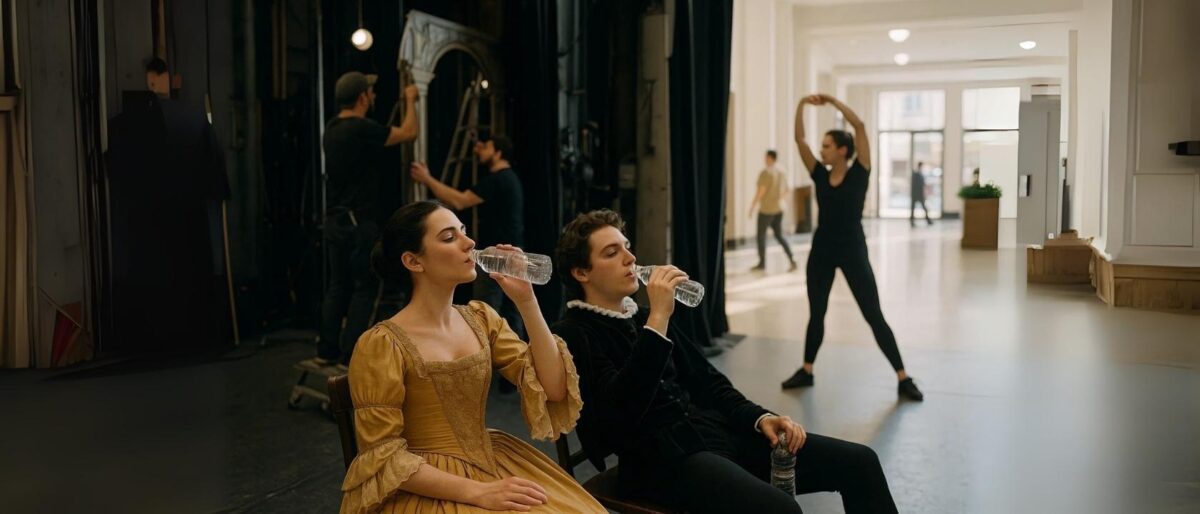
Intermission isn’t just a pause—it’s a carefully timed reset that keeps both the audience and the production in sync. For theatergoers, it’s a brief window to stretch, rest, and refresh before diving back into the story. A quick break helps people stay focused and enjoy Act II without distraction.
For performers, that timing is equally important. Singing, dancing, or delivering heavy dialogue for two hours straight is draining. A structured pause maintains the pacing of the show, giving the cast time to recharge and return with the same energy and precision that carried Act I.
Behind the scenes, intermission also helps the theater run smoothly. Stage crews need those minutes for set changes, while managers keep an eye on union rules and local curfews. Keeping the break within the standard window ensures the performance ends on time, avoiding costly overtime and keeping Broadway’s tight schedules intact.
What You Can Do During a Broadway Intermission
Fifteen to twenty minutes may feel short, but there’s plenty you can fit into a Broadway intermission if you plan smart. The key is choosing what matters most to you and moving quickly once the curtain drops.
- Restroom break – lines form fast, so if you need it, head there first. Waiting too long could mean missing Act II’s opening scene.
- Refreshments – lobby bars and concession stands offer drinks and light snacks. A quick sip or bite can re-energize you for the second half.
- Merchandise – many theaters sell posters, playbills, and branded souvenirs. Intermission is a good time to browse without missing any stage action.
- Stretch and move – standing, walking a few steps, or rolling your shoulders helps ease stiffness from sitting through a long act.
- Social media or texting – a quick check-in or photo share is fine here, as long as your phone is silenced again before Act II begins.
- People-watching – Broadway crowds are part of the entertainment. Take a few minutes to soak in the energy of fellow theatergoers.
Whether you’re refreshing, recharging, or just observing, intermission is your moment to reset before the story continues.
Tips to Maximize Intermission Time

With only 15–20 minutes, intermission can fly by fast. A little planning makes the difference between a relaxed break and a stressful scramble. Here are practical ways to squeeze the most out of that short pause.
- Know restroom locations ahead of time – check signs or ask an usher before the show begins. Knowing the closest option helps you beat the rush.
- Pre-order drinks or snacks – some theaters let you order concessions before curtain time and pick them up during intermission. It saves precious minutes in line.
- Watch the clock and listen – lobbies usually have visible clocks, and ushers announce when it’s time to return. Keep an ear out so you don’t miss the restart.
- Head back promptly – ushers may not let latecomers slip in once Act II begins. Returning on time ensures you catch every moment without disturbing others.
By planning ahead and moving with purpose, you’ll make intermission a quick recharge rather than a source of stress.
Shows Without Intermissions
Not every Broadway performance includes a break. Some productions are designed to run straight through, often lasting around 90 minutes without stopping. Popular shows in recent years, including certain modern plays and experimental musicals, have chosen this format to keep the story flowing without interruption.
The decision usually comes down to two factors: artistic choice or shorter runtime. Some directors prefer uninterrupted storytelling for maximum impact, while others simply don’t need an intermission because the show’s length makes a pause unnecessary.
For audiences, this means a little extra preparation. If you’re attending a no-intermission performance, take care of bathroom breaks and snacks before curtain time. Once the lights dim and the performance begins, you’ll want to stay seated and focused until the final bow.
Etiquette During Intermission

Intermission may feel casual, but theater etiquette still applies. How you use those 15–20 minutes affects not only your experience, but also the people around you. A little courtesy keeps the atmosphere enjoyable for everyone waiting for Act II.
- Be mindful in crowded spaces – lobbies fill up quickly. Move with the flow, step aside if you stop to chat, and avoid blocking lines or doorways.
- Avoid strong-smelling food – while snacks are fine, bringing pungent meals back to your seat distracts others. Stick to lighter options sold at concessions.
- Respect ushers’ calls – when the bell rings or ushers guide people back, head to your seat promptly. Latecomers risk missing the restart and disturbing the performance.
- Keep spoilers in check – discussing Act I loudly in the lobby can ruin the experience for those who haven’t fully processed it yet. Save detailed reactions for after the curtain call.
Good intermission manners create a smoother, friendlier theater experience—one where everyone returns to their seat ready to enjoy the story’s continuation.
Conclusion
Broadway intermissions are brief—typically 15 to 20 minutes—but they serve an important purpose. They let the audience recharge, the performers reset, and the production stay on pace. Whether you use the time for a quick break, a snack, or simply stretching, those minutes matter more than they seem.
The key takeaway is simple: plan ahead and use the break wisely. A little strategy ensures you return to your seat refreshed and ready to enjoy Act II without stress or distraction.
And remember, Broadway isn’t just about the moments on stage. The buzz in the lobby, the chatter in the aisles, and even the anticipation as lights dim again are all part of the experience. Treat intermission as an extension of the show itself, and the night becomes that much richer.