How Long Are Broadway Intermissions? Timing & Tips for Theatergoers
August 27, 2025
What Is Roast Comedy? The Art of Insults and Laughter
August 28, 2025Broadway Matinee vs Evening Shows: Which Time is Better?

Choosing between a Broadway matinee and an evening show shapes your whole day. Do you want daylight flexibility or nighttime sparkle? In this quick guide, you’ll weigh timing, ticket prices, crowd vibes, and logistics. Pick the performance that fits your schedule, budget, and energy, then lock seats with confidence today.
What Is a Broadway Matinee?

A Broadway matinee is an early performance, typically beginning around 2:00 PM or 3:00 PM. Unlike evening shows that capture the city’s nightlife, matinees bring theater into the daylight hours, offering an easier option for those who don’t want to stay out late.
The tradition of matinees started as a way to make Broadway more accessible and convenient. Afternoon shows gave audiences—especially families, out-of-town visitors, and older patrons—a chance to experience world-class theater without the late-night hustle. Over time, they became a staple of Broadway scheduling, particularly popular with tourists fitting multiple attractions into a single day.
You’ll most often find matinee shows on Wednesdays, Saturdays, and Sundays. These performances draw diverse crowds: families with children, seniors who prefer daytime outings, and visitors hoping to enjoy both Broadway and other New York landmarks in one trip. For many, the matinee is a practical yet equally magical way to enjoy Broadway’s best productions.
What Is a Broadway Evening Show?
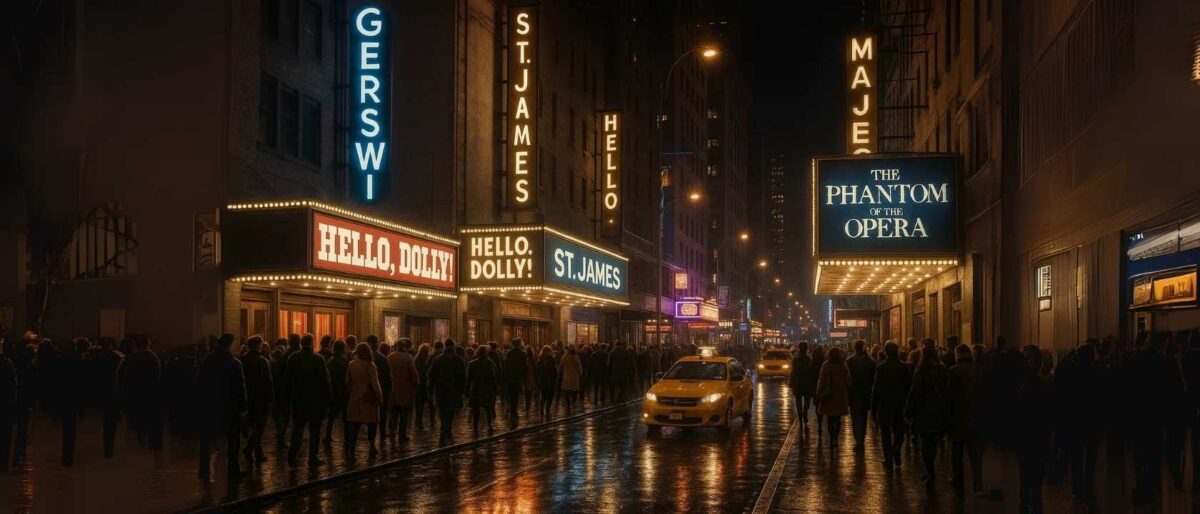
A Broadway evening show is the standard late performance, usually starting at 7:00 PM or 8:00 PM. It’s the time most people picture when they think of Broadway—a night at the theater with glowing marquees, buzzing sidewalks, and the thrill of New York coming alive after dark.
Evening shows carry the tradition of the “night out” theater culture. For generations, locals and visitors alike have dressed up, grabbed dinner nearby, and made the evening performance the centerpiece of their plans. It’s an experience wrapped in glamour, anticipation, and the magic of stage lights meeting city lights.
The atmosphere of the evening crowd tends to be lively and social. You’ll often find younger audiences, couples on date nights, groups of friends, and New Yorkers squeezing in theater after work. The vibe feels electric, almost celebratory, making evening shows the go-to choice for those who want a classic Broadway night.
Key Differences Between Matinee and Evening Performances

The most obvious difference between a Broadway matinee and an evening show is timing. Matinees usually begin in the early afternoon, while evening performances kick off around 7:00 PM or 8:00 PM. That simple shift in schedule changes the whole mood of the experience.
Energy plays a role too. Afternoon shows often feel more relaxed, with an easier pace both inside the theater and outside on the streets. Evening shows, on the other hand, tend to carry more buzz, with audiences arriving after dinner and the city already glowing with nightlife energy.
The audience mix also shifts depending on the time. Matinees usually draw families, seniors, and tourists trying to fit a performance into a packed sightseeing day. Evening shows lean more toward locals, couples out for a date night, and groups looking to enjoy the full Broadway night tradition.
And then there’s the atmosphere of New York City itself. During the day, you’ll see matinee crowds mingling with shoppers, tourists, and everyday city life. At night, Broadway feels like a different world—lights blazing, sidewalks buzzing, and the whole theater district pulsing with excitement. The showtime you pick determines the backdrop of your Broadway memory.
Pros of Matinee Shows
Matinee performances come with plenty of perks that make them appealing to different types of theatergoers. One big advantage is family-friendliness. Parents with young children often prefer an afternoon show because it avoids late nights, long commutes after dark, and overtired kids struggling through Act II.
Tourists also love matinees. With a performance in the middle of the day, there’s still time in the morning for museums or shopping, and the evening can be reserved for a nice dinner, sightseeing, or even another show. It’s a schedule that maximizes every hour of a short New York trip.
Another plus is pricing. While not always guaranteed, matinee tickets sometimes have lower demand than prime-time evening shows. That can mean better availability and occasional savings, especially for popular productions where evening seats sell out quickly.
For older theatergoers, matinees are a practical choice. Daylight travel feels safer and less tiring than navigating late-night trains or taxis. And because the show ends earlier, the rest of the evening can be enjoyed without feeling rushed. Whether it’s dinner in the theater district or a walk through Times Square, pairing a matinee with evening activities creates a balanced, stress-free Broadway experience.
Cons of Evening Shows

While evening shows capture the classic Broadway vibe, they’re not without drawbacks. The most obvious is timing. Performances that begin at 7:00 PM or 8:00 PM often run until 10:30 PM or later. For families with kids, or anyone with work the next morning, that late finish can feel exhausting.
Ticket demand is another hurdle. Evening shows, particularly on Fridays and Saturdays, are the most popular. This means seats often sell out faster, and prices can be steeper. If you’re set on a specific showtime or want the best view, you’ll need to book early or risk limited choices.
Then there’s the crowd factor. Times Square and the theater district buzz with energy at night, but that also means heavy foot traffic. Pair it with crowded subways or long taxi lines after the curtain falls, and getting back to your hotel or home becomes part of the adventure—sometimes more chaotic than charming.
Performance Quality: Is There a Difference?
A common question among first-time theatergoers is whether matinee shows feel less energetic than evening performances. It’s an understandable concern—after all, actors may perform the same show eight times a week, and afternoon crowds can sometimes seem quieter. But the idea that matinees are “second-rate” is more myth than reality.
Broadway actors are seasoned professionals who bring the same commitment and skill to every performance, no matter the time of day. Their job is to deliver a consistent, world-class show, whether it’s a Wednesday matinee for tourists or a Saturday night for packed locals. The staging, choreography, and vocal quality remain at the same high standard.
That said, there are subtle differences in atmosphere. Matinee audiences can feel a bit calmer, while evening crowds often bring more buzz and applause. Performers may respond to that energy with a touch more spark, but the quality of the show doesn’t change. In short, whether you attend in the afternoon or at night, you’ll see Broadway at its finest.
Pricing: Matinee vs Evening Tickets

Ticket pricing often influences whether theatergoers choose a matinee or an evening show. While prices vary by production and demand, some clear trends stand out. Matinees, especially midweek, can sometimes be slightly more affordable. Because these performances don’t draw quite the same rush as prime evening slots, you might spot better availability or small price breaks.
That said, it’s not a hard rule. For hit shows with strong demand, matinee tickets sell just as quickly as evening ones, and the difference in cost may be negligible. Popular weekends or holiday matinees often command the same rates as nighttime shows.
Evening performances, particularly on Fridays and Saturdays, usually sit at the top of the pricing scale. These are peak slots, attracting locals, date nights, and visitors who want the full Broadway-after-dark experience. Producers know the demand is highest here, so premium seating tends to be priced accordingly.
The takeaway? Always compare both options when planning your Broadway outing. Depending on the show and date, a matinee might save you money, but if you’re aiming for that Friday night sparkle, expect to pay a little extra for the experience.
Choosing Based on Your Situation
When deciding between a Broadway matinee and an evening show, your personal situation often makes the choice clear. Tourists juggling full itineraries usually benefit from an afternoon performance. A matinee leaves the evening open for sightseeing, dining, or exploring other parts of New York without feeling rushed.
Families with children almost always find matinees more practical. An afternoon start avoids cranky kids staying up past bedtime and makes the trip home smoother. Parents can enjoy the show without worrying about sleepy meltdowns after the curtain call.
For locals and couples planning a night out, evening shows carry a special charm. Dressing up, having dinner nearby, then heading to a glowing marquee feels like the quintessential Broadway experience. It’s less about convenience and more about creating a memorable night.
Those keeping an eye on price should check both schedules before buying. Sometimes matinees are easier on the wallet, but certain evenings also offer competitive last-minute deals. Flexibility often leads to savings. In the end, the right choice depends less on the show itself and more on what works best for your plans, family, or budget.
Tips for Choosing the Right Time

Selecting the right Broadway showtime is easier when you frame it around your day. Start with your overall NYC schedule. If you’ve got a packed itinerary of sightseeing, a matinee helps balance the day. If you prefer to make theater the centerpiece of your night, go for an evening show.
Before booking, check availability on ConcertsAndTickets and the official Broadway site. Prices and seating vary depending on the date and time, so it pays to compare options before committing. Sometimes you’ll find better seats open in the afternoon, while other times the evening performance fits your budget best.
Think practically too. Consider your transportation plan, where you’ll eat, and how much energy you’ll have by curtain time. An afternoon show pairs well with a leisurely dinner afterward, while an evening performance works beautifully with pre-show dining in the theater district.
You can also combine theater with other activities for a fuller experience. Museums and shopping fit neatly before a matinee. For evening shows, a romantic dinner or a stroll through Times Square creates that classic Broadway night. Match the performance to your pace, and the whole day will flow more smoothly.
Conclusion
When it comes to Broadway, there isn’t a single “better” time to see a show. The right choice depends on your needs—whether that’s fitting theater into a packed day, enjoying a classic night out, or finding tickets that match your budget. Both matinees and evening performances deliver the same professional, high-quality production, so the decision is less about the stage and more about your lifestyle and schedule.
Think about what matters most to you: convenience, cost, atmosphere, or energy. Families and tourists often lean toward matinees, while locals and couples savor the sparkle of evening shows. Either way, planning ahead makes all the difference. Check showtimes and secure your tickets early through ConcertsAndTickets and official Broadway sites for the smoothest experience. That way, you can relax, settle into your seat, and let the magic of Broadway take care of the rest.