Why Live Music Gives Us Goosebumps | Neuroscience Behind Musical Chills
September 1, 2025
Myths About Outdoor Music Festivals: What’s True & What Isn’t
September 2, 2025Are Old Broadway Theaters Haunted? Myths & Stories
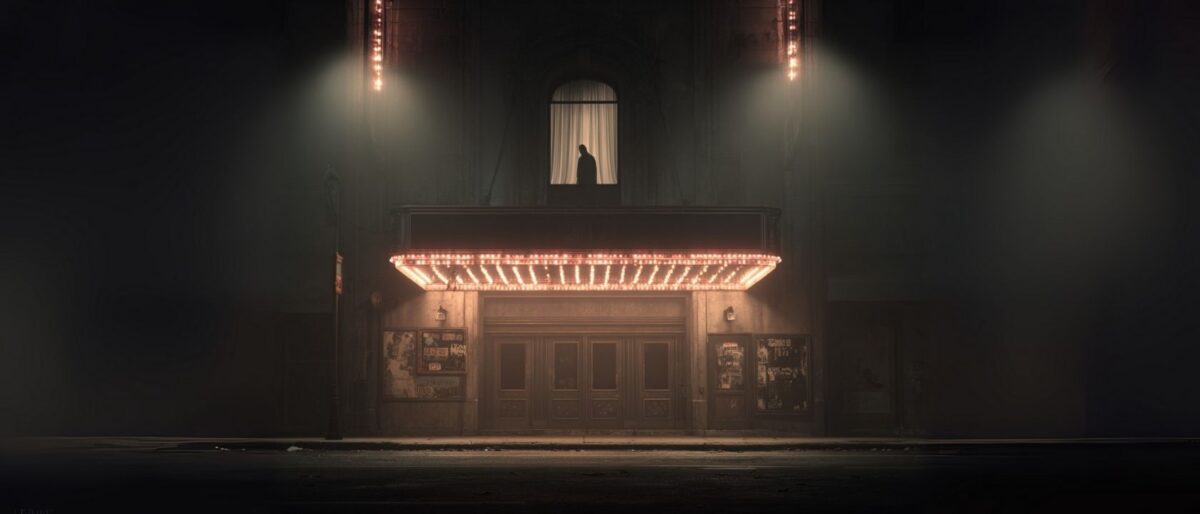
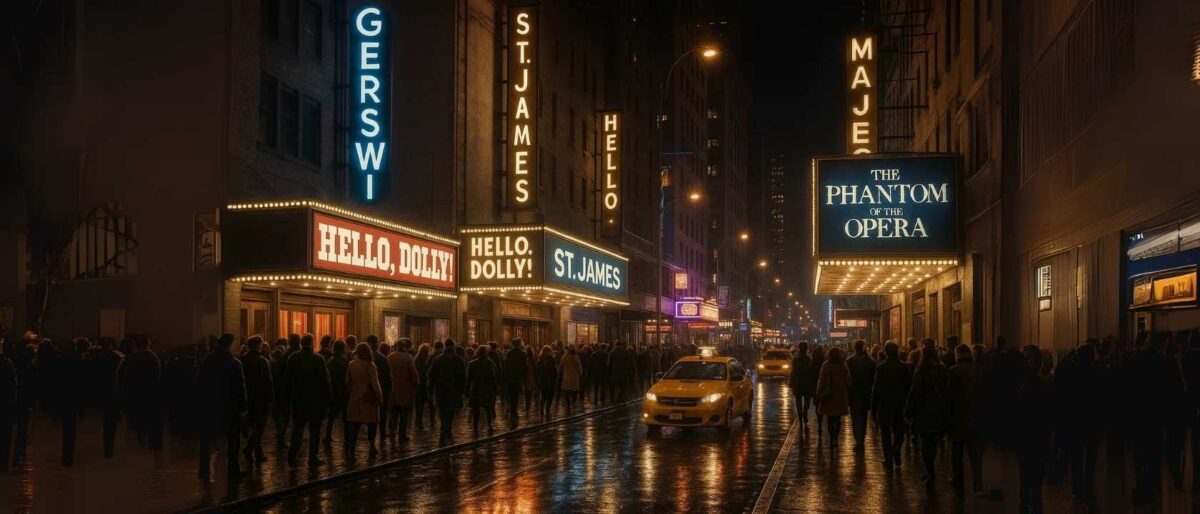
Broadway theaters sparkle with music and lights, yet many whisper about ghosts in the wings. With rich histories and lingering legends, these old venues stir curiosity. Are they truly haunted, or do myths keep the drama alive after curtain call? Let’s explore the stories behind Broadway’s ghostly reputation.
Why Theaters Inspire Ghost Stories

Theaters are natural breeding grounds for ghost tales. Many Broadway houses are more than a century old, built during eras marked by both tragedy and triumph. Fires, sudden deaths, and the passage of countless performers through their doors give these buildings a weight of history that stirs the imagination.
Superstition has always lived side by side with theater culture. From the classic “break a leg” wish to the ever-present ghost light glowing on stage, rituals are woven into the daily life of actors and stagehands. These traditions keep the unseen world in mind and add to the sense of mystery.
The physical environment contributes, too. Dim lights, echoing corridors, and shifting backstage shadows can easily trick the senses. A creaking floorboard or a sudden draft feels like something more when you’re standing alone in an empty theater. Together, history, superstition, and atmosphere make Broadway a perfect stage for ghost stories.
Famous Haunted Broadway Theaters
Some Broadway theaters are more than landmarks—they’re legendary for their ghostly reputations. Among the most talked-about are the New Amsterdam, Belasco, and Palace, each carrying stories that blur the line between myth and memory.
New Amsterdam Theatre: Perhaps the most famous haunting belongs to Olive Thomas, a Ziegfeld Follies star whose spirit is said to linger in the theater where she once performed. Cast and staff have reported seeing her reflection in mirrors and shadowy figures drifting across the stage. To this day, her framed photo hangs backstage, with crew members greeting her out of respect before every performance.
Belasco Theatre: Known as “the Bishop of Broadway,” producer David Belasco left such a mark on his namesake theater that many believe he never left. Actors have described feeling watched during performances, and some claim to have seen Belasco himself—usually dressed in his signature clerical collar—wandering the balcony or backstage.
Palace Theatre: With a history as a vaudeville hub, the Palace has no shortage of stories. Patrons and staff have reported multiple spirits, from a trapeze artist who supposedly fell to his death, to famous performers returning for one more bow. Its layered history makes it one of the most storied theaters on Broadway.
Other venues, like the Lyceum and the Al Hirschfeld, have their own whispered tales, but the New Amsterdam, Belasco, and Palace remain the crown jewels of Broadway ghost lore.
The Tradition of the Ghost Light

Step into an empty theater after hours, and you’ll likely find a single bare bulb glowing on stage. This is the ghost light—a long-standing tradition across Broadway and beyond. At its simplest, the light serves a practical role. It keeps the stage lit enough to prevent falls, especially when crew members move through the darkened space.
But like most things in theater, there’s a touch of superstition attached. Some say the light is left to keep restless spirits company. Others believe it wards off ghosts, ensuring they don’t meddle with sets or machinery overnight. The truth is less important than the ritual itself—it’s a symbolic bridge between safety and superstition.
Over time, the ghost light has become part of theater lore, blending utility with myth. For those who believe Broadway’s older theaters are haunted, the small bulb glowing in the silence feels like both a watchful guardian and an offering to unseen company lingering in the wings.
Myths vs. Reality
Haunted theater tales often thrive on the line between the unexplained and the explainable. What sounds like footsteps on a deserted stage may simply be creaky wood shifting with age. A sudden chill could be a draft moving through century-old walls. Flickering lights? Most likely tired wiring or temperamental stage equipment. Rational explanations abound, yet the supernatural version always seems more fun to tell.
So why do these stories endure? Theaters already trade in drama, mystery, and heightened emotion. Audiences and performers alike are drawn to the idea that spirits linger, keeping watch over the stage. Ghost lore adds texture, giving these old venues a sense of timelessness that extends beyond the living cast and crew.
In the end, belief is optional. Some dismiss the tales as folklore, while others embrace them wholeheartedly. Either way, the stories enrich Broadway’s character, making every crack of the floorboards or whisper of the curtains feel like part of a larger, living tradition.
Stories from Performers & Staff
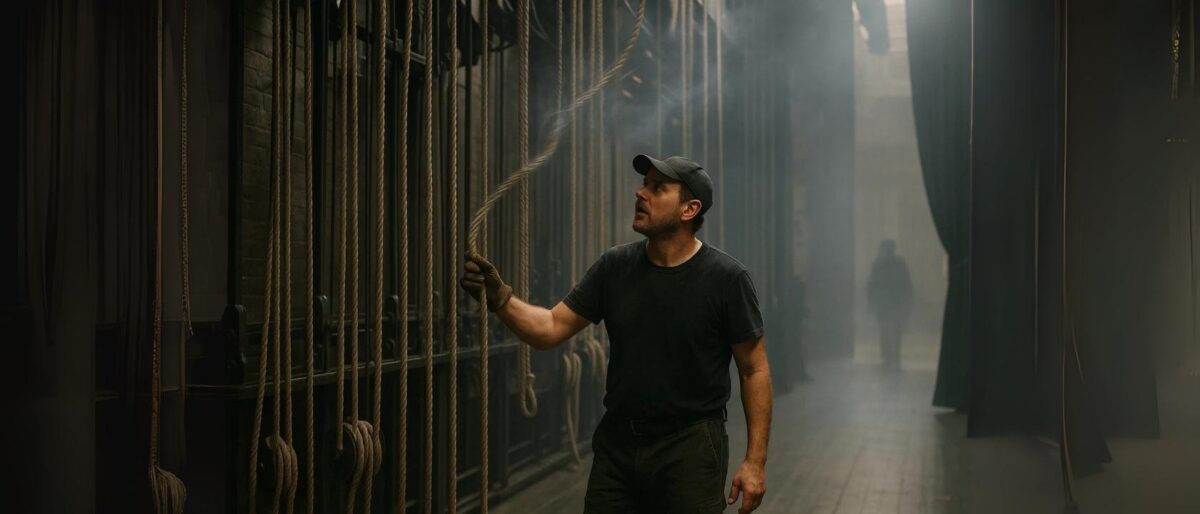
Ask actors, stagehands, or ushers, and you’ll hear more than a few chilling anecdotes. Some performers swear they’ve felt a presence watching them from the wings, even when no one was there. Stagehands report lights flickering on after they’ve been switched off, or ropes moving as if tugged by unseen hands. Ushers sometimes describe cold spots in otherwise warm theaters, sudden chills that feel out of place under the glow of chandeliers.
Footsteps are among the most common claims. Many staff members say they’ve heard the sound of someone pacing above or behind them, only to find the space empty upon inspection. A few even insist that shadowy figures appear briefly on stage or in balconies before vanishing without explanation.
These stories live on because they spread by word-of-mouth. Cast members pass them down to new performers, and ushers trade tales during quiet shifts. Even when retold with a wink, the stories add to Broadway’s aura of mystery, ensuring that the legends never fade completely.
Why Haunted Broadway Matters Today

Haunted stories aren’t just spooky entertainment—they’ve become part of Broadway’s cultural fabric. Ghost tours in New York often highlight historic theaters, drawing tourists and fans eager to hear chilling tales of spirits in the wings. These tours keep old venues relevant even when no show is on stage, blending history with legend to spark curiosity.
Superstition has always been woven into theater life, and ghost lore only deepens Broadway’s allure. From avoiding certain words backstage to keeping the ghost light burning, rituals remind performers and audiences that theater is as much about tradition as it is about talent. Believing in spirits, even playfully, adds a layer of magic to the art form.
At its core, haunted Broadway connects performance with memory and history. Every creak, draft, or rumor of a ghost ties today’s productions to generations of actors and audiences who came before. Whether true or not, the tales ensure that the past feels alive, echoing alongside every curtain rise.
Conclusion
Haunted or not, old Broadway theaters are overflowing with stories. Each creak in the floorboards, each flicker of light, ties today’s performances to a century of history. These myths may not prove the presence of ghosts, but they keep the past alive and deepen Broadway’s mystique.
Ghost tales remind us that theater is more than what’s on stage—it’s a living tradition shaped by memory, superstition, and imagination. Whether you believe in spirits or chalk it all up to old wiring, the legends add a thrill that lingers long after the curtain falls.
So why not experience Broadway for yourself? Step inside the theaters, watch the stories unfold, and decide whether you sense only stage magic—or something more.