12 Essential Tips for Your First Broadway Experience
June 2, 2025
What’s the Easiest Way to Buy Concert or Broadway Tickets?
June 2, 2025Why Are Broadway Tickets Pricier Than Concert Tickets?

Ever noticed your wallet weeping a little harder after booking Broadway tickets? You’re not alone. While concert tickets might get you a light show and a drum solo, Broadway serves eight performances a week, with costumes, choreography, and craft baked in. So what makes theater such a premium experience? Let’s dig in.
Live Theater Is Intimate—And Limited
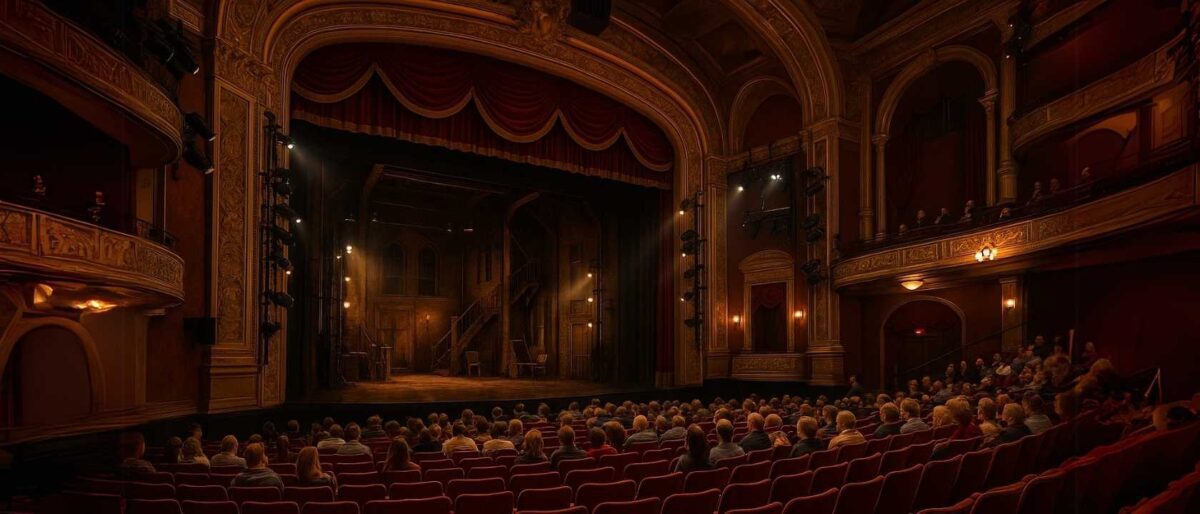
Broadway theaters don’t seat tens of thousands—they seat hundreds. Maybe a little over a thousand, if you’re lucky. That’s not an accident. It’s part of the charm—and the challenge. With fewer seats available per performance, every empty one matters. And when demand outpaces supply? You guessed it: prices climb like Elphaba defying gravity.
Compare that to a concert. A touring pop star might pack 20,000 screaming fans into Madison Square Garden for one night—some in front-row ecstasy, others watching from binocular range in the rafters. That kind of scale makes it easier to keep prices lower across the board. But in a Broadway house? There are no nosebleeds. You’re close enough to see tears on an actor’s cheek or count the sequins on a costume.
Exclusivity costs money. That tight, visceral connection—the kind you can’t get with jumbotrons and echoing stadium acoustics—is part of what makes theater feel rare. And rare things don’t come cheap. You’re not just watching a performance; you’re practically inside it. That proximity, that intimacy, that once-in-a-lifetime seat in row G? That’s what you’re paying for.
Live Theater Is Intimate—And Limited
Broadway theaters don’t seat tens of thousands—they seat hundreds. Maybe a little over a thousand, if you’re lucky. That’s not an accident. It’s part of the charm—and the challenge. With fewer seats available per performance, every empty one matters. And when demand outpaces supply? You guessed it: prices climb like Elphaba defying gravity.
Compare that to a concert. A touring pop star might pack 20,000 screaming fans into Madison Square Garden for one night—some in front-row ecstasy, others watching from binocular range in the rafters. That kind of scale makes it easier to keep prices lower across the board. But in a Broadway house? There are no nosebleeds. You’re close enough to see tears on an actor’s cheek or count the sequins on a costume.
Exclusivity costs money. That tight, visceral connection—the kind you can’t get with jumbotrons and echoing stadium acoustics—is part of what makes theater feel rare. And rare things don’t come cheap. You’re not just watching a performance; you’re practically inside it. That proximity, that intimacy, that once-in-a-lifetime seat in row G? That’s what you’re paying for.
Eight Shows a Week vs. One-Night Gigs
Broadway isn’t a weekend fling—it’s a full-blown relationship. Most shows run eight times a week, every week, without fail. That means the same cast, crew, orchestra, and tech team gear up night after night (plus matinees) to deliver the same jaw-dropping performance… again and again and again. That kind of consistency? It’s no small feat—and it’s not cheap.
Now, let’s look at your average concert. A band might roll into town for a single night, maybe two if demand is huge. Then they’re gone, like a sonic tornado leaving behind some merch booths and glitter. The one-and-done model is logistically simpler and much cheaper to sustain. Load in, load out, move on. No need to maintain a fixed team of dozens in one place for months—or years—on end.
Broadway, on the other hand, is a marathon, not a sprint. And every hour of rehearsal, every overtime shift, every wig fitting, lighting reset, and orchestra tune-up adds to the running cost. Theaters aren’t just venues—they’re homes, and homes come with bills. So while your favorite artist might perform once and cash out, Broadway casts are clocking in like it’s showtime meets Groundhog Day. Labor adds up. And so do ticket prices.
Bigger Casts, Bigger Crews
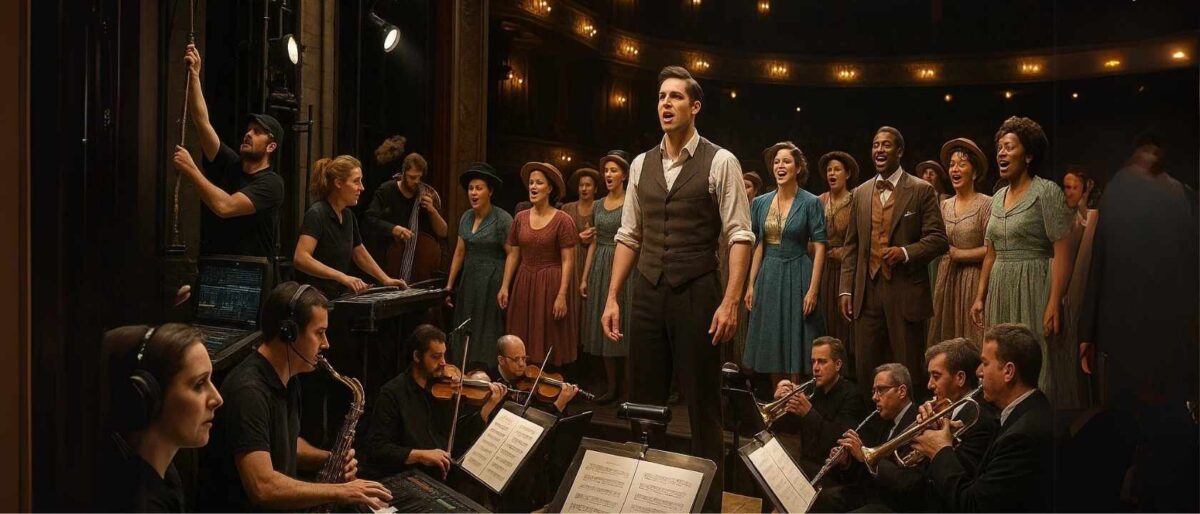
Let’s talk numbers—not just dollars, but people. A Broadway production is a living, breathing ecosystem made up of far more than the stars in the spotlight. Behind every curtain call are dozens of essential roles: actors, swings, understudies, dressers, stagehands, lighting techs, mic wranglers, wig stylists, and a full orchestra tucked somewhere under the stage. It’s a village… on payroll.
Contrast that with a typical touring concert. Most acts hit the road with a compact, efficient crew—maybe 4–6 musicians and a handful of techs. Sure, the lighting designer and sound engineer do incredible work, but it’s a lean machine compared to a Broadway house, where every night requires multiple departments working in perfect synchronicity to pull off two-and-a-half hours of live storytelling without a hitch.
And here’s the kicker: that Broadway crew doesn’t just clock in for opening night. They’re on salary—week in, week out. They prep the theater hours before you arrive and stay long after you’re home in your pajamas. Even on the rare “dark day,” the show’s machine keeps humming with rehearsals, repairs, and re-blocking. So when you pay for a Broadway ticket, you’re not just covering talent—you’re supporting an entire behind-the-scenes army that makes the magic happen night after night.
Rehearsals Never Stop
Most people think rehearsals end on opening night. In reality? That’s just the beginning. On Broadway, rehearsals are ongoing—quietly happening in mirrored studios and backstage corners, long after the house lights go up and the critics have weighed in.
Why? Because live theater doesn’t coast. To keep a show razor-sharp for months or even years, the cast and crew go through regular “brush-up” rehearsals—tweaking timing, refreshing choreography, smoothing over wobbly harmonies. Then there’s the steady parade of replacements and understudies who must step in seamlessly. When an actor goes on vacation (or gets the flu), someone else needs to be ready to hit every note, mark, and cue without missing a beat. That takes hours—paid hours—of preparation, coaching, and run-throughs.
Concerts don’t usually have this kind of upkeep. Once the tour’s rehearsed and rolling, it’s rinse and repeat until the last encore. Broadway? It’s more like a weekly reset button. Each performer is expected to deliver a perfect performance multiple times a week—no matter how tired, sick, or understudied. And that takes training. Rehearsal studios, directors, dance captains, music supervisors—it’s a full-time system that runs quietly behind the scenes and folds neatly into your ticket price.
Sets, Costumes, & Special Effects
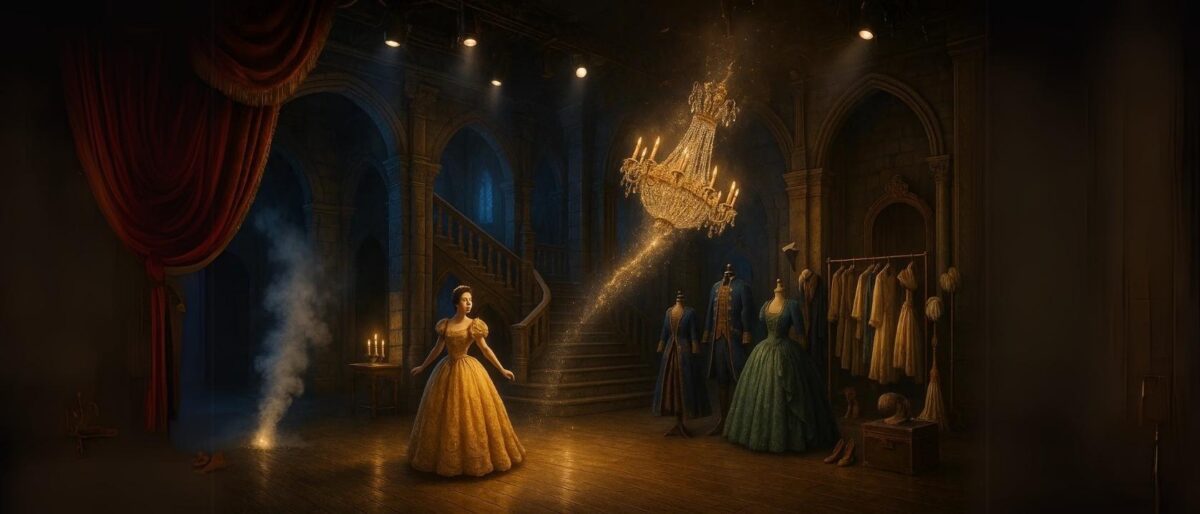
Broadway doesn’t do basic. Every stage is a handcrafted world—whether it’s a smoky 1920s jazz club, an enchanted castle, or a technicolor dreamscape with flying chandeliers. Each Broadway set is a one-of-a-kind, built-in masterpiece, designed to live in one specific theater and run like a well-oiled, glitter-covered machine night after night.
Contrast that with concert tours. Most bands and solo artists travel with a collapsible stage setup that’s designed for mobility. It’s impressive, sure—but it’s also modular and reused city-to-city, sometimes even across entire continents. Broadway doesn’t pack up and move. Every trap door, moving wall, rotating platform, and fog machine is custom-built and installed for that specific show—and maintained like royalty.
Same goes for costumes. A lead actor might have six lightning-fast changes per show, each with intricate fittings, beading, and backup versions in case of spills or snags. Add in wigs, hats, gloves, character shoes, quick-change dressers, and tailored layers for the ensemble. It’s a couture factory with curtain calls.
These aren’t background props—they’re vital characters in the performance. Designers, builders, artisans, and tech experts all contribute, and they don’t come cheap. The result? You’re paying for a 360-degree visual feast that turns storytelling into spectacle.
Union Wages & NYC Costs
Broadway lives in the most expensive sandbox in the U.S.—New York City. And as magical as it feels to sit under those velvet curtains, behind the scenes is a complex web of contracts, unions, and rent that would make any accountant sweat. Every single performance is held together by people working under union agreements—and that’s a good thing. Fair wages, health benefits, and safety standards? Yes, please. But those protections come with a price tag, and it’s baked into your ticket.
Actors’ Equity Association covers performers and stage managers, while musicians belong to Local 802, and stagehands work under IATSE. These aren’t gig workers—they’re seasoned pros. And with union work comes required pay scales, overtime, insurance, and pension contributions. That means everyone from the lead role to the light board operator is properly compensated—multiple times a week, rain or shine.
Then there’s the sheer cost of doing business in NYC. Theater real estate isn’t cheap. Costume and set storage? Costly. Loading docks, rehearsal spaces, utility bills—every square foot is a small fortune. Even a coffee run costs more here. So when you wonder why a ticket costs more than a dinner date, remember: you’re paying for a premium production in the most high-rent creative hub on the planet.
No Sponsors, No Stadium Deals
Here’s a behind-the-curtain money secret: your favorite concert tour? It’s probably powered by a corporate giant. Big-name sponsors like Verizon, American Express, or Coca-Cola often foot part of the bill in exchange for branding, VIP packages, and flashy product placement. Stadiums cut deals. Merch tables pull weight. The financial engine of a concert is a complex—but well-oiled—machine that doesn’t lean entirely on ticket sales.
Broadway? Not so lucky. Theater doesn’t have corporate sugar daddies. There are no billboards for energy drinks hanging over the orchestra pit. Most Broadway productions rely almost entirely on one thing: you buying a ticket. Sure, a handful of shows get support from nonprofit donors or grants, but the commercial blockbusters you’ve heard of? They live and die by their box office numbers. If the seats aren’t filled, the show simply can’t go on.
Broadway’s financial structure is old-school and direct. No ad revenue. No stadium naming rights. No arena-size merch revenue. Just a theater, a stage, a cast, and ticket revenue paying for it all. So while a concert tour can balance losses from a slow city with merch or streaming royalties, Broadway needs every night to count. And that’s part of why your ticket costs what it does—it’s the show’s lifeline.
Concerts Make Bank on Merch
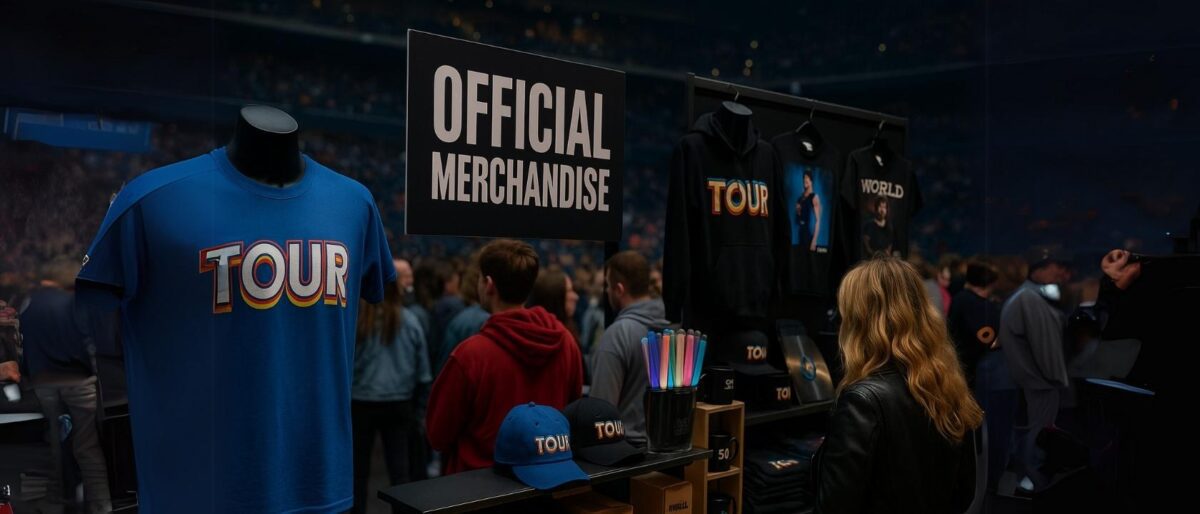
If you’ve ever paid $60 for a t-shirt at a concert and still felt smug about it, congrats—you just helped subsidize the ticket price. Merch is a money machine for touring artists. Tees, hoodies, vinyl, posters, light-up sticks, and $25 keychains? Fans eat it up. Some tours pull in millions from merch alone—often out-earning the actual ticket sales in certain cities. That extra income helps keep base ticket prices a little lower while padding profits big time.
Now, shift that spotlight to Broadway. Sure, you’ll find merchandise kiosks in the lobby—but the selection is modest, the volume is lower, and the vibe is way less frenzied. Maybe a mug, a magnet, a hoodie, and a windowcard. Broadway fans love their keepsakes, but you won’t see long merch lines wrapping around the block like you would at a Taylor Swift concert. Why? Because Broadway merch isn’t a primary revenue stream. It’s a souvenir, not a strategy.
This all boils down to per-ticket income distribution. At a concert, your $75 ticket might be balanced by a $100 merch haul. On Broadway, the ticket is doing all the heavy lifting. That’s why prices seem steep—there’s no backup band of branded hoodies picking up the slack.
No Repeat Crowds
Let’s be real—concert fans are often loyal to the point of obsession. Some people follow their favorite band across states (or countries), attending multiple shows on the same tour just to feel that electric rush again. Artists build entire business models around superfans: VIP experiences, meet-and-greets, exclusive merch drops. The same crowd shows up again and again, making revenue feel like a rolling snowball.
Broadway? It’s built differently. Most people—especially tourists—see a show once. Maybe twice if they’re truly hooked. But few return every week to see the same cast belt out “Defying Gravity” or “Wait for It.” Each night needs a brand-new audience. That means ticket sales have to hit the target every single time, because there’s no cushion of repeat customers to fall back on.
This puts pressure on pricing. Every seat must pull its weight. Theaters can’t rely on fans buying five-night passes or chasing the tour bus from one city to the next. Broadway casts give 110% to people they’ve never met, night after night. That fresh energy is part of the magic—but it also means the business has to maximize revenue per attendee. There’s no second chance to convert a first-time viewer.
Production Costs Are Front-Loaded
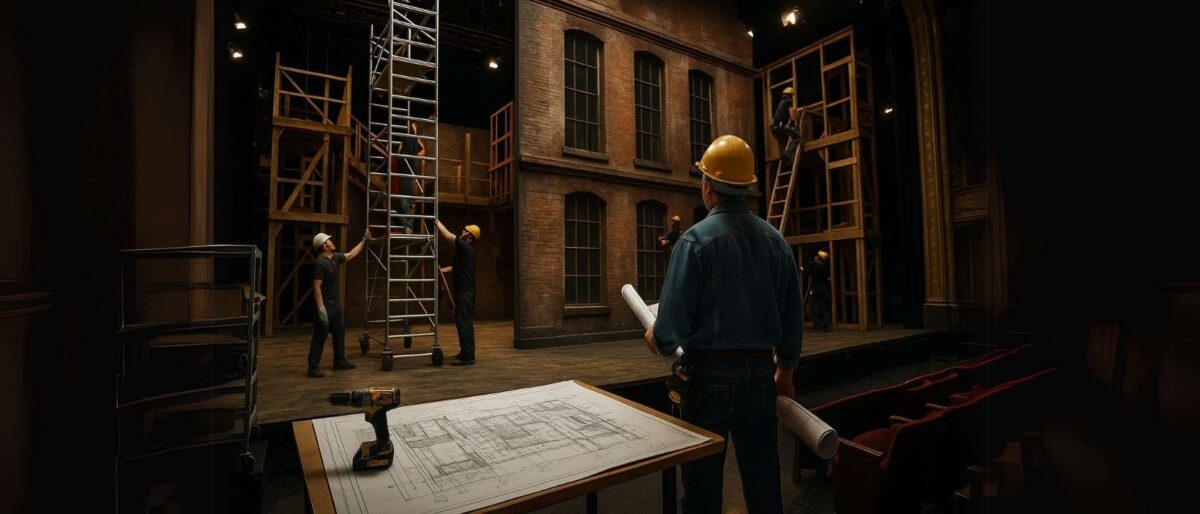
Before a single audience member ever takes their seat, before the overture plays, before the lights go down—Broadway shows are already millions of dollars deep. Set design, costume fabrication, theater rental, script development, choreography, casting, marketing—every element is paid for upfront. It’s like hosting a party and buying all the champagne before you even know if anyone’s coming.
Many Broadway productions cost $5 million to $20 million just to launch. Big musicals? They can reach $30 million or more. And here’s the kicker: if the show doesn’t take off? That money is gone. Investors aren’t rolling in revenue from streaming or licensing yet—they’re waiting on ticket sales to recoup their gamble.
This makes Broadway a high-risk, high-reward game. Some shows never make back what they spent. Others take years to turn a profit. So when you see a $180 ticket, it’s not just paying the actors—it’s also paying down the debt of everything that led to opening night. Unlike concert tours that can ramp up gradually, Broadway opens big or busts. And to stay afloat, it needs to earn back those millions one playbill at a time.
Broadway Is a Risky Business
Broadway may look glitzy, but behind the curtain, it’s a financial tightrope walk without a net. The truth? Many shows close early—sometimes after just a few weeks. Others run for months and still never break even. In fact, most Broadway productions don’t turn a profit at all. The ones that do—Hamilton, The Lion King, Wicked—they’re the unicorns. Glittering, high-kicking unicorns.
This is why ticket prices feel steep. Each show is fighting for survival. One bad review, a rainy week, or a missed tourist season can throw off projections. There’s no album sales safety net, no global tour to fall back on. A musical lives and dies by the box office—and when millions are on the line, every seat has to earn its keep.
Now compare that to the music industry. Artists drop a single, rack up millions of streams, sell digital downloads, book festivals, land endorsements. Their income is diversified. A canceled concert doesn’t sink their career. Broadway? It’s all in. One stage, one city, one shot. That financial fragility gets built into your ticket—because the truth is, you’re not just buying entertainment. You’re underwriting an artistic gamble.
It’s Just… Different
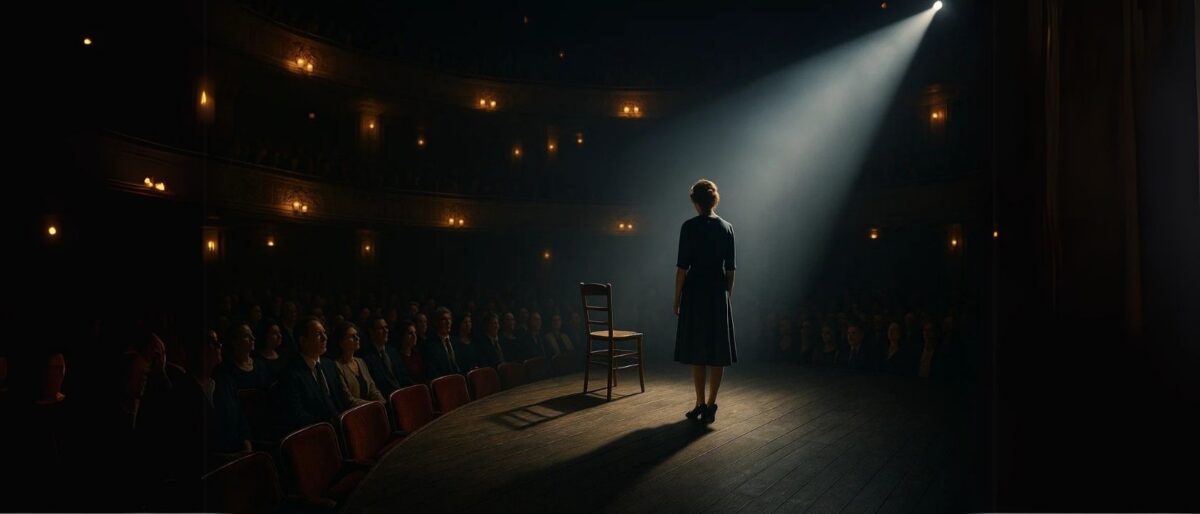
Try as you might, you can’t really compare a Broadway show to a concert. They live in different emotional galaxies. One gives you goosebumps from the bass drop, the other punches you in the heart with a single spotlight and a line of dialogue. Broadway isn’t just a performance—it’s storytelling with stakes. It’s live, fragile, deeply human, and never the same twice.
There’s a legacy, too. Broadway carries over a century of cultural weight, prestige, and tradition. When you walk into a theater, you’re stepping into a history shared by legends. Every creaky floorboard and velvet seat is soaked in stories. It’s no surprise that people view it with a kind of reverence, like a rite of passage. People dress up, pay up, and show up—because it means something.
And that meaning? That’s part of the price. Sure, you’re paying for lights, sets, and talent. But you’re also paying for a moment you can’t download, replay, or rewind. For the gasp of an audience in unison. For the feeling of being seen in a song or a monologue. Concerts give you sound. Broadway gives you soul. And honestly? That difference is worth every penny.
Conclusion
So, yeah—Broadway costs more. But it’s not a rip-off. It’s a price tag stitched with hours of sweat, layers of storytelling, and generations of tradition. Behind every $200 ticket is an orchestra tuning up, a crew working overtime, a cast rehearsing their hearts out, and investors biting their nails.
Next time that sticker shock hits, take a beat. You’re not just buying a seat—you’re backing an entire ecosystem of magic-makers. You’re helping the lights stay on, the curtains rise, and the stage come alive night after night. And when that first note hits and your chest tightens with awe? Yeah. That’s the payoff.
Still think concerts are cheaper? They might be. But Broadway? It’s priceless in its own way.