NxWorries Announce First North American U.S. Tour 2025
May 16, 2025
How Broadway Shows are Made
May 21, 2025Broadway vs West End: What’s the Difference?
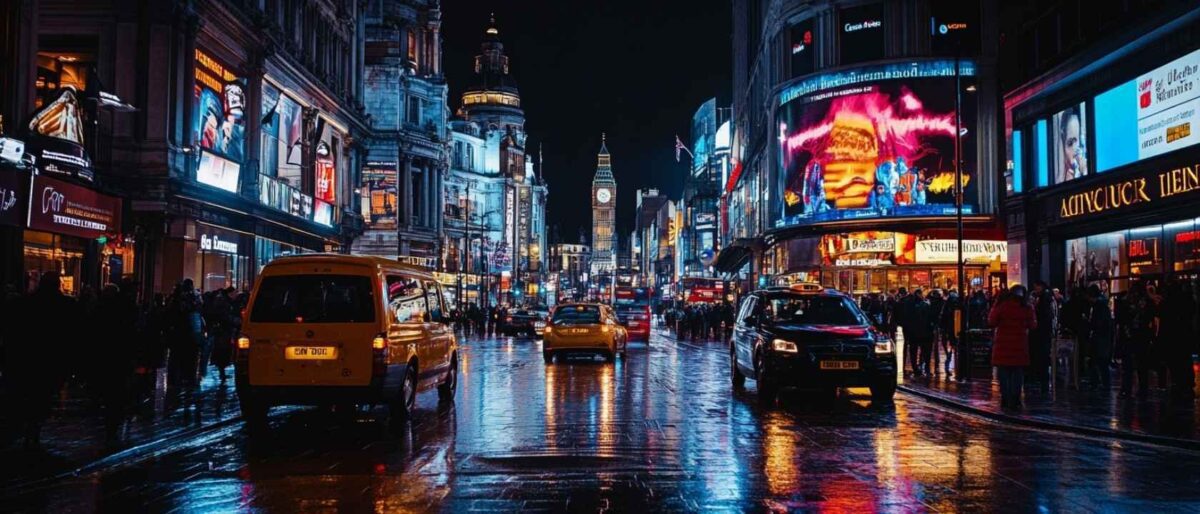
Broadway and the West End are like theater’s twin spotlights—both dazzling, but each with a different glow. Whether you’re belting out show tunes in NYC or sipping wine in a velvet London box seat, understanding what sets these stages apart adds depth to every standing ovation. Let’s break it down.
Location, Location, Location
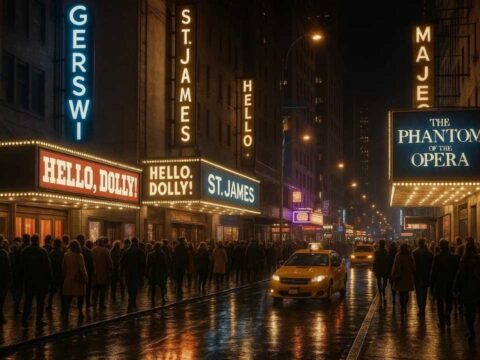
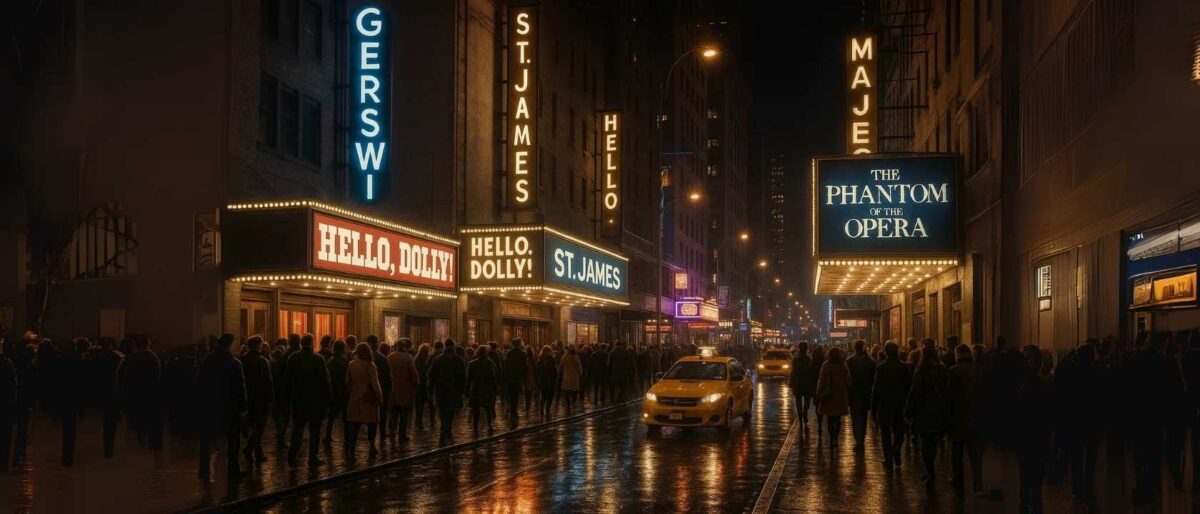
Broadway and the West End may share a love for curtains and encores, but their surroundings couldn’t be more different. Broadway lives in the heart of New York City, with most theaters clustered tightly around Times Square. Neon signs, honking taxis, street performers, and snack carts set the scene—chaotic, electric, and unmistakably NYC.
On the other side of the Atlantic, London’s West End rests in the charming arms of Covent Garden and Leicester Square. It’s a blend of cobbled streets, classic pubs, elegant façades, and pre-show strolls under lamplight. Where Broadway shouts, West End hums. Both pulse with energy—but one’s in your face, and the other nods politely with a British accent.
Whether you’re dodging costumed Elmos in Midtown Manhattan or sipping espresso by Trafalgar Square, the neighborhood flavor shapes the theatergoing vibe. And it’s not just scenery—it’s a whole mood before the curtain ever rises.
Number of Theaters & Size
When it comes to stage real estate, both Broadway and the West End boast a powerhouse lineup of venues—but their rules and scale differ just enough to be interesting.
Broadway officially consists of 41 theaters, all located in Manhattan’s Theater District. But not just any stage gets the Broadway badge—there’s a seat count requirement. To be considered Broadway, a theater must have at least 500 seats. Anything smaller falls into the “off-Broadway” or even “off-off-Broadway” category, where experimental and intimate productions thrive in black box spaces and converted lofts.
The West End, meanwhile, features around 39 major venues, primarily in Central London. Unlike Broadway’s strict definition, the West End is more flexible in seat size and scope—so you’ll find a wider mix of big-name houses and smaller, atmospheric stages still considered part of the main scene. London’s “fringe theatre” scene also deserves a shoutout, especially for edgy or emerging works that push creative boundaries outside the mainstream.
In short: Broadway builds big, West End plays it versatile. One packs in the crowds; the other might tuck you into a velvet balcony with a glass of prosecco.
Ticket Prices & Availability
Let’s talk about the one thing that can make or break your night before the curtain even rises: ticket prices. Broadway tickets are notoriously pricey, especially if you’re aiming for premium orchestra seats or last-minute bookings. It’s not unusual for top-tier seats to hit $200+, and popular shows like *Hamilton* or *MJ* can soar even higher on resale platforms.
The West End tends to be a bit kinder to your wallet. While big-name productions still command hefty prices, there are more affordable same-day ticket options—especially through trusted platforms like TodayTix or at in-person box offices near Leicester Square. Many London theaters also offer special deals like day seats, student discounts, and under-30 programs.
If you’re feeling lucky (and frugal), try a ticket lottery or rush tickets. Broadway has embraced digital lotteries with shows offering $10–$40 seats to winners. West End has embraced the tradition too, with walk-up lotteries and standing room deals for spontaneous theatergoers.
Pro tip: Matinee performances—especially midweek—can be cheaper, more available, and just as magical. Bonus: fewer crowds and shorter lines at the bar.
Show Types & Repertoire

If Broadway is the land of big dreams and bigger musicals, the West End is its moodier cousin with a flair for variety. Broadway thrives on high-gloss, high-energy productions—think *Hamilton*, *Wicked*, *The Lion King*. Musicals rule the roost, and box office giants often run for years, becoming cultural landmarks as much as performances.
The West End, while it boasts its own mega-musicals, leans more evenly into plays, classics, and bold new writing. Want Shakespeare? You’re more likely to catch a modern *Macbeth* or *Hamlet* in London than in New York. The West End isn’t afraid to get weird, whip-smart, or wildly unconventional—especially in its smaller venues and limited runs.
There’s also a transatlantic exchange going on. Some shows start in London (*Six*, *The Lehman Trilogy*) and transfer to Broadway. Others make the leap from New York to London’s stages (*Dear Evan Hansen*, *Book of Mormon*). Each scene feeds the other, often tweaking tone, casting, or staging for a local touch.
Performance Style & Casting
Broadway and the West End might be telling the same stories, but how they bring those stories to life? That’s where things get juicy.
Broadway tends to go big or go home. It’s all about star power, soaring vocals, and show-stopping moments. Casting often includes high-profile names—whether they’re screen actors crossing over or musical icons moonlighting on stage. Think bold gestures, powerhouse belting, and audiences clapping mid-song.
The West End leans more into tradition and technique. Many actors come from classical theater training or drama schools like RADA or LAMDA. Performances can be more restrained or layered—less razzle, more realism. That doesn’t mean boring—it just means British theater loves a good slow burn, while Broadway prefers fireworks from the first line.
There are also union rules that shape casting. Broadway actors fall under the U.S. Actors’ Equity Association, while the West End works with British Equity. These regulations impact pay, rehearsal time, and cross-Atlantic casting—yes, even your favorite actor might need a work visa to make the leap.
And then there’s the accent factor. An American actor playing Eliza Doolittle in London? She’d better get that Cockney spot-on. In some roles, accent authenticity isn’t just a preference—it’s part of the plot.
The Awards
Every stage has its crown jewel, and in the theater world, that means awards. Broadway’s top honor is the Tony Award, presented each June and broadcast live to millions. Winning a Tony is often a one-way ticket to sold-out shows, celebrity status, and global recognition. It’s glitz, glamour, and emotional speeches under stage lights.
Across the pond, the West End shines with the Olivier Awards. Named after legendary actor Laurence Olivier, these awards are no less prestigious—especially in the UK. Held at the Royal Albert Hall or similarly grand venues, the Oliviers celebrate excellence across London’s stages with equal reverence for musicals and plays.
What’s the difference? The Tonys have greater global reach—helped by Broadway’s media presence and celebrity factor. The Oliviers, however, are often seen as more focused on theatrical craft and tradition. Both honor incredible talent, but the vibe is distinctly different: Broadway brings the razzle-dazzle, while the West End pours the tea.
Some shows hit the rare jackpot—The Phantom of the Opera, *Hamilton*, *The Curious Incident of the Dog in the Night-Time*—earning top awards on both sides of the Atlantic. Now that’s theater royalty.
The Theatergoing Experience
Going to the theater isn’t just about what’s on stage—it’s the whole night out. And while Broadway and the West End both know how to put on a show, the experience from seat to standing ovation has a few key differences.
Dress code? More like vibe check. On Broadway, anything goes. You’ll see everything from cocktail dresses to hoodies and sneakers—especially at matinees. In the West End, audiences tend to dress a bit more polished. It’s not a tuxedo situation, but think smart-casual: trousers, boots, maybe a blazer. You won’t get turned away for wearing jeans, but you might feel underdressed.
Concessions are a tale of two countries. In London, drinks at your seat are totally normal. Glass of wine during Act 2? Cheers. Broadway, on the other hand, usually restricts food and drink to the lobby—unless you’re in a premium box or certain newer theaters with sealed cups.
Intermissions also play out differently. In the UK, it’s a bit more relaxed—people chat, sip drinks, maybe stretch their legs. In NYC, the lobby becomes a race track: bathroom lines, snack runs, and a rush back before the second-act bell.
And the crowd? Broadway audiences tend to be louder and livelier. You’ll hear mid-show clapping, whoops during musical numbers, and full-throated standing ovations. The West End crowds are often more restrained—polite, focused, and a little quieter. But don’t mistake that for lack of enthusiasm—just a different kind of respect.
Iconic Venues
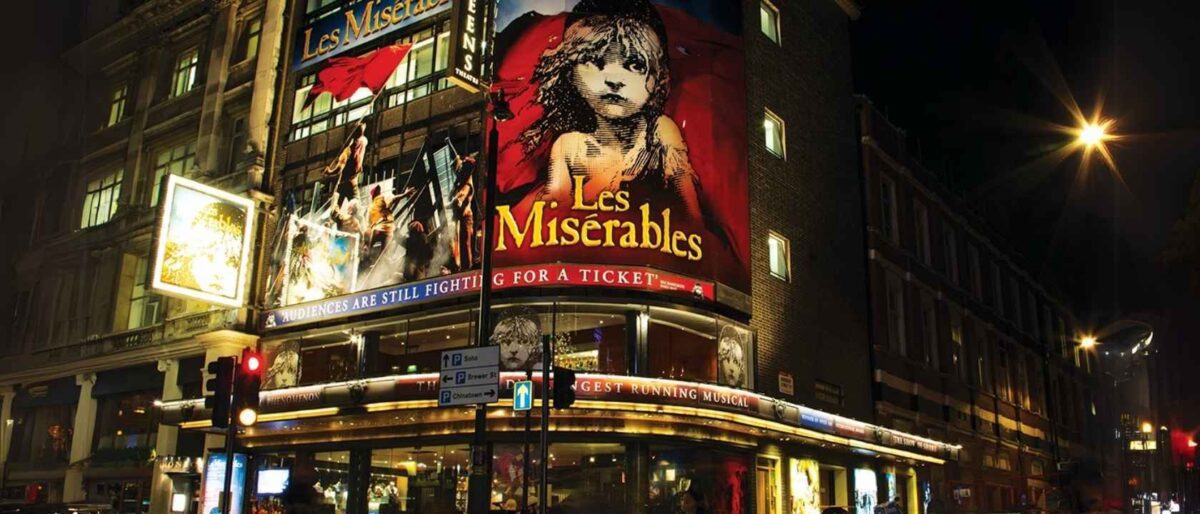
Some theaters are more than just places to catch a show—they’re characters in the story themselves. From chandeliers to marquee lights, Broadway and the West End each boast legendary venues that have hosted unforgettable performances and famous footlights for decades, if not centuries.
On Broadway, you’ve got heavy hitters like:
- The Majestic Theatre – Longtime home to *The Phantom of the Opera*, with its grand proscenium arch and dramatic chandeliers.
- Richard Rodgers Theatre – Immortalized by *Hamilton*, it’s a go-to for culturally seismic musicals.
- Lyric Theatre – One of the largest Broadway houses, known for hosting tech-heavy productions like *Harry Potter and the Cursed Child*.
Across the Atlantic, the West End’s treasures include:
- Royal Opera House – Regal and opulent, it’s a beacon for opera and ballet lovers in Covent Garden.
- Her Majesty’s Theatre – The original London home of *Phantom*, with ornate Edwardian elegance.
- Palace Theatre – A red-bricked Gothic beauty that’s housed hits like *Les Misérables* and *Harry Potter*.
Each venue tells a story. Broadway leans Art Deco and grandiose, while the West End channels historic charm and classic elegance. The buildings alone are worth the ticket price—just look up before the lights go down.
Which One Should You Choose?
Trying to pick between Broadway and the West End? It’s a bit like choosing between caviar and champagne—both are indulgent, both are fabulous, and honestly, you can’t really go wrong.
Go for Broadway if you’re chasing glitz, glam, and goosebumps. The energy in a New York City theater is electric. The musicals are big, the audiences are loud, and the production value often pushes the envelope—think giant sets, megawatt stars, and applause mid-scene.
Head to the West End if you’re craving something classic, charming, and a bit more diverse in style. London’s theater scene offers a broader mix of plays, experimental works, and globally recognized talent—often at a slightly more wallet-friendly price point. The architecture alone is worth a visit, and the performances are no less thrilling—just served with a British accent and a side of gravitas.
Ultimately, both promise unforgettable nights under the lights. Whether it’s your first show or your fiftieth, whether you leave humming show tunes or reflecting on a gripping monologue, the magic of live theater shines on both sides of the Atlantic.
Pros & Cons Summary
| Broadway | West End |
|---|---|
Pros:
Cons:
|
Pros:
Cons:
|
Conclusion
Whether you’re drawn to the bright lights of Broadway or the timeless elegance of the West End, one thing’s certain: you’re in for a show. These two theater giants aren’t rivals—they’re reflections of different cultures, styles, and storytelling traditions that have dazzled audiences for decades.
Curtains rise on two great traditions—so why not catch both? Broadway delivers blockbuster thrills, bold voices, and that unmistakable New York buzz. The West End offers layered performances, literary depth, and that touch of British wit and charm. Both are unforgettable in their own right.
So don’t overthink it. There’s no wrong choice here—just different flavors of magic waiting behind velvet curtains. Lights down, spotlight on—it’s time to take your seat.