How to Get Alerts for Sold-Out Events and Ticket Drops
May 26, 2025
Why Hasan Minhaj Is the King of Political Comedy
May 27, 2025From Stand-Up to Broadway: Comedians Who Made the Jump
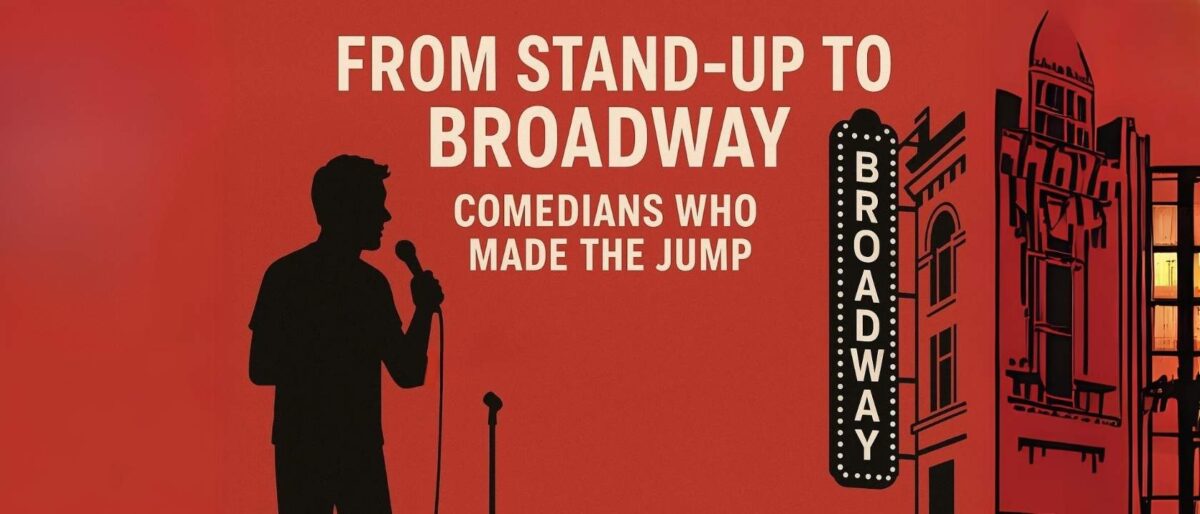
What do Broadway lights and a stand-up mic have in common? More than you’d think. From punchlines to playbills, some comedians have made the leap—and nailed the landing. This article spotlights the stars who traded comedy clubs for curtain calls and proved that timing is everything, onstage or off.
1. Why Stand-Up and Broadway Aren’t So Different
At first glance, a spotlighted mic and a Broadway stage might seem like distant planets—but for many performers, they’re just two sides of the same curtain. Both require precise timing, stage control, and the ability to read a room like it’s written in boldface.
Stage mastery is baked into stand-up. Comedians own their space, manage pacing, and feed off energy that shifts second by second. That same skill translates beautifully to live theatre, where immediate audience response fuels every gesture and pause. Whether it’s delivering a laugh line or a dramatic monologue, both crafts demand presence over perfection.
Then there’s the magic of storytelling and character work. Stand-up, at its best, is theatre in disguise. Comedians shift voices, build arcs, and dive into mini-characters without needing a set change. Broadway demands the same—but layered with direction, choreography, and collaboration.
The real challenge? Going from solo act to ensemble player. Stand-up comics are used to calling every shot. Theatre requires letting go—sharing space, syncing with scene partners, and trusting the director’s vision. It’s a shift in rhythm, but for those who embrace it, the payoff is pure magic on a bigger stage.
2. Robin Williams – From Clubs to Bengal Tiger at the Baghdad Zoo
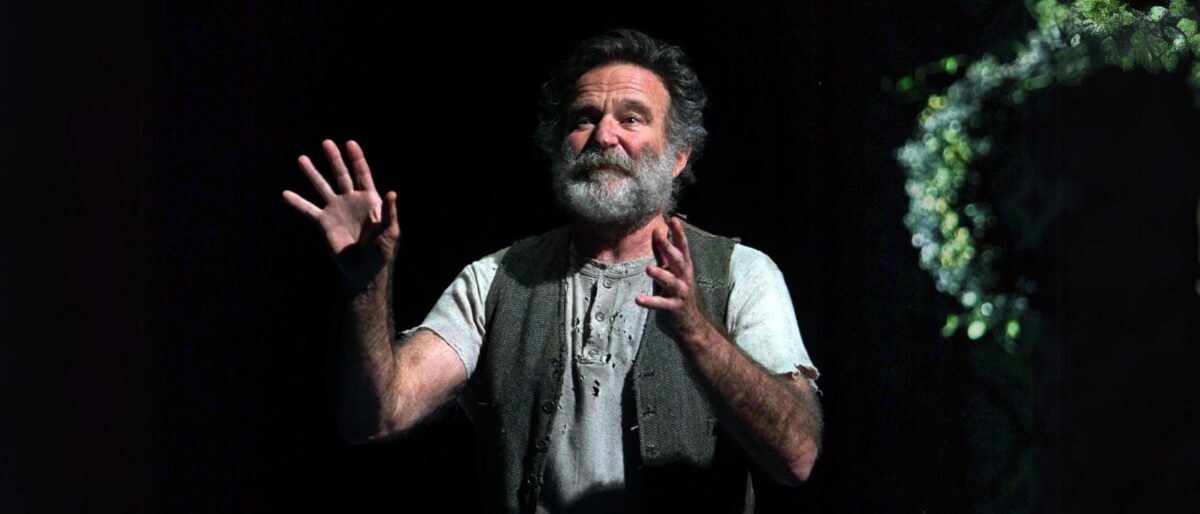
Robin Williamsimprov, voices, physicality, and lightning-speed wit. Crowds didn’t just laugh—they barely had time to breathe. So when he made his Broadway debut in Rajiv Joseph’s Bengal Tiger at the Baghdad Zoo in 2011, audiences expected fireworks. Instead, they got something deeper—a haunting, poetic performance that showcased his rarely seen stillness.
Williams played the ghost of a tiger—yes, a tiger—wandering war-torn Baghdad, ruminating on death, cruelty, religion, and absurdity. The role demanded restraint, darkness, and long moments of introspective silence—a stark departure from the hyperactive personas he built onstage and in film. And yet, he was magnetic. Every word landed. Every pause echoed.
This wasn’t the first time Williams had shown his dramatic chops (*Good Will Hunting*, *Dead Poets Society*), but seeing it live—without edits, without retakes—was another thing entirely. He proved that a man who could ignite a room with laughter could also quietly command a stage with gravity.
Bengal Tiger wasn’t just a Broadway role—it was a reminder: great comedians are often great actors in disguise, and Robin Williams was both, in the purest, most heartbreaking way.
3. Whoopi Goldberg – Whoopi, A Funny Thing Happened…, Thoroughly Modern Millie
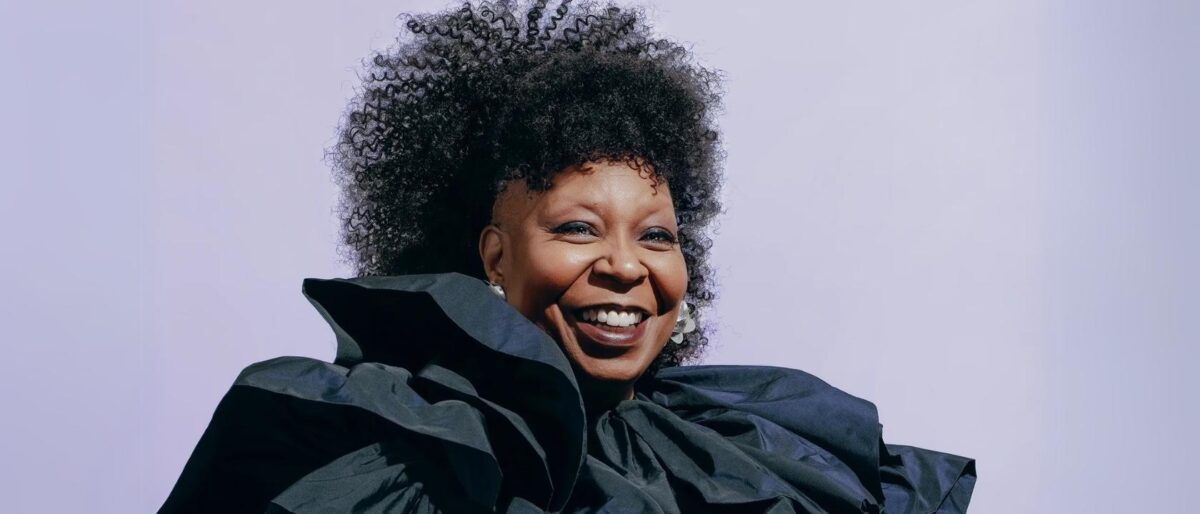
Before Whoopi Goldberg became a household name, she was already making Broadway history. In 1984, she launched her one-woman show Whoopi on Broadway—a bold, character-driven performance that blended biting comedy with raw social commentary. She played everyone from a Valley girl to a junkie, using humor to confront race, gender, and poverty with fearless honesty and zero filter. That show launched her career and marked her as a theatrical force.
But Whoopi didn’t stop there. She returned to the Great White Way over the years, effortlessly switching between comedy and drama. She stepped into classic roles like Pseudolus in A Funny Thing Happened on the Way to the Forum—bringing her signature mix of sharp timing and stage presence—and later appeared in Thoroughly Modern Millie, surprising audiences again with her ability to both parody and honor Broadway tradition.
As one of the rare EGOT winners (Emmy, Grammy, Oscar, Tony), Goldberg’s resume is as layered as her performances. But Broadway is more than a line on her bio—it’s where she first caught fire and returned again and again to remind audiences that comedy and courage often walk hand in hand.
4. Steve Martin – Bright Star and Behind the Scenes
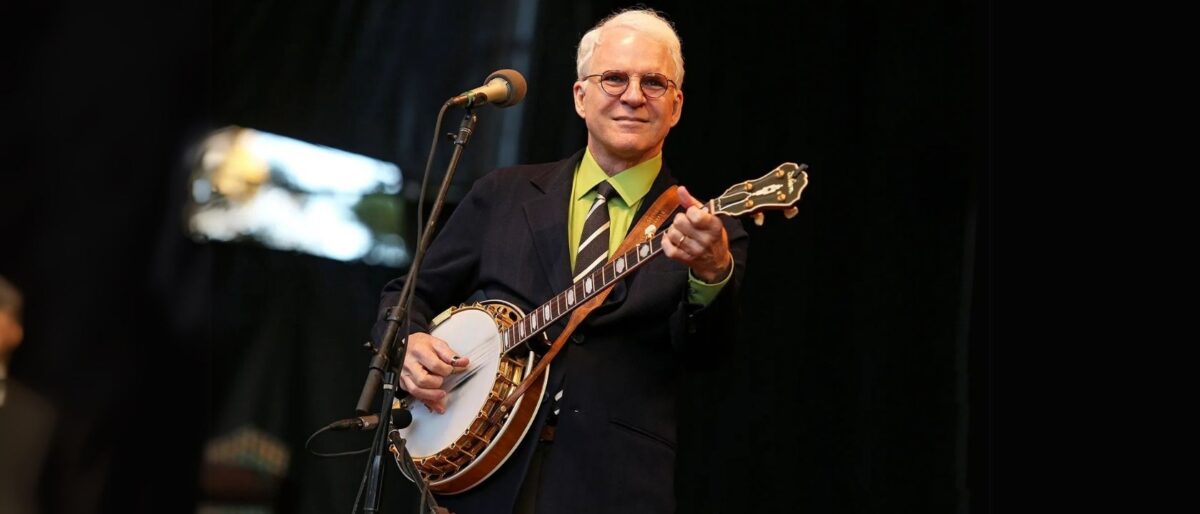
Steve Martin didn’t step onto Broadway in a spotlight—he built his legacy from behind the curtain. Known for his absurdist stand-up and banjo-playing charm, Martin pivoted from comedy superstar to theatrical storyteller with surprising grace. His 2016 Broadway debut as co-creator of Bright Star showcased a different kind of brilliance: a deep love for language, melody, and emotion.
Written alongside singer-songwriter Edie Brickell, Bright Star is a bluegrass musical set in 1940s North Carolina. It tells a sweeping, bittersweet story of love, loss, and redemption—infused with Martin’s trademark wit and a musical backbone that pulses with Southern soul. He penned the book and co-wrote the music and lyrics, showing the same sharpness and rhythm that once fueled his stand-up—but now aimed at character arcs instead of punchlines.
The show earned multiple Tony nominations and critical praise for its blend of humor and heart. And while Martin never took the stage in the production himself, his presence was felt in every line of dialogue, every banjo pluck, every clever twist of phrase. It proved what fans had long suspected: Steve Martin isn’t just funny—he’s a creative force with serious storytelling chops.
5. Billy Crystal – 700 Sundays and Mr. Saturday Night
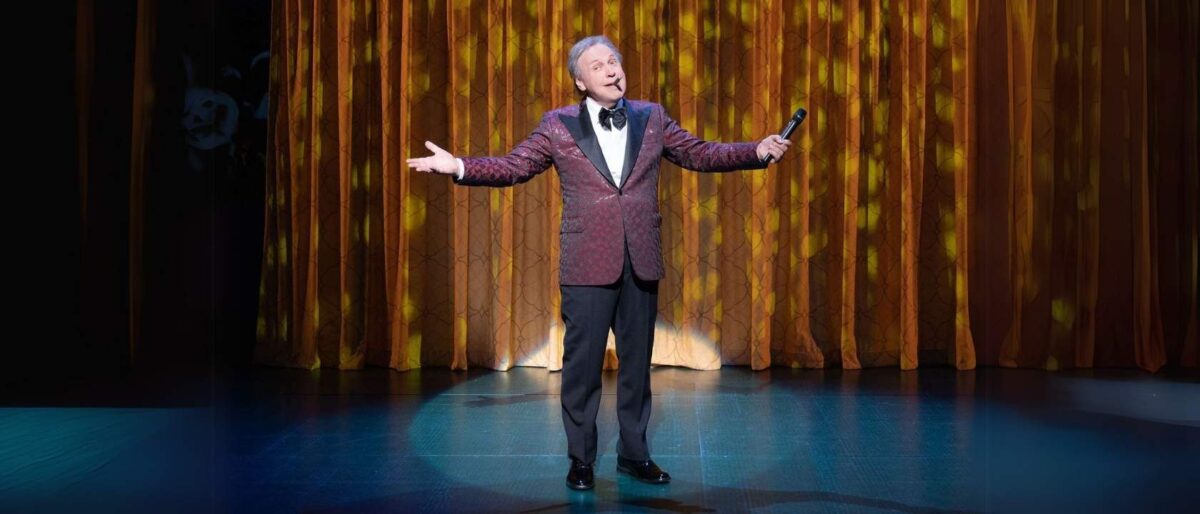
Billy Crystal has always been more than a punchline machine. He’s a storyteller, a mimic, and a master of emotional nuance wrapped in warmth and wit. Nowhere is that more evident than in his Broadway triumphs—700 Sundays and Mr. Saturday Night—two shows that proved his comedic timing and theatrical soul go hand in hand.
700 Sundays, Crystal’s one-man autobiographical show, premiered on Broadway in 2004. It was funny, heartbreaking, and deeply personal, chronicling his childhood, family losses, and journey into show business. Audiences laughed, cried, and applauded for nearly two hours straight. The show earned him a Tony Award for Special Theatrical Event, and firmly established him as more than a stand-up—it proved he could hold a Broadway house on charisma and memory alone.
Years later, Crystal returned with Mr. Saturday Night, a full-scale musical based on his 1992 film about an aging comedian grappling with fame and regret. This time, he added singing and dancing to his repertoire—because why not? The show was equal parts comedy, nostalgia, and heartache, showcasing Crystal’s rare ability to switch between belly laughs and emotional gut punches without missing a beat.
In both productions, Billy Crystal reminded audiences that funny men often carry the heaviest stories—and tell them best.
6. Martin Short – Little Me, The Goodbye Girl, It’s Only a Play

Martin Short doesn’t just perform on Broadway—he owns it with the energy of a caffeinated vaudevillian and the precision of a stage veteran. Known for his elastic face, outrageous characters, and razor-sharp improv, Short has long been a Broadway regular with a flair for musical comedy and a knack for bringing the house down without stealing the show.
He earned a Tony Award for his turn in the 1999 revival of Little Me, a tour-de-force role where he played eight characters, switching accents, wigs, and physicalities on a dime. It was a masterclass in comedic range—equal parts clown and chameleon. He also charmed in the 1993 musical version of Neil Simon’s The Goodbye Girl, playing a struggling actor opposite Bernadette Peters, blending humility and hilarity in every scene.
In It’s Only a Play (2014), Short joined an all-star cast alongside Nathan Lane, Matthew Broderick, and Megan Mullally in a backstage farce that celebrated—and skewered—Broadway itself. His timing was impeccable, his chemistry electric, and his performance proved why directors trust him to elevate any ensemble.
Offstage, Short often collaborates with longtime friend Steve Martin in sold-out comedy specials that bridge Broadway flair with stand-up irreverence. Onstage, he’s a reminder that physical comedy, improvisation, and classic showmanship never go out of style.
7. Eddie Izzard – Charles Dickens’ Great Expectations
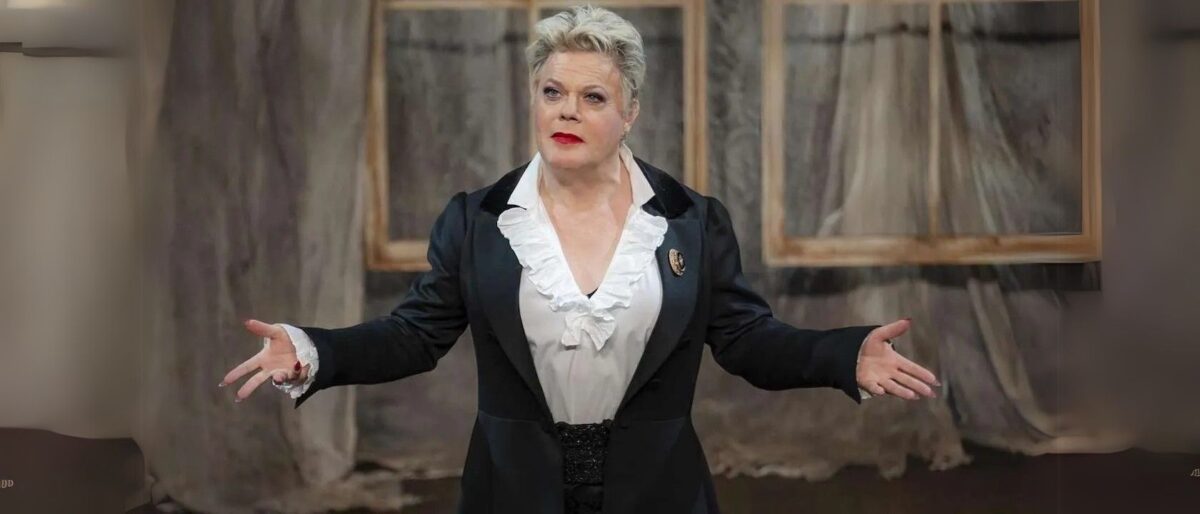
Eddie Izzard has long blurred the lines between stand-up, storytelling, and theatrical performance. Known for her surreal, whip-smart, and often philosophical comedy, Izzard doesn’t just tell jokes—she builds worlds. So it made perfect sense that she would eventually bring her voice, vision, and bravado to Broadway in a daring solo adaptation of Charles Dickens’ Great Expectations.
Premiering in 2023, this one-woman tour de force saw Izzard take on every character in the Dickensian classic—Pip, Miss Havisham, Estella, Jaggers, and more—shifting tone, posture, and energy with fluid grace. It was a high-wire act of theatrical storytelling, with no set changes, no castmates, and no safety net. Just Izzard, a script, and an audience hanging on every syllable.
Her ability to bridge stand-up’s immediacy with literature’s depth gave the performance a uniquely hypnotic rhythm. It wasn’t just a reading—it was performance art laced with humor, pathos, and narrative precision. In the hands of someone else, the idea might’ve felt like a gimmick. With Izzard, it felt like theatrical evolution.
She proved that a comic’s instinct for timing and transformation can elevate even the most classic of texts—and that stagecraft and stand-up aren’t rivals, they’re relatives.
8. Colin Quinn – An Irish Wake, Red State Blue State, The New York Story
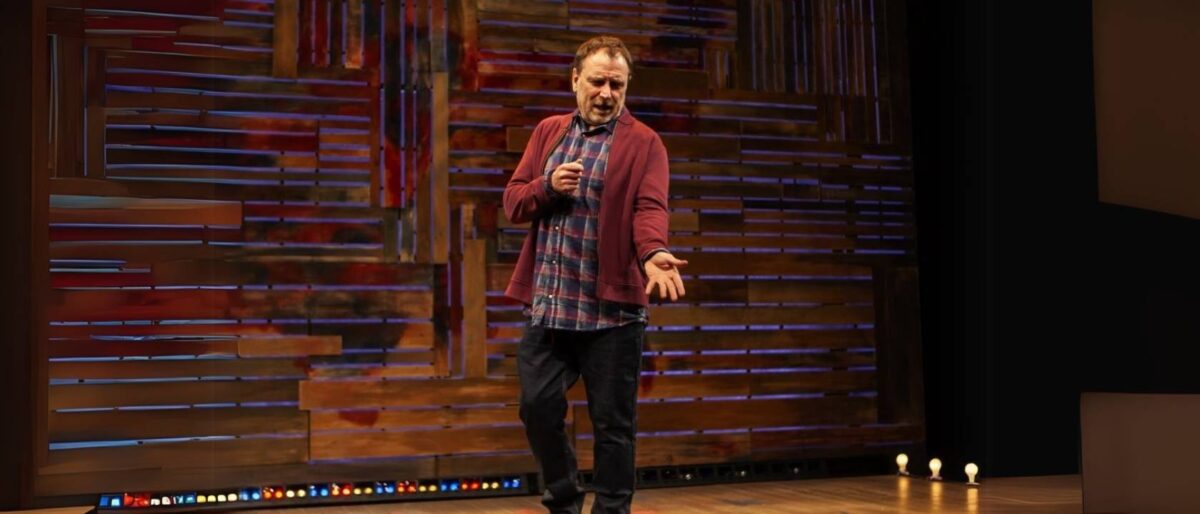
Colin Quinn may have cut his teeth on Saturday Night Live and MTV, but his true genius comes alive when it’s just him, a mic, and a spotlight. A master of dry, observational comedy, Quinn took his stand-up roots and carved out a unique niche in the world of Broadway and Off-Broadway—monologue-driven solo shows that dissect culture, politics, and the human condition.
His debut show, An Irish Wake, was a raw, hilarious take on family, death, and heritage. But it was with The New York Story—directed by Jerry Seinfeld—that he truly found his theatrical rhythm. In it, Quinn riffed on the five boroughs like a comedic anthropologist, weaving together history, stereotypes, and gentrification into a fast-talking love letter to the city.
Then came Red State Blue State, a brutally funny look at American polarization. With a chalkboard, a stool, and no agenda except insight, Quinn tackled the absurdities of the culture war, showing how stand-up can double as civic theater. His delivery is casual, but the material is tight, smart, and sharp enough to sting.
Colin Quinn brings a streetwise sensibility to the stage, proving that a stand-up’s voice—when honed and fearless—can become its own kind of one-man Broadway.
9. Mike Birbiglia – Sleepwalk with Me, The New One
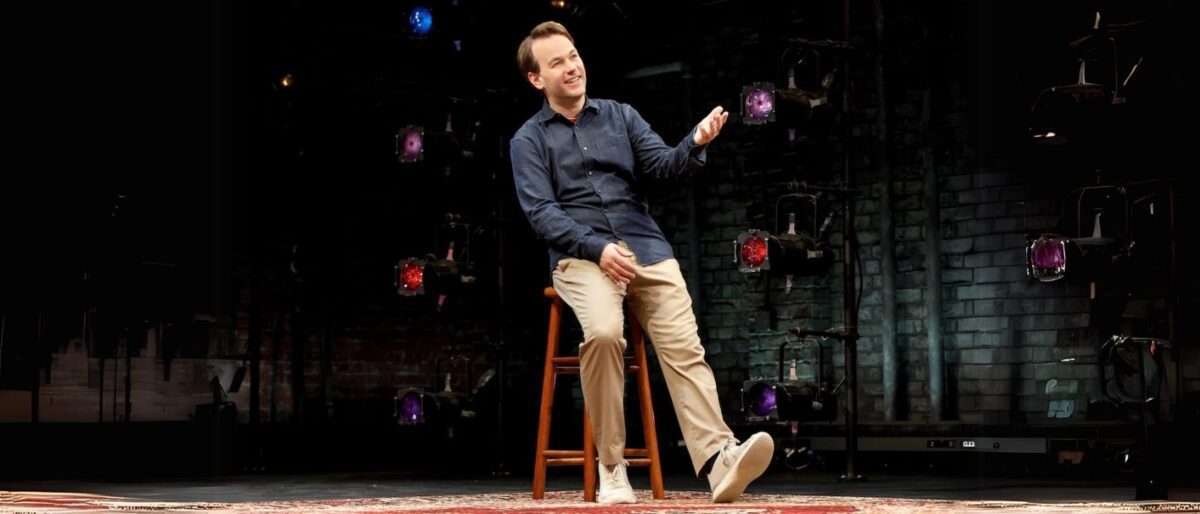
Mike Birbiglia doesn’t just tell stories—he invites you into them, wrapping truth in humor until you’re laughing, nodding, and suddenly emotional without even realizing it. A master of narrative stand-up, Birbiglia has built a career on deeply personal, meticulously crafted monologues that feel more like one-man plays than comedy specials. And when he took that talent to the stage, Broadway welcomed him with open arms.
His breakout show, Sleepwalk with Me, explored a terrifying sleep disorder, personal insecurity, and relationship anxiety—all with disarming vulnerability and deadpan delivery. The show’s success led to a film, a book, and the start of Birbiglia’s evolution from comic to theatrical storyteller.
The New One, which opened on Broadway in 2018, took things even deeper. It chronicled his journey into unexpected fatherhood—messy, moving, and often hysterical. With a minimalist set and a microphone, he held the audience for 90 uninterrupted minutes, guiding them through fear, love, diapers, and identity shifts. It was funny, raw, and universally human.
Birbiglia has shown that you don’t need big sets or a chorus line to move people. Just a story told well, with heart. His work proves that comedy can be theater—and theater can be deeply, hilariously real.
10. Sarah Silverman – The Bedwetter
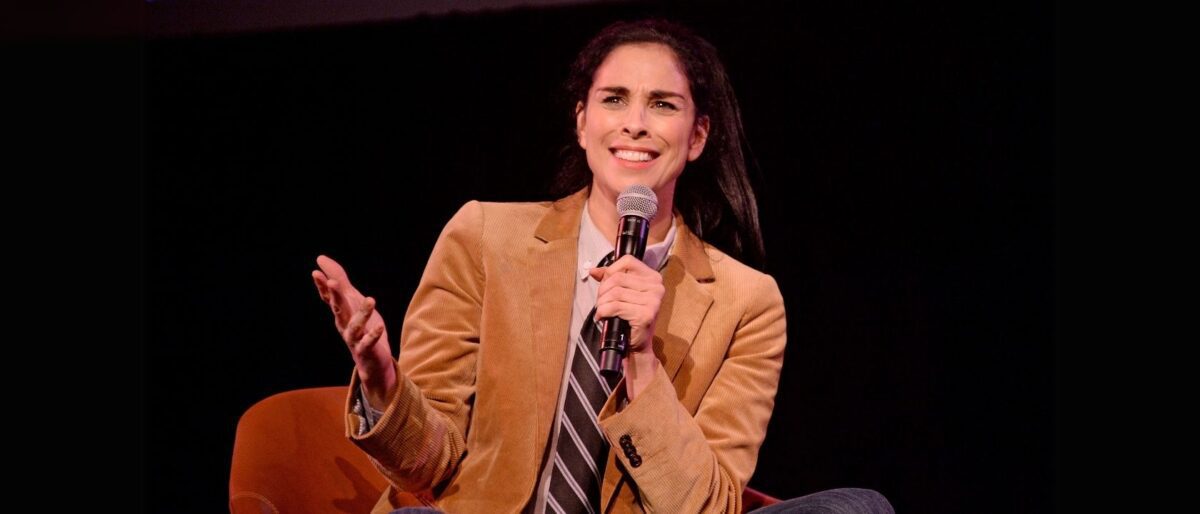
Sarah Silverman is no stranger to provocative comedy, but with The Bedwetter, she surprised everyone—not by being shocking, but by being tender, honest, and profoundly human. Based on her memoir of the same name, the Off-Broadway musical adaptation dives into her childhood struggles with incontinence, anxiety, and grief—all filtered through her signature comedic edge.
Premiering in 2022 at Atlantic Theater Company, The Bedwetter featured music by Adam Schlesinger (of Fountains of Wayne) and a book co-written by Silverman herself. It told the story of a 10-year-old Sarah growing up in a dysfunctional but oddly loving family, grappling with trauma, loss, and the desperate need to make people laugh. What could’ve been cringey or dark was instead brilliantly irreverent, hilarious, and heartbreakingly specific.
Silverman managed to translate her stand-up voice into a theatrical language—where jokes coexist with songs about medication, friendship, and the ache of growing up too fast. The show earned praise for its bold tone and emotional complexity, proving once again that comedy can be a vehicle for catharsis.
With The Bedwetter, Silverman didn’t just make fun of pain—she turned it into music and gave it meaning. The result? A show that laughs, cries, and sings all at once.
11. Bonus: Comedians Who Could Be Next
The crossover from stand-up to Broadway isn’t just for the legends of yesteryear—it’s a trend that’s still unfolding. A new generation of comedians is already performing with theatrical precision, emotional weight, and innovative staging. Here are four rising (or rising even higher) stars who seem destined for their names in lights—not just on marquees, but on prosceniums.
Bo Burnham – With his Netflix special Inside, Burnham proved he’s more than a comic—he’s a director, editor, songwriter, and solo performer with Broadway-level artistic control. His use of music, lighting, and psychological depth make him a prime candidate for a theatrical one-man show—or even a genre-bending musical of his own.
Hannah Gadsby – After Nannette exploded the boundaries between stand-up and spoken word, Gadsby became known for turning trauma into dialogue, laughter into provocation. With her background in art history and layered delivery, she’d be right at home crafting a deeply personal theatrical monologue on the Broadway stage.
Hasan Minhaj – His work in Homecoming King and The King’s Jester already blurs the line between comedy and one-man theater. Minhaj uses visuals, pacing, and personal storytelling to create immersive, message-driven performances. A live stage production, with a set and a storyline, feels like the natural next step.
Ali Wong – Her brutally honest stand-up specials, like Baby Cobra and Don Wong, are already performances of emotional theater masked in laughs. Her fierce voice, vulnerability, and command of the stage could easily translate into a powerful, comedic solo play—or a dark, funny Broadway memoir-in-motion.
Each of these comedians has the tools—and the vision—to step beyond the stand-up spotlight and onto the Broadway stage. The only question is: who’ll make the jump first?
Conclusion
At their core, comedy and theatre speak the same language—timing, vulnerability, rhythm, and presence. Whether it’s a punchline or a soliloquy, both demand connection. And when a seasoned comic steps out of the club and onto a Broadway stage, something unexpected and electric can happen.
As we’ve seen from Robin Williams’ haunting stillness to Mike Birbiglia’s storytelling brilliance, and Sarah Silverman’s raw musical memoir to Billy Crystal’s blend of memory and laughter, the jump from stand-up to stage is more than possible—it’s transformative. These artists aren’t just funny; they’re full-spectrum performers capable of commanding a house with humor, heartbreak, or both.
The magic begins when the mic drops and the curtain rises—when comics stop delivering punchlines and start delivering truth. And the stage, it turns out, is big enough to hold all of it: the jokes, the pain, the songs, the chaos, the courage.
So keep your eyes on the comedy circuit. The next big Broadway headliner might not come from a conservatory or a casting call—but from a brick wall, a stool, and a killer five-minute set.