What Are Broadway Rush Tickets and How Do They Work?
August 8, 2025
10 Must-Watch Netflix Comedy Specials in 2025
August 11, 2025Are Comedy Shows Safe at Night? Venue Tips & Safety Advice

Late-night laughs shouldn’t come with second thoughts. Whether you’re hitting a comedy club downtown or catching a theater act solo, safety’s a smart sidekick. From venue tips to street smarts, this guide walks you through how to stay secure and enjoy the show without a worry.
Is It Safe to Attend a Comedy Show at Night?
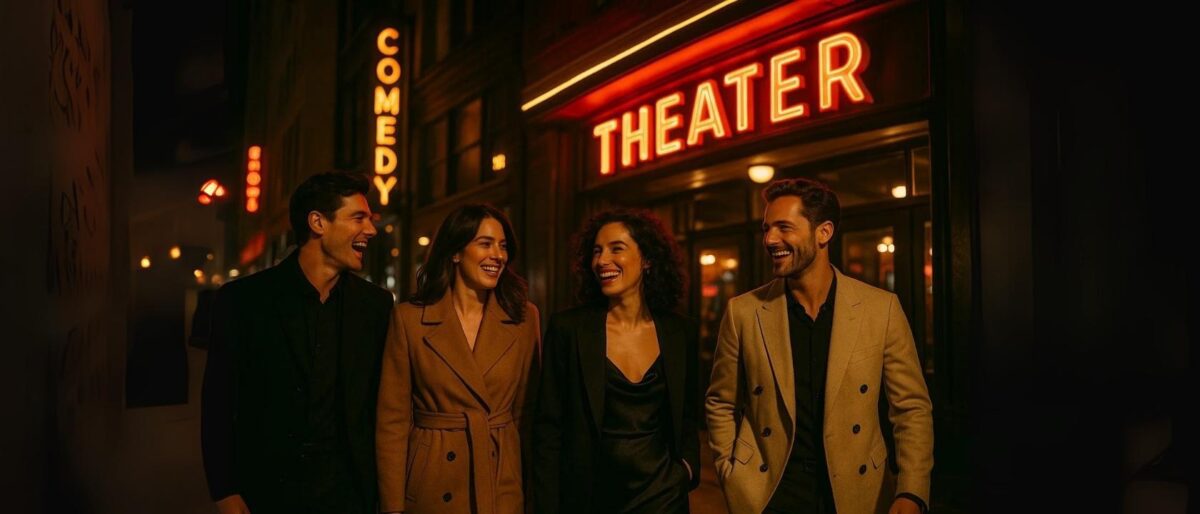
Short answer? Most of the time, yes. Comedy shows—whether in comedy clubs or theaters—tend to be low-risk environments. Venues usually have routine security, crowd control measures, and staff trained to deal with disruptions fast. You’re more likely to spill your drink from laughter than end up in a dangerous situation.
The setting makes a difference, though. Comedy clubs are often more intimate, with dim lighting, bar service, and close-up audience interaction. Think cozy tables, not plush rows. They can feel a little more chaotic, especially on weekends. Theaters, on the other hand, tend to be more structured. You’ll find ushers, clearer exits, and a more formal vibe.
As for the crowd? Expect a mixed bunch: couples on dates, friends out for fun, some solo fans soaking up stand-up. Most attendees skew 25–50 years old and come for the same reason—good jokes and a laid-back evening. It’s not a rowdy concert or a packed club.
There’s also comfort in numbers. Most people go with a group, which adds to the safety blanket. That said, going solo isn’t risky either—as long as you stay aware of your surroundings.
And those scary ideas about night events? Often blown out of proportion. Darkness doesn’t equal danger. It’s about the area, the venue, and your own preparation.
Bottom line: if you pick a reputable venue, plan your trip, and trust your instincts, there’s no reason not to feel safe at a comedy show after sundown.
Factors That Affect Nighttime Safety
Not all comedy shows feel the same after dark, and that’s no accident. Several things quietly shape how safe or sketchy your night might feel—from location to the night of the week. Knowing what to look for makes all the difference.
Venue location is a biggie. A club in a busy downtown district with foot traffic, lights, and rideshare availability feels safer than one tucked into a lonely industrial zone. Suburban spots can be hit or miss—some are well-lit with big parking lots, others feel deserted once the sun sets.
Size and crowd behavior matter too. A 50-seat comedy lounge where everyone’s sipping drinks and laughing? Feels different than a rowdy 400-person crowd packed wall to wall. Larger venues often have more staff and clear safety procedures, while smaller ones may feel more relaxed—or less supervised.
Lighting and parking often go unnoticed—until they don’t. Look for venues with lit entrances, visible signage, and monitored lots. Avoid walking long stretches through dim alleys or garages with no security.
Public transportation access is another overlooked detail. Is there a bus or train stop nearby? Can you wait safely? If not, plan your exit before the show even starts.
And don’t forget the day of the week. Fridays and Saturdays mean fuller crowds, longer lines, and livelier energy. That can make a space feel safer—or a bit overwhelming, depending on your comfort level. Midweek shows often offer a quieter (and sometimes calmer) experience.
Venue Safety Standards: What to Expect
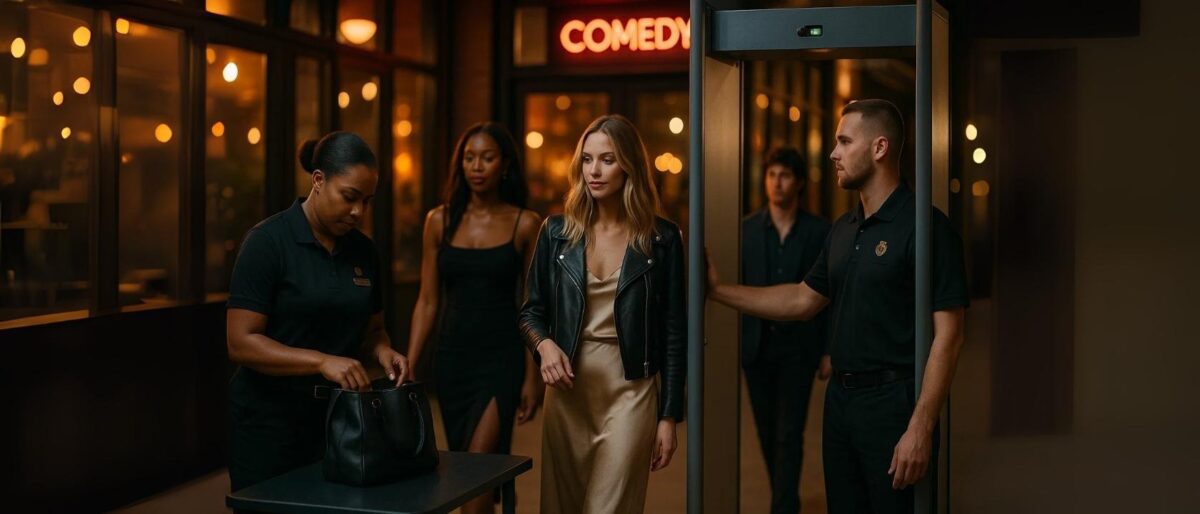
When you walk into a comedy venue at night, you want more than laughs—you want to feel safe. Luckily, most legit venues take that seriously. From the door to your seat, here’s what to expect behind the scenes.
Bag checks and metal detectors are becoming the norm, especially in larger venues. While it might feel like a small hassle, it’s meant to keep everyone secure. Some spots use metal wands, others rely on visual bag inspections. Either way, it’s a good sign the venue is paying attention.
Security staff should be visible, approachable, and present throughout the night. Look for staff near entrances, stage areas, and exits. If something feels off, these are the folks you’ll turn to first.
Age restrictions and alcohol policies are strictly enforced in most venues. Comedy clubs that serve alcohol often require guests to be 18+ or 21+, depending on state laws. Expect wristbands for drink purchases and ID checks at the door.
Emergency exits and safety protocols should be easy to spot. Good venues light up exit signs clearly and include announcements or signage about emergency procedures. If you don’t see an exit nearby, take a minute to find one before the lights go down.
Seating layout and crowd management also play a role. Assigned seating reduces confusion and crowding, while general admission venues often stagger entry times or direct traffic to avoid bottlenecks. If a place feels cramped or chaotic, that’s a red flag.
Bottom line? A safe comedy venue doesn’t feel like a fortress—it just works quietly in the background so you can focus on laughing, not looking over your shoulder.
Red Flags to Watch For in Comedy Clubs
Most comedy venues are safe, fun, and professionally run—but once in a while, you might stumble into a place that sets off your internal alarm. Trust that instinct. A few warning signs can separate a good night from a bad one.
Poor lighting or sketchy surroundings are a big one. If the street outside the club feels deserted, the entrance is dim, or you’re walking past shuttered businesses and graffiti-covered alleys, hit pause. A legit venue usually keeps its exterior well-lit and welcoming.
Lack of visible staff or bouncers is another red flag. If no one checks your ticket, there’s no one at the door, and you can’t spot anyone in a staff shirt inside? That’s not good. You should always be able to identify someone in charge—especially if something goes wrong.
Cash-only policies with no receipt can feel shady. While some smaller clubs still run this way, it’s worth being cautious if they don’t offer itemized receipts or post drink prices clearly. You don’t want to get hustled at the bar—or the box office.
Overcrowding or unregulated seating makes any space feel chaotic fast. If people are standing in aisles, chairs are crammed into unsafe corners, or exits are blocked, it’s not just annoying—it’s a hazard. Safety takes a backseat when a club oversells or underplans.
Aggressive behavior tolerated in the audience is your cue to leave. Whether it’s heckling, fights, or guests being too intoxicated, a venue that doesn’t step in puts everyone at risk. Comedy should push boundaries, sure—but the audience shouldn’t.
If two or more of these red flags pop up? It might be better to call it a night and head somewhere else.
Solo Comedy Show Goers: Is It Safe to Go Alone?
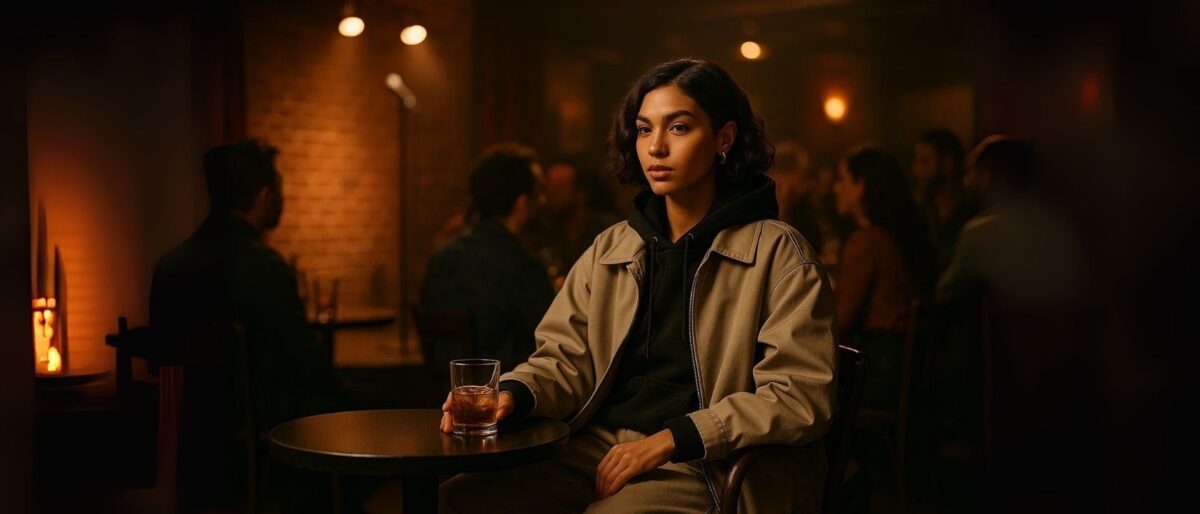
Going to a comedy show solo can feel a bit gutsy—but it’s not weird, and it’s not unsafe if you’re smart about it. People go to concerts, movies, and plays alone all the time. Comedy shows are no different. You’re there to laugh, not make small talk with strangers.
Is it awkward? Only if you make it that way. Most people are focused on their drinks, their dates, or the comic on stage. No one’s checking if you came with a crew or not. Once the lights dim, you blend right in.
Is it unsafe? Not usually. Still, you’ll want to play it smart. Here are a few quick tips:
- Sit near an aisle or exit so you can move easily if needed. It’s more comfortable, and in a packed club, it gives you options.
- Text a friend before and after the show to let someone know where you are. It’s a simple habit that adds a layer of safety.
- Skip the oversharing. If someone at the bar asks if you’re alone, you don’t have to give them your full life story. A vague “meeting someone later” works wonders.
And don’t forget the upside: going solo means full freedom. You pick the comic, the time, the seat, and the snacks. No coordinating schedules, no waiting for your friend who’s always late, no debates over whether to stay for the late set.
So if your favorite comedian is in town and no one’s free? Go anyway. You’ll laugh just as hard—maybe even harder.
Safety Tips Before You Go
A little prep goes a long way. Before heading out for a night of stand-up, take a few minutes to stack the odds in your favor. These steps aren’t complicated—but they’ll help you stay alert, aware, and way less stressed once you’re out.
Check venue reviews on Yelp, Google, or TripAdvisor. Look for patterns: Do people mention poor lighting, long wait times, or sketchy crowds? Or do they highlight friendly staff and smooth entry? A quick scan of the comments can tell you a lot.
Look up crime stats in the area. If you’re unfamiliar with the neighborhood, Google “[venue name] crime map” or check local news. You don’t need to panic—just get a sense of whether it’s a party block or a problem spot.
Choose earlier showtimes when you can. The 7:00 or 8:00 PM slots usually draw lighter crowds, more staff attention, and safer transportation windows afterward. Late-night shows are fun—but if safety’s a top concern, go early.
Skip the big bags and valuables. Most venues have size limits on purses or backpacks anyway, and leaving flashy items at home means one less thing to worry about. Keep it light, simple, and close to you.
Plan your ride in advance. Whether it’s a rideshare, a cab, or a friend picking you up, book it before you go in—or set a reminder to order one as the show ends. Wandering around outside looking for a signal isn’t a great way to end the night.
The goal here isn’t to stress you out. It’s to let you focus on the jokes, not the logistics.
Getting There and Back Safely
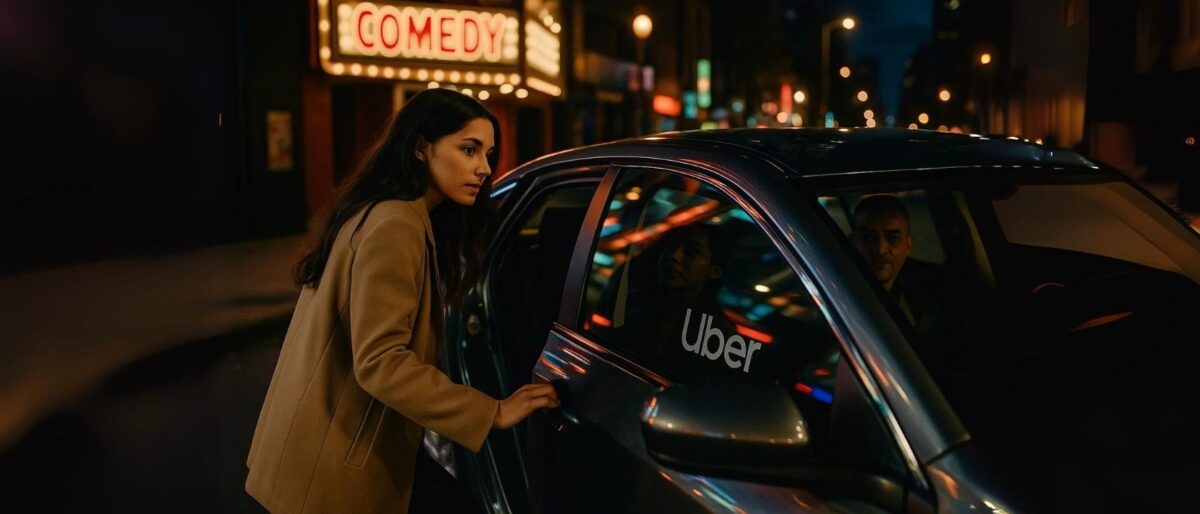
A great night out starts and ends with getting there safely. Whether you’re solo or with friends, how you arrive and leave can shape your whole experience. Here’s how to make those trips smooth, simple, and safe.
Rideshare apps like Uber and Lyft are the go-to for a reason. They’re fast, trackable, and drop you right at the door. Before hopping in, double-check the car’s license plate and driver name. Sit in the back seat and share your ride status with a friend if you’re alone.
Have a designated driver? Even better. Someone in your group staying sober for the night adds peace of mind—no guessing games about who’s okay to drive.
Public transit is budget-friendly, but check the schedule and route ahead of time. Don’t wait alone at dark, empty stops. Stick to well-lit platforms and stay alert, especially late at night. If your stop feels sketchy, hop off at a busier one and call a ride from there.
Parking smart is key if you’re driving yourself. Look for garages or lots with good lighting and visible security cameras. Bonus points if there’s a parking attendant on duty. Avoid parking on quiet side streets, behind buildings, or near unlit alleys—those are prime spots for car break-ins or awkward encounters.
Arriving and leaving might not be the highlight of the night—but when done right, you won’t even remember it. And that’s a win.
What to Do If You Feel Unsafe at a Comedy Show
Comedy shows are meant to be carefree—but if something feels off, don’t brush it off. Your safety comes first, even if it means leaving before the headliner hits the stage. Here’s what to do if the vibe turns weird, the crowd gets rowdy, or your instincts start buzzing.
Find a staff member quietly. Most venues have security or ushers near the exits or entrances. Walk over calmly and tell them what’s happening. You don’t need to make a scene—just say something like, “Hey, I’m not feeling comfortable near that group” or “Someone’s acting strange near me.” Their job is to help, not judge.
Use your phone’s emergency tools. Whether it’s pressing the power button five times for SOS or using a safety app, know what your phone can do in a hurry. You can also discreetly text a friend your location if you feel you need backup or someone to meet you outside.
Leave early if needed. Seriously, no punchline is worth staying put when your gut says go. Head for the exit, call a ride, and step away from any situation that doesn’t feel right—even if everything looks fine on the surface.
Trust your instincts. They’ve gotten you this far. If something feels off, it probably is. You don’t owe anyone an explanation. You don’t need to wait it out. You’re not being rude or overreacting—you’re being smart.
Comedy is best enjoyed when you feel relaxed and safe. So if that’s ever not the case? Make your move. Your night, your call.
Tips for Women Attending Comedy Shows at Night

Comedy clubs should be fun, not stressful. If you’re heading out solo or with friends, a few small choices can make a big difference in how confident and comfortable you feel through the night.
Dress for comfort and mobility. That doesn’t mean skipping style—it means picking shoes you can walk quickly in, a bag that zips shut, and layers in case the venue is freezing. Skip anything that limits movement or makes you feel distracted the whole show.
Choose group seating when possible. Whether you’re with friends or flying solo, sitting near couples, other women, or in a more visible area (like along an aisle) can reduce unwanted attention. Avoid isolated corners or spots near exits with no lighting.
Keep an eye on your drink. Always. Whether it’s water, soda, or a cocktail, don’t leave it unattended. If you need to step away, finish it or get a fresh one. Don’t accept drinks from strangers unless you saw it poured by the bartender.
Use safety apps like Noonlight or bSafe. They let you check in with friends, send an alert if you feel threatened, or automatically notify someone if you don’t make it home on time. Set one up before you go—it’s low effort and high peace of mind.
You shouldn’t have to think about this stuff—but it helps to have a plan. When you feel safe, you laugh harder. And that’s what the night’s really about.
Tips for Attending Outdoor or Festival Comedy Shows
Outdoor comedy shows and festivals bring a whole different energy—more space, more people, and more unpredictability. From changing weather to loose crowd control, the setup can throw a few curveballs. Here’s how to enjoy the laughs without losing your cool.
Open-air vs. indoor venues have different risks. Indoors, you deal with exits, crowding, and ventilation. Outdoors, it’s visibility, terrain, and open access. Open-air setups may feel more relaxed but also have fewer barriers between you and a rowdy group or unexpected situation.
Crowd control at festivals varies wildly. Some are smooth and professional, others feel like herding cats. Look for visible staff, clear signage, and marked pathways. Avoid areas where people are packed in with no direction—those are the spots where things get messy fast.
Weather and lighting are the wild cards. Bring a light jacket or poncho in case the weather turns. Once the sun goes down, poor lighting can make navigating paths tricky. A small keychain flashlight or your phone light helps more than you’d think.
Check entry and exit points as soon as you arrive. Pop-up venues don’t always follow standard layouts, and if something goes sideways, you don’t want to be guessing where to go. Mentally note at least two ways out—one up front, one in the back.
Outdoor shows can be a blast—less formal, more freedom, and a sky full of stars overhead. With a bit of planning, you can enjoy it all without sweating the small stuff.
How to Choose a Safe Comedy Venue
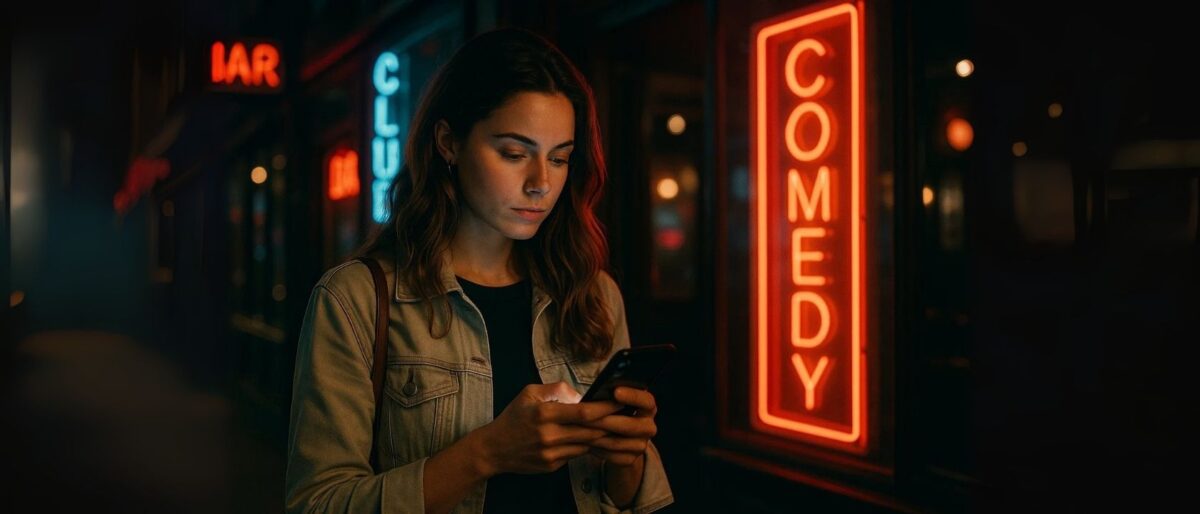
Not all comedy venues are created equal. Some are polished, professional, and built for a great night out. Others cut corners. If you’re picking a new place or planning a first visit, here’s how to vet it before buying a ticket.
Start with the venue’s reputation. A quick search on Google, Yelp, or even social media can give you a feel for how the place runs. Are people raving about the experience—or complaining about poor security, rude staff, or strange incidents?
Read the venue’s policies on its official website. Look for info on age limits, bag rules, alcohol service, and safety procedures. A venue that’s upfront about its rules is usually one that runs a tighter ship.
Buy tickets through trusted platforms like Ticketmaster, AXS, or directly from the venue’s box office. If a place is pushing cash-only or using sketchy third-party links, take that as a warning sign. Legit venues want your transaction to be traceable and secure.
Make sure the venue is licensed and inspected. This isn’t always front-and-center info, but you can often spot clues: posted occupancy signs, ADA accessibility, visible fire exit signage, or even local business licenses near the entrance.
Picking the right venue isn’t about being picky—it’s about being smart. When a space is well-run, everything flows better: from check-in to punchline.
When You Should Avoid a Show Entirely
Most nights out go off without a hitch. But every now and then, skipping a show is the smartest move you can make. Comedy will always be there. Your safety? That comes first. Here are a few times when it’s better to stay home.
Extreme weather is a clear no-go. Heavy rain, ice, high winds, or snowstorms make roads risky and walking miserable. Even if the venue stays open, think twice about whether the trip is worth the hassle—or the hazard.
Unsafe travel conditions are more than just weather. Closed roads, major traffic accidents, broken-down transit lines, or long rides through unfamiliar neighborhoods late at night? Those are all red flags. If getting there or getting back feels risky, it’s okay to bail.
Local unrest or public alerts in the area are another dealbreaker. Check local news or apps like Citizen or Nextdoor. Protests, police activity, or citywide alerts near the venue should raise your eyebrows. If something feels volatile, don’t gamble.
Last-minute venue changes without official communication are sketchy. If you get an email saying the show moved locations, make sure it comes from the ticketing platform or the venue itself. If the update is vague or not posted anywhere official, don’t show up hoping it’s legit.
There’s no shame in skipping a show when something feels off. Comedy is supposed to be fun, not forced. Prioritize your peace of mind—and laugh another night.
Closing Thoughts
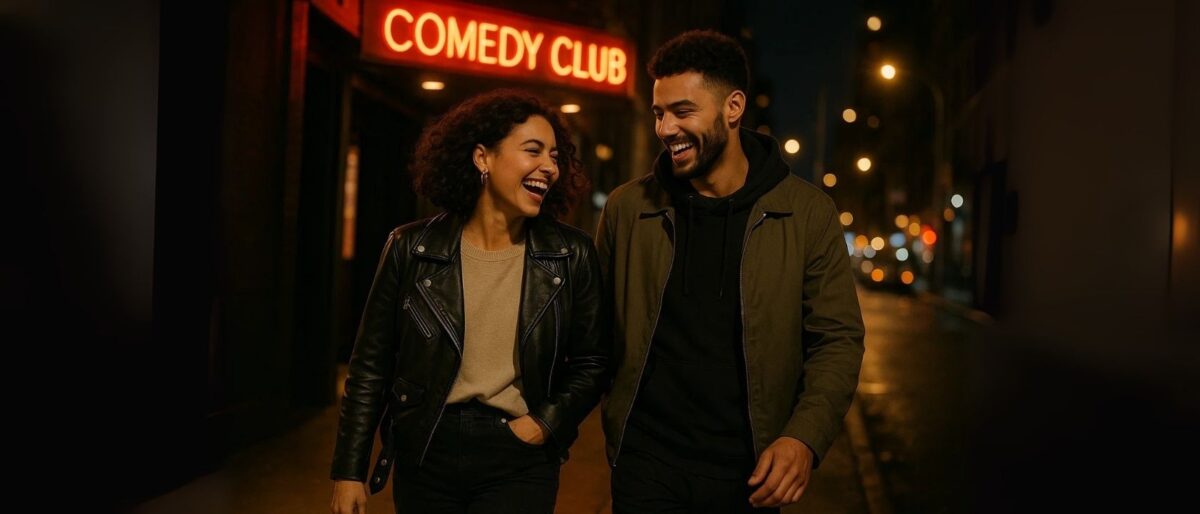
Most comedy shows go exactly how you’d hope—lots of laughs, maybe a few drinks, and a good story to tell the next day. They’re not high-risk events, and with a little preparation, they feel even safer.
Doing your homework—checking the venue, planning your route, packing light—pays off. You’ll walk in confident, relaxed, and ready to enjoy the night instead of second-guessing every step.
So go ahead, book the ticket. Whether it’s your favorite comic or a local open mic, you deserve a night out that feels fun and stress-free. Trust your gut, stay aware, and let the laughs roll.