
First-Time Event Guide: What to Expect from a Live Show
August 27, 2025
Do Concerts Really Start on Time? Timing Explained
August 27, 2025What to Do If You Feel Anxious at a Concert

Big crowd, bright lights, fast heart. Feeling jittery before the first chord? You’re far from alone. This guide shares quick, calm steps to steady nerves, protect comfort, and still soak up the show. Ready to feel safer, breathe easier, and enjoy the music on your terms? Use simple, proven moves.
Understanding Concert Anxiety

Concert anxiety is a wave of nervous energy that hits when lights flash, speakers boom, and the crowd presses close. It’s a mix of excitement and unease, sparked by the intensity of the setting. For some, the thrill feels overwhelming instead of fun, creating stress where joy should live.
Typical triggers include:
- Crowds and lack of personal space – feeling boxed in or unable to move freely can spark tension fast.
- Loud sounds and flashing lights – the sensory overload can rattle focus and comfort.
- Anticipation before the event – waiting in line or worrying about what’s coming can heighten nerves.
- Worry about safety or getting lost – big venues and unfamiliar spaces often fuel extra concern.
But here’s the good news: feeling anxious doesn’t mean concerts are off-limits. With the right mindset and a few smart strategies, you can manage the nerves and still let the music move you. Anxiety is part of the experience for many, and it doesn’t erase the joy of live sound.
Preparing Before the Concert
A little preparation goes a long way in keeping concert jitters under control. When you’ve planned the basics, your mind feels lighter and your body stays steadier. Think of it as packing peace of mind along with your ticket.
Practical preparation tips:
- Plan your transportation – know how you’ll arrive and how you’ll get home so you’re not scrambling in the moment.
- Eat and hydrate – a balanced meal and enough water help keep your energy level steady.
- Dress comfortably – breathable fabrics and shoes that support you matter more than trendy discomfort.
- Pack essentials – tuck in earplugs, a refillable water bottle, a phone charger, and a light jacket for sudden chills.
Mental preparation counts too:
- Practice breathing exercises – slow inhales and longer exhales calm your nervous system before you even step inside.
- Visualize positive experiences – imagine yourself singing along, smiling, and soaking up the energy instead of fearing it.
- Talk to friends – share your concerns so they can support you if anxiety shows up during the night.
When both body and mind are primed, the stage feels less intimidating and more inviting. Preparation turns the unknown into something you’re ready to enjoy.
Choosing the Right Environment
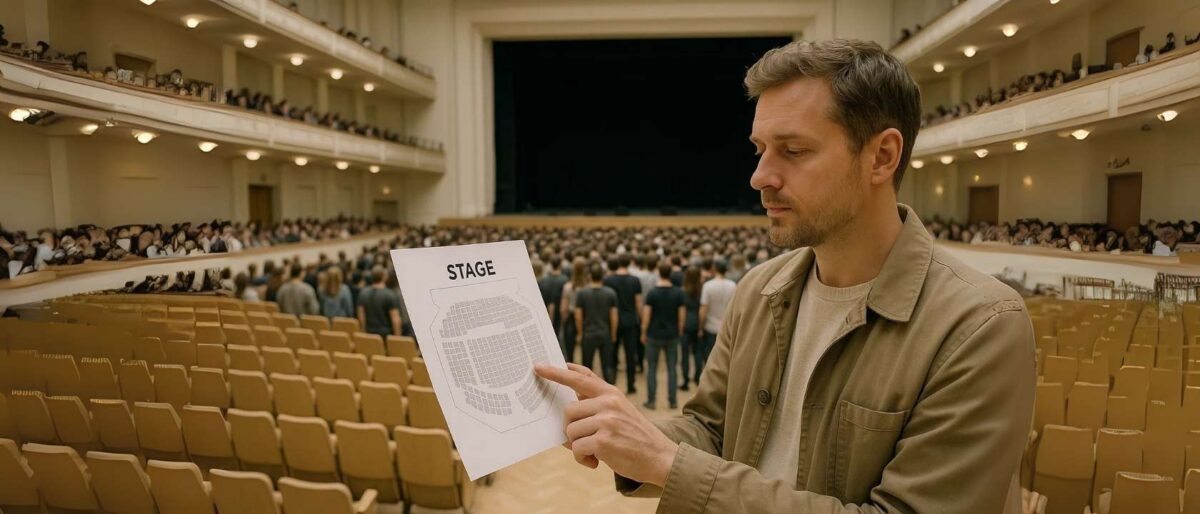
Where you stand or sit can make or break your comfort. Picking the right spot isn’t about being picky, it’s about protecting your peace of mind. The setting shapes how you experience the music, so choose with intention.
- Seat vs. standing area – if you crave stability, a seat provides structure. If you like to move, the standing area might feel freer. Pick what makes you feel safest.
- Aisle or edge spots – sitting on the end of a row or standing near an exit gives you a quick escape if things get too intense.
- Smaller venues or balcony seating – big crowds can overwhelm. Smaller shows or an elevated balcony often feel calmer and less chaotic.
- Research the venue layout – look up maps online or call ahead so you know where restrooms, exits, and quieter areas are located. Familiarity reduces stress before you even arrive.
Once you’ve found the right environment, the space works for you instead of against you. Feeling secure in your spot makes it easier to focus on the music, not the nerves.
Strategies During the Concert
Once the show starts, nerves can sneak up fast. That’s when having simple tools ready makes all the difference. The goal isn’t to fight the anxiety, but to steady yourself enough to stay in the moment and enjoy the music.
Grounding techniques:
- 5-4-3-2-1 method – quietly name five things you see, four you hear, three you feel, two you smell, and one you taste. It pulls your mind back to the present.
- Slow breathing – inhale through your nose, then exhale longer through your mouth. This lowers your heart rate and brings a sense of calm.
Manage sensory overload:
- Use earplugs – they cut the volume without muting the music, making the environment less overwhelming.
- Look at calmer areas – shift your gaze to less flashy spots instead of staring into bright lights or strobes.
Other helpful moves:
- Take breaks – step outside or into the restroom when you need to reset. Short pauses can refresh your focus.
- Text a friend – sometimes a quick message for reassurance is all it takes to feel grounded again.
Using these strategies during the concert helps you stay steady, so the music feels like a gift instead of a trigger.
When Anxiety Escalates
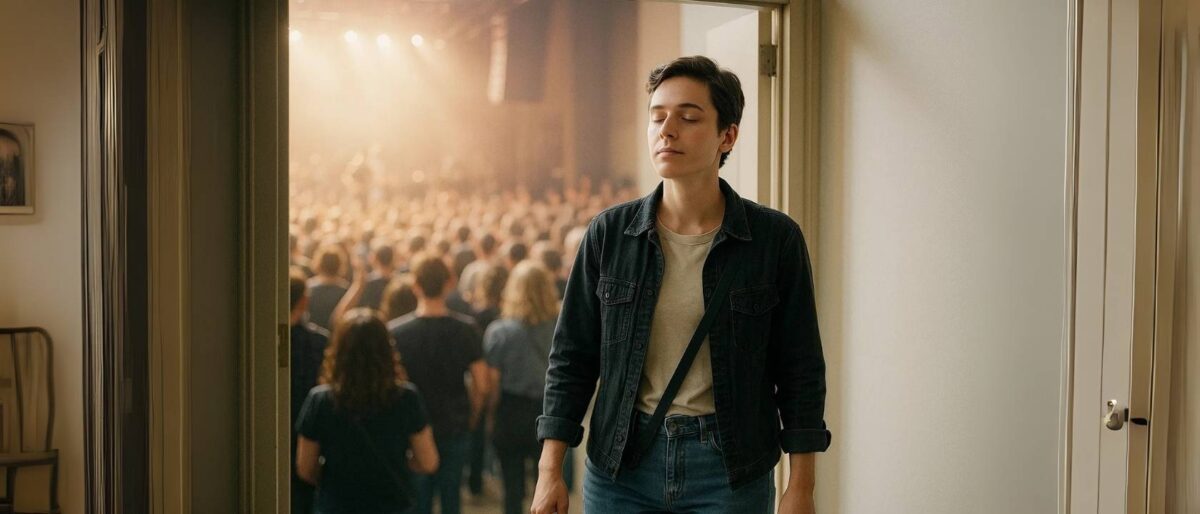
Sometimes, despite all your preparation, anxiety rises higher than you expected. Recognizing the early signs helps you act before it spirals. Watch for symptoms like sudden sweating, a pounding heartbeat, or dizziness that makes the room feel unsteady. These are signals, not weaknesses, and they deserve your attention.
- Don’t force yourself to stay – if the pressure feels unbearable, pushing through won’t help. It can make things worse.
- Exit calmly – step away from the crowd and head toward a quieter corner, the lobby, or even outside for fresh air.
- Reset your balance – focus on your breathing, sip some water, or sit down until your body steadies.
- Reframe leaving early – remind yourself that stepping out isn’t failure. It’s an act of self-care, proof you’re listening to your needs.
The music will play again another night. Protecting your well-being always comes first, and giving yourself permission to pause is a strength, not a setback.
Long-Term Coping Tips
Managing concert anxiety isn’t just about one night, it’s about building confidence over time. With steady steps, live music can shift from stressful to enjoyable. Think of it as training your comfort level the same way you’d train a muscle—slowly, consistently, and with patience.
- Go with supportive friends – being surrounded by people who understand you brings reassurance. They’ll notice if you need space, a break, or a quick exit.
- Start with smaller shows – cozy venues feel less intense than giant arenas. Once you’re comfortable in those settings, gradually work your way up.
- Build confidence with positive experiences – each successful night out creates a memory you can lean on when nerves appear again. Celebrate small wins.
- Consider professional support – if anxiety shows up often and feels overwhelming, a therapist can equip you with effective tools to manage it long-term.
Over time, the unfamiliar becomes familiar. With support, practice, and self-compassion, concerts can turn into uplifting experiences rather than obstacles.
Why It’s Worth It to Push Through

Concerts are more than loud speakers and flashing lights. They’re moments of connection, where music becomes therapy and strangers turn into a community singing the same song. That kind of joy can be healing, lifting your mood and reminding you that you’re part of something bigger than yourself.
- Music as therapy – live shows bring comfort, release stress, and spark a sense of belonging you can’t always find elsewhere.
- The reward of facing fears – pushing through anxiety, even in small ways, builds resilience. Each time you stay a little longer, you prove to yourself that you’re stronger than the fear.
- Encouragement for the future – every step forward makes the next concert less intimidating. What once felt impossible begins to feel achievable, and eventually, enjoyable.
When you look back, you’ll see more than anxiety—you’ll see courage, progress, and the soundtrack of nights that mattered. That’s the real gift of pushing through.
Conclusion
Anxiety at concerts is more common than most admit, but it doesn’t have to steal the show. With preparation and self-awareness, you can turn nervous energy into something manageable. Each choice—where you sit, what you pack, how you breathe—adds up to a smoother, more enjoyable experience.
Remember, live music is meant to uplift you, not overwhelm you. Go at your own pace, take breaks when you need them, and know that it’s perfectly fine to step back. What matters most is that you allow yourself to enjoy the music in a way that feels right for you.