
9 Best Events for First-Time Attendees in 2025
August 19, 2025
How Early Should You Arrive at a Concert?
August 19, 2025Are Concerts Safe for Women Going Alone?

The beat beckons, the crowd swells, and you wonder about going solo. Are concerts safe for women attending alone? This brief lays out risks, smart prep, gear, venue tips, and post-show moves. Read with confidence, act with purpose, and enjoy music on your terms, from first chord to final encore.
Understanding Safety Concerns
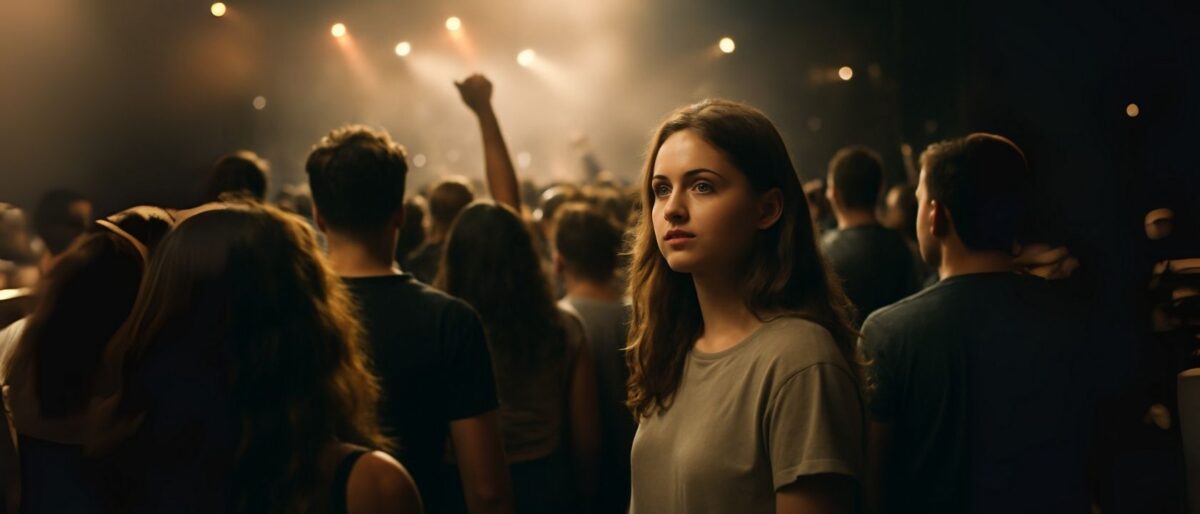
Concerts create unforgettable memories, but they also bring situations that women going alone should think about. Crowds can be thrilling yet tricky. In tightly packed areas, especially near mosh pits, it’s easy to get jostled, pushed, or squeezed into uncomfortable spots. Knowing your limits and choosing your place in the crowd wisely helps prevent accidents.
Another concern is unwanted attention. While most people are there for the music, some might cross personal boundaries with comments, stares, or invasive behavior. Being aware of your surroundings and ready to move if someone bothers you can make all the difference. Trusting your instincts is key here.
Theft is another issue. Phones, wallets, or small bags can be easy targets in crowded spaces. Keeping belongings close to your body and using secure zippers lowers the risk. Simple actions like carrying less cash or leaving flashy items at home add peace of mind.
Venues can also feel confusing. Dim lighting, loud noise, and unfamiliar layouts make it harder to find exits or safe areas. Taking a few minutes before the show to note entrances, exits, and security staff is a smart move.
Finally, transportation after the show often presents challenges. Streets may be busy yet poorly lit, and finding a safe ride can be stressful. Pre-booking transport or choosing well-lit meeting points reduces worry and keeps your focus on the fun of the night.
Myths vs. Reality
One of the biggest myths is that concerts are unsafe for women to attend alone. This idea lingers in conversations, often fueled by fear rather than facts. The image of danger overshadows the truth: plenty of women attend concerts solo every year without issue.
The reality is far less dramatic. With preparation and awareness, a concert can be as safe as heading to a movie, grabbing dinner at a bar, or even traveling to a new city. The risks aren’t zero, but they’re not extraordinary either. Common sense strategies—like securing your bag, watching your drink, and planning your ride—work across all these situations.
Think of it this way: people rarely question someone going alone to a film screening or dining out, yet concerts get an unfair reputation. The difference often comes down to crowd size and energy, not inherent danger. In practice, being alert at a live show is no different from being mindful while walking home after dark or exploring a new neighborhood.
So, the myth paints an intimidating picture, but the reality shows empowerment. A solo concert can feel like freedom—your music, your pace, your night—without being defined by fear.
Preparing Before the Concert
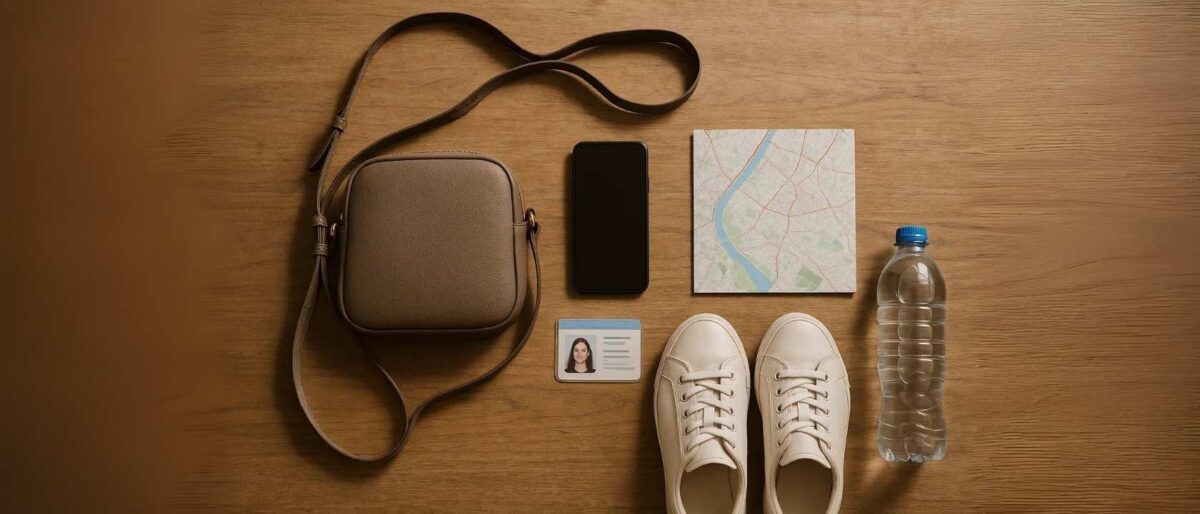
Preparation sets the stage for a smooth and safe concert experience, especially when attending alone. Start by researching the venue’s location. Look up parking areas, nearby public transport stops, and drop-off zones. Knowing your route ahead of time saves stress later and makes leaving the event much easier.
Next, check the official event policies. Many venues restrict bag sizes, ban outside food and drinks, or prohibit certain items like umbrellas and professional cameras. A quick glance at these rules helps you avoid delays at security checkpoints and ensures you enter without hassle.
It’s also smart to share your plans with someone you trust. Tell a friend or family member where you’ll be, what time the show starts, and how you plan to get home. A quick text before and after the concert can provide reassurance for both sides.
Downloading a venue map or the event’s mobile app can be surprisingly helpful. These tools often include seating charts, restroom locations, and emergency exit details, giving you a sense of control in an unfamiliar environment.
Finally, dress with both comfort and context in mind. Choose shoes you can stand in for hours and clothes that fit the crowd and season. Blending practicality with personal style helps you enjoy the show without distraction.
Safety During the Concert
Once you’re inside, a few habits can make your solo experience safer and less stressful. Arrive early so you’re not walking through dark parking lots or empty corridors. Early entry also gives you time to choose a comfortable spot before the crowd fills in.
Stick to well-lit and busy areas whenever possible. The energy in these spaces is often more positive, and help is easier to find if something goes wrong. Avoid isolated corners or areas that feel off. Visibility is your ally in staying secure.
Keep a close eye on your drink. Never leave it unattended, even for a quick trip to the restroom. If you decide to drink alcohol, use moderation. A clear head helps you react quickly, stay alert, and enjoy the music without unnecessary risk.
Most importantly, trust your instincts. If someone makes you uncomfortable—whether through words, actions, or simply their presence—move away. Don’t second-guess that inner voice. Shifting spots can make the environment feel safer immediately.
Finally, make a mental note of where security staff are located and identify potential safe spots, like first-aid stations or help desks. Knowing who to approach and where to go offers peace of mind and keeps your focus on the performance.
Managing Personal Belongings

Keeping your items secure makes the difference between a carefree night and a stressful one. Choose a crossbody bag or a fanny pack that sits close to your body. These styles are harder to snatch, easy to keep in sight, and comfortable to carry through long hours of standing or dancing.
Pack light. You don’t need much beyond essentials like your ID, phone, a single card, and a small amount of cash. Leaving unnecessary valuables at home lowers your risk and keeps your bag from becoming bulky. The less you carry, the less you need to worry about.
Take advantage of phone safety features before heading out. Enable location sharing with a trusted contact, and make sure emergency numbers are saved and easy to access. Some smartphones have built-in emergency shortcuts that let you send quick alerts or share your location with one tap—set those up in advance. These simple steps give you a safety net without weighing you down.
Transportation and Post-Show Safety
The end of a concert often brings a rush of energy, noise, and crowds spilling into the streets. Having your ride home planned beforehand helps cut through the chaos. Whether you’re driving, taking public transit, or using a rideshare, knowing your exit strategy reduces stress when the music fades.
If you’re using a rideshare app, lean on its safety features. Share your ride details with a trusted contact, double-check the driver’s name and license plate, and don’t get in until everything matches. These small checks create a big difference in peace of mind.
Avoid walking alone through dimly lit or empty areas after the show. Even if it means taking a slightly longer route, stick to streets with steady foot traffic and better lighting. Visibility and people nearby help lower risk.
Whenever possible, leave with the crowd. Grouping up with other concertgoers—whether friends you’ve met inside or people heading in the same direction—adds another layer of safety. There’s comfort and security in numbers, and it keeps the post-show buzz alive a little longer.
Confidence and Empowerment

Going to a concert alone can feel bold, but it’s also incredibly freeing. You get to set your own schedule, pick your own spot, and move with the music without worrying about anyone else’s preferences. That independence creates space to fully enjoy the show on your terms.
There’s also the chance to meet new people. Striking up conversations in line or sharing the excitement with those around you often leads to genuine connections. Some friendships have started with nothing more than a shared favorite song shouted into the night air.
The bigger picture? Fear shouldn’t keep women from experiences that spark joy. Many women have gone solo to concerts and left with unforgettable memories. Some talk about the rush of singing every lyric in unison with strangers, others describe the pride in knowing they navigated the evening independently. These stories remind us that confidence grows when we step into spaces we once thought intimidating.
At the end of the day, going alone isn’t about being reckless—it’s about being empowered. Music is meant to be felt deeply, and you deserve that moment of freedom without limits.
Practical Tips in Quick List Form
- Arrive early. Give yourself time to get settled, avoid walking through empty areas, and pick the best spot before the venue fills up.
- Stay alert. Keep an eye on your surroundings and be aware of people around you without letting it distract from the show.
- Limit valuables. Carry only essentials like your phone, ID, and one payment method. Less to bring means less to worry about.
- Know the exits. Take a moment to spot exits and security points so you’re prepared if you need to leave quickly.
- Trust your gut. If something feels wrong, move, ask for help, or change plans. Your instincts are often the best guide.
Conclusion
With the right preparation and awareness, concerts are safe for women attending alone. By planning ahead, staying alert, and trusting yourself, you can focus on the music instead of the worry. Confidence grows each time you embrace the freedom of going solo.
Live music is meant to be enjoyed, whether with friends or on your own. The energy, the atmosphere, and the connection to the performance are yours to experience fully. Don’t let fear silence your song—step into the crowd, own the moment, and let the music carry you.