What to Do If You Feel Anxious at a Concert
August 27, 2025
How Long Are Broadway Intermissions? Timing & Tips for Theatergoers
August 27, 2025Do Concerts Really Start on Time? Timing Explained
Ever wondered if concerts really kick off right when the ticket says? Spoiler: not always. Between doors opening, openers warming up, and headliners taking their time, schedules shift. This guide breaks down how timing works, why delays happen, and how you can plan smarter for show night.
Understanding Concert Start Times
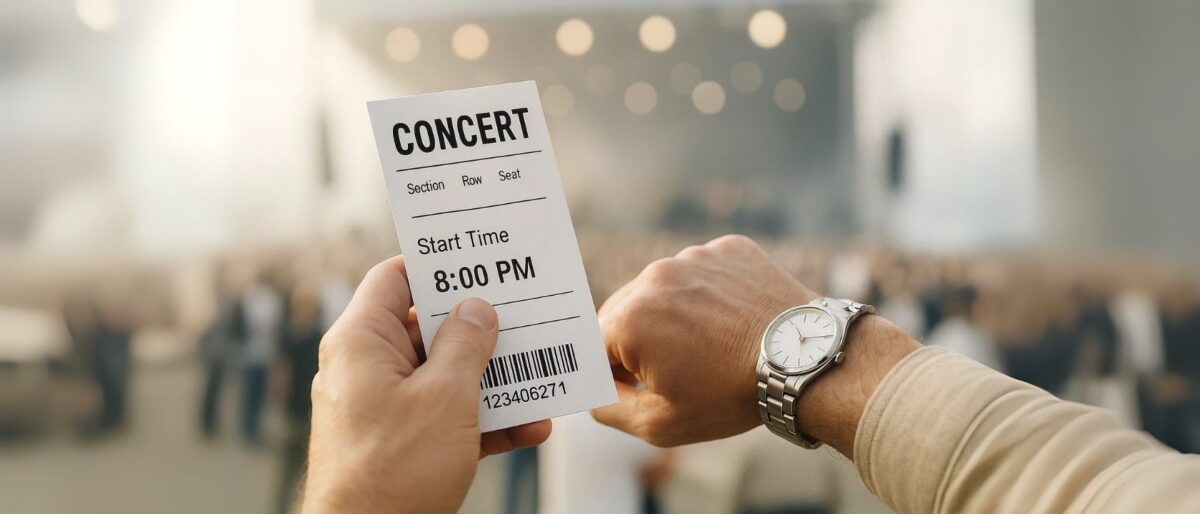
The “start time” printed on your ticket doesn’t always mean the band walks on stage right then. In most cases, it signals when the venue doors open or when the first opener is scheduled to play, not the headliner. That gap often surprises first-time concertgoers.
The printed time is more like a framework than a promise. While it tells you when the event begins, the headliner’s actual stage time can be anywhere from 30 to 90 minutes later. This gives the audience time to arrive, find seats, and catch the supporting acts.
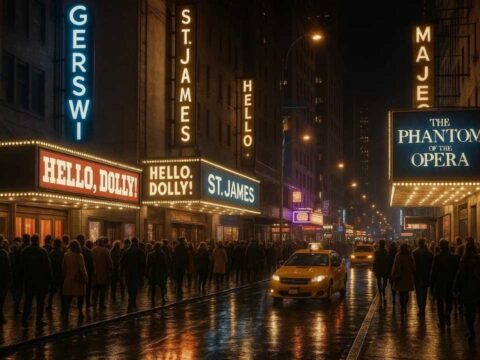
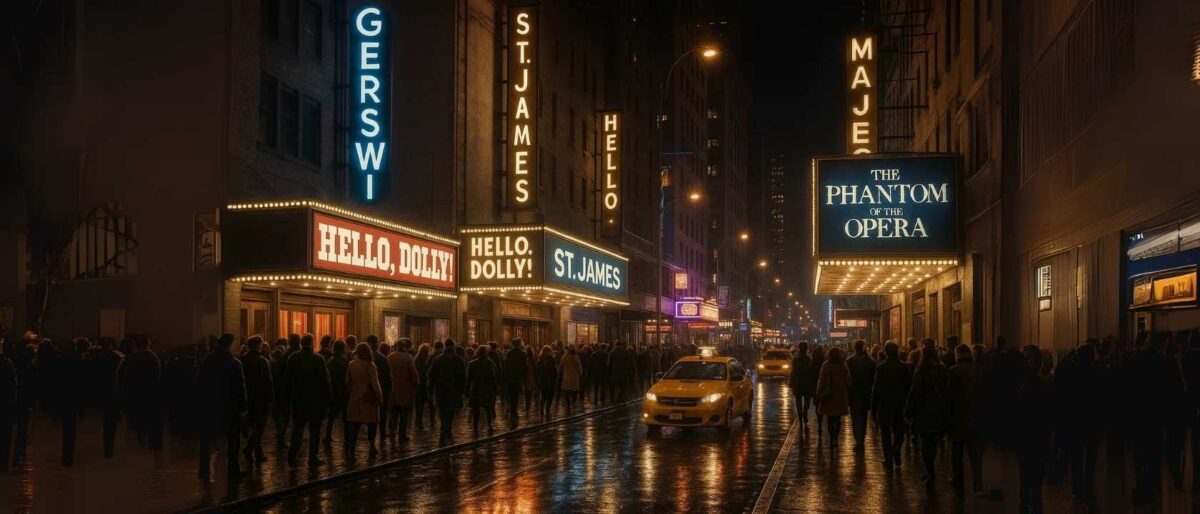
Cultural expectations also play a role. Classical concerts, operas, or Broadway shows usually start right on schedule, and late arrivals may even have to wait outside until a break. On the other hand, pop, rock, and hip-hop shows are much more flexible—sometimes notoriously late. Knowing the difference helps set the right expectations for your night out.
Doors, Openers, and Headliners
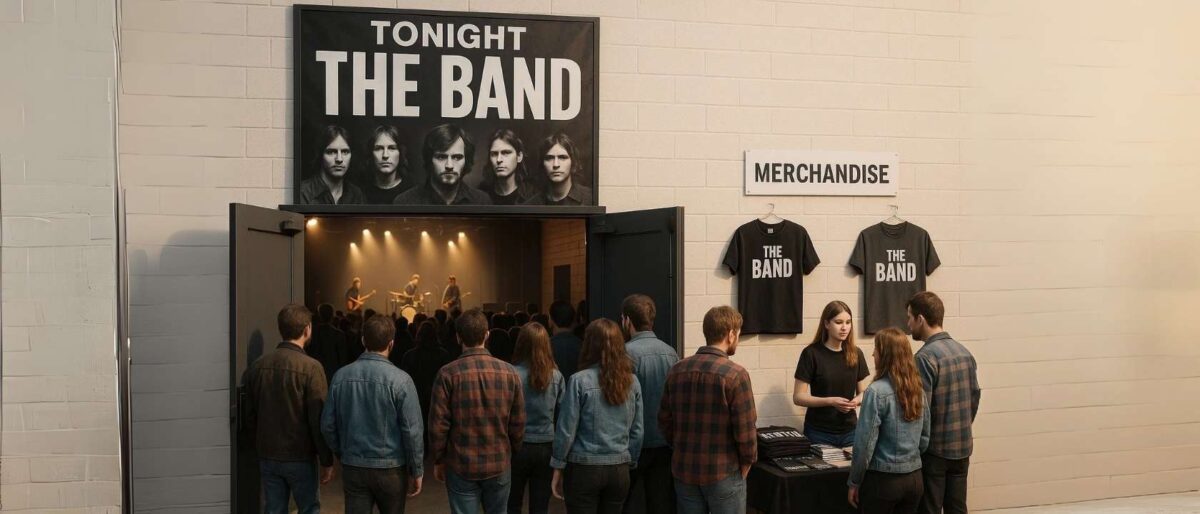
Every ticket lists a time, but the live music timeline has layers. First comes doors open, the moment the venue begins letting fans inside. This gives you time to find your seat, grab a drink, or claim a good spot if it’s a general admission show.
Next are the opening acts. Most concerts feature one to three supporting performers who play shorter sets to warm up the crowd. Sometimes these artists are local, other times they’re rising stars touring with the headliner. Skipping them means missing part of the night’s energy.
The headliner start time rarely matches the printed ticket. Expect the main artist to come on stage anywhere from 30 to 90 minutes later, depending on how many openers there are and how smoothly transitions go. That’s the moment most fans are waiting for, but it takes patience to get there.
Festivals are different. With multiple stages and dozens of acts, set times are usually strict and overlapping. Artists stick closer to the schedule, but you may have to choose between performances if times clash.
Factors That Influence Timing
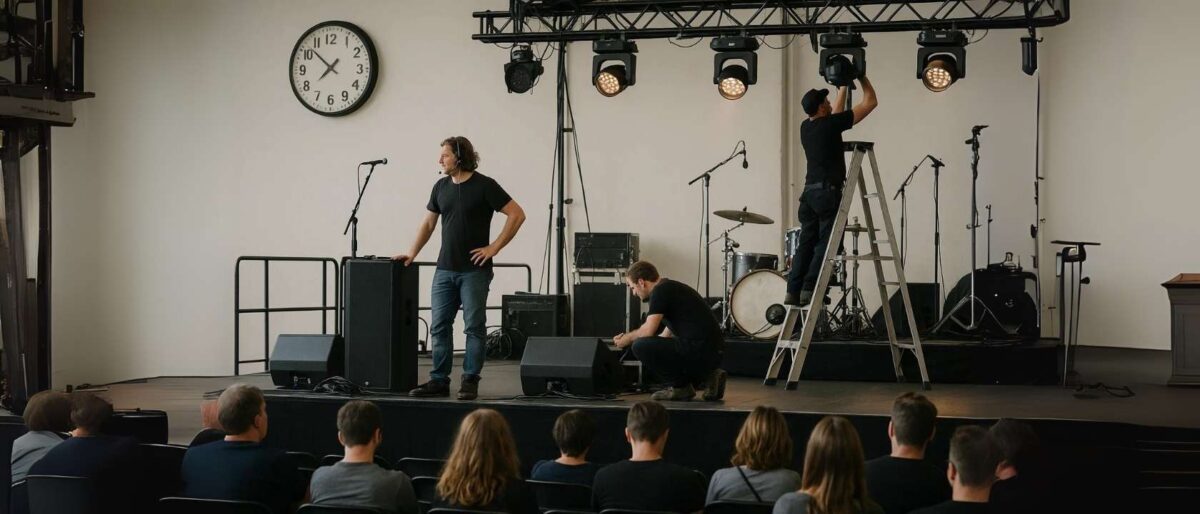
Concert schedules look neat on paper, but real life often bends them. Several factors decide whether the show runs on time, late, or even a little early. Knowing these helps you understand why the lights stay low while the crowd waits.
- Venue rules and local regulations – some cities have strict curfews or union labor rules that limit how late concerts can run, forcing organizers to adjust start and end times.
- Artist preferences – certain performers are known for starting late on purpose, creating anticipation or aligning with their personal style of showmanship.
- Technical delays – last-minute sound checks, equipment problems, or stage setup issues can easily push things back by 10–30 minutes.
- Audience arrival patterns – if a large portion of the crowd is still outside, some shows hold off to avoid playing to half-empty seats.
- Size of the tour – small club gigs tend to run closer to time, while massive arena tours with elaborate staging often run later due to scale.
Every show is a balancing act between logistics, performer choices, and audience flow. That’s why timing is more fluid than fixed.
Genre Differences in Timing
Not all concerts follow the same clock. Timing often depends on the style of music and the traditions tied to each type of show. Knowing the patterns helps set realistic expectations before you buy a ticket.
- Rock and pop concerts – these usually feature one or more opening acts, so the headliner often arrives much later than the printed time. A late start is almost part of the culture here.
- Hip-hop and rap shows – many fans know to expect even longer delays. Artists in this genre are often notorious for stepping on stage well after schedule, sometimes more than an hour late.
- Classical, opera, Broadway, and orchestra – punctuality is standard. These performances start close to the printed time, and latecomers may not be allowed in until a pause or intermission.
- Music festivals – with dozens of artists and multiple stages, timing is strict. Set lengths are fixed, and acts often start and end exactly when scheduled to keep the day moving smoothly.
Each genre carries its own rhythm—some flexible, some precise. Once you know the differences, you’ll be better prepared for what kind of wait, if any, to expect.
How to Plan Your Arrival

Timing your arrival is almost an art. Show up exactly at the printed ticket time, and you might end up waiting through long lines and openers before the headliner steps on stage. Arrive too late, and you risk missing opening acts—or worse, the dramatic intro to the main event.
The trick is balance. You don’t want to stand around for hours, but you also don’t want to run into the venue frazzled and miss the first songs. The sweet spot is knowing what’s typical for the venue and the artist you’re seeing.
Smart arrival tips:
- Check social media – venues and artists often post updated set times on Instagram, Twitter, or Facebook the day of the show.
- Look up past setlists – websites that track shows can give you a sense of when the headliner usually starts their set.
- Ask venue staff – ushers, security, and box office staff know the usual rhythm for that particular stage.
With a little homework, you’ll know when to walk in relaxed, grab a drink, and still catch every moment you came for.
Realistic Expectations for Concertgoers
Concerts rarely run like clockwork, and that’s worth remembering before you walk through the doors. The printed ticket time is more of a guidepost than a guarantee. Most shows will begin later, though exactly how much depends on the artist, venue, and style of performance.
- Plan for variance – give yourself a 30–60 minute window past the ticketed time before the headliner appears.
- Big-name artists – the larger the name, the later the start. Arena tours with elaborate staging almost always run behind schedule.
- Seated performances – classical concerts, operas, orchestras, and theatre shows are the exceptions. These begin promptly, and being late may mean waiting outside until intermission.
Setting the right expectations saves stress. Instead of checking your watch and worrying, you’ll understand that a flexible schedule is simply part of the live music experience.
Benefits of Early Arrival

There’s real value in showing up before the stage lights flip on. Walking in early puts you in control of the night rather than scrambling to catch up. Instead of rushing through crowds, you get time to breathe, look around, and ease into the experience.
- Better spots – for general admission shows, arriving early almost always means closer views and a more comfortable place in the crowd.
- Time to settle in – you can check out the merch table, grab a snack or drink, and get familiar with the venue layout without feeling pressed.
- Opening acts – many headliners once opened for bigger names. Showing up early gives you the chance to catch new talent before they break out.
- Less stress – no sprinting through packed lobbies or missing your favorite song’s intro. Early birds get calm, not chaos.
By arriving ahead of schedule, you trade impatience for ease. The show feels less like a scramble and more like a full evening of music.
Conclusion
Concerts almost never begin the moment your ticket says, but patterns do exist. Rock, pop, and hip-hop shows tend to run late, while classical and theatre performances are usually prompt. Knowing these rhythms keeps your expectations realistic and your evening more enjoyable.
Preparation and flexibility are your best tools. Check updates, give yourself a buffer, and arrive early enough to settle in without stress. That way, any delay feels like part of the night rather than a frustration.
Remember, a concert is more than a countdown to the first note. It’s the anticipation, the openers, the atmosphere, and the headliner all woven together. Embrace the whole experience, and the timing quirks will fade into the background of an unforgettable night.
Frequently Asked Questions
Do concerts really start at the exact time printed on the ticket?
Usually, no. The time on the ticket often marks when doors open or when the first opener starts, not when the headliner walks on stage. Most headliners go on 30–90 minutes after the listed time, depending on the lineup and venue.
How early should I arrive so I don’t miss the start of the show?
For most concerts, plan to arrive 30–60 minutes before the listed start time. That gives you time to get through security, use the restroom, grab a drink, and find your seat before the music begins.
Do festivals start on time?
Festivals tend to run on a stricter schedule because there are many artists across multiple stages. Sets usually start close to the posted time, but you might have to choose between overlapping acts.
Are arena and stadium concerts more punctual than club shows?
Large arenas and stadiums generally follow the schedule more closely, especially for the headliner, because of curfews and production rules. Smaller clubs are more flexible and may start later than advertised.
Can a concert start earlier than the listed time?
It’s rare, but pre-show DJs, openers, or special guests may begin a little earlier than expected. The main set almost never starts before the time on your ticket, so you’re unlikely to miss the headliner by arriving 30–45 minutes early.
How long after doors open does the opener usually start?
In many venues, the opener starts 30–60 minutes after doors open. The exact timing depends on how fast the crowd gets inside and how many support acts are on the bill.
How long is the gap between openers and the headliner?
There’s often a 20–30 minute break between sets for changeovers and sound checks. For big productions with elaborate staging, it can stretch closer to 40 minutes.
Do weekday concerts start earlier than weekend shows?
Often they do. Weeknight shows are more likely to start and end closer to the posted times because of work schedules, noise ordinances, and venue curfews.
What happens if the concert starts late?
If a concert starts late, the set may run closer to curfew or be slightly shortened to meet local noise rules. Venues rarely offer refunds solely because the show started behind schedule.
What if I arrive late to a concert?
You can usually enter, but you might miss some or all of the opener and part of the headliner’s first songs. For seated shows, ushers may ask you to wait for a break between songs before moving to your seat.