What Does a Broadway Director Really Do?
August 14, 2025
Indoor vs Outdoor Concerts: Which One Is Better for You?
August 14, 2025How Event Ticket Prices Have Changed from 2015 to 2025
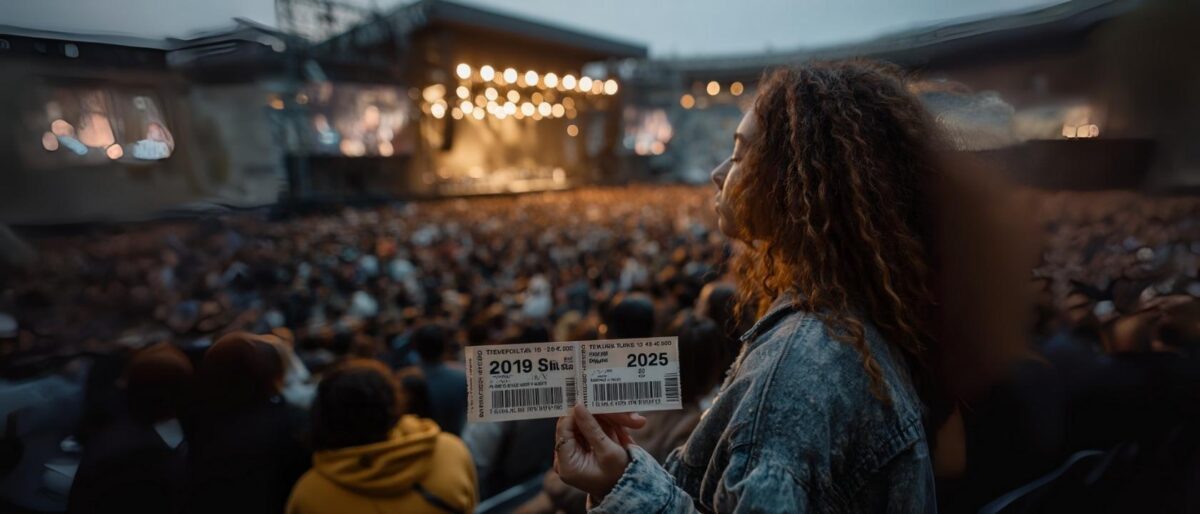
Ticket prices in 2025 look nothing like they did a decade ago. From concerts to Broadway to major sports, the cost of entry has climbed steadily. This guide breaks down how prices have changed since 2015, why they’ve shifted, and what today’s fans can do to get better deals.
Ticket Price Trends: 2015 vs. 2025

Over the last decade, ticket prices have risen noticeably across concerts, Broadway, and major sports events. In 2015, attending a top-tier show or game was still relatively affordable for many fans. By 2025, the gap between then and now is hard to ignore, with both primary and secondary market prices climbing faster than general inflation.
Here’s a side-by-side look at average prices for popular event categories:
| Event Type | Average Price (2015) | Average Price (2025) |
|---|---|---|
| Concerts (Major Artists) | $85 | $150 |
| Broadway Shows | $103 | $180 |
| Sports (NFL Regular Season) | $85 | $135 |
| Sports (NBA Regular Season) | $55 | $95 |
| Sports (MLB Regular Season) | $30 | $55 |
These numbers reflect average primary market prices — tickets sold directly by venues, teams, or authorized sellers. In the secondary market, where tickets are resold by fans or brokers, prices are often much higher, especially for in-demand events. For example, a sold-out arena concert with a $150 face value ticket might average $300–$400 on resale platforms, and premium Broadway seats can exceed $500 during peak demand.
This upward shift in both markets shows how demand, technology, and pricing strategies have reshaped the live event experience between 2015 and 2025.
Factors Driving Price Increases
The jump in ticket prices from 2015 to 2025 isn’t random — it’s the result of multiple economic, technological, and market shifts that have reshaped how live events are priced.
Inflation & Rising Production Costs – The cost of putting on a show or game has climbed steadily. Venue rentals, stage crew wages, security, equipment, and transportation all cost more than they did a decade ago. Those expenses get passed along to ticket buyers.
Dynamic Pricing Models – Once rare in live entertainment, dynamic pricing now dominates. Algorithms adjust prices in real time based on demand, similar to airline ticketing. High-demand events see prices jump within minutes of going on sale, even before they sell out.
Artist & Athlete Earnings – Performance fees for top-tier artists and athletes have grown significantly. Big-name acts command higher guarantees, and sports leagues continue to negotiate larger player salaries — both of which factor into ticket pricing.
Venue Upgrades & Premium Experiences – Many venues have invested in luxury seating, VIP lounges, and exclusive packages. While these upgrades enhance the fan experience, they also push average ticket prices higher as more space is allocated to premium-priced sections.
Resale Market Influence – Platforms like StubHub, SeatGeek, and Vivid Seats have normalized ticket reselling at market-driven prices. While this gives fans more buying options, it also raises expectations of what tickets “should” cost, influencing even primary market pricing strategies.
Industry Changes in the Last Decade
From 2015 to 2025, the ticketing industry has transformed in ways that directly affect what fans pay and how they buy tickets.
Consolidation of Ticketing Companies – The influence of major players like Ticketmaster and its parent company Live Nation has only grown. This consolidation means fewer competitors, more standardized pricing structures, and greater control over both primary and secondary sales.
Growth of Mobile and Digital Ticketing – Paper tickets have become rare. Mobile and digital ticketing have streamlined entry and reduced counterfeiting, but they’ve also allowed for more aggressive dynamic pricing and data-driven marketing directly to buyers’ devices.
Shift Toward “All-In” Pricing in Some Markets – Responding to backlash over surprise fees, some states and venues have experimented with all-in pricing, showing the total cost upfront. While not universal, this change is slowly gaining traction, making it easier for fans to compare true prices across platforms.
Rise of Service, Facility, and Delivery Fees – Fees that were once modest have become a significant portion of the final price. Service charges, facility maintenance fees, and even delivery fees for digital tickets have steadily increased, often adding 20–30% or more to the advertised ticket price.
Impact on Fans
Rising ticket prices have forced many fans to rethink how—and how often—they attend live events. For some, the cost of a single night out now rivals a short vacation, prompting tougher choices about which concerts, games, or shows make the cut.
Attending Fewer Events but Spending More Per Ticket – Many fans have shifted from attending multiple events per season to just one or two big-ticket experiences, prioritizing their favorite artists or teams and splurging on better seats.
Streaming as an Alternative – High prices have fueled the popularity of livestreamed concerts, sports broadcasts, and digital theater performances, offering a way to enjoy the show without the travel and ticket fees.
Installment Payment Options – Services like Klarna and Affirm have grown in popularity, allowing fans to spread ticket costs over time. While these options make premium seats more accessible, they can also lead to paying more overall due to interest or fees.
Genre & Event-Specific Pricing Changes
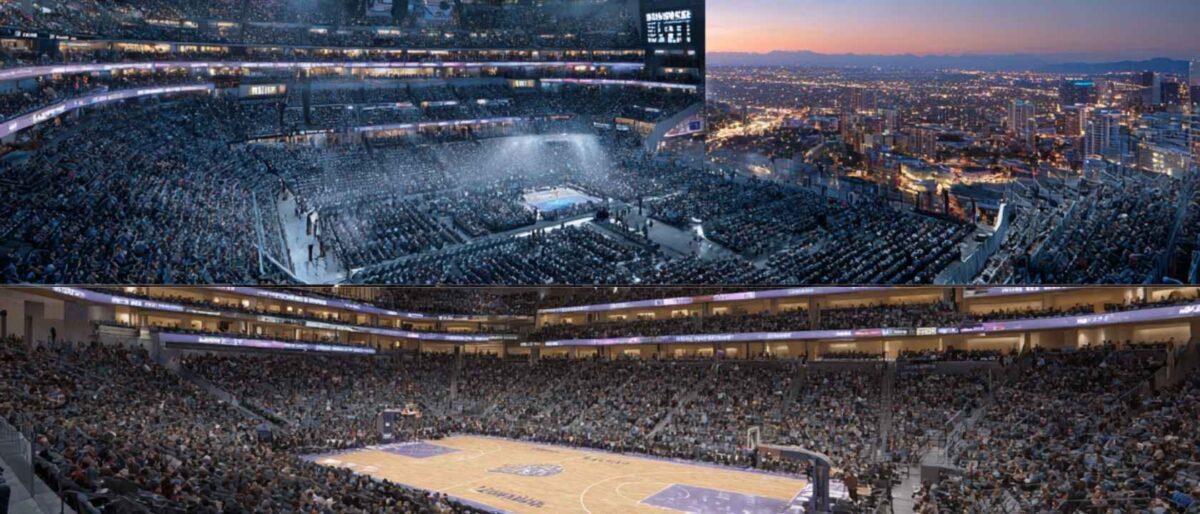
Music Concerts – Stadium tours by superstar acts have seen the steepest jumps, with premium floor seats often exceeding $500 in 2025. In contrast, smaller club gigs have risen more modestly, though even indie shows now average higher prices due to production and touring costs.
Sports Events – The NFL leads with consistent year-over-year price increases, especially for playoff and Super Bowl tickets. NBA games have also climbed sharply, driven by dynamic pricing for marquee matchups. MLB and NHL remain comparatively affordable for regular season games, but premium rivalry or postseason seats command significant premiums.
Theater & Broadway – Hit shows like *Hamilton* and *The Lion King* set the tone for premium Broadway pricing, with top-tier seats now pushing past $300–$400. Touring productions in major cities also follow this trend, though smaller regional theaters remain more accessible.
Festivals – Multi-day music festivals have embraced tiered pricing, with general admission passes seeing steady increases and VIP or “platinum” packages commanding several times the base price. Added perks like private lounges, exclusive viewing areas, and express entry continue to drive these premium tiers.
Resale Market Trends
Average Resale Markups – In 2015, resale markups typically hovered around 30–50% for in-demand events. By 2025, marquee concerts, playoff games, and hit Broadway shows often see markups of 100% or more, especially for last-minute buyers or limited-seat sections.
Tech-Driven Reselling – Advances in mobile platforms and integrated payment systems have made buying and selling tickets faster than ever. Apps like StubHub, SeatGeek, and Vivid Seats allow instant listing, secure transfers, and dynamic price adjustments, leading to a more liquid—yet competitive—resale market.
Scalping & Bots – The automation of ticket buying through bots has intensified competition, often snapping up large blocks of tickets within seconds of release. This leaves genuine fans paying inflated resale prices, sparking ongoing frustration and scrutiny.
Legislative Action – States and countries have responded with measures like anti-bot laws, resale price caps, and required transparency in ticket origin. While enforcement remains inconsistent, these efforts aim to curb exploitative markups and restore fairness for fans.
International Comparison
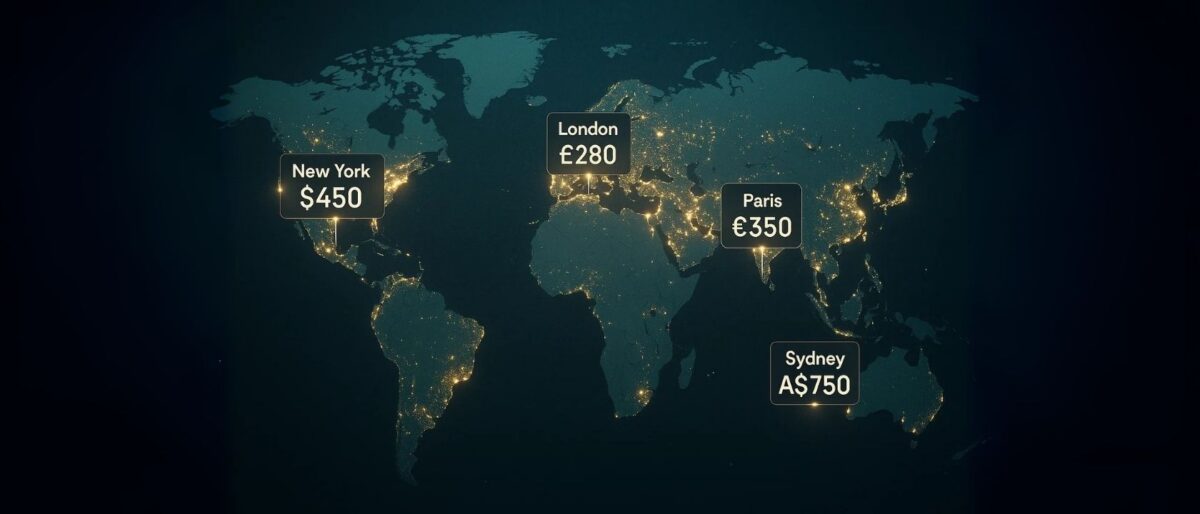
U.S. vs. Other Markets – Between 2015 and 2025, U.S. ticket prices have risen sharply, especially for premium concerts, major sports, and Broadway shows. While the UK and EU have also seen increases, their jumps have generally been smaller due to different pricing models and stronger consumer protections. Australia follows a similar trajectory to the U.S., with notable spikes for international tours.
Currency & Local Laws – Exchange rates can make international tickets feel more affordable or expensive for travelers. The UK’s anti-scalping legislation and the EU’s stricter resale rules have helped temper extreme markups, whereas the U.S. resale market remains more lightly regulated, allowing higher price swings.
Best Value for Fans – For global touring acts, fans in parts of Europe often enjoy better value for money thanks to lower service fees and tighter control over dynamic pricing. In contrast, U.S. audiences frequently face higher all-in costs, especially once fees, taxes, and parking are factored in.
Predictions for 2026 and Beyond
AI-Driven Pricing – Expect artificial intelligence to play a bigger role in real-time ticket pricing, using more precise demand forecasting to adjust costs instantly. This could mean even sharper price surges for high-demand events—and occasional dips for undersold dates.
Greater Pricing Transparency – Industry pressure and regulatory pushes may lead to more “all-in” pricing, where fees are shown upfront rather than added at checkout. This shift could help rebuild trust between fans and ticket sellers.
Fan Pushback & Reform – If prices continue to climb, fan backlash could spark new legislation to cap markups, restrict dynamic pricing, or impose stricter resale rules, especially for events deemed essential to cultural life.
Luxury Ticketing Growth – Exclusive VIP lounges, meet-and-greets, and ultra-premium packages will likely expand as venues seek higher per-ticket revenue. The gap between basic admission and luxury experiences may grow, further segmenting the live event audience.
How to Save on Tickets in 2025

Buy Early or During Presales – Jump on presales through fan clubs, artist newsletters, or credit card perks to secure tickets before prices climb. Many of the best seats disappear quickly, and early-bird rates often beat later dynamic pricing surges.
Follow Artists and Teams – Stay connected on social media and subscribe to email updates. Surprise ticket drops, flash sales, and special promotions are often announced directly to fans and can save you a significant amount.
Compare Across Platforms – Don’t buy from the first site you visit. Check multiple official sellers and reputable resale platforms to find the best price for your preferred section and date.
Use Venue Box Offices – When possible, buy tickets directly at the venue’s box office. This can help you avoid certain online service or delivery fees, especially for local shows and sporting events.
Conclusion
From 2015 to 2025, ticket prices have soared across concerts, sports, and theater, fueled by rising costs, dynamic pricing, and the growing resale market. While the thrill of live events remains unmatched, affordability has become a challenge for many fans. By staying informed, comparing options, and using smart buying strategies, you can still experience unforgettable moments without overspending.