
Are Old Broadway Theaters Haunted? Myths & Stories
September 1, 2025
Why Most Concerts & Shows Last Around 2 Hours | Explained
September 2, 2025Myths About Outdoor Music Festivals: What’s True & What Isn’t
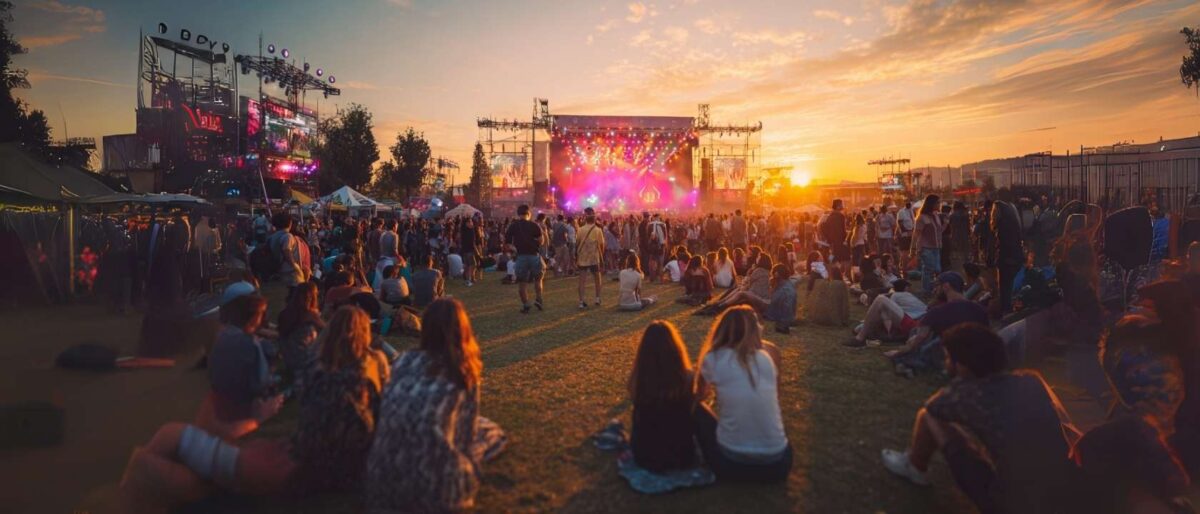
Outdoor music festivals spark plenty of stories—muddy fields, wild parties, overpriced food, and sleepless nights. But not all those tales hold water. Many myths exaggerate or miss how festivals really run. This guide sorts fact from fiction, helping you know what to expect before your wristband goes on.
Myth #1: Festivals Are Always Muddy and Messy
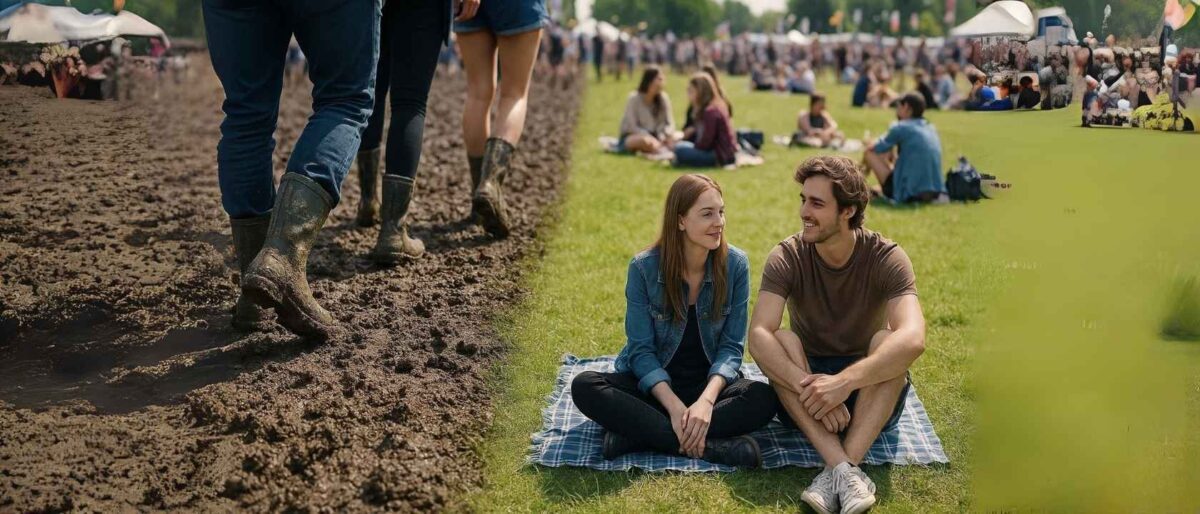
The classic image of a festival often includes knee-deep mud, ruined shoes, and people slipping around in puddles. While that’s true for some rainy weekends, it’s far from the norm. Weather plays the biggest role, and many festivals invest heavily in turf protection, drainage, and dedicated cleanup crews to keep grounds usable.
Not every event is about mud. Some, like Burning Man, are more about dust clouds than rain. Others take place on grassy fields or even in urban parks where walkways stay surprisingly clean. Festival conditions vary widely, shaped more by geography and climate than by stereotype.
What matters most is preparation. Bring boots and a poncho if rain is on the forecast. Pack sunscreen and a hat for sun-drenched weekends. A little planning goes further than any myth, turning “muddy and messy” into “manageable and memorable.”
Myth #2: You Can’t Be Safe at a Festival
Stories of chaos often paint festivals as dangerous free-for-alls, but the truth is more balanced. Large events put significant resources into safety: trained security, on-site medical teams, and clear crowd management systems are now standard. Many festivals work closely with local authorities to monitor conditions and respond quickly if issues arise.
That said, no event is risk-free. Pickpockets target distracted crowds, dehydration creeps in during hot afternoons, and tightly packed audiences can lead to uncomfortable or even unsafe surges. But these risks are manageable when both organizers and attendees take them seriously.
Personal responsibility makes a big difference. Drinking enough water, knowing your limits, and setting a meeting point with friends can prevent most problems. Staying aware of your surroundings while still enjoying the music helps keep the fun stress-free. With preparation and awareness, festivals can be both thrilling and safe.
Myth #3: Everyone Is There to Party Hard

One of the most common assumptions about festivals is that they’re all about non-stop partying. While late-night DJ sets and dance tents certainly attract a crowd, many people attend for entirely different reasons—music, art, or the sense of community that comes from being part of a shared experience.
Plenty of festivals are designed to be family-friendly, offering kids’ zones, quiet spaces, and even sober camping areas for those who want to enjoy the atmosphere without the party vibe. These options create room for people of all ages and lifestyles to feel welcome.
The reality is that festivals are diverse ecosystems. You might start your day with yoga at sunrise, wander through an art installation in the afternoon, and then end the night in front of a headlining act. Not everyone is there to party hard—many are there to connect, explore, and recharge in their own way.
Myth #4: Festival Food Is All Junk
Gone are the days when a soggy burger and cold fries were your only options at a festival. Today’s lineups often include vegan bowls, gluten-free bites, and even gourmet meals crafted by local chefs. Food trucks and pop-up kitchens bring variety that rivals city street fairs.
Big festivals partner with local restaurants and culinary teams to showcase regional flavors, creating a food scene that’s almost as much a draw as the music. Whether it’s wood-fired pizza, fresh poke bowls, or slow-smoked barbecue, there’s usually something for every appetite and diet.
Healthier options are also becoming the norm. Many events now provide refillable water stations, fresh fruit stands, and clearly labeled menus to help attendees make better choices. Festival food doesn’t have to mean greasy or boring—it can be fresh, creative, and surprisingly good for you.
Myth #5: Tickets Are Always Overpriced

Sticker shock is real, especially for the biggest names in the festival world. But those ticket prices aren’t random. They help cover massive production costs—think giant stages, professional sound systems, elaborate light shows, security teams, medical staff, and the logistics of keeping tens of thousands of people safe and entertained.
That said, entry doesn’t have to break the bank. Many festivals offer early-bird deals or single-day passes that make attending more affordable. Planning ahead can mean big savings compared to last-minute buying.
And it’s not all about the mega-events. Smaller local festivals often book impressive lineups at a fraction of the price. They may lack the fireworks and giant LED screens, but they deliver plenty of music and atmosphere without draining your wallet. The idea that all tickets are overpriced ignores the variety of options out there.
Myth #6: Camping Is Miserable
The idea of festival camping often conjures images of sleepless nights, damp tents, and zero comfort. But the reality has changed a lot. Today, camping options range from the classic bring-your-own tent setup to luxury “glamping” packages complete with furnished tents, air mattresses, and private lounges.
Facilities have also improved. Many festivals now provide showers, lockers, and charging stations to make life easier between sets. Some even offer shaded areas, quiet zones, and wellness spaces to help campers recharge as much as they party.
Preparation makes the biggest difference. With earplugs, a quality tent, proper bedding, and shade from the sun, camping transforms from a chore into a highlight. Far from miserable, it can be one of the most communal and rewarding parts of the festival experience.
Myth #7: Festivals Are Bad for the Environment
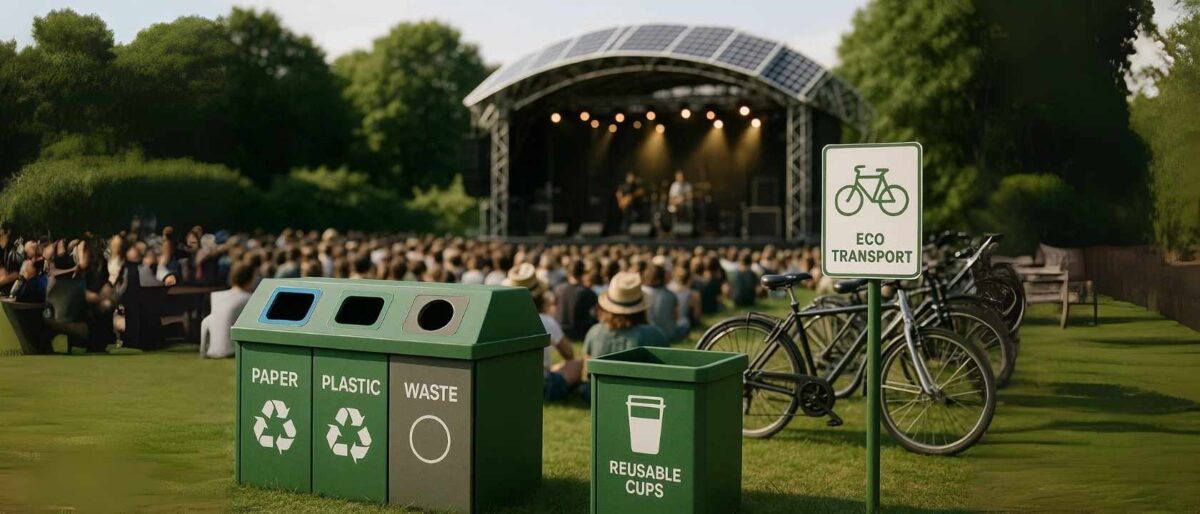
It’s true that large gatherings create an environmental footprint, but the idea that festivals are all waste and no responsibility is outdated. Many organizers now build sustainability into their planning, aiming to lessen the impact without sacrificing the experience. The effort goes far beyond a token recycling bin.
Recycling programs, reusable cup systems, and composting stations are becoming common at major events. Some festivals even offer incentives for carpooling or using public transport, cutting down on emissions before guests even arrive. Small changes across thousands of attendees add up to real results.
Other events go further, funding environmental projects or committing to renewable energy for their stages and infrastructure. From solar-powered sound systems to tree-planting campaigns, festivals are proving they can celebrate music and still protect the planet. The stereotype of reckless waste overlooks the progress being made.
Myth #8: You Won’t Enjoy It Unless You’re Young
It’s easy to picture festivals as playgrounds for twenty-somethings, but the reality is much broader. Festivals attract every age group, from teens chasing their first live music buzz to retirees reliving the joy of seeing classic bands. The shared love of music bridges generations in ways the myth overlooks.
Lineups are often designed with diversity in mind. A festival might feature legacy artists alongside emerging talent, giving parents and kids—or even grandparents and grandkids—something to enjoy together. It’s less about age and more about taste, and the mix ensures no one feels left out.
Accessibility also continues to improve. Many events now include ADA viewing platforms, wheelchair access, and quiet zones. Family areas with kid-friendly activities make it easy for all ages to participate. Far from being exclusive, festivals are increasingly built to welcome anyone who loves live music.
Myth #9: Festivals Are Chaotic and Disorganized

From the outside, a massive crowd with multiple stages can look like pure chaos. But behind the scenes, most festivals are carefully choreographed operations. Organizers build detailed timelines, publish stage schedules, and even create mobile apps with maps and set reminders to keep everything on track.
Of course, delays can happen—an artist might run late or weather may push a set back—but these hiccups rarely spiral into disorder. Staff, volunteers, and digital tools work together to keep the flow moving and the experience smooth for most attendees.
For festival-goers, the trick is having a plan. Download the official app, mark your must-see sets, and agree on meeting spots with friends. With even a little preparation, what looks overwhelming from the outside feels manageable once you’re inside. The myth of total chaos doesn’t hold up to reality.
Myth #10: You Need to Spend a Fortune on Outfits and Gear
Scrolling through festival photos online can make it seem like you need a designer wardrobe and a backpack full of gadgets just to fit in. The truth is simpler: festival fashion is optional flair, not a requirement. Many people come dressed casually, focused more on comfort than spectacle.
What really matters are the basics—comfortable shoes that can handle long days of walking, weather-ready layers for sun or rain, and a bag sturdy enough to carry water and essentials. Those core items make far more difference than sequins or branded accessories ever could.
If you do want to lean into the style, it doesn’t have to cost a fortune. Thrift shops, secondhand finds, and easy DIY touches can create standout looks without draining your wallet. The myth that festivals demand expensive outfits overlooks the fact that creativity—and practicality—always win.
Practical Tips for First-Time Festival-Goers

Heading to your first outdoor music festival can feel overwhelming, but a few simple steps make all the difference. Start with the basics: check the weather before you go and pack what you’ll need—poncho and boots for rain, sunscreen and hats for heat. Preparation saves headaches once you’re on-site.
Most festivals now offer official apps with maps, schedules, and live updates. Downloading one before you arrive helps you navigate stages, spot food stalls, and catch changes without scrambling. A little tech support goes a long way in keeping your day organized.
Don’t forget the essentials your body needs. Stay hydrated, grab food regularly, and rest when you can. Pick a meeting spot with friends in case cell service drops, which often happens in big crowds. And finally, budget wisely. Between tickets, food, drinks, and merch, costs can rise quickly if you don’t plan ahead.
With these habits in place, your first festival won’t just be memorable—it’ll be manageable, too.
Conclusion
Myths about outdoor music festivals often exaggerate the rough edges while ignoring the improvements and variety these events now offer. In reality, festivals can be safe, clean, affordable, and welcoming for all ages—especially if you come prepared with the right gear and a realistic plan.
From upgraded facilities to diverse lineups and sustainability efforts, today’s festivals are far more organized and inclusive than the stereotypes suggest. Yes, surprises can happen, but most challenges are easy to handle with a bit of foresight and flexibility.
If you’ve been hesitant because of the myths, don’t let them hold you back. With the right mindset and preparation, a festival can be less about surviving chaos and more about soaking up music, community, and unforgettable moments under the open sky.