
Concerts in Miami: 2025 Edition
May 6, 2025NxWorries Announce First North American U.S. Tour 2025
May 16, 2025What to Expect at Your First Stand-Up Comedy Show

So, you’re heading to your first stand-up comedy show? Get ready for belly laughs, bold jokes, and maybe a little crowd banter. If you’ve only ever seen stand-up on Netflix, the live experience hits different. Here’s what you need to know before the mic drops and the punchlines fly.
What Is a Stand-Up Comedy Show Like?
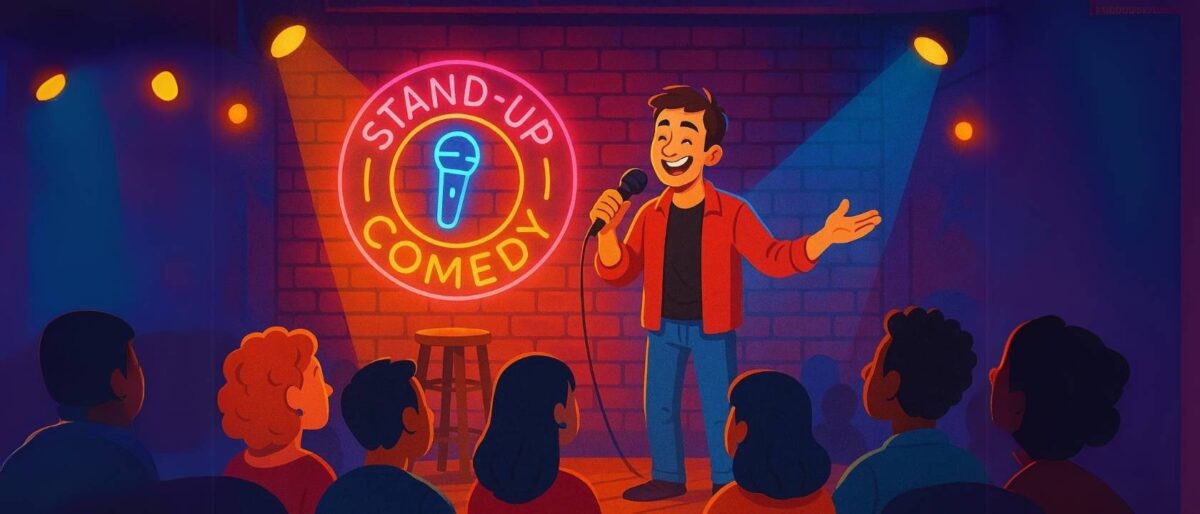
At its core, a stand-up comedy show is beautifully simple: a microphone, a stool, a spotlight, and someone brave (or unhinged) enough to make a room full of strangers laugh. There’s no band, no backup dancers—just a comic and their words, landing (hopefully) punchline after punchline.
Most shows follow a three-act format: you’ll usually start with an opener to warm up the crowd, followed by a feature act with a longer, meatier set. Then comes the headliner—the comic you came to see—who’ll usually perform for 45 minutes to an hour. Altogether, expect the show to run 60 to 90 minutes, give or take.
Clubs are more intimate and interactive—you’re likely only a few feet from the stage, and yes, you can absolutely see the beads of sweat on the comic’s forehead. Laughter is contagious in a cozy room, and you might even get some crowd work thrown your way. Theaters, on the other hand, offer a more polished, stage-show feel. They’re bigger, louder, and usually less personal—great for big-name acts who don’t need to riff off the crowd.
How to Pick the Right Show
Not all comedy shows are created equal—some feel like a cozy living room hangout, others like a full-blown concert. Choosing the right one depends on your vibe (and your tolerance for awkward silences).
If you want high energy and big laughs, check out a touring comic at a larger venue or theater. Think Netflix-famous names, polished sets, and sold-out crowds. Prefer a rawer, riskier night? Head to a local comedy club where rising stars test material and seasoned comics drop in unannounced. These rooms are smaller, punchier, and often more surprising.
Open mic nights are a wildcard. One comic will have you wheezing, the next might tell a 5-minute story about their cat that ends in silence. But if you like chaos and cheering on the underdog, they can be wildly entertaining (and cheap).
Style matters too—some comics are clean and clever, others are unapologetically dark, edgy, or absurd. If you’re unsure, look up clips or reviews beforehand. Don’t just pick by name—pick by humor you enjoy.
What to Wear to a Comedy Show
You don’t need to dress like you’re walking the red carpet—but maybe don’t roll in like it’s laundry day either. Comedy shows are generally casual but tidy. Think jeans with a nice top, a button-up, or a clean tee. If you’re going to a date-night show, a little effort never hurts—and might just score you a few bonus laughs from your companion.
Some clubs have dress codes—especially the bigger or fancier ones. Flip-flops, cutoffs, or anything that screams “beach day” might get you side-eyed (or turned away). When in doubt, aim for relaxed but neat. You’re not at a gala, but you are in public.
Also, venues can be freezing. Whether it’s overenthusiastic AC or a basement comedy club trying to chill the punchlines, always bring a light jacket or sweater. There’s nothing funny about shivering for 90 minutes while pretending to enjoy your overpriced mojito.
Food, Drinks & Minimums
Here’s the not-so-funny part of comedy night: the two-drink minimum. At many comedy clubs, it’s standard policy. That doesn’t mean you’re required to drink alcohol—but you do need to order at least two items, which could be drinks, food, or both. It’s how many clubs keep the lights on and the mics hot.
Not all venues are the same, though. Theaters often skip the food-and-drink scene entirely—no table service, no nachos, no mid-set margaritas. If you’re going to a big-name act at a formal venue, check ahead. You might not be allowed to bring in even a bottle of water.
For clubs that do serve, expect higher-than-usual bar prices. That $7 soda? It’s a thing. And that comedy nacho platter? Let’s just say it’s more about support than seasoning. The bill can sneak up if you’re not paying attention.
Audience Etiquette
If there’s one golden rule at a comedy show, it’s this: don’t be the reason someone misses a punchline. Laughter is encouraged—interruptions, not so much. Here’s how to be a solid audience member (and avoid a comic turning you into the joke).
Don’t heckle. No matter how clever you think you are, you’re not helping. Heckling throws off the rhythm, derails the set, and honestly, it’s just rude. Comedians are professionals—they don’t need backup from the guy in the third row with a beer and a dream.
Keep side chatter to a minimum. Whispering a quick “that’s so true” to your date is fine. Launching into a full conversation mid-set? Not so much. And repeating the punchline out loud like you’re echoing the comedian—also a no.
Silence your phone before the show starts. Don’t scroll. Don’t record. Many clubs will call you out or even escort you out if you’re filming. Comics test new material, and recording can spoil things for others (or worse, get the comic in hot water).
Laugh freely, cheer often—but don’t ‘join in’ unless the comic invites it. If they ask questions or interact, go with it. Otherwise, sit back, relax, and enjoy the ride.
Will I Get Picked On?
Ah yes—the classic fear: “What if the comic roasts me in front of everyone?” Honestly? It depends on the comic and where you’re sitting. Some comedians love crowd work—interacting with the audience, asking questions, riffing off responses. Others stick strictly to their material and won’t acknowledge you unless you scream-laugh (or spill a drink).
If you’re in the front row, you’re fair game. But even then, most comics are playful—not cruel. Think witty jabs, not full-on takedowns. They want to make people laugh, not make you cry into your fries.
Tip: If you’re shy, skip the first two rows. Sit a bit farther back where the spotlight won’t find you. And whatever you do—don’t heckle, fall asleep, or check your phone. That’s like hanging a “Please roast me” sign on your forehead.
Expect Adult Themes & Language
If your idea of comedy is G-rated giggles and squeaky-clean punchlines, you might want to double-check that ticket. Most stand-up shows dive into adult territory—sex, politics, relationships, therapy, bad bosses, and all the weird stuff in between. That’s part of what makes it real, raw, and ridiculously funny.
It’s not uncommon for comics to get personal—sometimes painfully so. Language can be R-rated, topics can get dark, and no subject is truly off-limits. That said, great comics usually find a way to keep it edgy without being cruel (well… most of the time).
Don’t expect Disney Channel vibes unless the event is specifically marked as family-friendly or for kids. If you’re bringing someone who might be easily shocked—grandma, your tween cousin, or your boss—just be sure you know what you’re walking into.
Tip: Always check the age restriction. Many comedy clubs are 18+ or 21+, depending on local laws and whether alcohol is served. If you’re on the edge, bring ID—you don’t want your night to end at the door.
Best Seats & When to Arrive

At many comedy clubs, there’s no assigned seating—it’s first come, first seated. That means showing up fashionably late might land you in the back corner next to the kitchen door (or worse, directly under the AC vent). If you want a good seat with a clear view of the stage, arrive 30 to 60 minutes early.
Some venues offer VIP or early entry tickets for a small upgrade. These can be worth it if you’re particular about your spot—or just really don’t want to hover awkwardly near the bar, waiting for your table to be called.
Tip: The sweet spot is somewhere in the middle. Sit too close and you might find yourself part of the show. Sit too far and you’ll miss the performer’s expressions and feed off less crowd energy. Middle seats give you that perfect combo: good view, good vibe, low risk of becoming material.
Should You Tip the Comic or Staff?
First things first: tip your server. Comedy clubs usually have full table service, and just like at any restaurant or bar, your server’s hustling hard to keep your drinks full and your nachos delivered without blocking your view. Standard tipping rules apply—20% is a solid go-to.
As for the comics themselves, they don’t expect tips—but they’ll absolutely appreciate your support. If the headliner has a merch table set up near the exit (think: T-shirts, stickers, or even hand-signed joke books), buying something is a great way to say thanks and help them keep doing what they do.
Even if you’re on a budget, you can still show some love: follow them on social media, tag them in your photos, or leave a quick review online for the club or event. That kind of support goes a long way in building buzz and helping comics grow their following.
Post-Show Vibe
When the mic drops and the spotlight fades, the fun doesn’t always end. At many clubs, comics hang out after the show—especially up-and-comers. You might catch them at the bar, near the exit, or selling merch with a Sharpie in hand. It’s your chance to say hi, grab a selfie, or snag a signed T-shirt while the laughs are still fresh.
Merch tables are a solid way to support the artist, and chatting with the comic (even just a quick “you crushed it!”) can mean a lot. Just read the vibe—if they’re clearly in post-show hustle mode or talking to a crowd, keep it short and sweet.
Also, don’t forget to plan your exit. Shows often wrap up around 10 or 11 PM (sometimes later on weekends), so figure out your ride ahead of time. Rideshares may surge, public transit may slow down, and navigating after a few drinks isn’t exactly fun.
Conclusion
Your first comedy show isn’t just a night out—it’s an experience. There’ll be awkward laughs, unexpected moments, and maybe even tears streaming down your face from a perfectly delivered punchline. Whether you’re belly-laughing in the back row or nervously hoping the comic skips your table, it’s all part of the magic.
Let loose, be open, and soak it up. Comedy clubs thrive on energy, and the best nights happen when the audience is right there with the performer. Don’t worry about knowing when to laugh or how to act—just show up, be present, and enjoy the ride.
And who knows? You might walk away with a new favorite comic, a new inside joke with your friend, or at the very least—a story that starts with “this one night at a comedy show…”