The Best Music Festivals Around the World 2025: Global Events You Can’t Miss
April 28, 2025
Upcoming Concerts in Chicago 2025: Your Guide to the City’s Best Live Music Events
April 30, 2025What’s the Future of Live Concerts?
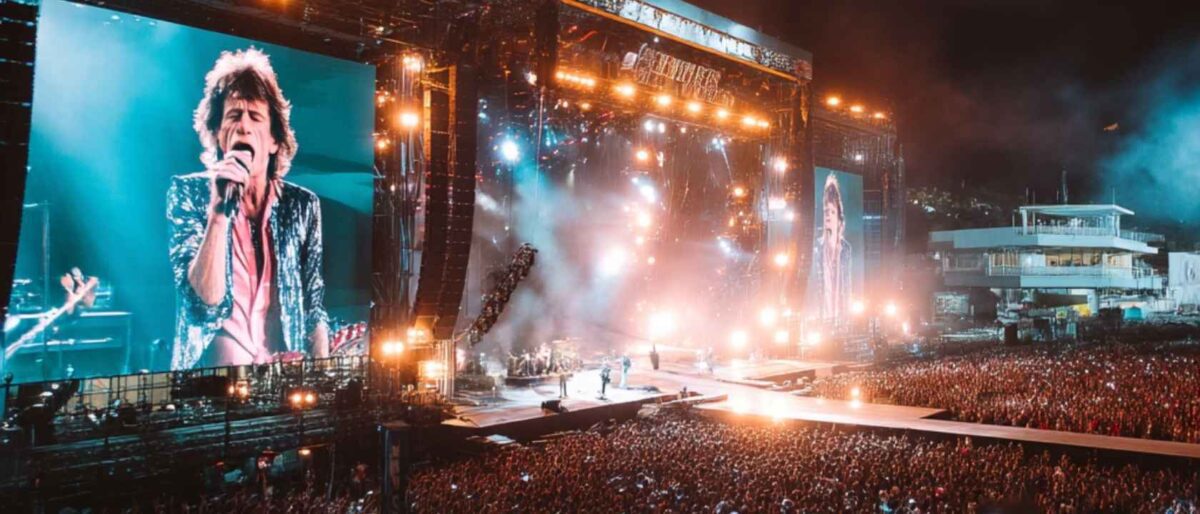
Live concerts are evolving fast—from massive stadium shows to virtual stages you can join in your pajamas. As tech, fan culture, and creativity collide, the concert experience is shifting in bold new directions. So what’s next for music lovers? Let’s explore the future of live shows, one beat at a time.
Hybrid Concert Models: Live + Virtual
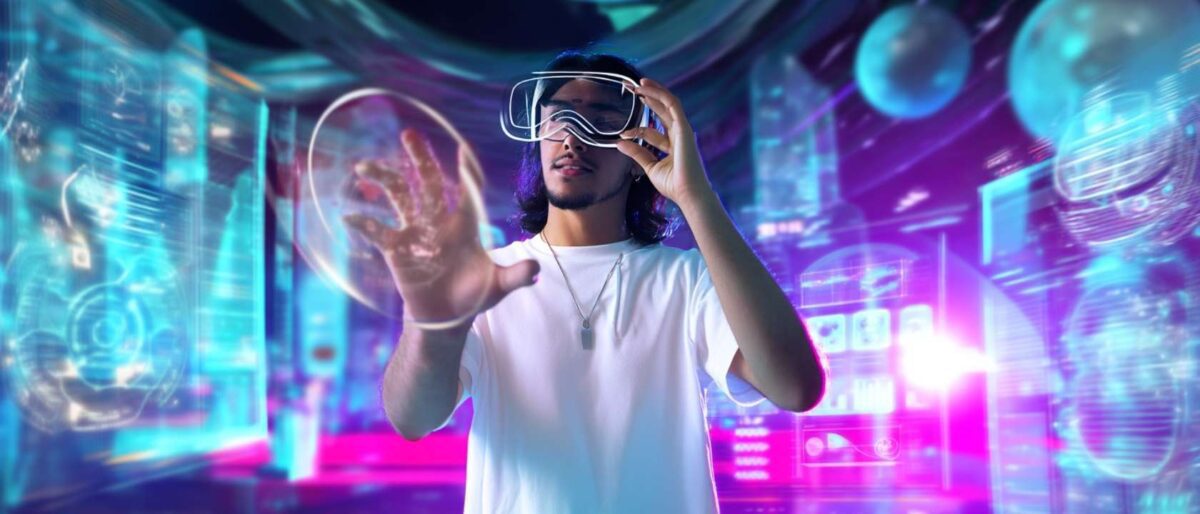
The future of concerts doesn’t mean saying goodbye to the real thing—it means adding layers. Hybrid concert models are becoming the norm, combining the energy of in-person shows with the global accessibility of virtual experiences. It’s not either-or anymore. It’s both—and beyond.
Artists are now giving fans the choice: show up in the crowd or tune in from anywhere. Think BTS’s livestreamed concerts that pull in millions of viewers, or Travis Scott’s groundbreaking Fortnite performance, which redefined what a virtual audience can look like. These aren’t just streams—they’re full-blown digital events with interactivity, visuals, and storytelling built in.
For fans who can’t travel—or afford the ever-rising ticket prices—this model opens the gates. Suddenly, a bedroom in Brazil can feel like the front row at Madison Square Garden. And for artists, it’s a way to expand reach, sell more tickets, and build deeper fan connections without physical limits.
Augmented Reality & Hologram Technology
Welcome to a new frontier where fantasy and performance merge—Augmented Reality (AR) and hologram technology are changing the way we see concerts, literally. As AR becomes more mainstream through wearable tech and smartphones, artists are starting to use it to layer digital magic over live music.
Imagine pointing your phone at the stage and seeing 3D animations dancing above the crowd or lyrics swirling in the air—AR enhancements through phones or smart glasses are turning concerts into dynamic visual playgrounds. You’re no longer just watching a show—you’re inside it.
Then there’s the wild world of holograms. From Tupac’s jaw-dropping posthumous cameo at Coachella to the immersive ABBA Voyage concert in London, we’ve already seen how digital avatars can bring icons to life—or back to life. It’s nostalgic, surreal, and mind-blowingly realistic.
Looking ahead, AR and holograms could enable interactive stage experiences—like choosing alternate camera angles, customizing visual effects, or even voting on setlists in real-time. The barrier between fan and performer is shrinking, and the stage is no longer limited to wood and lights—it’s becoming a canvas for tech-powered imagination.
AI in Music Performance & Tour Planning
Artificial Intelligence is quickly becoming more than just a backstage assistant—it’s stepping into the spotlight. From crafting killer setlists to optimizing tour routes, AI is helping artists and crews reimagine what a concert can be.
One of the most exciting developments? AI-generated setlists and visuals. By analyzing streaming data, past performances, and crowd reactions, AI can suggest song orders that build energy perfectly or even adapt in real-time. Meanwhile, AI-generated visuals—animated in sync with live music—are turning concerts into dynamic multimedia shows that evolve from night to night.
Some artists are already using virtual backup bands powered by AI, creating responsive accompaniment that mimics live musicianship while cutting production costs. Combine that with smart lighting systems that shift color and intensity based on tempo and tone, and you’ve got a tech-assisted performance that feels alive and immersive.
Behind the scenes, AI also plays a strategic role. It’s helping artists predict demand, pinpointing cities where ticket sales are likely to explode and suggesting optimized tour dates that reduce travel costs and maximize exposure. It’s data-driven touring—faster, smarter, and more efficient.
Smaller, Immersive, and Personalized Events
Not all future concerts will be stadium-sized spectacles—some will feel more like secret worlds you step into. As fans crave connection over crowd size, we’re seeing a rise in intimate, boutique concert experiences where every moment feels tailor-made.
These smaller events aren’t stripped down—they’re leveled up. Artists and producers are embracing immersive audio technologies like spatial sound and 360° venues, placing listeners in the middle of the mix. Think concerts where the sound doesn’t just hit you—it surrounds, moves, and responds to you. It’s not louder. It’s deeper.
And it’s getting personal, too. With the help of data—like your favorite tracks, listening history, or even facial recognition for mood reading—some artists and platforms are starting to experiment with personalized fan moments. That could mean custom visuals on your AR glasses, shoutouts mid-show, or even a surprise song you streamed 100 times last year.
Concerts in the Metaverse
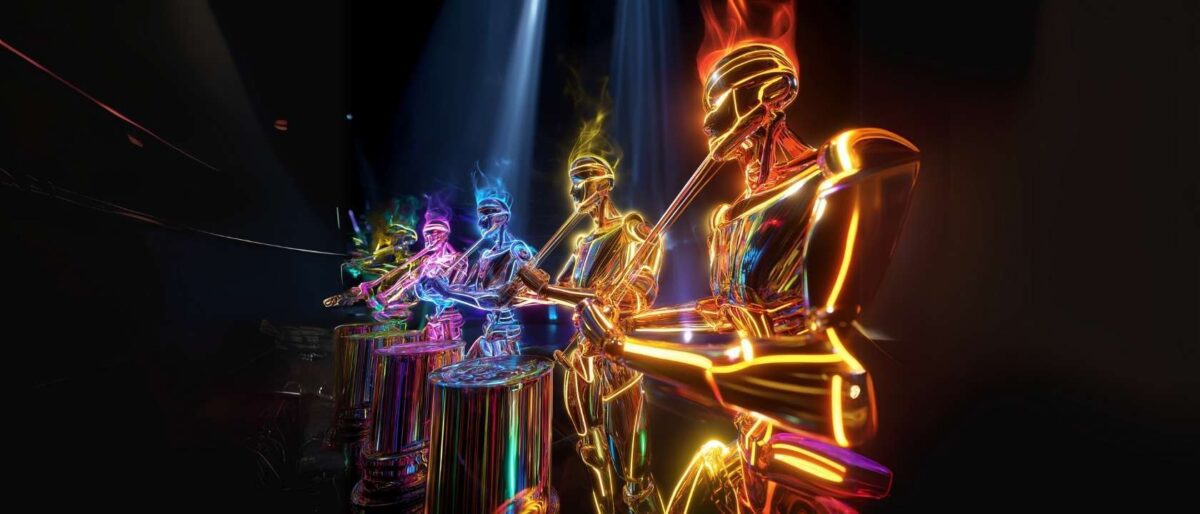
Welcome to the virtual stage. As the digital world expands, concerts in the metaverse are becoming a futuristic—and surprisingly viable—way to bring artists and fans together. Platforms like Roblox, Fortnite, and Decentraland are leading the charge, turning gaming arenas and virtual spaces into immersive music venues.
These shows go far beyond livestreams. Fans attend as digital avatars, exploring interactive environments, dancing with others, and experiencing visuals that defy physics. Artists like Travis Scott, Ariana Grande, and Lil Nas X have already hosted record-breaking performances viewed by millions inside these digital worlds.
There’s more than just music—there’s commerce. NFT ticketing is being explored as a way to give fans exclusive access, collectibles, or resale value. Add to that virtual merch—wearables for avatars or unlockable content—and you’ve got a new revenue stream that exists entirely online.
But it’s not all pixel-perfect. The limitations of metaverse concerts include technical glitches, limited emotional connection, and accessibility barriers for fans without compatible devices. While they offer incredible reach and novelty, they can’t yet match the raw, visceral energy of a real crowd screaming in unison.
Sustainability and Eco-Friendly Touring
As the climate crisis becomes impossible to ignore, live music is tuning into a new rhythm—sustainability. Artists, venues, and fans alike are demanding eco-conscious touring practices, and the industry is beginning to adapt in meaningful ways.
Leading the charge is Coldplay, whose latest tour aimed to cut emissions by 50% compared to their previous one. Their strategy? Energy-efficient staging, solar-powered lights, biodegradable confetti, and even a kinetic dance floor that generates electricity from fans’ movements. It’s a model that more artists are beginning to follow.
Beyond flashy tech, smaller changes are making a big impact. Carbon offsetting, choosing local suppliers, reducing plastic use, and offering sustainable merch options are becoming the new backstage standards. Even tour buses are being reimagined—think biofuels and EV fleets.
This shift is also being driven by fans. Today’s concertgoers care where their money goes and how their experiences affect the planet. There’s a growing expectation that artists will reflect those values—onstage and off. And the result? More conscious concerts that resonate long after the final encore.
Dynamic Pricing and Blockchain Ticketing
Say goodbye to flat ticket prices and sketchy resellers—dynamic pricingblockchain ticketing are redefining how we buy, sell, and protect access to live shows. In the future of concerts, your ticket will be smarter, safer, and possibly more expensive… unless you play it right.
Dynamic pricing models—already used in airline and hotel bookings—are becoming the norm for concerts. Prices fluctuate in real time based on demand, location, and even artist popularity. That means early birds may snag deals, while procrastinators pay the premium. It’s flexible, but fans have to stay sharp.
Then comes the tech twist: blockchain ticketing. Instead of a barcode that can be copied or faked, each ticket lives on a secure digital ledger. This makes it nearly impossible to scalp, duplicate, or scam. And if you do need to resell, blockchain-powered smart contracts can control the process—ensuring artists get a cut, buyers see transparent pricing, and no one gets burned.
Even more exciting? Fans may soon own their resale rights, choosing where and how they sell their tickets, with verified authenticity baked into the code. The result: more trust, more fairness, and a system that actually works for the people who matter—fans and artists alike.
Global Access & Inclusion
The future of live concerts isn’t just about tech upgrades—it’s about breaking barriers. From physical accessibility to language inclusion, technology is helping create a more equitable concert experience for fans everywhere, no matter where they live or what limitations they face.
One of the biggest breakthroughs? Remote attendance options for disabled fans or those unable to travel. Livestreams, VR access, and interactive platforms mean you no longer have to be in the venue to feel the energy. For many, this isn’t just convenient—it’s transformative.
Then there’s the power of multilingual broadcasts and real-time subtitles. Concerts in the future will be more inclusive for non-native speakers and hearing-impaired fans, with AI-powered captioning and language translation ensuring everyone can follow lyrics, artist banter, and fan moments without missing a beat.
Perhaps most exciting is how technology helps bridge cultural gaps. Global artists can connect with diverse audiences in real time, collaborate across continents, and create shared experiences that transcend borders. It’s no longer “us and them”—it’s all of us, together, moving to the same rhythm.
Fan Interaction & Experience Beyond the Stage

In the next wave of live music, the show doesn’t start when the lights go down—and it doesn’t end with the final song. Artists and platforms are reinventing how fans engage by expanding the concert experience beyond the stage.
Pre- and post-concert virtual meet-ups are making shows more personal and social. Fans can join live Q&As, behind-the-scenes streams, or VIP hangouts before the show kicks off—or stick around for virtual after-parties. It’s like getting an all-access pass, no matter where you are.
During the show, mobile interactivity is turning audiences into participants. Imagine using your phone to vote for the encore, choose the stage visuals, or switch between camera angles in real time. Some artists are even building interactive apps that sync light effects on your device with the live performance, transforming every seat into part of the spectacle.
And it doesn’t stop there. Artists are building exclusive digital spaces—think private Discord servers, fan clubs with NFT membership perks, or immersive social platforms where fans can chat, share content, and relive shows together. These virtual communities aren’t just for hype—they’re becoming central to the fan journey.
What Won’t Change?
For all the dazzling tech, holograms, metaverse gigs, and AI-powered setlists, there’s one truth that remains: nothing beats the real thing. The heart of live music—the pulse, the crowd, the sweat, the soul—can’t be digitized, no matter how futuristic the platform.
The irreplaceable magic of in-person connection is what makes concerts unforgettable. It’s the goosebumps when the bass drops. The moment a stranger next to you becomes your dance partner. The roar of a thousand voices singing the same lyrics back to the artist. No screen or stream can replicate that energy.
At their core, concerts are about shared emotional highs. Whether it’s crying during a quiet ballad or jumping during a heavy chorus, live shows allow people to feel—and feel together. In a world that’s increasingly digital, those analog moments hit even harder.
And let’s not forget the raw human element: the imperfection, the spontaneity, the unexpected magic when a performer goes off-script or a fan holds up a sign that changes the setlist. The sound, the energy, the presence—it’s real, and that’s what makes it powerful.
How Artists and Venues Are Adapting
The future of concerts isn’t just happening to artists and venues—they’re helping build it. Across the industry, performers and promoters are investing in tech-forward setups and rethinking the entire live experience to meet the moment—and the audience of tomorrow.
From immersive LED walls to holographic effects and spatial audio rigs, venues are upgrading at record speed. Artists are collaborating with tech firms and digital creatives to turn stages into canvases for light, data, and motion. It’s not just a concert anymore—it’s a multi-sensory event powered by cutting-edge tools.
But the magic lies in the blend of tradition and innovation. Acoustic sets under real lights still matter. Intimate venues still pack emotional punch. The most successful artists are those who balance spectacle with sincerity—who can wow you with AR visuals one moment, and hit you with raw vocals the next.
This evolution also means new roles for tour staff and creatives. Lighting designers are now immersive experience engineers. Tour managers coordinate virtual and physical logistics. Even AI operators are entering the fold, scripting visuals or tracking audience engagement mid-show. The backstage has never looked so futuristic.
Predictions for the Next 5–10 Years
If the past few years have shown us anything, it’s that the live music world isn’t just evolving—it’s accelerating. So what’s next? In the next 5 to 10 years, concerts may look less like a fixed format and more like a creative playground. Here’s what we can expect:
1. Mainstream adoption of XR experiences (Extended Reality, which includes AR, VR, and MR) is on the horizon. Picture putting on lightweight glasses and watching the stage explode with 3D visuals, lyrics floating in midair, or digital artists appearing alongside the live band. What’s now niche will soon be as common as stage lights.
2. Artists launching in-house virtual platforms will become a major shift. Instead of relying solely on big streaming services or ticketing giants, major musicians may host their own shows, fan meet-ups, and content in custom-built virtual worlds. Think: Beyoncé World or DrakeVerse, where you buy virtual merch, vote on setlists, and attend exclusive digital-only gigs.
3. Decentralized, fan-driven concert creation will reshape how shows are planned. With blockchain-based platforms and DAO (Decentralized Autonomous Organization) models, fans could crowdfund tours, vote on cities, and even co-create concert experiences—from themes to special guests. The crowd won’t just be watching—they’ll be calling the shots.
The future of concerts won’t be controlled by a few players. It’ll be interactive, immersive, and wildly inventive—powered by tech, shaped by fans, and led by artists unafraid to rewrite the rules.