What Is a Jukebox Musical? (Examples from Broadway and Beyond)
May 27, 2025
Stadium vs Arena Concerts: What’s the Better Experience?
May 28, 2025How Artists Plan World Tours: The Backstage Business
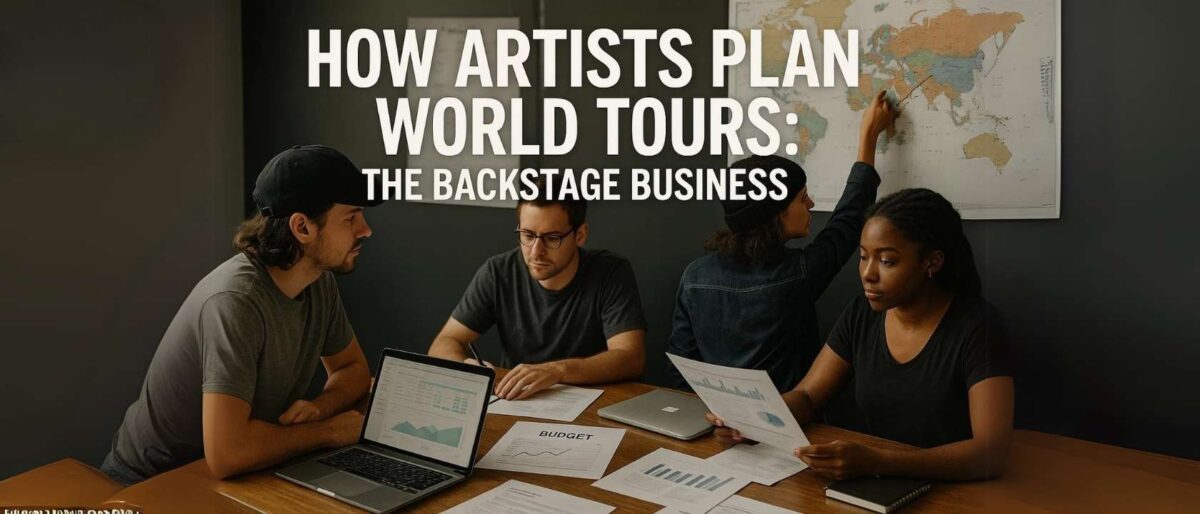
Ever wonder what it really takes to pull off a globe-trotting tour? Beyond the lights and encore applause lies a symphony of spreadsheets, strategy, and sleepless nights. From budgets to border crossings, this is the ultimate backstage pass into how your favorite artists plan, fund, and finesse their world tours.
The Initial Spark: Why Go on Tour?
So, what lights the fuse for a global tour? It’s not just wanderlust or a craving for greenroom snacks in every time zone. Tours are driven by purpose—strategic, sentimental, and sometimes just plain contractual. When artists hit the road, there’s usually more going on than just music and mayhem.
For starters, album promotion is a big one. Dropping a new record without touring behind it is like baking a cake and forgetting to serve it. Live shows breathe life into fresh tracks, creating moments that fans can’t replicate with earbuds. Those high notes? They hit harder in person.
Then there’s fanbase growth and global visibility. Artists don’t just want to trend locally—they want to echo from LA to Lisbon. A world tour doesn’t just reach fans, it builds them. It puts faces to usernames and turns passive listeners into lifelong stans.
Let’s not forget the financial beat: revenue generation. Tickets, VIP upgrades, merch booths the size of boutiques—tours are moneymaking machines. Add licensing deals and branded experiences, and the register practically sings on its own.
Sometimes, artists are simply fulfilling contractual obligations. Record labels, sponsors, and promotional partners may require appearances as part of deals inked long before the first chord is struck.
Finally, there’s heart. Milestones like a 10-year anniversary, a comeback after a hiatus, or a tribute to a lost bandmate can ignite a tour plan out of sheer emotion and meaning. Those shows? Pure magic.
So the next time a tour gets announced, remember: it wasn’t born overnight. It began with a reason, a roadmap—and a whole lot of ambition.
Market Research and Demand Forecasting

Before an artist steps on stage, someone—probably wearing noise-canceling headphones and a deep furrowed brow—is crunching numbers. Market research and demand forecasting aren’t glamorous, but they’re the gears that turn behind every “sold out” sign. Without them, a tour might hit crickets instead of crowds.
First up: streaming and sales data. Spotify streams, YouTube views, album downloads—they’re the new compass. If a track is blowing up in São Paulo or Sydney, those cities jump to the top of the tour wish list. Data doesn’t lie. It sings, whispers, and sometimes screams where the fans really are.
Social media engagement is another golden guide. Who’s posting lyrics? Where are the comments coming from? Artists and their teams read the digital room. If Jakarta is trending with fan art and choreography remixes, it might be time to add it to the itinerary.
Then there’s the cold, hard past: touring history and performance metrics. What cities sold out last time? Where did the merch fly off the tables? Cities with consistent turnouts earn repeat visits, while underperformers might get the silent treatment.
But there’s a twist: even the biggest stars have to respect local economics. Can fans in a given city afford the tickets? Are high prices a dealbreaker or a flex? Teams analyze income data, currency values, and average ticket spend to keep pricing fair—or at least not frightening.
In short, choosing where to go isn’t guesswork. It’s digital detective work with a dash of intuition. Because filling an arena takes more than just hype—it takes homework.
Budgeting and Financial Planning
If touring were a blockbuster movie, this would be the part where the accountants enter with calculators blazing. Before a single stage light flashes, teams draft a tour budget tighter than a drum. Because as thrilling as it looks, a world tour is one big balancing act between costs and coins.
First, the outflow. Travel gobbles a hefty chunk—flights for artists and crew, buses or vans for local hops, and don’t forget the cargo planes hauling stage gear heavier than a hippo in a suitcase. Every stop means gas, ground crew, and geography-induced headaches.
Crew salaries follow close behind. Lighting techs, sound engineers, riggers, drivers, wardrobe, assistants—it takes a village, and that village doesn’t work for pizza. Stage production and lighting alone can rival a small city’s electricity bill, especially if pyrotechnics, holograms, or hydraulic lifts are involved.
Then there’s accommodation—hotel suites, tour buses with beds, and per diems. Insurance and security are non-negotiable, covering everything from health emergencies to lost instruments and fan safety.
On the other side, the income. Ticket tiers and VIP packages are the bread and butter. General admission, front-row, backstage passes—each tier ups the ante and the earnings. Sponsorships and brand deals sweeten the pot, turning tours into walking, singing billboards. And let’s not overlook merchandising: hoodies, vinyl, signed posters—fans eat them up like candy at a concert carnival.
Finally, there’s the make-or-break math: profit margins and tour viability. If the projections are redder than a flare gun, plans get paused. If they’re gold, it’s full steam ahead. Sometimes cities are added or cut based solely on whether they move the financial needle in the right direction.
In the end, a tour is a business plan set to music. The beat may be loud, but the numbers need to sing too.
Assembling the Dream Team
Even the most iconic artist can’t take on the globe solo. Behind every standing ovation is an army of unsung heroes—experts who keep the show from falling flat. Assembling a world-class team is like casting the perfect heist movie: every role is vital, timing is everything, and one weak link can sink the entire plan.
At the top of the call sheet is the tour manager. They’re the master of mayhem, juggling flights, hotels, soundchecks, and snack preferences. Right beside them, the production manager is the wizard behind the curtain—overseeing every mic, monitor, and laser beam with military precision.
Booking agents and promoters are the tour’s matchmakers. Agents lock in dates, cities, and venues. Promoters handle the local buzz, making sure people not only know the artist is coming—they *care.* They’re the reason posters are plastered and radio interviews are lined up the second wheels hit the runway.
But someone has to count the cash and track every dime. That’s where business managers and accountants come in, managing budgets, tax filings, and making sure no one’s blowing the wardrobe budget on sequins. Their spreadsheets are sacred.
Then come the creatives: stylists, choreographers, and tech crew. Stylists build a visual identity, choreographers design movement that tells a story, and the tech team? They make sure the lights don’t explode and the mic actually works.
Finally, every tour needs a shield. Legal advisors handle contracts, copyrights, and local laws. Touring globally means dealing with a different rulebook in every country—somewhere between a legal minefield and a diplomatic dance.
Together, they form the backbone of the tour. Each person plays their part so the artist can do theirs—sing, shine, and turn a crowd of thousands into one electric moment.
Routing and Logistics: The Global Puzzle
Once the cities are picked and the team’s in place, it’s time to connect the dots. But routing a world tour isn’t as simple as drawing lines on a map—it’s more like solving a Rubik’s Cube while juggling. Every city must fit into a delicate balance of time, terrain, and travel sanity.
First, there’s mapping cities by region clusters and travel efficiency. You can’t have Tokyo on Tuesday and Toronto by Thursday—unless you’ve got a private jet and no regard for human sleep cycles. Routes are designed to minimize exhaustion and maximize flow, hopping through continents in logical loops that conserve energy and budget.
Then it’s time to negotiate venue availability and capacity. Stadiums, arenas, theaters—each comes with its own calendar, quirks, and crowd limits. Securing the right space at the right time is like playing musical chairs with 40,000 fans waiting in line. Dates shift, cities swap, and nothing is locked until the ink dries.
Beyond the buildings, you’ve got to coordinate with local promoters and governments. Permits, regulations, curfews—what flies in Paris might get shut down in Perth. Promoters help grease the wheels, handle media, and translate the cultural playbook so the show goes off without a hitch (or a headline-making hiccup).
But logistics go deeper than dates. Teams must plan for weather, political climate, and visa requirements. Outdoor festivals can get rained out; unstable regions might be skipped for safety. Visa snafus can ground an entire leg of the tour—so paperwork isn’t optional, it’s oxygen.
And then there’s the behemoth: freight logistics. Moving lights, instruments, stages, and costumes across borders is an operation that would impress military generals. Customs forms, shipping timelines, backup gear—it all has to arrive before the artist does. Late cargo = no show.
Routing a tour is a symphony of spreadsheets and gut checks. It’s where planning meets pressure, and success means every piece of the puzzle lands exactly where—and when—it should.
Ticketing Strategy and Pricing Models

Once the dates are locked and the venues booked, it’s time to talk tickets—the golden gateway between fans and the frenzy. But pricing those tickets? That’s a delicate dance between demand and dollars, loyalty and logistics. One wrong move, and the whole rollout can sour faster than spoiled stadium nachos.
At the center of it all is the choice between dynamic pricing and flat-rate models. Flat-rate pricing keeps things simple—one price per section, no surprises. But with dynamic pricing, the stakes shift. Prices rise and fall based on demand, like airplane seats for a rock show. It can boost revenue, but risk backlash if fans feel played instead of prioritized.
Timing is everything, too. Most tours roll out tickets in phases: early bird, pre-sale, and general release. Early birds reward die-hards (and fan clubs), pre-sales hook sponsors or credit card holders, and general release is the main event. Each phase builds buzz and helps organizers spot which cities are hot—or not.
But what works in Berlin might flop in Bogotá. Geographic-specific pricing adjusts rates to local economies, making sure a concert in Manila doesn’t cost a month’s rent. It’s a tricky equation—fairness versus feasibility—but crucial if a tour truly wants to go global.
Distribution also matters. Teams often partner with platforms like Ticketmaster, AXS, or artist-owned systems. Each has pros and pitfalls. Big platforms offer reach and fraud protection. Artist-owned options allow for more control—and occasionally, more chaos. Either way, the goal is to get real fans in real seats.
And then there’s the constant battle: resales and scalping. Bots buying up tickets faster than humans can blink? It’s infuriating. Artists and promoters now use ticket limits, verified fan systems, and resale restrictions to fight back. Still, it’s an arms race—and the bots are fast learners.
Done right, ticketing is part marketing, part math, part fan psychology. It’s not just selling seats—it’s setting the stage for who gets to join the experience, and how much they’ll pay for the memory.
Branding and Marketing the Tour
A tour isn’t just a string of concerts—it’s a brand in motion. The name, the look, the rollout—each piece works together like instruments in a band. Done right, it creates an identity so strong you don’t just hear it—you *feel* it, wear it, hashtag it, and replay it in your mind for years.
It all starts with the name and theme. Some tours echo an era (“1989 World Tour”), some take the album title and run with it, while others go conceptual, building an entire vibe (hello, “On the Run”). Whatever the flavor, the name is a headline, a story in shorthand that fans carry on posters and tattoo on their skin.
Next comes the visual identity. Posters, social banners, merch graphics—every pixel matters. A cohesive look spreads across every touchpoint: from the ticket stub to the tour bus to the stage design itself. Consistency builds recognition, and recognition builds hype. One logo, seen everywhere, becomes iconic.
Promotion schedules are mapped out with military precision. Artists hit radio stations, magazine covers, podcast mics, and late-night couches. A good tour promo blitz is loud, relentless, and utterly unavoidable—in the best way. You’ll hear it during your morning commute and see it scrolling past your lunch break.
But nothing beats the digital strategy. Instagram countdowns, TikTok teases, cryptic Tweets, YouTube trailers—it’s marketing with rhythm and mystery. Drop a poster one day, a soundbite the next, a behind-the-scenes clip after that. Fans play detective. Algorithms go wild. Virality does its thing.
Then come the collabs. Cross-promotions with streaming platforms and fashion brands turn a tour into a lifestyle. Spotify playlists branded with tour dates. Capsule collections with Nike or H&M. Pop-up shops, designer jackets, fragrance tie-ins—it’s more than a show, it’s a cultural moment.
Branding a tour is about storytelling without words. When it clicks, fans don’t just attend—they belong. And that’s the kind of magic money can’t buy… but branding can sell out.
Sponsorships and Brand Partnerships
If tours are the highways of the music world, then sponsors are the fuel that helps keep the wheels turning—often with a high-octane boost. These partnerships aren’t just about slapping logos on lanyards; they’re curated collaborations that blend commerce with creativity, turning each show into a multi-sensory brand event.
Start with the usual suspects: beverage brands, tech companies, and fashion lines. From sipping a branded energy drink mid-concert to testing new earbuds in a sound booth, sponsors aren’t hiding in the background—they’re right there in the fan experience. Coca-Cola, Beats by Dre, Adidas—these are names that dance alongside the artist’s, both figuratively and literally.
Sometimes, the bond runs even deeper. Enter the tour title sponsor. Think “The Pepsi World Tour” or “Verizon Presents…”—these deals put brands front and center, often contributing millions to the tour’s funding. It’s part advertising, part prestige, and all about reach. It makes the tour feel bigger, bolder, and sometimes even a little shinier.
Fashion takes it further with merch collaborations and capsule collections. Forget basic T-shirts—think limited-edition sneakers, jackets, and streetwear drops co-designed by artists and labels. Fans don’t just want to listen; they want to *wear* the moment, and these exclusive pieces become collectibles with resale value as high as a front-row seat.
And then there’s the full-on immersion: co-branded experiences. VIP lounges decked out like luxury showrooms. Meet-and-greets where fans leave with branded swag. Interactive booths offering photo ops, giveaways, or virtual reality sneak peeks of the tour. These aren’t just partnerships—they’re playgrounds for fans and power moves for brands.
At its best, sponsorship doesn’t dilute the magic—it amplifies it. When the right artist meets the right brand, both audiences win. And the tour? It becomes more than music—it becomes a movement.
Rehearsals, Setlists, and Show Design

Now we’re getting to the glitter and grind—the heartbeat of the show itself. Before fans ever scream the first chorus, there are weeks (sometimes months) of rehearsal rooms echoing with sweat, soundchecks, and second guesses. Designing a tour show is equal parts performance and production—half music, half magic trick.
It all begins with the setlist strategy. Choosing what to play isn’t just about stacking hits. Artists and musical directors juggle fan favorites that ignite the crowd, deep cuts for the day-ones, and new songs that need to earn their place. The order matters too—it’s emotional pacing. You want to lift, drop, slow dance, and explode. Like scoring a rollercoaster ride in real time.
Next comes the choreography and stage movement. Whether it’s full-blown dance routines or subtle stage blocking, every step counts. Artists don’t just stand and sing anymore—they perform in 360°, commanding space like generals in glitter.
And then, behind every seamless show is a mountain of tech. Sound engineering must adapt to every venue’s quirks, from reverb-heavy domes to tight theaters. Add pyrotechnics—fire, fog, confetti cannons—and the margin for error narrows fast. One missed cue, and your dramatic entrance becomes a literal hot mess.
Of course, no arena show is complete without light shows, video walls, and augmented reality elements. Lasers pulse to the beat, LED screens sync with lyrics, and animations swirl around the artist. Some tours even layer in digital effects or virtual cameos—it’s not just a concert, it’s a tech-powered trip.
Then comes the fashion. Costume changes don’t just dazzle; they tell stories. Each look reflects an act, emotion, or moment. Think glittering armor for empowerment anthems, soft silks for ballads, leather for rebellion. The best tours are visual symphonies where what you wear is as loud as what you sing.
Altogether, these pieces form a sensory mosaic—carefully crafted to thrill, to move, to leave fans breathless. It’s not chaos—it’s choreography. And every rehearsal is a rehearsal for magic.
Legal, Safety, and Insurance
For every spotlight shining on stage, there’s a legal document in the shadows making it possible. Before a single chord is struck overseas, lawyers, compliance officers, and risk managers have already taken the stage—quietly but critically. Planning a world tour without legal prep is like tightrope walking without a net… over fire.
First comes contract negotiation for international venues. Every country has its own rules, quirks, and clauses. Some venues demand control over ticket sales. Others require curfews or restrict certain effects. It’s a red-tape waltz, and if one clause is overlooked? That city’s stop might vanish before it even hits the poster.
And you can’t perform where you can’t work. That’s why visas and work permits are tour essentials. Artists, band members, dancers, crew—everyone needs the right paperwork. Missing a form could mean missing a show. And no, flashing a platinum record at immigration won’t get you through faster.
Then there’s the real-world risk factor. Health and liability insurance isn’t glamorous, but it’s absolutely non-negotiable. What if someone trips on a cable? What if the lead singer throws out their back mid-split? Policies cover injuries, illness, damage to rented equipment—and protect the tour from becoming a lawsuit in motion.
Crowd safety protocols matter even more. From entry scans to security staffing, teams must think ahead to prevent stampedes, altercations, or worse. Emergency response plans are laid out for every venue—because chaos doesn’t RSVP, but it can always show up uninvited.
And let’s not forget the post-pandemic playbook. COVID protocols and cancellation insurance have become a permanent part of touring logistics. Temperature checks, backup crew rotations, refund policies for health cancellations—these safeguards help ensure a sneeze doesn’t shut down an entire leg of the tour.
So while the music soars, there’s a mountain of paperwork holding it up. It’s the fine print that keeps the bass thumping and the fans safe. Behind every stage dive is a legal safety net, woven tighter than most fans will ever realize.
Real-Time Operations and On-Tour Management
Once the tour kicks off, the real hustle begins. Planning is one thing—executing it across continents, time zones, and temperamental soundboards? That’s where the pros earn their passes. A global tour lives and breathes in real time, and the crew has to move with it—sometimes improvising, sometimes firefighting, always adapting.
Each day starts with a tight schedule. The tour manager juggles transport, soundcheck, press obligations, and venue prep—often in under 24 hours. It’s a relentless rotation of movement and mic checks. Late luggage? Rerouted gear truck? Someone oversleeps? Doesn’t matter. The show clock keeps ticking.
But artists aren’t machines. Managing fatigue and wellness is a serious concern. Vocal rest days, physical therapy sessions, custom meal plans, meditation rooms—yes, those are a thing—are all part of the touring toolkit. One exhausted singer or flu-struck drummer can derail the entire machine. Self-care becomes a survival skill.
Even with the best-laid plans, things go sideways. Crisis management is part of the daily DNA. Equipment can fail, flights can be canceled, protests can block roads to a venue. One moment, you’re adjusting mic levels; the next, you’re finding a backup generator in a thunderstorm. Cool heads and quick fixes are currency on the road.
And while the band plays, someone’s watching the numbers. Data analytics on ticket sales, fan reactions, and social media performance help guide real-time decisions. Is a certain song getting lukewarm buzz? Did last night’s crowd go wild for a surprise cover? That feedback loop feeds the tour as it unfolds.
Sometimes, that means making on-the-fly adjustments to setlists or production. A ballad might be swapped for a banger. A light sequence might change based on crowd energy. The best tours don’t just run on rails—they pivot, shift, evolve. Each night is a variation on the theme, shaped by the pulse of the crowd.
Behind the curtain, it’s a swirling ballet of checklists, communication, and caffeine. While the audience roars, the crew runs—quietly making the chaos look effortless.
Merchandising and Fan Experience
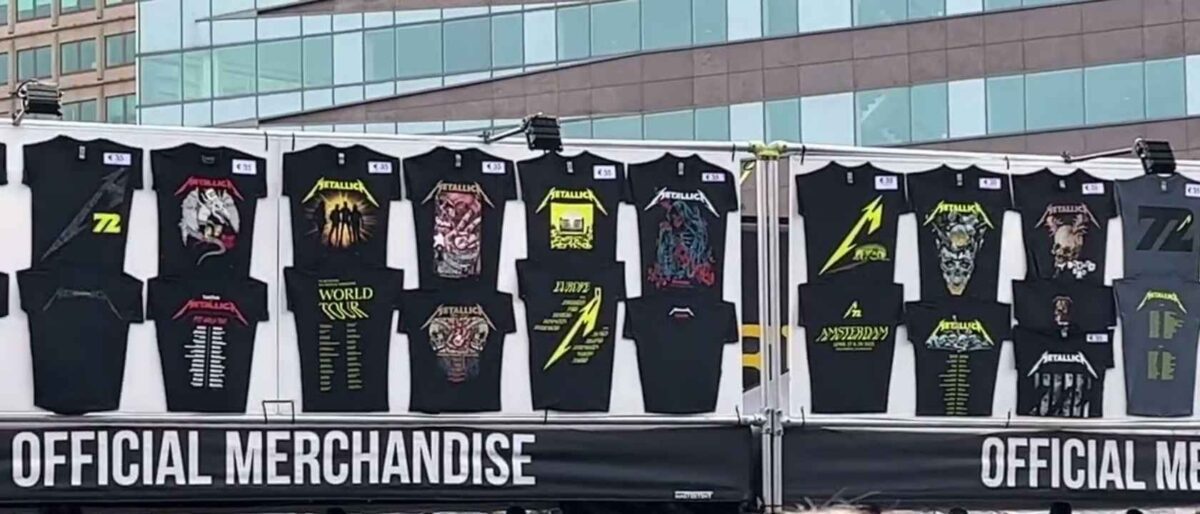
For fans, the music might be the main event—but the merch? That’s the memory they take home, wear to brunch, and flex on Instagram. In today’s touring world, merchandising isn’t just a table at the exit—it’s an experience in itself. A well-planned merch strategy can be a tour’s cash cow *and* its cultural footprint.
First off, let’s talk exclusive merch drops per city. Want that limited-edition tee that only dropped in Chicago? Better be there—or pay resale prices later. Artists are leaning into scarcity to create hype, drive attendance, and reward their most loyal fans. Each city becomes a collector’s chapter in the tour’s timeline.
Then there’s the rise of pop-up shops and interactive booths. These aren’t your grandma’s folding tables. Think neon-lit merch havens with photo ops, limited drops, customization stations—even augmented reality features. It’s where fan culture and fashion meet in one sweaty, euphoric line outside the venue.
In a digital twist, collectibles and NFTs are joining the merch table—minus the table. Fans can score digital tour passes, exclusive audio clips, or animated poster art. Fan clubs often get first dibs, plus other perks like presale codes, shout-outs, or virtual hangouts.
And for those who want the red carpet rolled out, there are VIP experiences. We’re talking backstage passes, signed setlists, soundcheck access, and intimate Q&A sessions. Some even include a tour of the dressing rooms—yes, really. These packages sell out faster than GA tickets and can triple the per-fan revenue.
Don’t overlook the power of localized merch. Shirts with city names, venue prints, or national flag colors create instant connection. It’s the difference between “I went to the show” and “I was there *that* night.” Fans love showing off their tour stop like it’s a badge of honor—and the merch turns moments into mementos.
Merch is no longer a sideshow—it’s a main act of its own. It’s part fashion, part fandom, and 100% business-savvy. And for fans? It’s wearable proof they lived something unforgettable.
The Endgame: Wrapping Up and Evaluating
When the final confetti settles and the buses roll into storage, the tour may be over—but the work isn’t. The encore applause fades, but behind the scenes, it’s time for calculators, debriefs, and a deep dive into what worked… and what didn’t. Because a world tour doesn’t end with a bow—it ends with a breakdown (the business kind).
First up is financial reconciliation. Every expense gets tallied. Every ticket sale gets traced. The team pores over profits, losses, and royalty distributions like it’s tax season on steroids. Did the merch margins match projections? Were VIP packages worth the logistics? Did any cities end up costing more than they made? This is where the champagne fizz meets the spreadsheet.
Next comes a detailed review of tour data: attendance per city, social media engagement spikes, merch sales per head, and even fan feedback from meet-and-greets. The goal? Understand what resonated. Which songs lit up the crowd? Which venues crushed it? Which TikTok clip turned into a marketing miracle?
Meanwhile, the cameras didn’t stop rolling. Archiving footage—from backstage to drone shots of sold-out stadiums—is now standard practice. That treasure trove can feed future documentaries, concert films, or deluxe album editions. It’s content gold, waiting to be cut, captioned, and turned into a second wave of fan engagement.
And finally, the million-dollar question: what’s next? Some artists drop a live album to ride the tour’s momentum. Others retreat to the studio, riding the creative high. Some vanish for a while—resting, writing, recalibrating. The tour’s end is rarely an end. It’s more like a comma in a long, loud sentence of artistry.
Closing a tour is about more than packing up gear. It’s reflection, recalibration, and reinvention. Because when one tour ends, another idea usually starts humming quietly in the background—ready to take center stage all over again.
Conclusion: The Tour Behind the Triumph
From afar, a world tour looks like pure magic—lights flashing, fans screaming, music pulsing like a heartbeat shared by thousands. But now you know: behind every epic moment is a mountain of planning, precision, and pure hustle. What fans witness on stage is only the shimmering surface of a deep, dynamic machine humming behind the curtain.
It’s more than just moving from city to city. It’s a strategic operation involving legal mazes, creative vision boards, budget spreadsheets, and real-time adaptability. It’s a marriage of left brain and right—where financial acumen meets artistic fire, and logistics meet lightning bolts of inspiration.
World tours don’t happen by accident. They’re built—piece by piece, beat by beat—by teams of experts fine-tuning every detail. From the setlist to the spotlight, the insurance clause to the encore, every second is designed, debated, and delivered with near-obsessive precision.
So next time you’re singing along under the strobe lights, remember this: the show is just the tip of the iceberg. The real spectacle? It’s all the invisible work that makes it possible. Magic may steal the moment—but machinery makes it last.