What It’s Really Like to Tour as a Performer
June 6, 2025
How Presale Concert Codes Work (2026 Guide for Fans)
June 11, 2025How Online Ticketing Platforms Actually Work in 2026
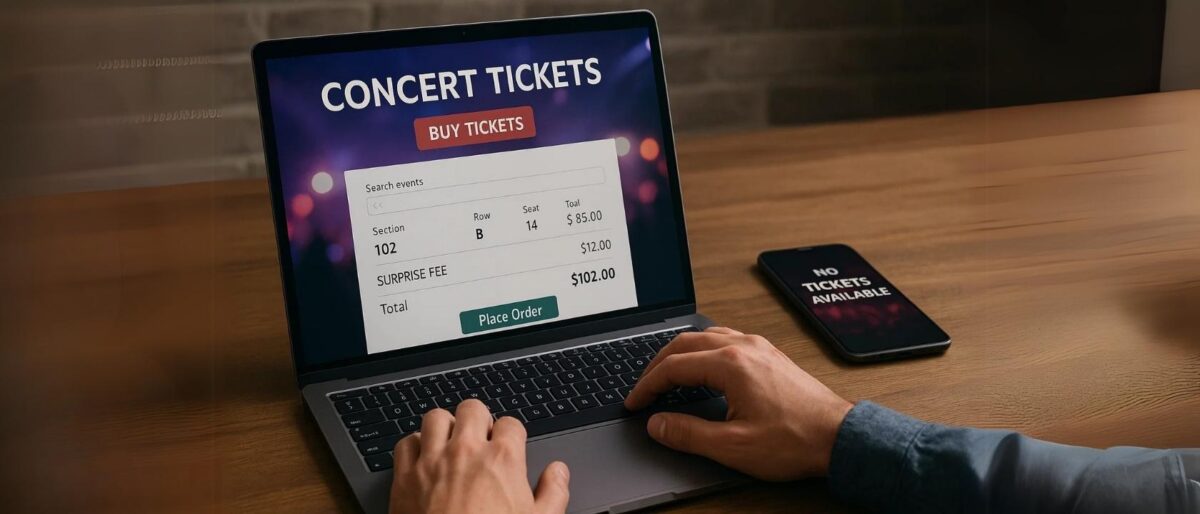
Ever tried to buy concert tickets online and thought, “Why is this so complicated—and expensive?” You’re not alone. From surprise fees to vanishing seats, ticketing platforms can feel like a mystery box. But behind the screens lies a finely tuned system. Let’s break down how it really works.
What Is an Online Ticketing Platform?
An online ticketing platform is a digital marketplace that sells and manages access to live events—concerts, theater shows, festivals, sports, and everything in between. It’s your virtual box office, open 24/7, letting you snag tickets without standing in line or dialing a call center.
Their core function is simple on the surface: list available tickets, process transactions, and deliver those tickets electronically. But under the hood, these platforms juggle inventory control, pricing, fraud protection, marketing, and even customer support.
Some of the most recognizable platforms include Ticketmaster, AXS, Eventbrite, See Tickets, SeatGeek, and Dice. Each one serves different niches—Ticketmaster dominates arena tours, while Dice focuses on indie gigs and mobile entry. Eventbrite leans into DIY events and festivals, offering tools for smaller organizers.
There are two main types of platforms:
- Primary platforms sell tickets directly from the event organizer, venue, or artist. You’re buying fresh from the source—sometimes with access to presales or official VIP packages.
- Secondary platforms (also known as resale marketplaces) let fans or brokers resell tickets they’ve already purchased. These include sites like StubHub and Vivid Seats—or resale sections within primary sites like Ticketmaster.
Whether you’re buying first dibs or grabbing someone’s extra seat, you’re still using a platform that’s balancing demand, timing, and tech—all in real time.
User Flow: What Happens When You Buy a Ticket
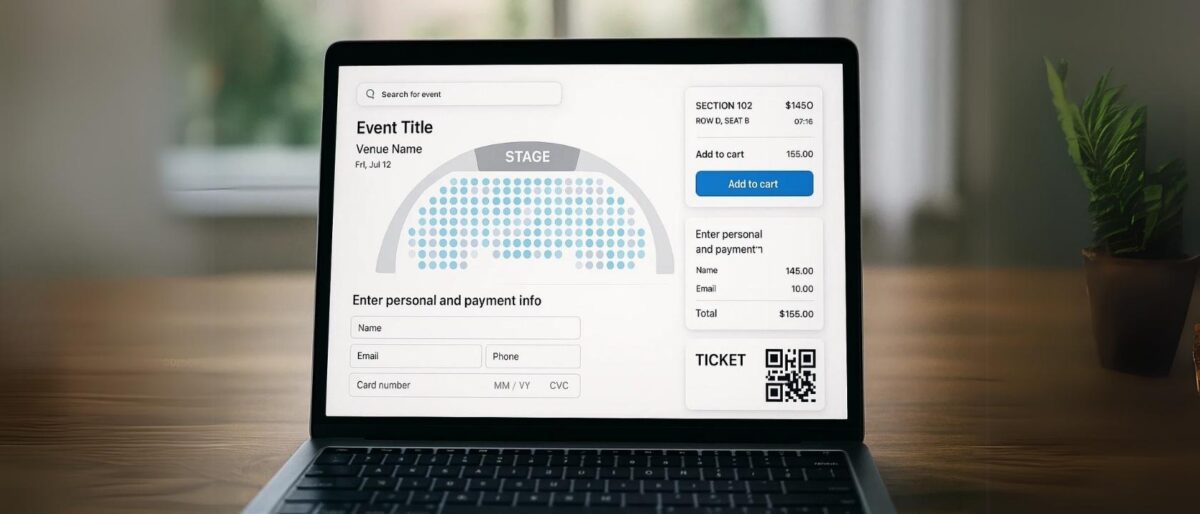
Buying a ticket online might seem like a quick click, but under the hood, it’s a multi-step, high-stakes sprint—especially for high-demand events. Here’s how it really unfolds, step by step:
- Search for the event: You head to a platform, type in the artist or venue, and browse available dates. Some platforms use algorithms to highlight popular or trending shows first.
- Select your seat or ticket type: Choose from general admission, assigned seats, VIP tiers, or accessible options. Some systems use interactive seat maps; others are a straight list.
- Add to cart: Once selected, most platforms start a countdown timer—usually 5 to 10 minutes—to hold your spot. If you don’t check out in time, you’ll lose the ticket to the next person in line.
- Price calculated: This is where things get real. The platform adds service fees, facility charges, processing costs, and—if demand is high—triggers dynamic pricing that adjusts the ticket cost based on real-time interest. That $85 seat? Now $145.
- Enter personal and payment info: You’ll fill in your name, email, phone, and credit card details. Some platforms offer express checkout or saved payment options. Others require you to log in first.
- Ticket issued: Once payment clears, your ticket is delivered via email, app download, or added to your Apple/Google Wallet. Most now use QR codes, rotating barcodes, or app-specific IDs to prevent fraud or duplication.
But for hot events? That flow gets messier. Enter the dreaded waiting rooms, queue systems, and CAPTCHAs. These tools are designed to manage traffic and keep bots out. You might enter a virtual line 10,000 people deep—or get held in a “waiting room” that never lets you through. It’s not personal—it’s crowd control meets cyber defense.
The goal is a secure, fair process—but when demand explodes, even the best systems buckle. That’s why planning ahead, logging in early, and refreshing smartly (not obsessively) matters more than most people realize.
Behind the Curtain: How the Technology Works
Behind every smooth ticket transaction is a tech engine running at full throttle—especially during high-stakes moments like Beyoncé ticket drops or festival presales. These platforms aren’t just websites. They’re complex, cloud-powered ecosystems built for speed, scale, and security.
First up: cloud-based architecture. Ticketing platforms use cloud computing to handle sudden traffic spikes. Think of it like auto-expanding highway lanes—when 200,000 fans try to buy tickets at once, the system spins up extra server space in real time to keep things running. Without it? Instant crash.
Then there’s the role of APIs (application programming interfaces). These digital bridges connect the ticketing platform to venues, artist management teams, promoters, and even third-party tools (like seating maps or ticket insurance). When an artist adds a date, that info flows through the network—instantly and everywhere.
Security is the next big piece. Platforms use end-to-end encryption to protect personal and payment data, plus bot-detection tools to fight scalpers. CAPTCHA systems, IP tracking, and rate-limiting keep most fake accounts out. Some even use rotating QR codes or time-based barcodes to prevent screenshots from being resold.
And let’s not forget the marketing layer. Every search, click, and abandoned cart feeds into CRM (customer relationship management) tools. Platforms track your music preferences, event interests, and buying behavior to send tailored reminders, promos, and “You might like this” nudges. That’s why the show you Googled once keeps following you across the internet.
From server stacks to seat maps, the tech behind ticketing is a delicate balance of performance, partnership, and paranoia. And when it works right? You don’t notice any of it—you just get your ticket.
Dynamic Pricing and Inventory Control
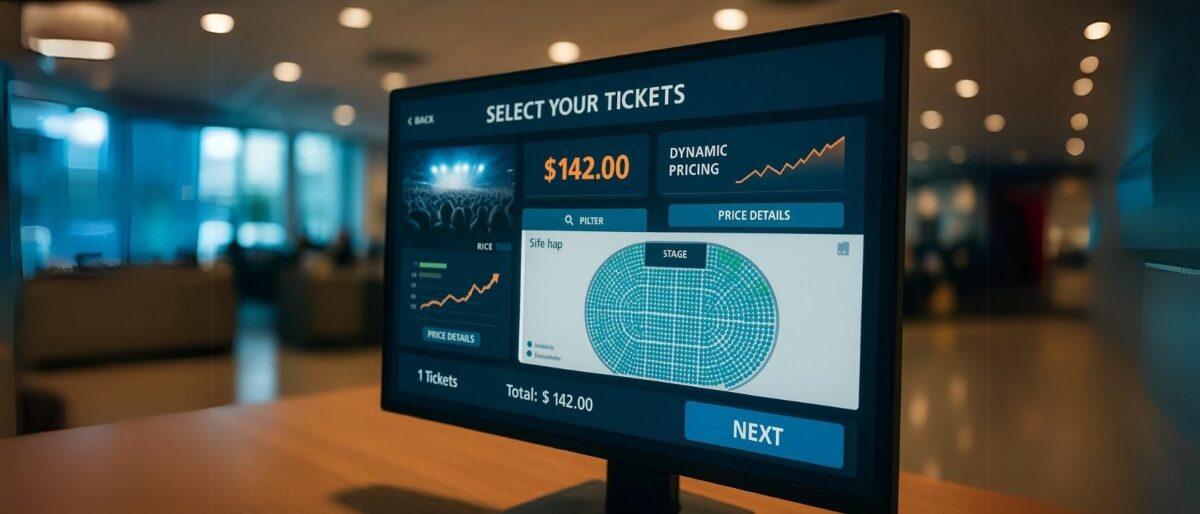
If you’ve ever watched ticket prices jump $50 in under a minute, you’ve already met dynamic pricing. It’s the same strategy airlines and hotels use—pricing that adjusts in real time based on demand. And in ticketing? It’s become the norm, not the exception.
Here’s how it works: as interest in an event rises—more clicks, longer queues, faster sell-through—the system automatically raises prices. Demand-driven algorithms detect how many people are vying for specific seats and adjust accordingly. The logic is simple: if people are willing to pay more, the price goes up. Fast.
This doesn’t just apply to front-row seats. Even nosebleeds can see a spike if inventory starts to thin out. The pricing curve isn’t always visible to buyers—but trust that it’s happening behind the curtain, moment to moment, click by click.
Meanwhile, ticketing platforms use real-time seat map syncing to make sure what you see is actually available. When someone selects a seat, it’s instantly marked as “held” to avoid double-booking. If they don’t check out in time, it’s released back into the pool.
And then there’s inventory control. Events don’t just open the floodgates all at once. Tickets are split into different categories: presales (fan clubs, credit cards), VIP packages, general admission, accessible seating, industry holds, and more. Each bucket has a cap, and those caps can shift leading up to the event.
So when it feels like the best seats disappeared before the sale even started—it’s probably because they were already locked into another tier. It’s not just about selling tickets. It’s about managing access, price, and pace to maximize revenue while still avoiding a total meltdown.
Fees Explained: Where That Extra $30 Goes
You pick your seat, click “Checkout,” and boom—your $75 ticket is suddenly $105. Where did that extra $30 come from? Welcome to the murky world of ticketing fees, where the final price often feels like a surprise party no one asked for.
Let’s break it down. Here are the most common types of fees you’ll see at checkout:
- Service fee: This is the big one. It’s the platform’s cut for maintaining the website, customer support, security, and transaction systems. Think of it as the digital handling charge—but it can be as high as 25% of the ticket price.
- Processing fee: This fee covers payment processing—credit card transaction costs, fraud protection, and bank charges. Usually a few bucks, but it adds up fast, especially on multi-ticket orders.
- Facility fee: Charged by the venue itself, this fee helps cover the cost of operations—like security, cleaning, and staff. It’s often flat-rate and non-negotiable, whether you buy online or at the door.
- Order fee: A smaller, per-order charge (not per ticket), often used by platforms to recoup basic overhead. It might be labeled as a “handling” or “convenience” fee.
So who’s actually pocketing that money? It’s split—sometimes in ways that aren’t fully transparent:
- The ticketing platform (like Ticketmaster or AXS) usually takes the largest share of service and processing fees.
- The venue gets the facility fee and possibly a cut of other fees, depending on the contract.
- The promoter may receive a percentage or flat fee from each ticket to cover marketing and booking expenses.
- The artist? They typically only see revenue from the face value—unless they’ve negotiated fee-sharing (which is rare).
In short, those extra dollars are less about luxury and more about logistics. It’s a pie sliced many ways—and fans usually end up footing the bill for the entire kitchen.
Primary vs. Secondary Markets
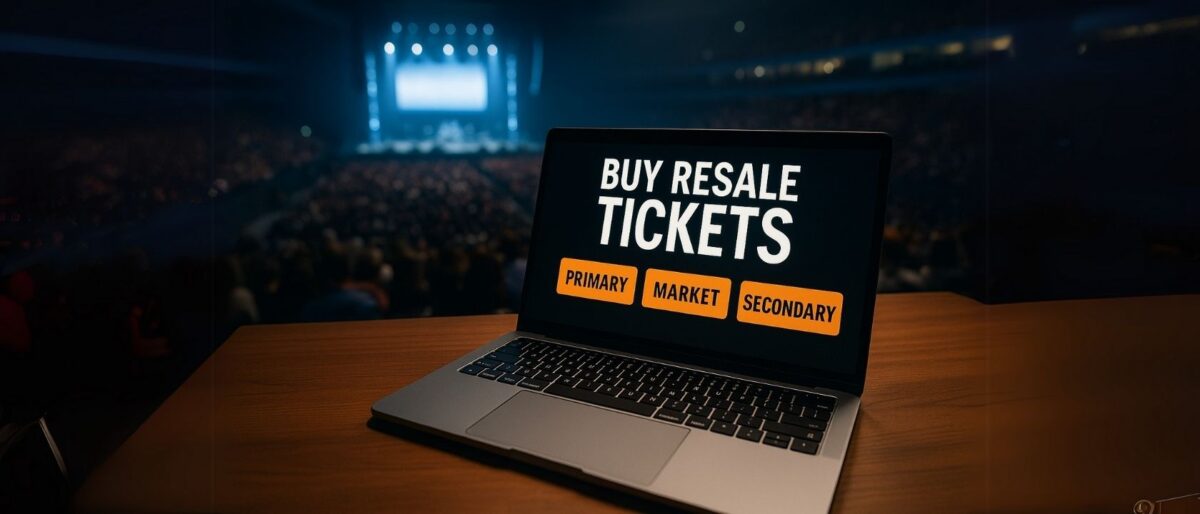
In the ticketing world, not all sales come from the same source. Whether you’re buying directly or getting someone’s cast-off seat, it matters. Let’s clear up the difference between the primary and secondary ticket markets—and why the line between them is blurrier than ever.
The primary market is where tickets are sold for the first time—straight from the artist, promoter, or venue via platforms like Ticketmaster, AXS, Eventbrite, or See Tickets. You’re buying at face value (plus fees), and your spot is guaranteed. Presales, fan club access, and VIP packages all live here. Once they’re gone, they’re gone… or so it seems.
Enter the secondary market—also known as resale. Platforms like StubHub, SeatGeek, and Vivid Seats allow ticket holders to resell their tickets, often at higher prices. It’s supply and demand in full swing. Someone can buy two seats for $100 each and list them the same day for $300 each if the show heats up.
To add to the confusion, many primary platforms now host their own “verified resale” listings. This means you can buy a resold ticket on the same site as the original sale, with a guarantee that it’s legit. Sounds convenient—but it also opens the door to price gouging within the official system itself.
And here’s where it gets messy. The secondary market has been criticized for bot abuse, inflated pricing, and lack of transparency. Scalpers use bots to scoop up tickets during the initial sale, then flip them for profit within minutes. Fans lose out. Real demand gets distorted. And the artist? They rarely see a penny of that markup.
Is resale always bad? Not necessarily. Sometimes it’s the only way to get in. But the ethics, pricing, and fairness of it all? Still a major conversation—and a long way from being solved.
The Role of Bots and Anti-Scalping Tech
Ever clicked into a presale the second it opened—only to find every good seat already gone? That’s likely the work of scalper bots. These automated programs can out-click humans by a mile, snapping up tickets in milliseconds and flooding the resale market before most fans even load the page.
Scalper bots are designed to simulate human behavior at inhuman speed. They can bypass waiting rooms, auto-fill forms, and check out hundreds of tickets at once. They operate across multiple browsers, multiple accounts, and even fake identities—basically doing everything short of pushing you out of your own chair.
In response, ticketing platforms have rolled out a mix of anti-scalping tools to slow the onslaught. These include:
- CAPTCHAs — the “select all fire hydrants” test to prove you’re human.
- Ticket limits — restricting the number of tickets per buyer (e.g., max 4 or 6).
- IP blocking — identifying and restricting suspicious activity from specific internet addresses.
- Identity verification — requiring accounts to match names, emails, or even government IDs for high-profile events.
Do these tactics help? Yes, to a degree. They can slow down or flag suspicious behavior. But they’re not foolproof. Sophisticated bots evolve to mimic human inputs and get around these systems. And when the stakes are high—like a global tour or limited festival—they still flood the system faster than real fans can blink.
Legislation like the U.S. BOTS Act exists, but enforcement is spotty. Platforms are trying, but the reality is: the tech arms race continues. And for now, the bots still win more than they should.
Mobile Tickets and the Death of the Printout
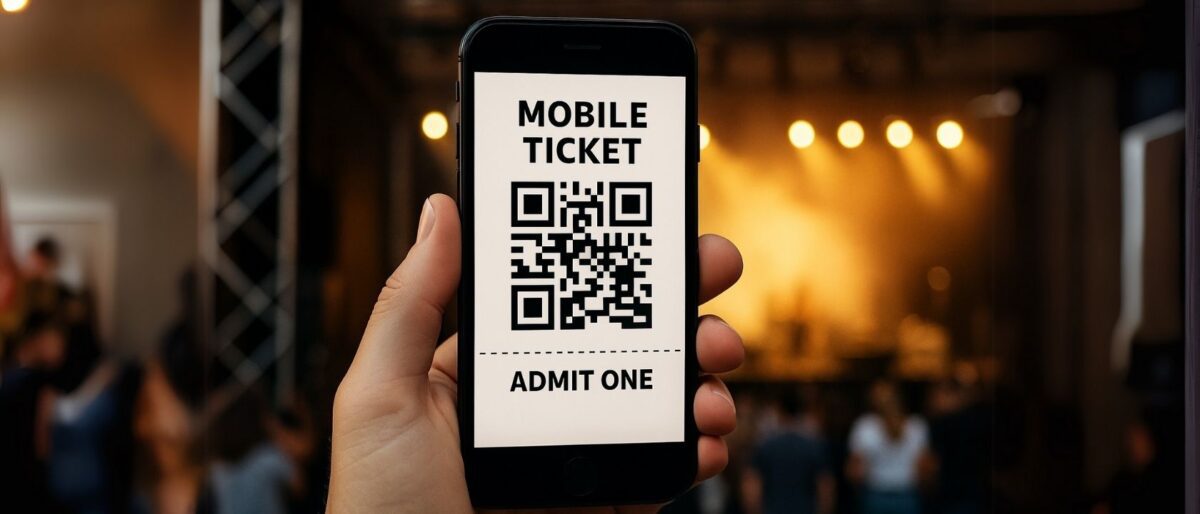
Gone are the days of proudly pinning a printed ticket to your fridge. Now? It’s all in your phone. The rise of app-based ticketing has transformed how we get into shows, with platforms like Ticketmaster’s SafeTix, Apple Wallet, and Google Pay leading the charge.
These digital tickets aren’t just PDFs—they’re smart, dynamic, and built for security. Most use QR codes or rotating barcodes that refresh every few seconds, making them nearly impossible to screenshot and resell. This helps crack down on counterfeit tickets, a huge win for both fans and artists.
The pros? They’re convenient, hard to lose, and impossible to leave in your jeans pocket during laundry. Need to transfer your ticket to a friend? It’s often just a couple taps. And some apps even send real-time alerts about set times, parking, or venue changes—which would’ve been printed on a static ticket days ago.
But it’s not all roses. No phone? Dead battery? Spotty Wi-Fi? You’re stuck. Digital-only entry means access is tied to your tech. Older fans or those without smartphones are often left scrambling. And forget printing a keepsake for your scrapbook.
Still, the writing’s on the wall—or rather, in the app. Mobile ticketing is the new normal, for better or worse. The printout isn’t just fading—it’s practically fossilized.
Data, Tracking, and Fan Profiling
Think you’re just buying a ticket? Think again. You’re also handing over a goldmine of personal data. Online ticketing platforms don’t just process your payment—they track, log, and remember everything about how you got there and what you clicked.
At a bare minimum, you give up your name, email, device info, and payment method. But it goes deeper. Platforms track what events you view, how long you stay on a page, which artists you follow, what cities you search in, and how often you hover over that VIP upgrade. They build a profile, and that profile becomes marketing currency.
Ever browse a concert once, then see ticket ads chasing you across the internet for days? That’s retargeting at work. Cookie-based tracking plus pixel tools let platforms and partners remarket aggressively—even if you never actually hit “buy.” It’s like your FOMO gets monetized in real time.
But here’s the rub: opting out isn’t always straightforward. Sure, you can unsubscribe from emails, but fully escaping tracking can be tricky. Most sites bury privacy settings or limit how much data you can control without sacrificing access to features. And while many claim to anonymize your data, they’re still profiling your behavior to boost conversions.
So yes, you’re more than a customer—you’re a data point. And in an industry where demand predicts price, that profile you didn’t know you were building? It’s helping shape how much you’ll pay next time.
Who Really Controls the Tickets?
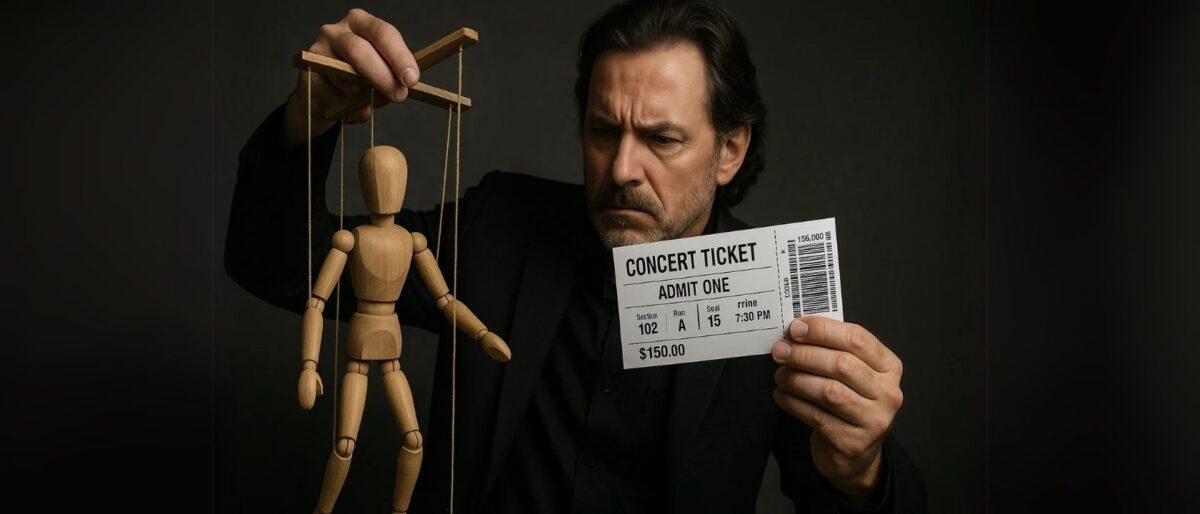
Here’s the kicker that most fans don’t realize: the ticketing platform isn’t the one calling all the shots. Sure, they deliver the ticket and collect your cash, but when it comes to pricing, availability, and access rules? That power lies elsewhere—mostly in the hands of promoters, venues, and artists themselves.
Promoters and artists are the real puppet masters. They decide how many tickets go on sale, what they cost (including VIP tiers), and when they drop. Want to know why a $50 face-value ticket suddenly costs $150 at checkout? It’s usually not just the platform’s fees. Dynamic pricing, tiered access, and inflated “platinum” options are all decisions made with (or by) the artist’s team and tour promoter.
Then there are the infamous ticket holds. These are blocks of tickets held back from the general sale. They’re earmarked for fan clubs, credit card presales (hello, Amex!), media partners, radio contests, industry insiders—you name it. Sometimes more than half the venue is already spoken for before “public” tickets even go live. And no, those “leftovers” aren’t always the good seats.
So what does the platform do? Mostly, they execute. They run the site, manage the queue, process payments, and deliver tickets. Yes, they get a cut. And yes, they build the tech. But the inventory control and pricing strategy often comes from higher up the chain.
In other words: if you’re frustrated by what’s available—or how much it costs—blame the system, not just the seller. The platforms are the face, but they’re not always pulling the strings.
Current Challenges and Criticism
Let’s be real: online ticketing platforms are under fire—and not without reason. For many fans, buying tickets in 2025 feels less like clicking a button and more like competing in a digital Hunger Games. And behind the scenes? Things are just as messy.
At the center of the storm is Ticketmaster, long accused of wielding monopolistic power. Its merger with Live Nation made it the Goliath of the ticketing world, controlling not only the sale of tickets, but also many of the venues and tours themselves. Lawsuits and antitrust investigations have followed, with critics claiming the company’s dominance stifles competition and squeezes consumers.
Then there’s the issue of transparency—or lack thereof. Ticket prices are rarely what they seem. You think you’re paying $100? Surprise—fees balloon that to $145 at checkout. This shell game has sparked frustration from fans and lawmakers alike, pushing for clearer breakdowns and upfront pricing models.
Technology is another barrier. Platforms assume fans have fast Wi-Fi, smartphones, and the patience to wait in virtual lines. But for those with limited tech access or unstable internet—especially in rural areas—it can be nearly impossible to secure a seat. Accessibility isn’t just about ramps and captions anymore—it’s digital, too.
And don’t even get started on dynamic pricing and surge models. When demand spikes, prices skyrocket in real-time. It’s great for maximizing revenue, but brutal for everyday fans. Artists like Bruce Springsteen and The Cure have pushed back publicly, calling it exploitative—and they’re not alone. More and more, fans feel like they’re bidding on memories rather than simply buying them.
The bottom line? While ticketing platforms are essential, they’re also flawed. And the louder the criticism gets, the more pressure there is to clean up the act.
Innovations and What’s Next
If online ticketing feels broken now, the next decade might just flip the whole script. Technology isn’t just patching leaks—it’s poised to redesign the entire experience. From how we buy to how we enter, the future of ticketing is smarter, safer, and (hopefully) fairer.
One major shift? Blockchain-based ticketing. Instead of barcodes you can screenshot and resell, think NFT-style digital tokens—unique, traceable, and tamper-proof. Artists like Kings of Leon and festivals like Coachella have already dabbled in it. These tokens could include perks like exclusive content or merch access, and best of all, they can lock down resale abuse with smart contracts.
Then there’s face-scanning entry. No more digging for your phone or worrying about low battery. This tech, already in use at some sports stadiums and airports, links your biometric data to your ticket. It’s speedy, contactless, and reduces the risk of fraud—but comes with privacy questions that still need clear answers.
What about the buying process? Platforms are testing fairer queueing systems and fan verification tools. That includes ID checks, behavior tracking, and loyalty programs that reward actual fans over scalper bots. Dice, for example, uses locked-to-phone tickets and a waiting list system that feels more human and less chaotic.
And yes, personalization is coming in hot. Algorithms will soon predict which shows you’re likely to attend, what price point you can afford, and when you’re most likely to buy. It’s creepy—but also kind of helpful. Imagine getting presale alerts tailored to your music taste and budget, rather than generic blasts.
All this innovation isn’t just about smoother checkouts—it’s about restoring trust. Because if concert culture is going to thrive, ticketing has to feel less like a trap and more like an invitation.
Conclusion: Transparency, Trust, and the Future of Ticketing
Let’s face it—online ticketing is more maze than marketplace. Between hidden fees, digital-only entry, and price spikes that feel like daylight robbery, it’s easy to feel like the system’s rigged. But here’s the thing: the more you understand how it works, the better your chances of beating it at its own game.
From dynamic pricing that mimics Wall Street to anti-bot tech that’s still catching up, ticketing platforms are a mix of innovation and irritation. Add to that the tug-of-war between primary sellers and resale giants, and you’ve got a system that’s transparent only if you squint hard enough.
So what can fans do? Research before you buy. Know the difference between primary and secondary markets. Compare platforms. Set alerts. Use fan presales when you can. Double-check refund policies. And always, always read the fine print—even if it’s the size of a toddler’s pinky toe.
Because here’s the truth: buying a ticket shouldn’t feel like gambling. It should feel like what it is—a gateway to a moment you’ll never forget. And the more power we reclaim as fans, the better the experience becomes for everyone. The tech is evolving. Let’s make sure fairness evolves with it.