Hamilton vs Wicked: Which Broadway Show Should You See First?
May 28, 2025
How to Safely Buy Event Tickets on Your Phone (Guide)
May 29, 2025Improv vs Stand-Up
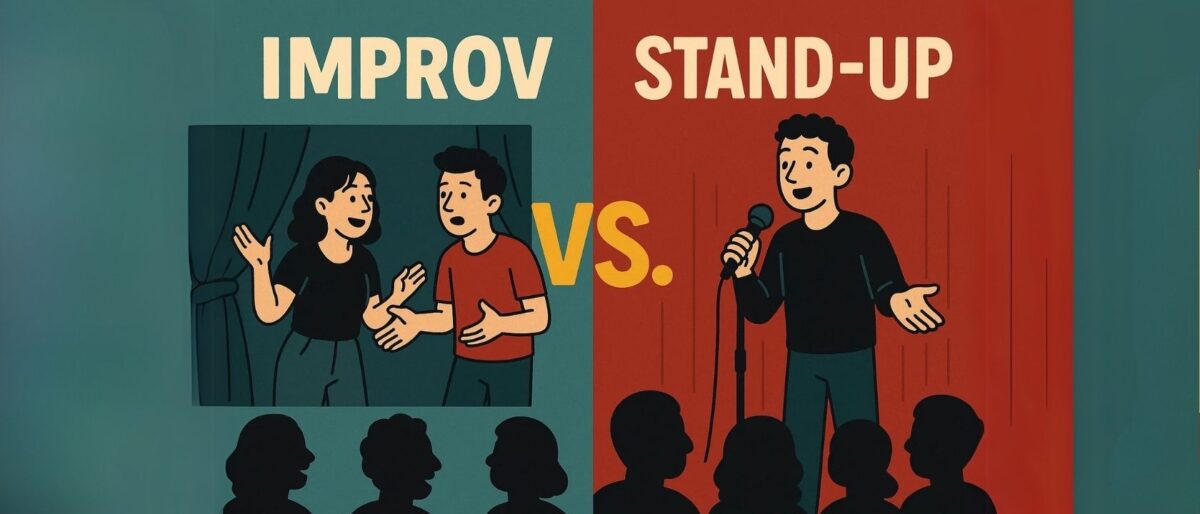
Ever found yourself cracking up at a comedy show and wondering—was that all planned? Or made up on the spot? Welcome to the delightful debate between improv and stand-up comedy. These two comedic cousins serve up laughs in wildly different ways. Let’s dig into what really sets them apart.
Definition Breakdown: What Are They?
Before we dive into laughs and punchlines, let’s pin down the basics.
Improv (short for improvisational comedy) is a freewheeling, off-the-cuff performance. There’s no script, no safety net—just quick wit and group chemistry. Most scenes are created in real time based on audience suggestions or random prompts. It’s unpredictable, chaotic, and absolutely electric when done well.
Stand-up comedy is a one-person show with crafted jokes, polished timing, and rehearsed delivery. Comedians spend weeks—sometimes years—honing their sets. Every word, pause, and punchline is intentional. It’s all about one performer commanding the stage, mic in hand, making you laugh from a crafted point of view.
Here’s a quick cheat sheet to help you see the contrast:
| Element | Improv | Stand-Up |
|---|---|---|
| Scripted? | No, spontaneous | Yes, pre-written |
| Performer Style | Usually a group | Solo act |
| Audience Input | Often required | Rarely used |
| Structure | Fluid scenes | Set list & punchlines |
Same goal—laughter. Very different routes to get there.
Structure and Script: Planned vs. Unplanned

The biggest fork in the comedy road? Preparation.
Stand-up is all about structure. Comics build a set like a songwriter writes an album—each joke has a setup, a build, and a punchline. Some use callbacks, segues, and thematic arcs to keep the audience engaged. Timing is everything. Even the pauses are planned. It’s less “winging it” and more “well-oiled machine.”
Improv, on the other hand, thrives on the unexpected. Performers enter a scene with nothing but their instincts. A single word from the audience—“banana,” “divorce,” “spaceship”—can spark a full-blown skit. Instead of punchlines, you get discovery. The comedy flows from creativity, trust, and lightning-fast reactions to what just happened seconds ago.
It’s like comparing jazz and classical music. Stand-up is composed, precise, and rehearsed. Improv is spontaneous, collaborative, and unpredictable.
Each demands different mental muscles. Stand-up leans on timing, memorization, and voice. Improv calls on adaptability, imagination, and teamwork. Both are brilliant—but very different beasts.
Performance Style and Pace
Here’s where comedy reveals its true rhythm—some shows feel like a rollercoaster, others like a jazz solo with surprises around every corner.
Stand-up has a calculated cadence. Think of it like drum beats and cymbal crashes: setup, build-up, punchline—then repeat. Great comedians sculpt the timing for maximum impact, holding tension until the moment is just right. It’s a deliberate, rhythmic ride with a payoff every few seconds or minutes. You can feel the wave coming—and when it hits, the room erupts.
Improv doesn’t follow that neat beat. It’s loose, wild, and built on team dynamics. One player might set something up, another jumps in with a twist, and suddenly it’s a scene about alien penguins running a law firm. The pace can shift from deadpan slow burns to rapid-fire absurdity. It’s fluid, chaotic, and full of unexpected bursts.
From the audience’s seat, stand-up feels like a steady climb to a killer view. Improv? Like watching fireworks—you don’t know where the next boom will land, but you’re grinning through the surprise. One builds laughs. The other explodes with them.
Team vs. Solo Energy
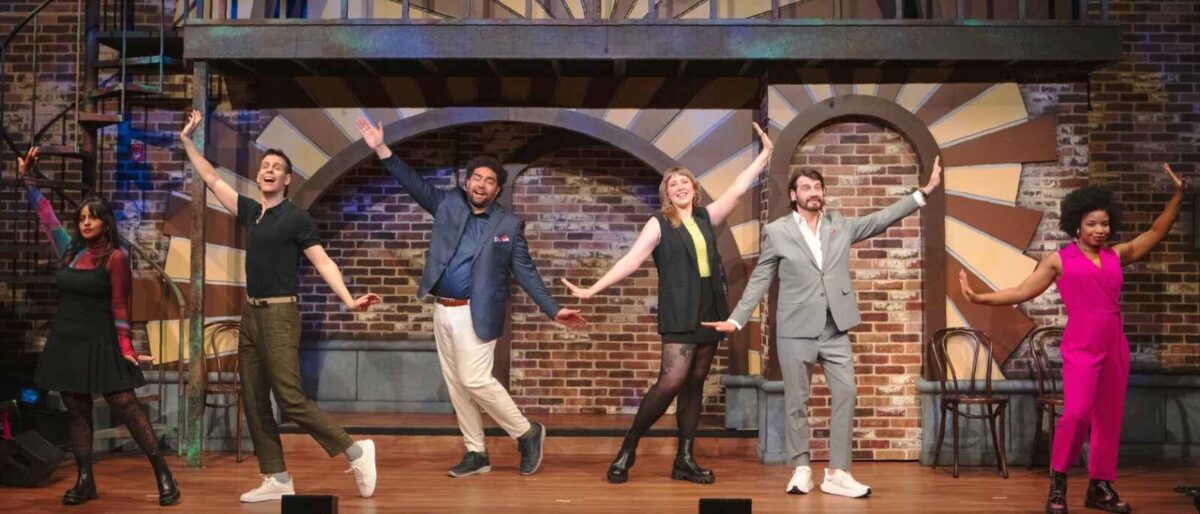
In comedy, how you share the spotlight can make all the difference—whether you’re flying solo or riding the wave of group dynamics.
Stand-up is a one-person show. One mic, one spotlight, one brain working overtime. The comic brings their worldview, their timing, their voice—everything rides on their ability to command the room. When it works, it’s electric. When it doesn’t? There’s no one to toss the ball to. The pressure’s all on the performer, and some thrive under that heat.
Improv is more like a jazz band than a soloist. It’s ensemble-driven, and chemistry is key. Performers must trust each other completely, building jokes together like stacking blocks—one person sets the scene, another adds the absurd twist, and someone else brings the punch. The energy bounces across the stage, and even mistakes can become gold if the group rolls with it.
So what’s tougher? That depends. Stand-up demands laser focus and complete ownership. Improv requires trust, teamwork, and the ability to pivot in real time. One is a solo sprint, the other a team sport with no playbook.
Audience Involvement
Ever shouted out a random word and watched a scene about astronaut baristas unfold before your eyes? If so, you’ve probably witnessed improv’s love affair with the audience.
Improv thrives on audience input. That weird suggestion you blurt out—“pickle factory,” “haunted yoga retreat,” “Taylor Swift as a pirate”—can shape the entire scene. The performers take what they’re given and roll with it, using the golden rule of improv: “Yes, and…”. It’s about embracing the unexpected and building something hilarious together. In this way, the audience becomes a co-creator of the comedy.
Stand-up is more of a guided tour. You’re there to listen, react, and—ideally—laugh. The material’s been rehearsed, timed, and tested. While some comedians love riffing off the crowd (aka “crowd work”), that’s the seasoning, not the stew. Your job as an audience member? React, don’t rewrite.
So, the difference? Improv invites you into the sandbox. Stand-up asks you to sit back and enjoy the ride. Both depend on your energy—but only one might turn your random shout into the night’s biggest joke.
Rehearsal and Repetition

In comedy, how you practice says a lot about how you perform. One world is sculpted like marble, the other’s built on sandcastles at high tide—here today, gone the next.
Stand-up is the art of refinement. Comics write, test, bomb, rework, and rehearse their material to death—then bring it back to life. A solid five-minute set might take months to perfect. Timing, pauses, inflection—it’s all deliberate. They learn what lands and what tanks through trial and error, reading rooms like seasoned mind readers. The goal? Repetition that feels spontaneous.
Improv is the opposite: rehearsal focuses on agility, not content. You can’t rehearse lines you’ll never say again. Instead, improvisers train instincts. They sharpen listening skills, explore character work, and drill the core tenet of “yes, and…” over and over. It’s all about building mental reflexes so when the curtain rises, the funny flows—even if no one knows what’s coming.
If stand-up is about nailing the perfect dish, improv is about cooking without a recipe. One builds sets like bricks; the other builds instincts like muscle memory. Different paths, same goal: make ’em laugh.
Where You’ll See Them
Comedy doesn’t just live in the punchline—it thrives in the space it’s told. And when it comes to improv vs stand-up, the setting isn’t just background noise—it’s part of the experience.
Improv usually calls home to intimate black box theaters, local art spaces, or legendary institutions like UCB, Second City, or The Groundlings. These shows often feel like communal experiments—bare stages, minimal props, lots of laughter bouncing off close walls. You’re not just watching—you’re practically in the joke’s splash zone. It’s a shared vibe, bright energy, and ensemble magic.
Stand-up thrives in dimly lit comedy clubs, basement bars, or big-ticket venues on tour. Picture a lone mic, a brick wall, and the spotlight slicing through smoke. And of course, there’s the modern evolution—Netflix specials and streaming sets that bring club energy into your living room. The focus? One voice, one story, one sharp point of view.
In short: improv feels like a jam session in a living room, while stand-up feels like a solo concert in the dark. Pick your setting, pick your mood, and let the laughter unfold.
Careers and Famous Names
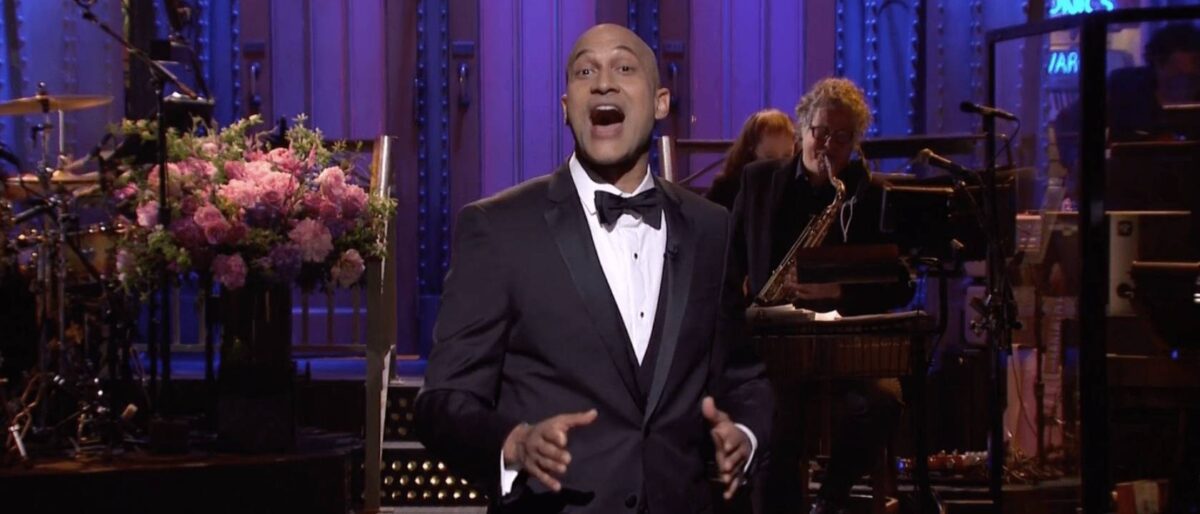
Whether you’re chasing belly laughs or just bingeing Netflix, chances are you’ve already met both sides of the comedy coin—improv heroes and stand-up titans. But while both bring the funny, they often travel very different paths to get there.
Improv has been the launchpad for some of comedy’s most beloved ensemble players. Think Tina Fey, Amy Poehler, Keegan-Michael Key—all alumni of improv powerhouses like Second City and UCB. Their quick-witted style shines in sketch shows like SNL and in sitcoms where chemistry is everything. Improv builds the kind of reflexes and timing that thrive in writer’s rooms and on chaotic sets where no two takes are alike.
Stand-up careers, on the other hand, often orbit around individual voice and perspective. It’s where stars like Dave Chappelle, Kevin Hart, and Ali Wong honed their stories and sharpened their delivery. A killer stand-up set can turn into a viral special, a movie deal, or a sold-out arena tour. It’s the art of commanding a room solo—and making it feel intimate, electric, and unforgettable.
Many comedians jump between both worlds—Robin Williams, Kristen Wiig, and Bill Hader danced both lanes with ease. But whether you’re into sketch, sitcoms, or specials, the comedy roots often trace back to either teamplay or solo hustle.
Which Style Is Right for You (or to Watch)?
Choosing between improv and stand-up is like picking between jazz and a killer playlist—they’re both great, just tuned differently. If you’re wondering which to see first or even try yourself, it all comes down to vibe and taste.
If you love spontaneity and shared surprises, improv delivers. It’s unpredictable, messy in the best way, and driven by team chemistry. The joy is in not knowing what’s coming next—and watching comedians build an entire scene from a random audience suggestion.
If you prefer polished punchlines and clever commentary, stand-up’s your jam. There’s something deeply satisfying about a comic guiding you through their world with surgical wit and storytelling. It’s personal, precise, and often hits with emotional truth wrapped in humor.
Thinking of trying comedy yourself? Improv builds instincts and group trust—perfect for extroverts or anyone working on thinking on their feet. Stand-up is a solo challenge, ideal if you’ve got strong opinions and a knack for writing jokes that land.
In the end, why pick just one? Catch a stand-up special tonight, then hit a local improv show this weekend. Different nerves, different niches—but the laughs are all yours.
Conclusion: Two Roads to the Same Laugh
Improv and stand-up might take different paths, but they both lead to the same destination—laughter. Stand-up is precision-packed, solo-driven, and deeply personal. Improv is collaborative chaos, live-wire energy, and beautifully unplanned.
One crafts its rhythm in notebooks and open mics. The other rides the wave of the moment, with nothing but instincts and yes-and’s. One invites you into a performer’s inner world. The other makes the room a playground where anything goes.
There’s no better or worse here—just different flavors of funny. Whether you love punchlines or pandemonium, you’ll find something to adore. Better yet, go see both live. That’s where the contrast really hits, and where the magic of each style shines brightest.
In comedy, there’s always room at the table. All you need is an open mind and a good laugh.