Wyatt Flores in La Vista, NE on Aug 29, 2025: Tickets & Info
August 22, 2025
What to Do After the Show Ends: Reviews, Photos & Social Media Tips
August 22, 2025Can Broadway Be Political? How Theater Reflects Society
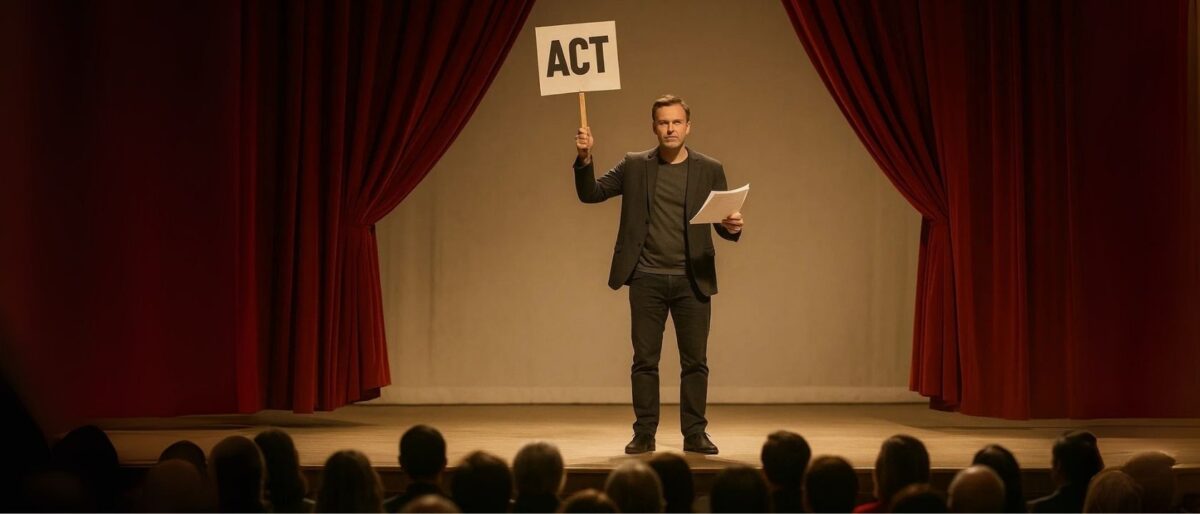
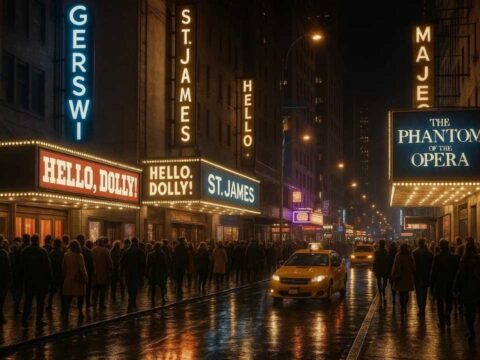
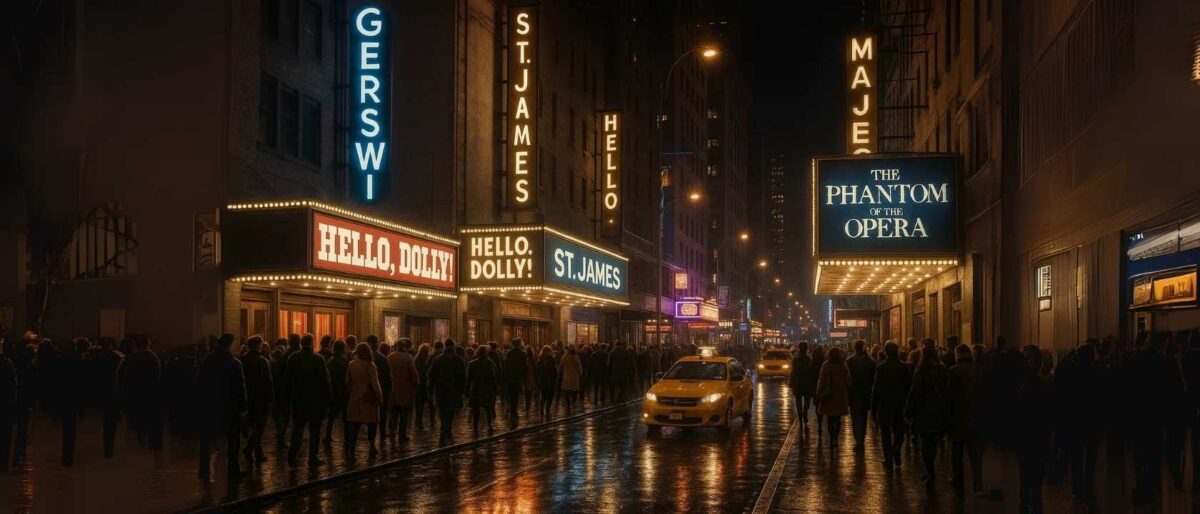
Broadway isn’t only about lights, songs, and spectacle. It can also spark debate, echo struggles, and question power. From historical retellings to stories of injustice, theater reflects society’s pulse. Can a stage be political? Absolutely. Each performance has the potential to challenge, comfort, or change the way we think.
The History of Politics on Broadway
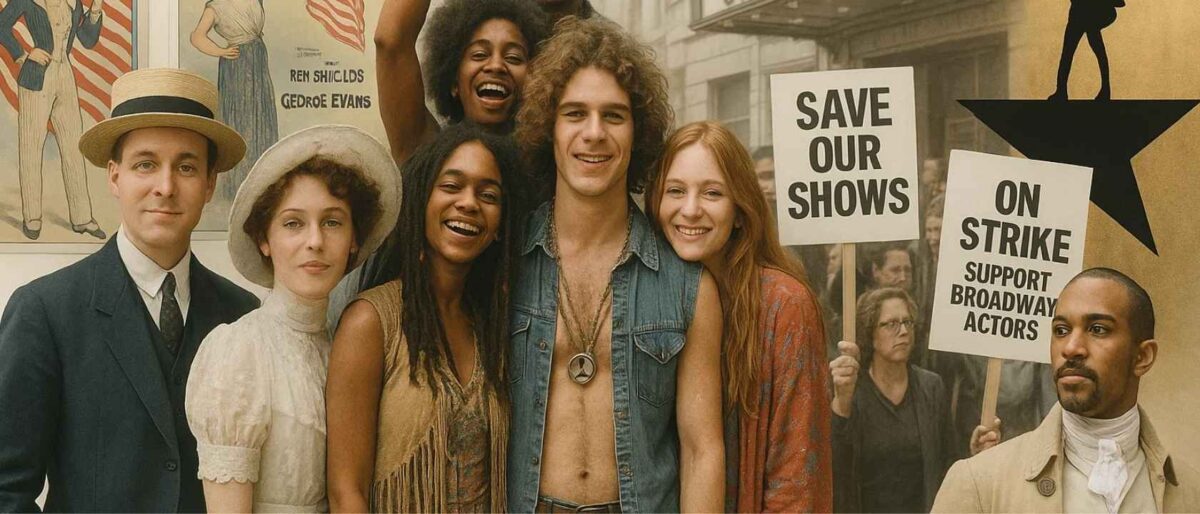
Politics and theater have long shared the same stage. In the early 20th century, Broadway often leaned into patriotic themes or social messages. Musicals and plays of that era rallied pride, boosted morale, and reminded audiences of national identity during uncertain times.
The post-war years brought sharper edges. As America wrestled with civil rights, Vietnam, and cultural upheaval, Broadway mirrored the shifts. Writers used the stage to confront prejudice, war, and generational divides. Productions didn’t shy away from uncomfortable truths, instead inviting audiences to wrestle with them under the spotlight.
Modern decades have gone even further. Political satire found its way into scores and scripts, while shows took on issues of race, gender, inequality, and identity. *Hair* captured the defiance of the 1960s. *The Crucible* used history to comment on hysteria and persecution. *Rent* gave voice to poverty and the HIV/AIDS crisis. *Angels in America* intertwined politics, illness, and spirituality. And *Hamilton* reimagined the nation’s founding with a cast that redefined who tells America’s story.
Each era proves the same point: Broadway doesn’t exist in a vacuum. It reflects the questions, conflicts, and conversations of its time.
How Theater Reflects Society
Theater has always been more than entertainment. It works like a mirror, reflecting back the conversations happening beyond the stage. Characters embody the tensions of their time, and plots echo the debates unfolding in streets, homes, and government halls. Audiences don’t just watch stories—they see fragments of themselves.
Broadway productions often tackle sensitive themes head-on. Racism, class struggle, gender rights, LGBTQ+ identities, and immigration have all been given voice through scripts, songs, and performances. By weaving these issues into dialogue and lyrics, theater transforms abstract conflicts into human experiences that feel urgent and real.
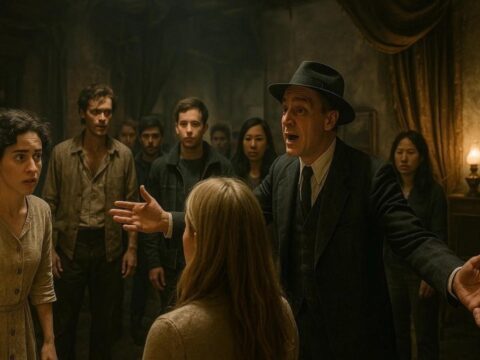
What sets live performance apart is its immediacy. Sitting in a theater, watching a story unfold in real time, magnifies the emotions. A protest onstage feels closer, a love story across social divides feels more intimate, and injustice strikes harder when acted out feet away. This closeness creates empathy, forcing the audience to feel rather than simply observe. That’s why Broadway resonates so deeply—its messages don’t stay in the theater, they linger long after the curtain falls.
Broadway as a Platform for Dialogue
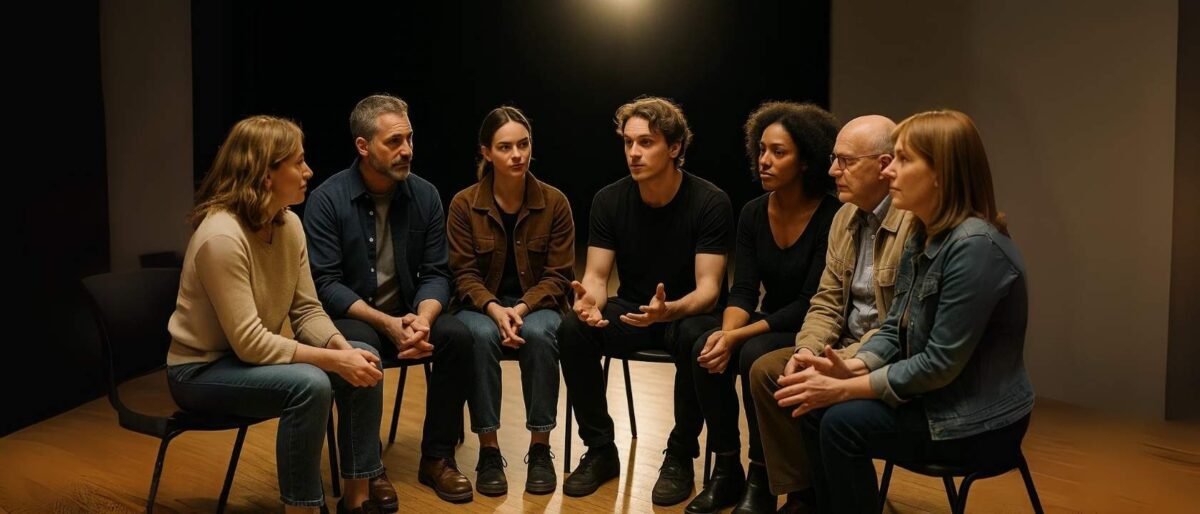
Broadway isn’t only about spectacle; it’s also a space where tough conversations can begin. Theater often creates a kind of safe zone where audiences face challenging subjects together, guided by the story rather than divided by debate. The shared experience softens defenses and opens people up to reflection.
For many productions, the dialogue doesn’t end with the final bow. Post-show discussions and talkbacks invite audiences to ask questions, share reactions, and connect with performers or directors. Media coverage and online forums further extend these conversations, giving ideas born on stage a wider reach in everyday discourse.
Perhaps most importantly, Broadway amplifies voices that might otherwise go unheard. Stories of marginalized communities—whether about race, sexuality, gender identity, or economic struggle—find a platform under the spotlight. For many theatergoers, these productions provide a first encounter with perspectives far from their own, sparking empathy and awareness that linger beyond the theater doors.
Controversy and Pushback
Not every theatergoer embraces politics on stage. Some audiences step into a Broadway house expecting pure escapism—songs, laughter, and spectacle without social commentary. When productions bring weighty issues to the spotlight, a portion of the crowd pushes back with a familiar refrain: “Keep politics out of art.”
Critics often argue that Broadway should offer relief from everyday tensions, not amplify them. This tension has led to moments of backlash. Certain shows have faced boycotts, protests outside theaters, or waves of negative press when their themes struck nerves. Productions tackling war, sexuality, or racial inequality have all seen resistance from those uncomfortable with seeing such issues dramatized.
At the heart of the controversy lies a balancing act. Broadway is both art and business. Producers weigh the commercial risks of staging politically charged material against the artistic drive to tell meaningful stories. Some shows thrive because of their boldness, while others struggle to fill seats. The friction between message and market is part of what keeps the conversation alive—and part of what makes Broadway such a dynamic cultural force.
Political Themes in Iconic Broadway Productions
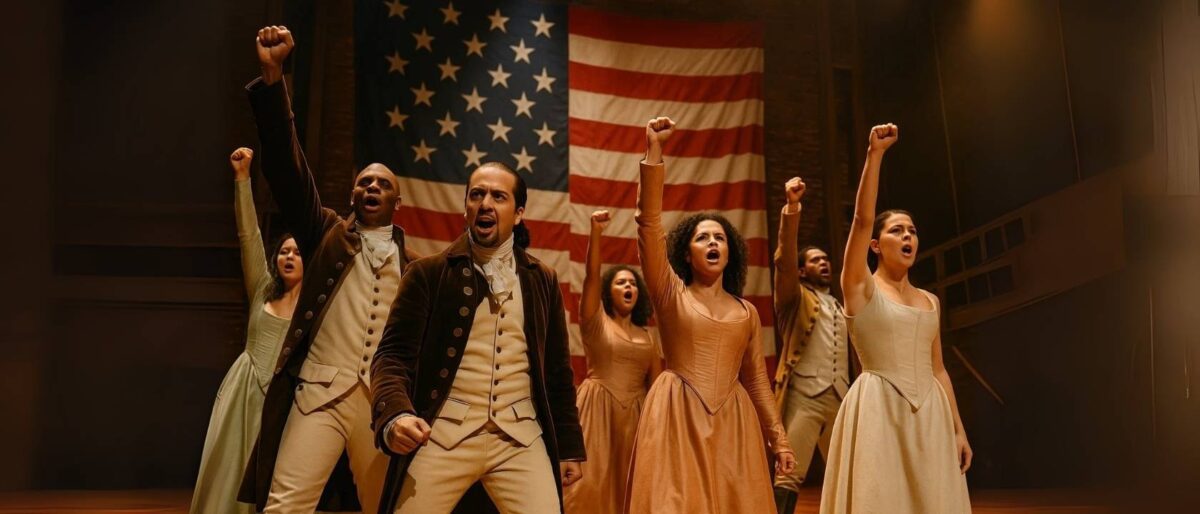
Hamilton
Hamilton reimagined the nation’s Founding Fathers through diverse casting and a score rooted in hip-hop and R&B. By doing so, it reframed America’s founding story to include voices often excluded from history books. Beyond its music and choreography, the show sparked conversations about race, immigration, and how the past shapes the present.
Angels in America
Tony Kushner’s Angels in America remains one of Broadway’s most daring works. Set during the AIDS crisis of the 1980s, it interwove politics, religion, and personal struggle. The play humanized an epidemic many ignored, calling out both political inaction and cultural prejudice, while giving a stage to stories rarely told at the time.
Hair
When Hair premiered in 1968, it captured the defiance of a generation. Its celebration of free love, anti-war protests, and youth rebellion directly confronted the Vietnam War era. With its bold themes and daring staging, it became a musical manifesto for freedom of expression and resistance against authority.
The Crucible
Arthur Miller’s The Crucible, though set in the Salem witch trials, was written as an allegory for McCarthyism. It exposed the dangers of mass hysteria, persecution, and the erosion of civil liberties. Its themes continue to resonate today, offering timeless lessons on fear, power, and public panic.
Rent
Rent brought the struggles of New York’s East Village to Broadway in the 1990s. By highlighting poverty, HIV/AIDS, and the importance of chosen family, the show gave voice to marginalized communities. Its characters faced hardship with resilience, reminding audiences that art and love can flourish even in the harshest conditions.
The Impact of Political Theater on Audiences
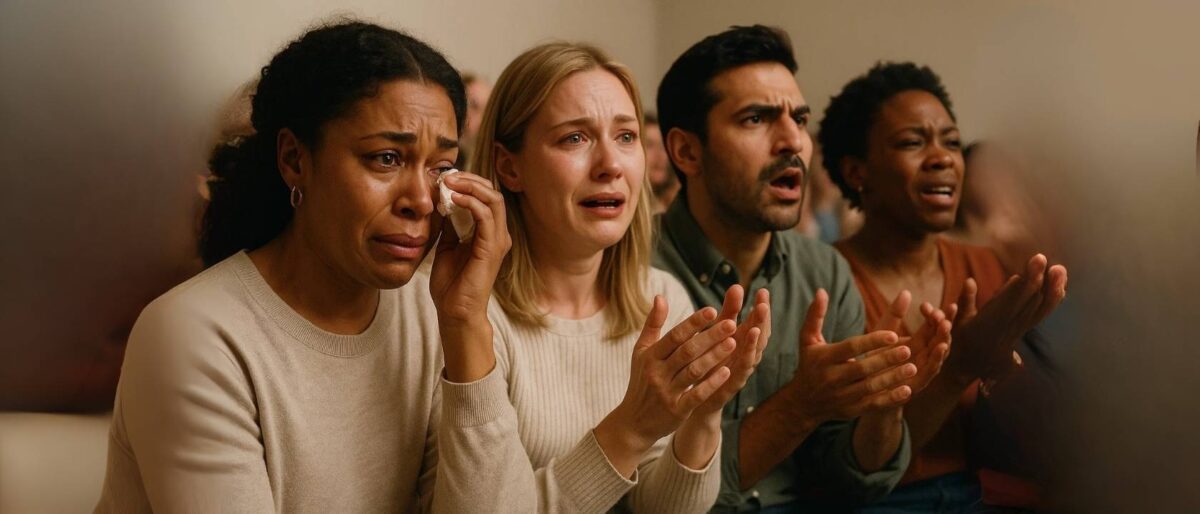
Political theater does more than entertain—it moves people. By humanizing abstract issues, Broadway shows transform statistics or headlines into lived experiences. A character battling illness or injustice isn’t just a symbol; they become someone the audience feels connected to. This closeness builds empathy in ways news stories often can’t.
That empathy often stirs action. Productions tackling urgent themes have inspired audiences to donate, volunteer, or speak out. Some leave the theater ready to march, vote, or join a cause they had never considered before. Broadway, with its mix of storytelling and spectacle, has a way of translating emotion into civic energy.
The stage also shines light where mainstream coverage falters. Plays and musicals have highlighted HIV/AIDS, systemic racism, gender identity, and other topics often ignored or softened in traditional media. By giving these issues a spotlight, theater shapes public discourse, making sure difficult conversations reach broader audiences. For many, the first step toward awareness—or activism—begins in a seat under the bright lights of Broadway.
The Commercial Side of Political Broadway
Bringing politics to Broadway is always a gamble. On one hand, bold themes can attract audiences who are hungry for relevance and representation. A show with a strong political message often builds a passionate fan base, eager to spread the word and return for multiple performances. On the other hand, those same messages can alienate theatergoers who want escapism or who feel challenged by the subject matter. Risk and reward sit side by side in the box office totals.
The economics matter, too. Investors weigh whether a politically charged production can sustain itself over time. Ticket sales may spike at the start, boosted by controversy or critical acclaim, but longevity depends on consistent demand. Some plays become cultural landmarks that thrive, while others fade quickly under financial strain. Producers must constantly balance artistic ambition with commercial reality.
Merchandising and marketing also come into play. Shows with political branding—whether posters quoting revolutionary lyrics or T-shirts highlighting activist slogans—turn messages into revenue streams. For fans, buying merch isn’t just about memorabilia; it becomes a way to wear their values and support the cause the show represents. In this way, Broadway blurs the line between art, commerce, and activism.
Can Broadway Be Neutral?
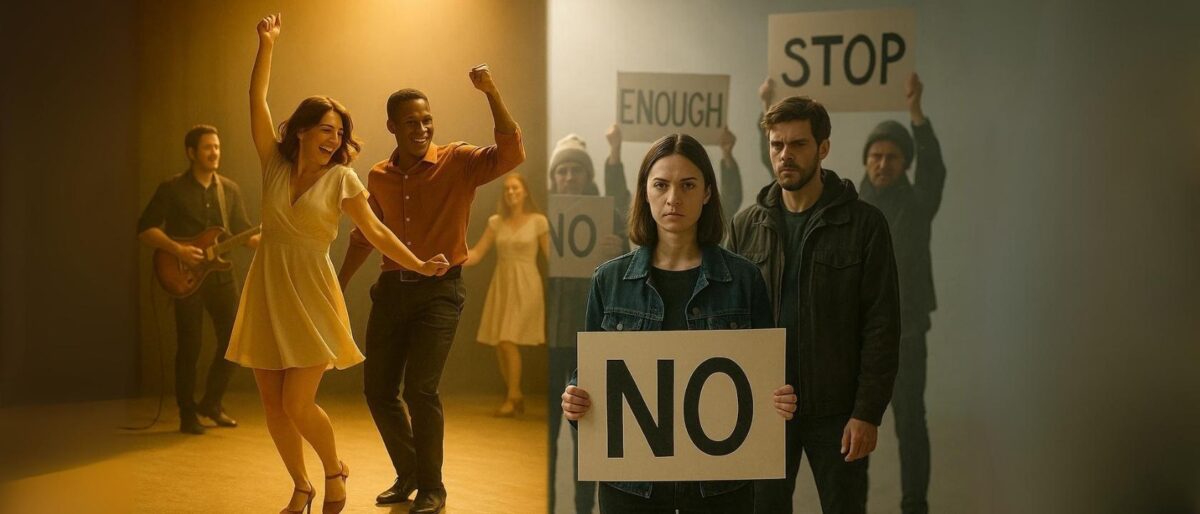
One of the most debated questions in theater is whether Broadway can ever be apolitical. Some argue that art should remain neutral, offering pure entertainment without agenda. Yet others point out that every choice—from casting to script to setting—carries meaning. Even silence on an issue communicates a stance, whether intentional or not.
So-called “escapist” productions, filled with glitter and spectacle, may still reflect the cultural values of their era. A romantic comedy can reinforce ideas about gender roles. A fantasy-driven musical can echo societal hopes or anxieties. The absence of politics on stage can itself be seen as a political decision, signaling comfort with the status quo.
In this way, Broadway serves as a cultural barometer. It doesn’t simply provide stories—it records the mood of its audiences, investors, and creators at a particular moment in time. Whether subtle or bold, political or seemingly neutral, Broadway always reflects the society watching it. The stage, by design, cannot escape the times it exists within.
The Future of Politics on Broadway
The stage has never shied away from big questions, and that trend shows no sign of slowing down. Broadway will likely keep reflecting the pressing issues of its time—climate change, artificial intelligence, identity, and social justice are already emerging as themes that new productions are beginning to explore. As society shifts, so too will the stories told under the spotlight.
A powerful force in that evolution is the rise of fresh voices. Playwrights and composers from underrepresented communities are gaining traction, bringing perspectives that challenge old narratives and expand the range of stories Broadway can tell. Their work doesn’t just add diversity—it broadens the conversation, ensuring audiences hear voices that were long excluded from the mainstream stage.
Audiences, meanwhile, are shaping this future with their choices. Today’s theatergoers want more than spectacle; they’re looking for relevance. A production that entertains while speaking to modern struggles has a better chance of sparking loyalty and filling seats. That demand for shows that both dazzle and provoke means Broadway will continue to walk the line between artistry, politics, and public expectation.
Conclusion
Broadway has always carried politics in its spotlight, sometimes whispered in metaphor, other times declared in bold lyrics and scripts. Whether through patriotic musicals, biting satires, or heartfelt dramas, the stage has never been separate from the society that builds and watches it. Each era leaves its imprint in the stories told.
The takeaway is simple yet powerful: theater does far more than entertain. It reflects the culture around it, challenges audiences to think differently, and even helps shape public conversation. When the curtain rises, Broadway doesn’t just show a performance—it shows us who we are, and who we might become.