How to Buy Group Tickets for Concerts and Shows: Step-by-Step Guide
June 4, 2025
How to Watch Concerts via Livestream: The Ultimate At-Home Guide
June 5, 2025Is It Legal to Resell Event Tickets? A 2026 Legal Guide
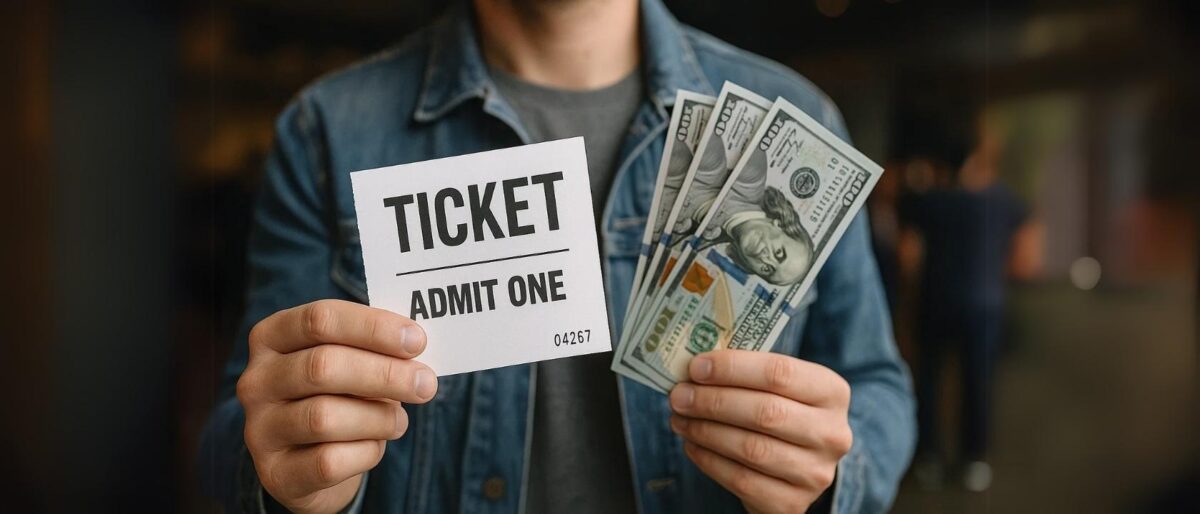
Is Reselling Tickets Legal? Got an extra ticket to a sold-out show? Thinking of flipping it for some quick cash? Not so fast. While reselling tickets is legal in many cases, the rules vary wildly depending on where, how, and what you’re selling. This guide breaks down what’s legal—and what could get you fined.
What Is Ticket Reselling?
At its core, ticket reselling is exactly what it sounds like—selling a ticket you already bought. Maybe your plans changed. Maybe you grabbed an extra. Or maybe you’re hoping to turn a profit. Either way, you’re entering the secondary ticket market, and that’s where the legal waters start to ripple.
- Primary vs. secondary ticket sales – Primary ticket sales are straight from the source—official vendors like Ticketmaster, AXS, or the box office. Secondary sales happen when someone resells that ticket to another buyer. That’s where reselling platforms come in, and where laws start to differ.
- Casual resale vs. professional flipping – Selling one or two tickets because you can’t attend the show? That’s casual resale, and usually legal. But buying in bulk with the sole intent of reselling for profit? That’s often considered scalping, and in some states, it’s illegal—or at least heavily regulated.
- Key resale platforms – Today, the most popular legal resale sites include StubHub, SeatGeek, Vivid Seats, Ticketmaster Verified Resale, and AXS Marketplace. These platforms offer built-in protections and typically comply with local laws, making them safer than peer-to-peer sales.
Whether you’re just trying to get your money back or make a little extra, knowing where you fit in the resale world is the first step toward staying on the right side of the law.
Is Ticket Resale Legal in the U.S.?
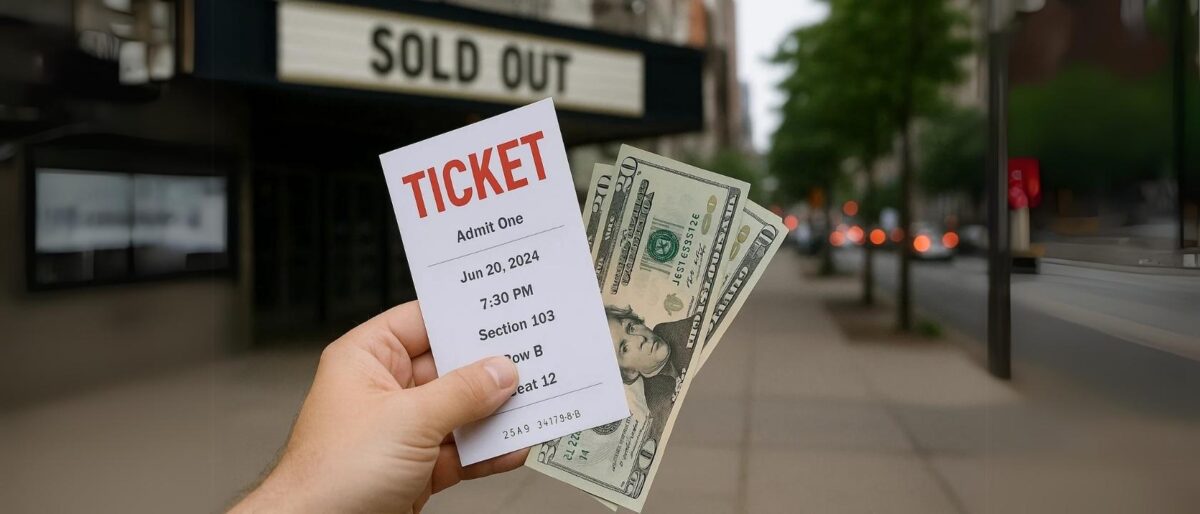
Yes—reselling event tickets is generally legal in the United States. But here’s the catch: it’s legal with restrictions, and those restrictions vary by state, platform, and even the event itself. What’s totally fine in Texas might get you fined in New York. And just because you own a ticket doesn’t mean you have free rein to resell it however you like.
- General legality: Yes, but with restrictions – In most states, it’s legal to resell tickets, especially through approved channels. But how much you can charge, where you can sell, and whether resale is allowed at all can depend on local laws or even the type of event.
- Event organizers can impose terms limiting resale – Some tickets come with non-transferable clauses or restrictions on resale. That’s especially common for presales, VIP experiences, or digital ticketing. Selling these tickets—even at face value—could violate terms and get the ticket voided.
- Venues may cancel tickets resold in violation of their policies – Many venues and artists are cracking down on unauthorized resales. If your ticket was bought with a stolen credit card, flagged as scalped, or sold on a banned platform, they can cancel it—and deny entry. No refund, no concert, no fun.
So yes, you can resell a ticket. But just because it’s legal doesn’t mean it’s lawless. The key is knowing the fine print—before you list that seat online.
What Are the Common Legal Restrictions?
Even where ticket reselling is allowed, that doesn’t mean it’s a free-for-all. Laws are often in place to protect buyers from price gouging, fraud, and scalping tactics that make live events harder to access. If you’re reselling, here are the common legal guardrails to keep in mind.
- Price gouging laws – In some states, it’s illegal to resell tickets for more than their original face value—especially during emergencies or for high-demand events. Even if you’re just trying to recoup your money, selling above the printed price can land you in legal hot water.
- Location-based restrictions – Many cities and states ban ticket reselling within a certain distance of the event venue. You might’ve seen signs outside arenas that say “No Soliciting” or “No Ticket Sales”—that’s not just for looks. Reselling on-site can be considered illegal scalping, even if it’s one extra ticket.
- Use of bots or automated purchasing software – Federal law (like the BOTS Act) and many state laws make it illegal to use software that buys up tickets faster than humans can click. These tools create artificial scarcity and inflate resale prices. Platforms caught using bots can face hefty penalties—and so can the people running them.
- Disclosure requirements – Most states require resellers to clearly disclose seat locations, original ticket price, and any restrictions (like obstructed views or non-transferable access). Failing to disclose the fine print can lead to complaints, refunds, and even legal consequences.
If you’re going to resell, transparency isn’t just good practice—it’s often the law. Keeping it clean and clear protects both you and the person buying your ticket.
Ticket Resale Laws by State
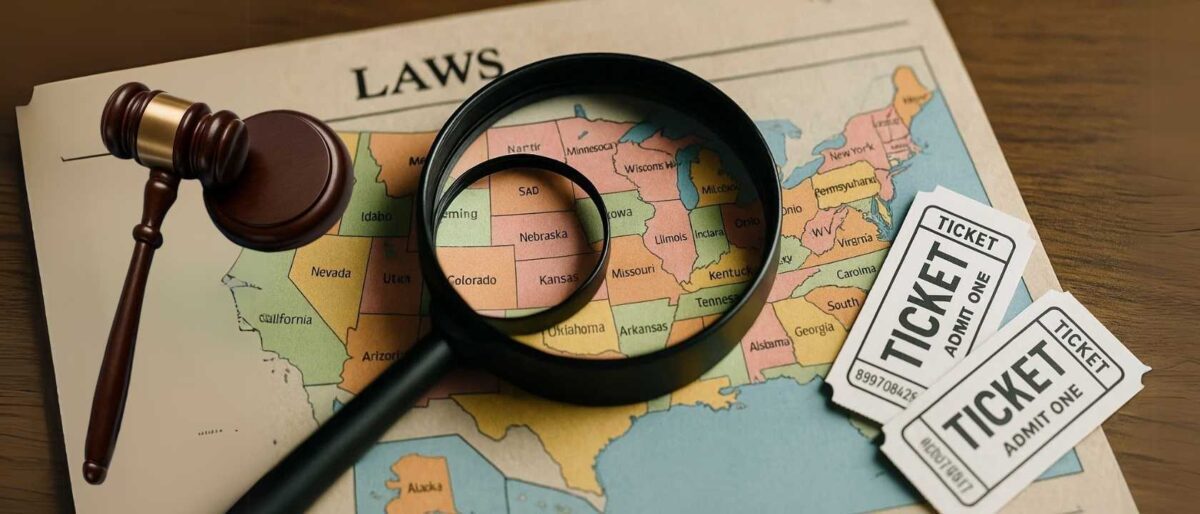
Here’s where things get tricky: ticket resale laws vary wildly from state to state. Some states have tight restrictions on pricing, platforms, and proximity to venues. Others take a hands-off approach, leaving it largely up to the sellers, buyers, and marketplaces. Knowing the local laws is essential—especially if you’re flipping tickets across state lines.
- Stricter states – States like New York, Connecticut, and Illinois have some of the most regulated resale environments. New York, for example, limits resale markups unless the seller is licensed and requires seat disclosure. Connecticut prohibits resale above face value unless you’re an authorized reseller.
- More lenient states – California, Florida, and Texas tend to be more resale-friendly. These states generally allow secondary sales as long as the tickets were lawfully acquired and sellers disclose seat details honestly. Many large resale platforms thrive in these regions for this reason.
Quick Reference Table: State-by-State Resale Highlights
| State | Markup Allowed? | License Required? | Notable Rules |
|---|---|---|---|
| New York | Yes (with limits) | Yes, for profit-based resellers | Must disclose seat and price; anti-bot law |
| California | Yes | No | Must not mislead; no venue proximity laws |
| Texas | Yes | No | Resale legal with full disclosure |
| Connecticut | No (without license) | Yes | Face value cap without a broker license |
| Illinois | Limited | Required for professional sellers | Anti-scalping laws enforced |
For the most accurate and up-to-date information, check your state’s consumer protection or attorney general website. Some state-specific pages include:
- New York Attorney General
- Connecticut Department of Consumer Protection
- Texas Office of the Attorney General
Bottom line: where you live (or where the event takes place) can change what’s legal, what’s restricted, and what might get you booted from the resale game. Do your homework—every state plays by its own rules.
Where Can You Legally Resell Tickets?
If you’re looking to offload your extra tickets—or make a little side cash—where you sell them matters just as much as how. Some platforms are safe and fully legal. Others? Not so much. Here’s a breakdown of the safest places to resell tickets, and where you might want to think twice.
- Approved resale platforms – The safest bet is sticking with platforms designed for legal, verified resale. Sites like StubHub, Ticketmaster Verified Resale, SeatGeek, AXS Official Marketplace, and Vivid Seats all offer protections for buyers and sellers, often include seat guarantees, and usually comply with state regulations.
- Social media groups – Local Facebook groups or fan-run communities can be great for last-minute sales. But be cautious: many platforms ban ticket selling, and scammers often lurk. Always check if resale is allowed by the group admins, and never exchange tickets without secure payment protection (like PayPal Goods & Services).
- Peer-to-peer apps – Apps like CashorTrade are built for fan-to-fan exchanges, often with a no-profit, face-value-only model. Facebook Marketplace is also popular, but be extra careful—there’s little protection for either party. Meet in public and never accept Venmo or Zelle from strangers you don’t trust.
- Craigslist and eBay: use with caution – While Craigslist allows ticket listings, it’s notorious for scams and lacks any buyer/seller protection. eBay once dominated the resale scene, but many ticket sales are now banned unless you’re a licensed broker. Some states prohibit ticket sales on general classifieds altogether.
The golden rule? If you’re not sure the platform is allowed under state or venue rules, don’t risk it. Stick with trusted sources that offer tracking, receipts, and protection in case something goes sideways. It’s not just about making the sale—it’s about doing it legally and safely.
Red Flags: When Reselling Might Be Illegal
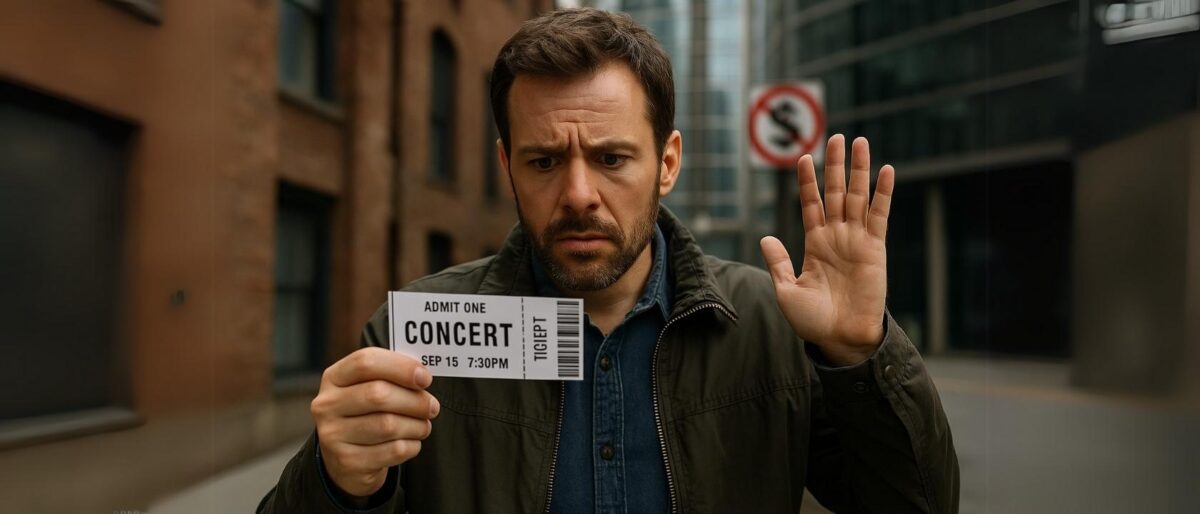
Not all resales are above board. Even if your intentions are good, there are specific cases where trying to flip a ticket can land you in hot water. Whether it’s violating laws, event policies, or platform terms, here are the red flags that scream: stop, don’t sell.
- Selling above face value in restricted states – Some states have strict anti-scalping laws that prohibit profit on ticket resales unless you’re licensed. If you list a $75 ticket for $150 in a state like Connecticut or New York without the proper credentials, you could be breaking the law—even if someone’s willing to pay.
- Reselling non-transferable tickets – Certain events, especially music festivals or exclusive VIP experiences, issue tickets or wristbands that are non-transferable by design. These often include unique QR codes, name matching, or wristbands that can’t be removed and re-worn. Selling these is not only against the rules—it could void the ticket entirely.
- Selling fake or duplicate tickets – This isn’t just shady—it’s criminal. Selling counterfeit tickets, duplicates, or screenshots of digital passes that someone else can use first is considered fraud. You could be charged with a misdemeanor or even a felony, depending on the amount and intent. No concert is worth a court date.
- Violating venue or ticket platform policies – Many venues and ticketing sites have strict resale rules written right into their terms of service. If you resell through an unauthorized platform or price your ticket above face value where it’s banned, they can cancel the ticket without warning. You won’t get your money back—and the buyer might show up to a dead barcode.
The takeaway? When in doubt, read the fine print. Always check the terms on your ticket, the venue’s site, and your state’s laws. Reselling may seem like a quick win—but if you cross the legal line, the price might be higher than you ever expected.
How to Stay on the Right Side of the Law
Reselling tickets doesn’t have to be risky—if you play by the rules. Whether you’re passing along an extra seat or flipping tickets for fun, following a few key steps can protect you from fines, fraud accusations, or canceled sales. Here’s how to keep things clean and completely legal.
- Use reputable resale platforms – Stick with sites like Ticketmaster Verified Resale, SeatGeek, StubHub, or Vivid Seats. These platforms offer built-in protections for both parties, help ensure the tickets are legitimate, and are often pre-approved by venues and artists for safe resale.
- Check state and venue rules before you list – Just because it’s legal in one place doesn’t mean it’s legal everywhere. Some states cap resale prices, others restrict where or how you can sell, and many venues reserve the right to cancel tickets sold in unauthorized ways. Look up local laws and read your ticket’s fine print.
- Disclose everything buyers need to know – Don’t leave anyone guessing. Clearly list the section, row, seat number, original price, and any limits (like “must show ID” or “non-refundable”). Misleading listings can result in angry buyers, disputes, and banned accounts.
- Keep all receipts and documentation – Proof is power. Save your original ticket purchase confirmation, screenshots of your listings, and any communication with buyers. If there’s ever a dispute—or you’re asked to prove ownership—you’ll be glad you kept a paper trail.
At the end of the day, being honest, upfront, and informed is the best defense. You don’t need a law degree—just common sense, a solid platform, and a little homework before you click “list ticket.”
What About Scalping Laws?
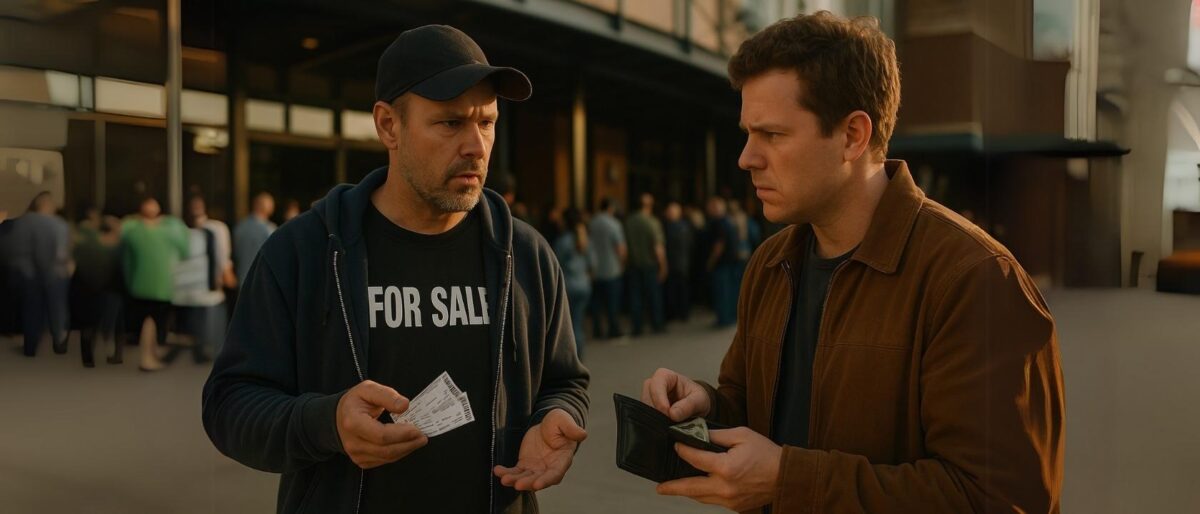
Let’s clear the air: scalping isn’t just a shady guy outside the stadium anymore. The term “scalping” originally referred to the aggressive resale of tickets—often at outrageous markups—right outside event gates. But these days, the law’s lens has widened, especially with ticket sales moving online. So what’s the difference between resale and scalping, legally speaking?
- Scalping vs. casual resale – Casual resale usually means you’re offloading tickets you can’t use—maybe to friends, family, or even online. Scalping tends to mean reselling primarily for profit, especially in bulk. Many states define scalping as reselling tickets above face value, often without a license or vendor approval.
- Scalping laws still exist—and vary by state – States like New York, Georgia, and Connecticut have older “scalping” laws still on the books. While some have modernized their language, many still use the original term. It’s the resale method and markup that determine legality—not the word itself.
- “Anti-scalping zones” near venues – Some cities establish no-resale zones (often 500 feet or more around event spaces). That means even handing off a ticket for cash near the stadium could break the law. Yes, even if it’s just one extra ticket at face value. These rules are meant to prevent sidewalk congestion and scams.
- From sidewalks to cyberspace – In the digital age, online scalping is the new frontier. Laws now focus on resellers using bots, sniping bulk tickets, and jacking up prices instantly. Enforcement is shifting from physical proximity to platform-based regulation and digital tracking.
In short, scalping laws are alive and well—they’ve just moved from the parking lot to the algorithm. Stay smart by knowing where and how you sell, and don’t assume anonymity online equals immunity.
International Rules: What If I’m Selling Outside the U.S.?
Thinking of flipping a ticket across the pond? Hold that listing. Ticket resale laws can get a lot trickier once you step outside the U.S.—and in some cases, downright unforgiving. If you’re dealing with UK, EU, or Canadian tickets, you’ll want to know the ground rules before making a move.
- United Kingdom – The UK has cracked down on shady resale tactics. While ticket reselling is legal, it’s highly regulated. Sites like Viagogo and StubHub must clearly show face value, seat location, and total price. For many events (especially football matches and festivals), resale is banned outright unless done via approved platforms. Also, the UK’s Consumer Rights Act enforces full transparency—if you lie or hide key details, expect fines or bans.
- European Union – EU countries have differing rules, but most lean strict. France, for instance, prohibits resale without the event organizer’s consent. Germany often limits prices to the original ticket value. Many EU laws focus on consumer protection, meaning you may need a license or approval to sell legally. Failing to comply can result in canceled tickets—or worse, legal action.
- Canada – Each province makes its own rules, but most have strong guardrails. In Ontario, for example, tickets can’t be resold above face value unless the original seller permits it. Some provinces also regulate the use of bots and mandate reseller registration. And yes—platforms like Ticketmaster are often required to refund buyers if listings don’t follow these guidelines.
Bottom line? Just because it’s easy to list a ticket online doesn’t mean it’s legal everywhere. When selling internationally, check the country’s consumer laws, use authorized platforms, and play it safe with pricing. One click could cost you more than just the ticket.
Consequences of Illegal Ticket Resale
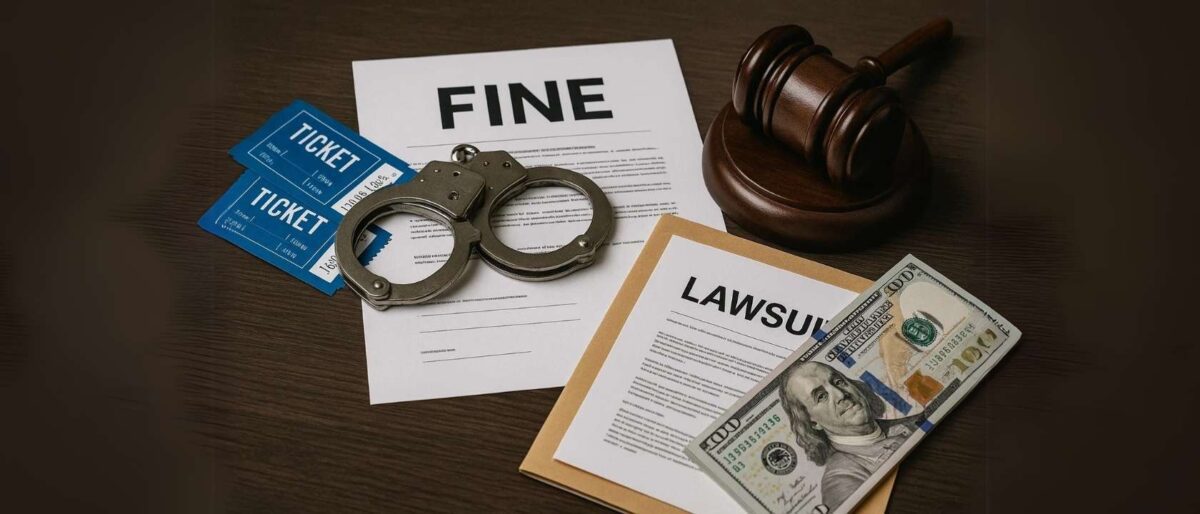
Tempted to list a ticket without checking the rules? Think again. Illegal resale can sting—and not just your wallet. Whether it’s ignoring price caps, using shady platforms, or failing to disclose terms, breaking the rules can bring serious consequences.
- Fines, misdemeanors, and lawsuits – Many states treat unlawful ticket reselling as a misdemeanor offense. That means fines (sometimes in the thousands), potential court dates, or even jail time in extreme cases. In some places, you could face civil penalties if the buyer or event organizer decides to sue.
- Ban from venues or resale platforms – Resale giants like Ticketmaster and AXS aren’t shy about punishing bad actors. If they catch you violating terms—especially through bot purchases or misrepresented listings—they can suspend or permanently ban your account. Likewise, venues may block your ticket or revoke access at the door.
- Backlash from buyers and chargebacks – Sell someone a ticket that doesn’t scan? Or hide key details about restricted view or event terms? Get ready for chargebacks, refund requests, and negative reviews. On some sites, your reputation score affects your ability to sell again—so burning one buyer can nuke your resale future.
Bottom line: don’t treat resale like the Wild West. A little caution now saves you a lot of headaches later.
When in Doubt, What Should You Do?
If you’re scratching your head over whether your resale plan is legit, here’s the golden rule: ask before you act. Ticket laws vary wildly by state, country, and even venue. And in the resale game, guessing wrong can cost you more than just a buyer.
- Consult local laws or legal advice if unsure – Even a quick Google search of your state or city’s rules can shed light on the dos and don’ts. But if the ticket value is high or the situation seems murky (e.g., bulk flipping, VIP passes), it might be worth talking to a local attorney or consumer protection agency. A five-minute call could save you a five-figure fine.
- Contact the venue or ticket provider directly – Got a ticket from a specific vendor? Go straight to the source. Ask the venue or ticketing platform if resale is allowed, and if so, how. Some venues will even tell you whether your listing will be flagged or honored at the gate. Better safe than turned away.
- Stick with official resale channels for peace of mind – The simplest way to stay in the clear? Use platforms like Ticketmaster Verified Resale, AXS Official Resale, or SeatGeek’s certified listings. These marketplaces follow all the legal fine print for you—and many will even mediate buyer disputes. You might not make top dollar, but you’ll sleep better.
Conclusion
Yes, it’s legal—but there’s a fine line between a smart resale and a risky one. Navigating the world of ticket reselling doesn’t have to feel like walking a legal tightrope. With the right information and a few common-sense moves, you can sell tickets safely, confidently, and within the law.
Before listing anything, check your state’s laws and the venue’s terms. What flies in Florida might flop in New York. And what’s allowed online might still land you in hot water if you’re standing outside the arena flipping tickets.
The real key? Transparency and caution. Always disclose seat info, use verified platforms, and never rely on shady shortcuts like bots or unregulated listings. You might make a few dollars less, but you’ll skip the stress and keep your good name intact.
Whether you’re offloading a last-minute spare or making a side hustle out of it, reselling tickets responsibly keeps the music (and the money) flowing. Know the rules, stick with trusted channels, and you’ll be on the right track. Got a resale question? Share your experiences—or cautionary tales—with fellow fans!
Frequently Asked Questions
Is it legal to resell concert tickets in the United States?
In many U.S. states, reselling tickets is legal, especially through approved channels, but specific rules and limits vary by location. Always check your local laws and venue terms before selling.
Can I legally sell tickets above face value?
Some places allow you to sell above face value, while others cap the markup or restrict it near the venue. Online resale through major platforms is generally safer than street selling.
Is it legal to resell tickets outside the venue on show day?
Street reselling, or “scalping,” is restricted or banned in many cities and states, particularly within a certain distance of the venue. You could be fined or asked to leave if you violate local rules.
Are there states where ticket resales are completely banned?
Outright bans are rare, but some states and countries impose strict restrictions on secondary ticketing. If you’re unsure, look up consumer or ticket laws for your region before listing tickets.
Do ticket resale laws apply to sports, concerts, and theatre the same way?
Often they do, but certain high-demand events, like major sports finals, may have extra protections. Always review the event’s official terms and conditions.
Can ticket companies stop me from reselling my tickets?
Some ticket providers limit transfer or resale in their terms of service, especially for personalized or mobile-only tickets. If resale is blocked in your account, you’ll need to follow their official options.
Is it risky to resell tickets on social media or classifieds?
Yes. Private resales on social media or classifieds can expose you to scams or disputes, and they may not comply with local laws. Using official resale platforms is usually safer.
What is ticket scalping?
Ticket scalping is reselling tickets, often at high markups, usually for profit. In some regions it’s regulated, in others it’s restricted or illegal, especially when automated bots are involved.
Do I need to pay taxes on profit from reselling tickets?
If you regularly profit from reselling tickets, that income may be taxable. For detailed guidance, you should consult a tax professional or local tax authority.
Is this article a substitute for legal advice?
No. This information is general and may not fit your exact situation. For specific questions about ticket resale laws, speak with a qualified attorney or local consumer protection agency.