How to Buy and Send Broadway Gift Vouchers | Guide
August 25, 2025
Kip Moore in Crown Point, IN on Sep 4, 2025: Tickets & Info
August 25, 2025What Happens If You’re Late to a Broadway Show? Seating Rules & Tips

Broadway runs on timing. When you arrive late, doors pause, ushers wait, and seats might change. You’ll often be held in the lobby until a planned break, then guided to a temporary spot. No refunds. No fuss. Best move? Arrive early, breathe easy, catch the first note. From the start.
Broadway’s Punctual Culture

On Broadway, the curtain doesn’t wait. Shows start exactly as scheduled, and the first notes or opening lines are carefully planned to draw the audience in. Those first moments matter because they set the tone, introduce the story, and immerse everyone in the performance.
Punctuality isn’t just about being polite. It’s about respect for the performers who have rehearsed for weeks and the audience who arrived on time. A late arrival can pull attention away from the stage, breaking the flow of a scene and disturbing the concentration of both actors and theatergoers.
Think of it this way: at a movie theater, slipping in late means finding a seat quietly in the dark. At a concert, fans might shuffle in during a song without much notice. But Broadway is different. Theaters are intimate, aisles are narrow, and timing is everything. Missing the start doesn’t only shortchange you—it can disrupt the shared rhythm of the entire room.
Standard Late Seating Policies
Each Broadway theater sets its own rules, but most follow a similar playbook. If you show up after the curtain rises, you’ll often be asked to wait in the lobby. This pause protects the performance from interruptions and keeps the audience focused on the stage where the story is unfolding.
Once there’s a natural break—such as a scene change or musical pause—ushers step in. They’ll quietly guide latecomers to specific late-seating spots, usually in the back or along the aisle. These temporary seats are meant to limit distraction until a more convenient time to move.
After the first act, theaters typically allow full reseating. That’s when you’ll be escorted to your original ticketed seat. Until then, patience is key. The goal is simple: keep the flow of the show intact while still giving you a chance to join in without disrupting the experience for others.
Examples of Strict vs. Flexible Theaters
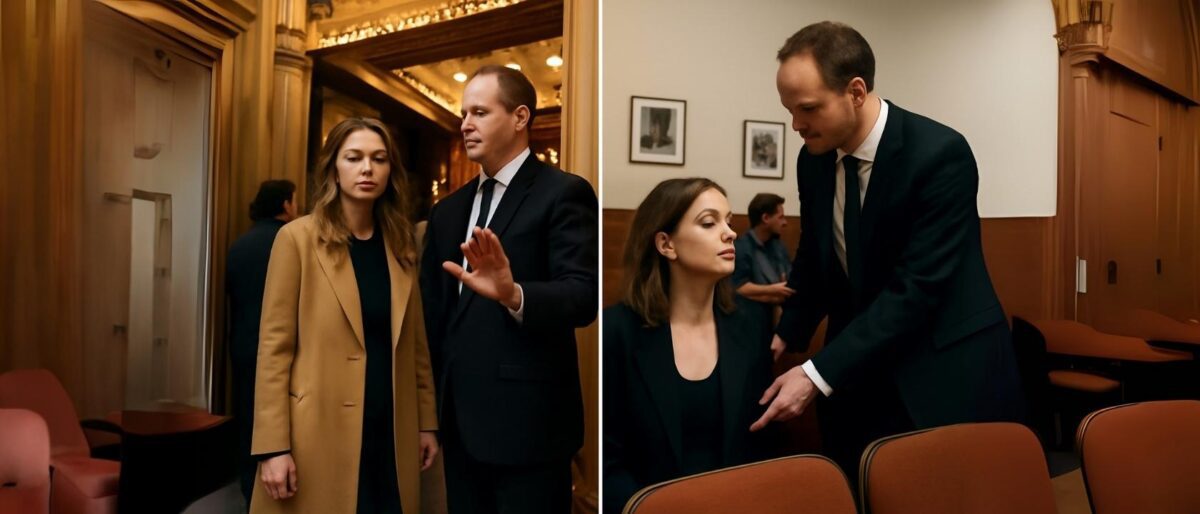
Not all theaters handle late arrivals the same way. Some are very strict, holding guests until a carefully chosen moment in the performance. Productions with elaborate staging or dramatic openings, like The Lion King, often bar entry until a specific scene finishes. This protects the impact of the spectacle and keeps the audience fully immersed.
On the other hand, smaller Off-Broadway houses can be more flexible. With fewer seats and simpler staging, ushers sometimes slip latecomers into empty spots without much fuss. The disruption is minimal, and the show can continue smoothly without breaking the mood.
Whether strict or flexible, the policy is never arbitrary. Each rule is designed with the audience’s experience in mind. A grand, high-energy opening number deserves full attention, while a quiet play in an intimate space might allow a discreet seat adjustment. Knowing this in advance helps you prepare and avoid surprises at the door.
What You Might Miss
Being late to a Broadway show means missing more than a few lines. The opening number or overture often lays the foundation for everything that follows. These first songs introduce key themes, establish the mood, and set the audience on the right path for the story ahead.
You’ll also lose out on crucial character introductions. The start of a performance is where relationships, motives, and conflicts first appear. Missing these beats can make later scenes feel confusing or incomplete, leaving you playing catch-up instead of enjoying the flow of the plot.
Perhaps the greatest loss is the immersive first impression. Directors and creative teams design the opening to pull you into their world instantly. Arriving late means stepping into that world halfway, like joining a conversation mid-sentence. On top of that, being escorted in with a flashlight during a quiet scene can draw unwanted attention and add a layer of awkwardness to your evening.
How Ushers Handle Latecomers
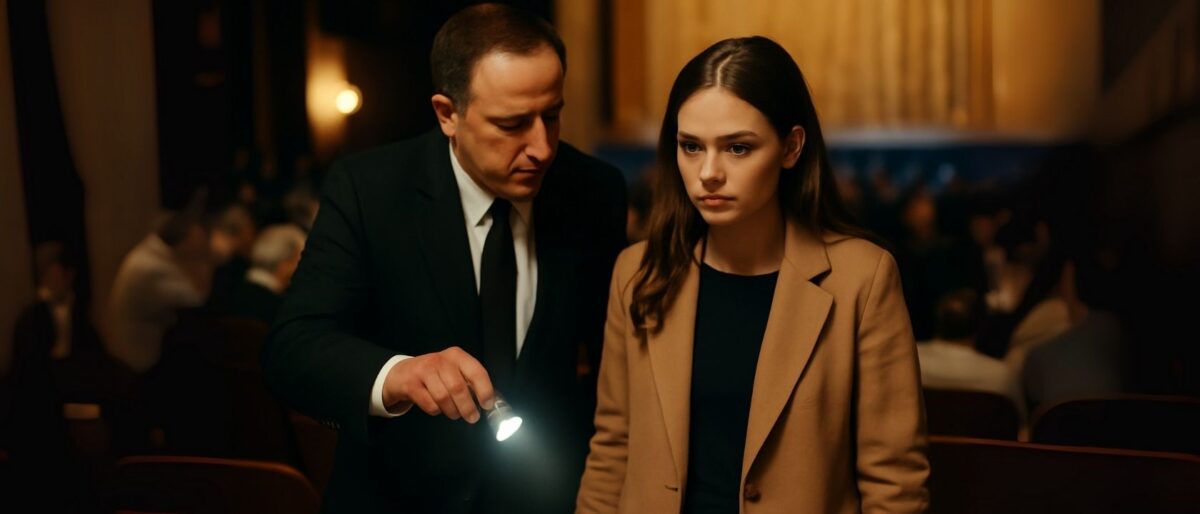
Ushers are trained to manage late arrivals with discretion. Their goal is to get you inside without disturbing the performance or frustrating other theatergoers. Every move is quick, quiet, and calculated to reduce attention on the delay.
Most theaters use side aisles or back rows for late seating. These spots allow you to slip into the action with less distraction. They’re often temporary, a holding place until intermission or a planned break when you can move to your assigned seat.
Flashlights are another tool, but they’re used with care. Kept low and subtle, they guide your path without lighting up the room. It’s a balancing act—helping you find your seat while keeping the magic alive onstage. Ushers juggle guest service with performance flow, ensuring both run smoothly.
Ticket Holder Rights vs. Theater Rules
Holding a Broadway ticket secures your place in the audience, but it doesn’t guarantee immediate seating once the show has begun. Theaters reserve the right to hold latecomers back until a moment that won’t disrupt the performance, no matter the reason for the delay.
Refunds or exchanges are almost never offered for lateness. Even if your train stalled or traffic crawled, the same rule applies: you’ll be admitted when the staff decides it’s appropriate. The policy isn’t meant to punish; it’s about protecting the shared experience of everyone already seated and watching.
Think of your ticket as a promise of entry, not a pass for timing flexibility. Respecting these rules ensures the performance keeps its rhythm, while still allowing you to join in once the flow permits.
Tips to Avoid Being Late

The simplest way to avoid late seating stress is to plan ahead. Aim to arrive at the theater at least 30 minutes before curtain. This gives you time to get through security, find your seat, and settle in without rushing.
Don’t forget about lines. Restrooms and concession stands can fill up quickly, especially right before the show. Building in that buffer keeps you from missing the opening while standing in a queue.
Always double-check the start time on your ticket. Matinees and evening shows begin at different hours, and it’s easy to mix them up. A quick check can save you from an awkward surprise.
Last, plan for delays. New York traffic and subway hiccups are common. Give yourself extra travel time so a stalled train or slow cab doesn’t cost you the chance to enjoy the show from the very beginning.
What to Do If You Know You’ll Be Late
If you realize you’re running behind, the best move is to call the box office before you arrive. Staff can explain the theater’s late seating policy and let you know when you’ll likely be allowed in. A quick call also shows courtesy and helps set expectations.
Once at the theater, stay calm and work with the ushers. They’re there to help, but they must follow rules designed to protect the performance. Arguing or demanding immediate entry won’t change policy and only adds stress to an already tense moment.
If temporary seating is offered, take it. You’ll have the chance to move to your ticketed spot later, usually at intermission. Accepting the arrangement gracefully keeps the disruption minimal and lets you enjoy the show sooner rather than waiting outside even longer.
Conclusion
Broadway depends on timing, precision, and respect for the craft. Arriving late doesn’t mean you’ll be locked out, but it does mean missing the full impact of the performance. The safest approach is simple: treat curtain time as sacred. Arrive early, relax into your seat, and let the magic begin from the very first note.