Are Concerts Losing Popularity in 2026? The Truth Behind the Trends
June 6, 2025
How Online Ticketing Platforms Actually Work in 2026
June 6, 2025What It’s Really Like to Tour as a Performer
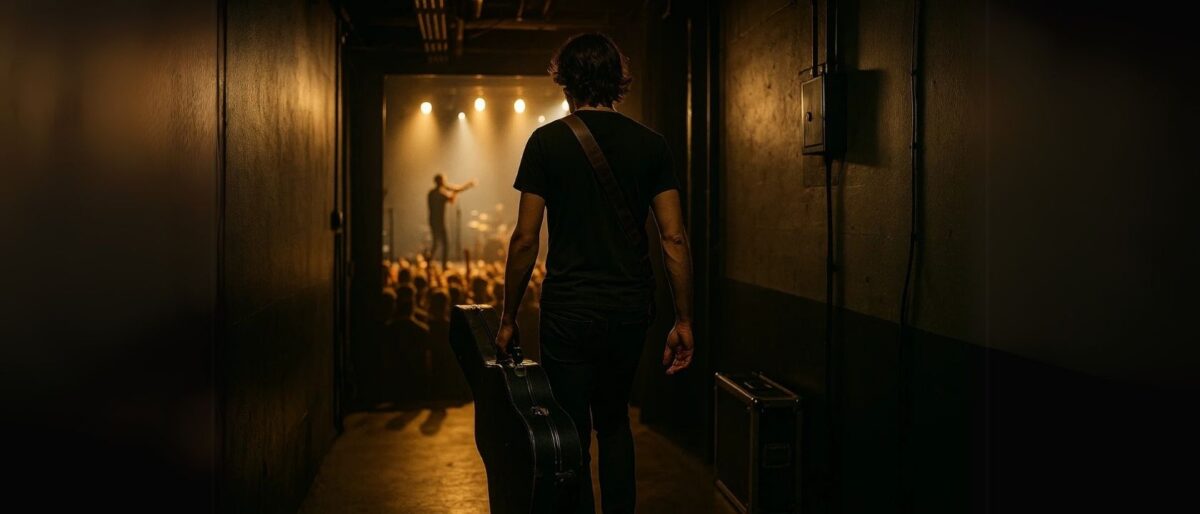
Touring looks glamorous from the outside—stage lights, screaming fans, and that sweet backstage pass. But what’s it really like living out of a suitcase and chasing applause city after city? Spoiler: it’s not all glitter and glory. Let’s pull back the curtain on the real highs, lows, and hustle.
Before the First Show: Planning the Tour
Before the lights go up and the first lyric hits the mic, there’s a mountain of planning that happens behind closed doors—and most fans never see it. Tours don’t magically appear; they’re built from spreadsheets, strategy, sweat, and a bit of prayer.
First up: booking logistics. Agents coordinate with promoters. Contracts get signed. Everyone argues over guarantees, back-end splits, green room snacks, and curfews. It’s part diplomacy, part puzzle—and no one’s really sleeping until every dotted line is sealed.
Then comes the routing. Choosing cities and aligning schedules sounds fun—until you’re trying to avoid 12-hour overnight drives while managing time zones, local holidays, and venue availability. One wrong move and you’re performing jet-lagged in front of 17 confused people in Tulsa.
Going international? Visas and customs become your new best frenemy. Some countries want paperwork a month in advance. Others ask for artist tax forms, insurance policies, or passport copies in triplicate. Miss a detail, and the tour may stop before it even starts.
Once the itinerary is locked, it’s time to rehearse like your rent depends on it. Tech runs, setlist revisions, lighting queues, choreography tweaks—every second matters. So does your stamina. Physical conditioning, vocal warmups, and injury prevention become daily rituals.
Finally, there’s the art of packing for controlled chaos. You need clothes for every climate, gear backups, merch displays, vitamins, backup chargers, and always—always—extra socks. And still, you’ll forget something crucial. It’s a rite of passage.
Before the music plays, the hustle is real—and the grind is just beginning.
On the Road: Life Between the Shows
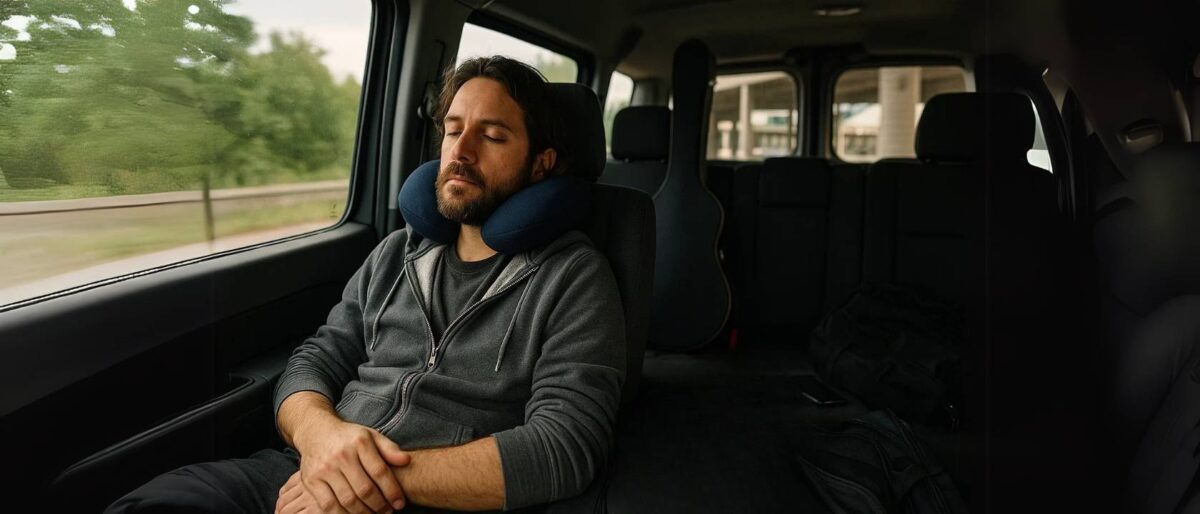
Touring isn’t just about what happens on stage—it’s what goes down between curtain calls that tests your grit. You’re not just a performer. You’re a nomad with a tight schedule, chasing your next stage in a moving blur of highways, terminals, and takeout containers.
Depending on the budget, you might be in a tour bus, rental van, or catching red-eyes with two hours of sleep and a neck pillow that’s seen better days. “Sleeping in motion” becomes your norm. One day it’s a bumpy backseat nap, the next it’s an upright doze at Gate B12. Either way, it’s rarely restful.
The rhythm of touring is a loop: load in, soundcheck, perform, load out, leave. You arrive, unload gear, set up, play your heart out, tear it all down, and hit the road again. It’s repetitive, but it becomes second nature—a strange ballet of crates, cables, and caffeine.
Food? Ha. Expect a lot of gas station snacks, vending machine dinners, and green room leftovers. Some nights you’re treated to local gems. Other nights, it’s a granola bar and warm bottled water. Eating healthy? That’s a pipe dream unless you plan like a nutritionist on tour.
Accommodations range from chain hotels and sketchy Airbnbs to crashing on couches. You start caring more about reliable Wi-Fi and clean towels than trendy decor. Sometimes you get lucky with a room that feels like a sanctuary. Other times… you sleep fully clothed, hoodie over your head.
And yes, isolation hits hard. The adrenaline from one show doesn’t always carry you through the quiet in-between. Homesickness creeps in. Relationships strain. Mental health wobbles. It’s not uncommon to feel disconnected—even surrounded by people. You smile, you perform, you push forward.
This part of the tour isn’t glamorous. But it’s real. And it shapes the performer just as much as the spotlight ever could.
Soundcheck to Showtime: A Day in the Life
By the time doors open, the audience is buzzing—but behind the curtain, the day’s already been in full swing for hours. Showtime starts long before the spotlight hits. It’s a dance of details, nerves, cables, and caffeine.
You roll up to the venue, maybe still groggy from a half-slept ride, and immediately check the space. Is the stage clean? Are the dressing rooms locked? Where’s the closest bathroom? It’s a new venue every day, and each one comes with quirks. Low ceilings, strange acoustics, and last-minute surprises are par for the course.
Meanwhile, the crew is in full motion—building the show from the ground up. Lighting rigs hang, soundboards hum to life, instruments are unpacked and tuned. Monitors get tested. Mics get taped down. Someone inevitably asks, “Where’s the setlist?”
Then comes soundcheck. It’s not just about volume—it’s about making sure your voice won’t get lost in the mix, your guitar doesn’t feed back, and the lighting doesn’t wash you out. Sometimes it takes ten minutes. Other times, it takes a miracle and a second coffee run.
In the calm before the storm, pre-show rituals kick in. Maybe it’s quiet breathing, a group huddle, vocal warm-ups, or pure silence. Or maybe it’s chaos: missing cables, broken strings, forgotten in-ears. You learn to stay calm while everything catches fire around you.
Then—curtain up. The adrenaline takes over. All the stress melts into sweat and spotlight. It’s loud, raw, electric. You’re not just singing or playing—you’re connecting. Feeding off the crowd. Giving more than you thought you had left. That energy? It’s addictive. And it’s why many performers can’t stop touring, even when it wrecks them.
After the final note, fans rush the barricades. Some want autographs. Others want selfies. A few come with stories that break you or lift you. Security keeps it safe. But those moments? They’re real. That handshake, that poster signing, that shared tear—that’s what lingers.
From first setup to final encore, every show is a storm. Beautiful, wild, and unforgettable.
The Emotional Rollercoaster
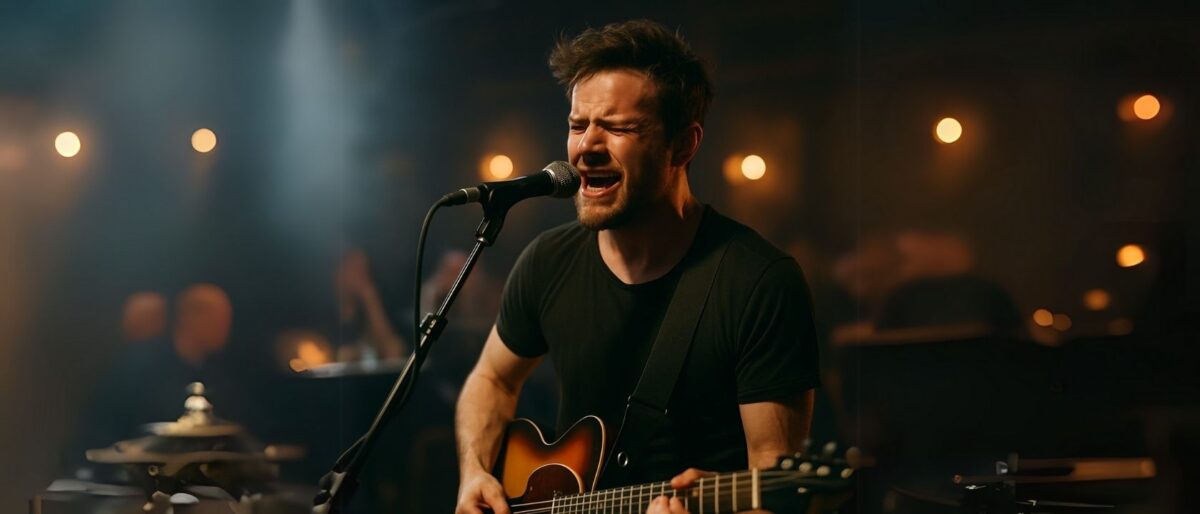
If touring had a soundtrack, it’d be a mashup of ecstasy, exhaustion, and everything in between. One night you’re soaring. The next, you’re spiraling. The stage doesn’t promise consistency—it just demands presence.
The high of a great crowd is hard to describe. It’s not just applause—it’s electricity. When the energy clicks, when the crowd sings back louder than the monitors, when you feel seen and heard and loved? That feeling will ruin you for anything else. It’s a high no substance can match.
But the flip side? The soul-crushing gut-punch of a bad turnout. You walk out to a half-empty room. Maybe a few tables are chatting through your set. Maybe someone left mid-song. You give the same energy, but inside? You’re wondering if it’s even worth it.
Then come the nights when you’re performing sick, sore, jetlagged, or grieving. The show doesn’t pause because your body or heart needs a break. You paint on a smile, find the right key to preserve your voice, and push through—even when it hurts.
On top of that, you’re constantly walking the tightrope between vulnerability and showmanship. Be real—but not too raw. Be energetic—but don’t fake it. Be open—but not fragile. The audience wants to connect, but they also expect magic. And some nights, you’re not sure what you have left to give.
And then there’s criticism. Someone in the crowd says you weren’t as good as your opener. A blog trashes your set. Your own inner voice whispers you messed it up. Technical failures don’t help—broken pedals, blown monitors, forgotten lyrics. You smile through it, but the sting stays longer than the note ever did.
Still, despite all of it—you keep going. Because when the crowd is with you, when the lights hit just right, when the music swells in your chest and nothing else matters? It makes the valleys worth climbing out of.
Behind the Glamour: Money, Merch, and Margins
From the outside, touring might look like a cash machine—sold-out rooms, merch flying off tables, fans lined up around the block. But peel back the glitter, and the truth hits hard: for many performers, touring is barely breaking even. Some even lose money in the process.
Let’s start with what artists actually earn. Unless you’re an A-lister or pulling arena numbers, the guarantee (if there is one) often just covers gas, food, and a cheap place to crash. Openers might get $100–$300 a night—total. That’s before expenses. And forget the myth of rolling in royalties. Streaming payouts won’t cover a tank of gas.
Which is why merch becomes the lifeline. T-shirts, vinyl, stickers, posters—those tables aren’t just side hustle, they’re survival. Artists spend hours after shows shaking hands, taking photos, and hustling hoodies. Not because it’s fun (though it can be), but because that $25 shirt might fund the next meal or tank of gas.
Now zoom out: pay splits drain the pot fast. Agents take 10–20%. Tour managers and crew need fair pay. Transportation, fuel, van rentals, and parking fees add up. Taxes? Don’t forget to withhold. That $1,000 night can shrink to $200 real quick—and that’s if nothing goes wrong.
But stuff always goes wrong. Gear breaks. Strings snap, amps fry, mics fall off stages. Flights get missed. Vans break down. You wind up in a city with no hotel and pay triple last-minute. That extra buffer? Gone in a blink.
So yes—many artists finish a tour in the red. They tour not for profit, but for passion, exposure, connection. It’s a long game. An emotional investment. And a reality most fans don’t see when they’re snapping selfies at the merch table.
Relationships and Reality Checks

No one talks about it enough, but touring doesn’t just test your stamina—it tests your relationships and sense of self. The applause is loud, but the silences between can echo even louder. You’re constantly moving, constantly performing—and that takes a toll on everything you’ve left behind.
Family, partners, even pets—they all feel the distance. Birthdays are missed. Texts go unanswered. Calls drop during load-in or in spotty motel Wi-Fi. You might FaceTime someone you love from a van outside a venue with two hours of sleep and nothing left to say. And they feel it too. That growing space. That emotional static.
Long-distance strain is real. Communication gets tricky when you’re in different time zones, different headspaces, or simply too tired to talk. Even the healthiest relationships can start to fray under the pressure. “Wish you were here” starts sounding more like “why aren’t you?”
Then there are tour romances—intense, fast-burning, and often complicated. Maybe it’s a fellow performer. Maybe it’s a fan. Maybe it’s just someone who made you feel less alone for a night. Some turn into real connections. Others dissolve with the mileage.
And through it all, you have to somehow carve out time for yourself. Time to rest. To eat something that didn’t come from a vending machine. To stretch, journal, call your best friend, or just be still. Without that, burnout isn’t just possible—it’s inevitable.
The reality check? Touring magnifies everything—what’s working and what isn’t. It’s not just about performing for a crowd. It’s about learning how to keep showing up for yourself, and the people who matter, even when you’re always somewhere else.
The Things You Learn (The Hard Way)

Touring doesn’t hand out trophies—it hands out lessons. Some you’ll pick up quick. Others will hit like a freight train at 2AM after your third back-to-back show. Either way, you’ll grow. Touring toughens you up and softens you in all the right places.
First up: no two venues—or crowds—are alike. One night you’re in a packed, sweaty club with fans screaming every lyric. The next? A half-interested bar crowd that didn’t know there’d be live music. You learn to read the room, adjust the set, pivot your energy, and give 100% regardless. It’s part survival, part artistry.
And speaking of energy, here’s a truth bomb: it’s not just your calendar you need to manage—it’s your body and mind. You can’t pour from an empty cup. You figure out how much sleep you actually need, what foods fuel you, how long you can go without a reset. That “one more drink” after the show? Might cost you the next one.
Perfection? Let it go. The mic will cut out. You’ll forget lyrics. Someone will trip over a cable. But if you can still create a moment—still connect with that one person in the back row—you’ve done your job. Touring teaches you to celebrate the small wins, not chase some imaginary flawless performance.
Eventually, everything will fall apart. A van breaks down. A bandmate gets sick. A venue double-books. You learn to stay calm in chaos, improvise under pressure, and hold each other together with duct tape, snacks, and pure grit. And somehow—somehow—you still make the show happen.
And all of it? The mess, the magic, the mayhem—it shapes you. Touring peels back your ego and reveals your core. It’s not about becoming a bigger artist. It’s about becoming a more human one.
Why They Keep Going
So why do performers do it? Why keep piling into vans, waking up in strange cities, running on fumes, and putting everything on the line—again and again? Because nothing else feels quite like it.
There’s the obvious answer: the addiction to applause. That first roar of the crowd? It hits like lightning. Every time. The moment your name is called, the lights go up, and the energy in the room flips from silence to eruption? It’s pure dopamine. It keeps you chasing the next stage like a heartbeat you can’t ignore.
But it’s deeper than ego. It’s the community you create in real time. Music breaks barriers, levels the room, and pulls strangers together into something that feels holy. You look out and see people laughing, crying, dancing—maybe healing. And you’re the thread tying it all together.
Then there are the fan stories you never forget. Someone hands you a letter after the show. Someone tells you your song helped them through grief, through heartbreak, through hell. It’s in those moments you realize you’re not just entertaining—you’re impacting lives.
And yes, touring tests you. But every once in a while, there’s a moment—a perfect silence, a single harmony, a room that breathes with you—that snaps you back to why you ever picked up a mic or a guitar in the first place. And in that second, all the struggle fades.
You keep going not because it’s easy. You keep going because it’s worth it.
Conclusion
Touring isn’t just a job—it’s a test of resilience, heart, and hunger. It pushes your limits, scrapes your ego, and rewires the way you see the world. You’ll bleed for it, laugh because of it, and sometimes cry through it. But still—you’ll keep showing up for the next gig, the next town, the next crowd that might just change everything.
For every bruise, missed call, or empty room, there’s a moment that makes it all make sense. A fan mouthing every word. A stranger becoming a lifer. A note held just right. These aren’t just memories—they’re fuel. And they’re why so many artists endure the chaos, the discomfort, and the grind.
The road is rough, no doubt. But for a lot of performers, it’s still the only place that truly feels like home. Not because it’s easy—but because it’s honest. And that kind of connection? That kind of purpose? You can’t fake it. You can only earn it, mile by mile, night by night.
And that’s the real story of life on tour. Not the highlight reel—the heartbeat.