Why Fans Follow Artists from City to City: The Superfan Phenomenon
August 18, 2025
Riley Green in Nampa, ID on Aug 23, 2025: Tickets & Info
August 18, 2025Are Live Albums Better Than Studio Versions?
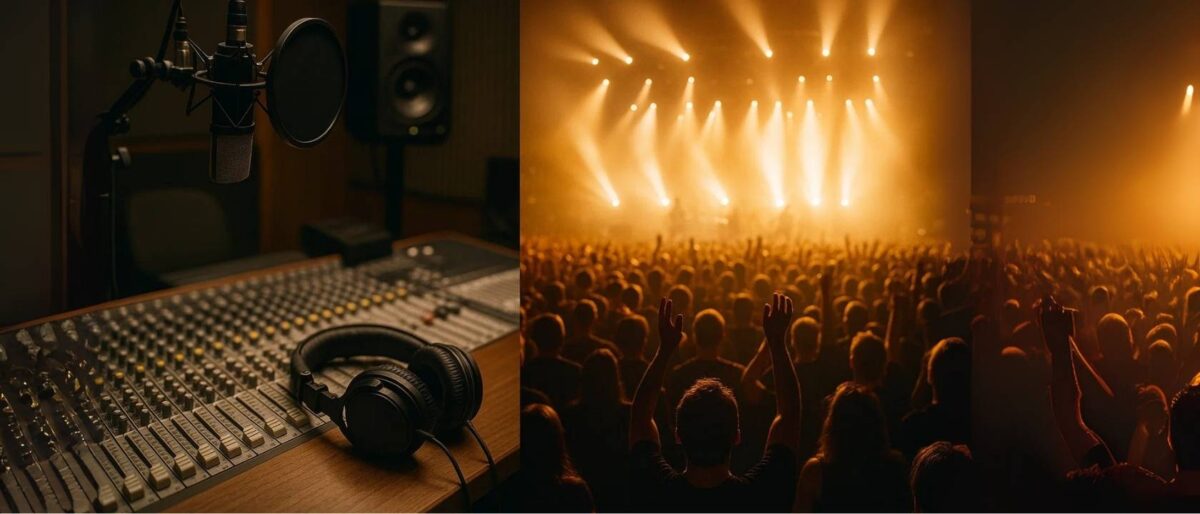
Some songs soar in the studio, polished to perfection. Others thrive on stage, bursting with raw energy, crowd noise, and unexpected twists. The debate is timeless: are live albums better than studio versions? This guide unpacks the pros, cons, and context that shape how we hear our favorite music.
The Case for Live Albums
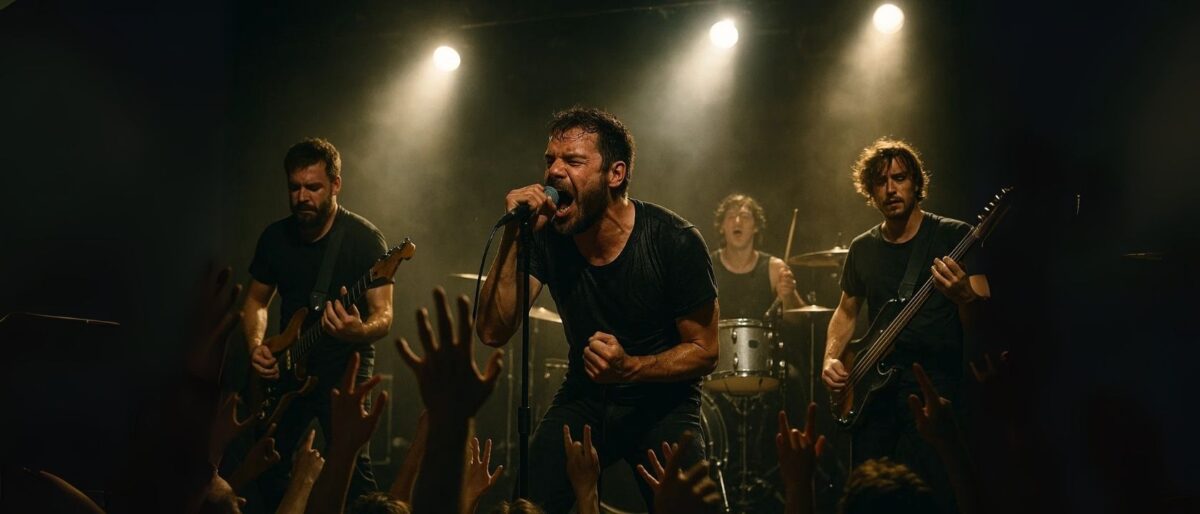
There’s something electric about hearing music in its rawest form. Energy and emotion spill out of live recordings in ways studio tracks rarely capture. The roar of the crowd, the banter between songs, and the unfiltered energy of the stage turn listening into an experience rather than background sound. You can almost feel the sweat and excitement coming through the speakers.
Live albums also offer extended versions that make each performance unique. Guitar solos stretch, drum fills evolve, and entire arrangements transform into something new. A five-minute track in the studio can become a ten-minute jam live, complete with improvisation that makes the listener feel part of a once-in-a-lifetime moment.
Then there’s authenticity. Studio versions may be polished to perfection, but live albums embrace imperfections—missed notes, cracked vocals, and unpredictable shifts. These flaws don’t weaken the music; they make it more human. They remind us that art is alive, and perfection isn’t the goal—it’s connection.
Some of the most celebrated recordings prove the point. Frampton Comes Alive! turned Peter Frampton into a household name. Nirvana’s MTV Unplugged in New York stripped grunge down to raw emotion. Talking Heads’ Stop Making Sense remains a masterclass in turning live performance into art. These albums show how live recordings can eclipse their studio counterparts in impact and memory.
The Case for Studio Versions
For many listeners, nothing beats the clarity and polish of a studio recording. Every note is balanced, every vocal is tuned, and every instrument sits exactly where it should in the mix. The controlled environment allows artists and producers to sculpt sound into something pristine, creating tracks that are built to last.
Studio work also gives musicians full creative control. With layers, overdubs, and effects at their disposal, artists can experiment in ways a stage can’t always support. A simple song idea can grow into a lush soundscape filled with harmonies, textures, and details that reveal themselves with each listen. It’s where vision turns into permanence.
For casual listeners, studio versions are often the most accessible. They deliver a consistent experience every time—no surprises, no missed cues, no crowd noise drowning out a verse. That predictability makes them perfect for radio play, streaming playlists, and everyday listening, whether you’re working, driving, or relaxing.
Some of history’s most legendary albums owe their power to the studio. Michael Jackson’s Thriller remains the best-selling record of all time because of its flawless production. The Beatles’ Abbey Road pushed recording innovation to new heights. Fleetwood Mac’s Rumours stands as a testament to how polished arrangements can carry deep emotion. These classics prove that the studio isn’t just where music is recorded—it’s where masterpieces are made.
How Context Shapes Preference

Whether a live album outshines its studio counterpart often depends on genre. Jam bands like Phish or the Grateful Dead thrive on improvisation, so fans expect extended solos and evolving versions of the same song. In contrast, pop stars usually deliver carefully structured hits, where studio precision defines the appeal. The genre sets the baseline for what audiences value most—spontaneity or perfection.
Cultural expectations play a role too. Rock audiences often want the grit of a live guitar riff or a crowd-fueled chant. Meanwhile, electronic music listeners typically lean toward flawless beats and layered effects, which shine brighter in the studio environment. Each fan base carries assumptions about what “good” sounds like, shaped by the culture surrounding the music.
There’s also the matter of fan connection. Live albums often attract die-hards who crave a deeper bond with the artist. They want to hear mistakes, audience cheers, and moments that make them feel part of something bigger. Studio versions, on the other hand, usually reach wider audiences, offering consistency and polish that appeal to casual listeners.
Finally, context changes with situational listening. A live album feels right when you’re seeking immersion—headphones on, lights down, letting yourself get lost in the crowd’s roar. But when you’re working, driving, or curating a daily playlist, studio versions often win out. In the end, preference is rarely absolute; it’s shaped by when, how, and why you’re listening.
Production & Technology in Both Formats
The tools behind the music shape how we hear it. In the studio, artists work with multi-track recording, overdubs, and expert sound engineering. Every instrument can be isolated, balanced, and adjusted until the track sounds flawless. This precision allows for layering, creative effects, and a level of polish impossible to capture on stage.
On the live side, technology has advanced far beyond simple concert tapings. Modern soundboards record every channel separately, giving engineers the ability to remix after the show. Crowd noise can be balanced, vocals sharpened, and instruments adjusted to deliver a mix that feels both powerful and professional. Remastering ensures the energy of the night translates well to headphones or speakers.
Sometimes the result is a hybrid—a live album that’s been touched up in the studio. Wrong notes might be re-recorded, harmonies added, or transitions smoothed out. While this makes the album more listener-friendly, it raises a question: how much fixing is too much?
This leads to an ongoing debate. If a “live” record has been heavily edited, does it still count as authentic? Purists argue that tweaks undermine the very point of capturing a raw performance. Others see it as a natural step in presenting the best possible version of a show. Either way, technology has blurred the line between live energy and studio polish.
Emotional vs. Technical Listening
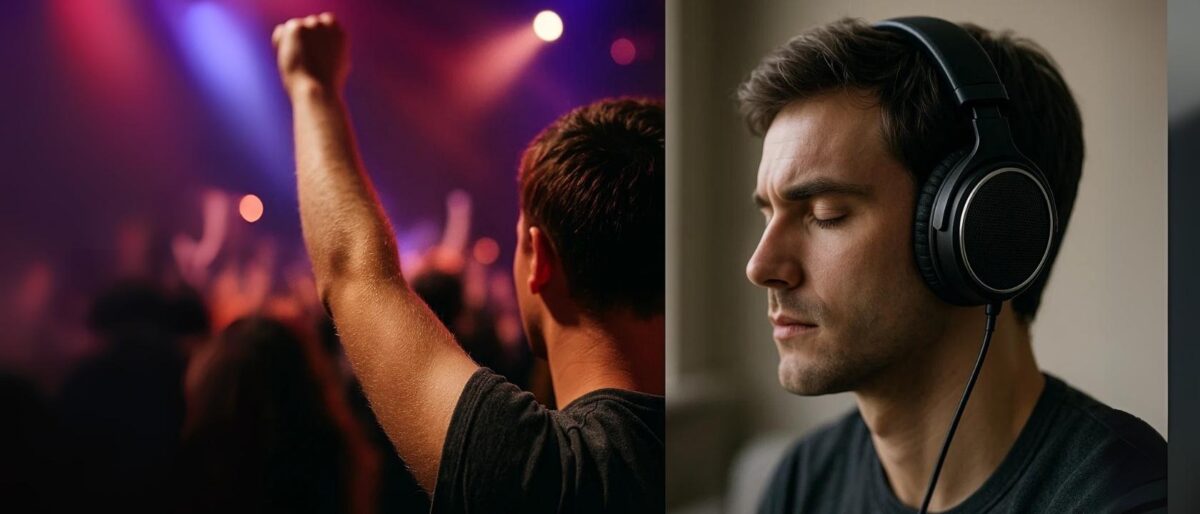
When it comes to music, some listeners chase emotional pull above all else. A live album can trigger goosebumps as the crowd roars, or spark joy when thousands sing in unison. That sense of belonging—feeling like you’re part of the moment—creates memories that stick far longer than perfect production ever could.
Others lean toward technical satisfaction. For them, studio albums deliver what matters most: crisp vocals, precise timing, and perfectly balanced instruments. The clean polish of a studio track makes every detail audible, giving fans the chance to appreciate the craft of the musicians without distraction.
This divide comes down to the psychology of listening. Some fans want immersion, to be swept up in the chaos of the crowd. Others prefer control and consistency, finding comfort in polished sound. Neither approach is right or wrong—they simply reflect different ways people connect with music. And often, the same fan might crave both, depending on mood and moment.
Iconic Matchups: Live vs. Studio Versions
Some songs ignite endless debates over whether the live or studio version reigns supreme. Take the Eagles’ “Hotel California.” The studio cut is slick and timeless, but the live rendition stretches the outro guitar solos into soaring duels that many fans consider definitive. It’s a reminder that extended improvisation can add new layers of drama and artistry.
Then there’s “Bohemian Rhapsody.” Queen’s studio version is practically untouchable, a masterpiece of layering and production. Yet live performances bring their own electricity—hearing Freddie Mercury’s voice command an arena and watching the band attack each section with raw energy gives the song a different kind of power. What it loses in polish, it gains in spectacle.
Few examples illustrate the debate better than Eric Clapton’s “Layla.” The original studio track with Derek and the Dominos is fiery and full of edge. But the Unplugged acoustic version transforms it into something intimate and soulful, reshaping the song’s meaning and cementing its place in music history. For many listeners, this live reinterpretation surpasses the original.
These iconic matchups show why live albums sometimes eclipse studio takes. It’s not about technical perfection but about offering something new—whether that’s extended solos, emotional intensity, or stripped-down vulnerability. In some cases, the live stage becomes the place where a song truly finds its voice.
Why Fans Collect Both
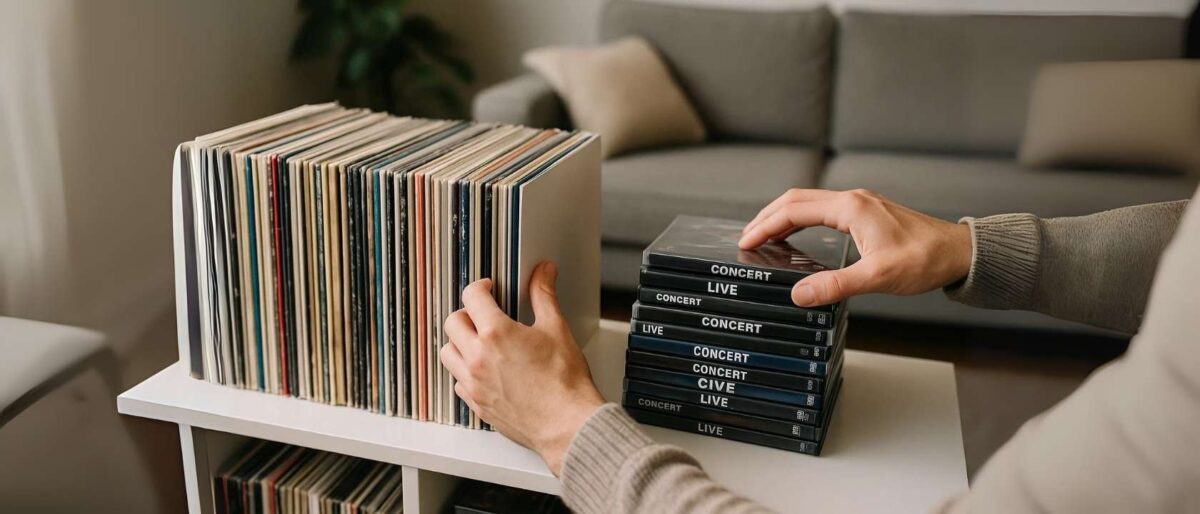
For many listeners, it’s not a battle between live and studio albums—it’s a partnership. Live albums often serve as souvenirs, reminders of concerts they attended or tokens from shows they couldn’t make. Owning the recording feels like holding a piece of the night, a way to relive the atmosphere whenever they want.
At the same time, studio albums remain the definitive versions, the canon that cements an artist’s legacy. They’re the polished works meant to stand forever, the baseline every other performance is measured against. Even die-hard collectors treat studio releases as anchors in their music library.
In practice, the two formats coexist seamlessly. A playlist might flow from a clean studio track into a gritty live performance, adding variety and texture. Some fans deliberately mix both to capture the dual sides of an artist—the perfection of the studio and the unpredictability of the stage.
For superfans, the contrast is the appeal. They don’t want to choose one over the other. Instead, they value the tension between studio polish and live fire, knowing each offers something the other can’t. Collecting both isn’t about preference—it’s about seeing the full picture of an artist’s artistry.
Industry Perspective
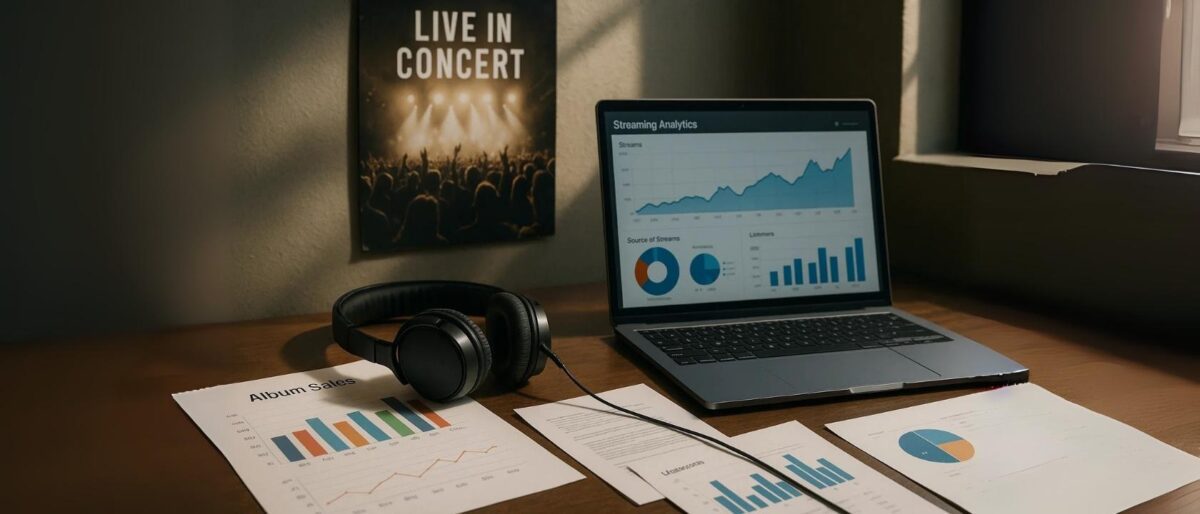
From the business side, live albums are more than passion projects—they’re smart strategy. They help boost revenue between studio releases, keeping fans engaged while new material is in the works. A well-timed live record can fill gaps in an artist’s schedule, generating sales without the lengthy production cycle of a fresh studio album.
There’s also a clear marketing angle. Capturing an iconic tour on record allows fans who couldn’t attend to experience the moment. A sold-out arena becomes accessible to listeners worldwide, creating both a keepsake for attendees and a gateway for newcomers. Live albums often coincide with DVDs, documentaries, or deluxe box sets, stretching the tour’s impact far beyond the stage.
The digital age has added another layer. Streaming platforms now feature Spotify Sessions, Apple Music exclusives, and YouTube live drops. These formats blur the line between traditional live albums and digital content, catering to fans who crave immediacy. A surprise live release can trend instantly, reaching millions without physical distribution. For the industry, it’s a way to maximize both reach and revenue while feeding the fan base between studio milestones.
Conclusion
When it comes to the debate over live albums versus studio versions, there’s no clear winner. Each serves a different purpose. Studio tracks give us polish, precision, and permanence, while live recordings capture energy, spontaneity, and connection. Both formats reveal unique sides of an artist’s craft. Rather than choosing, the best approach is to enjoy the contrast. So next time you play your favorite track, queue up both versions—the studio original and the live take—and see which one speaks to you in the moment.