Lee Brice in Schenectady, NY on Sep 6, 2025: Tickets & Info
August 30, 2025
Thomas Rhett in Savannah, GA on Sep 6, 2025: Tickets & Info
August 30, 2025Why Music Feels More Emotional During Live Performances | Concert Guide
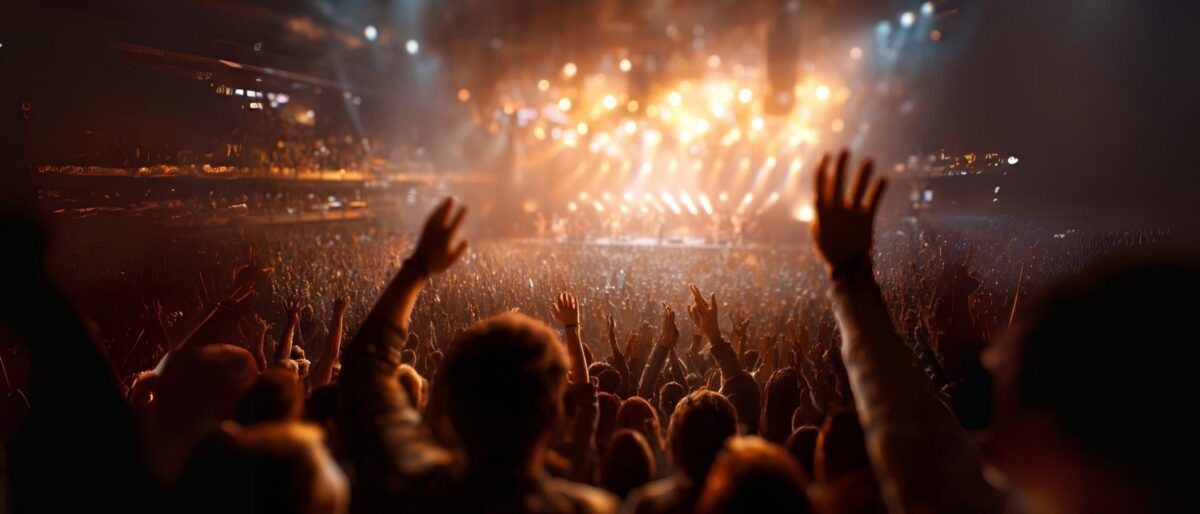
Goosebumps hit as the crowd sings, lights pulse, and your heart answers. Headphones sound clean, yet live music feels bigger, bolder, nearer. Why? Because bodies, voices, and space turn songs into shared experiences. This guide explains how sound, science, and community amplify emotion at concerts. Ready to feel why together?
Want me to write The Power of Shared Energy next?
The Power of Shared Energy
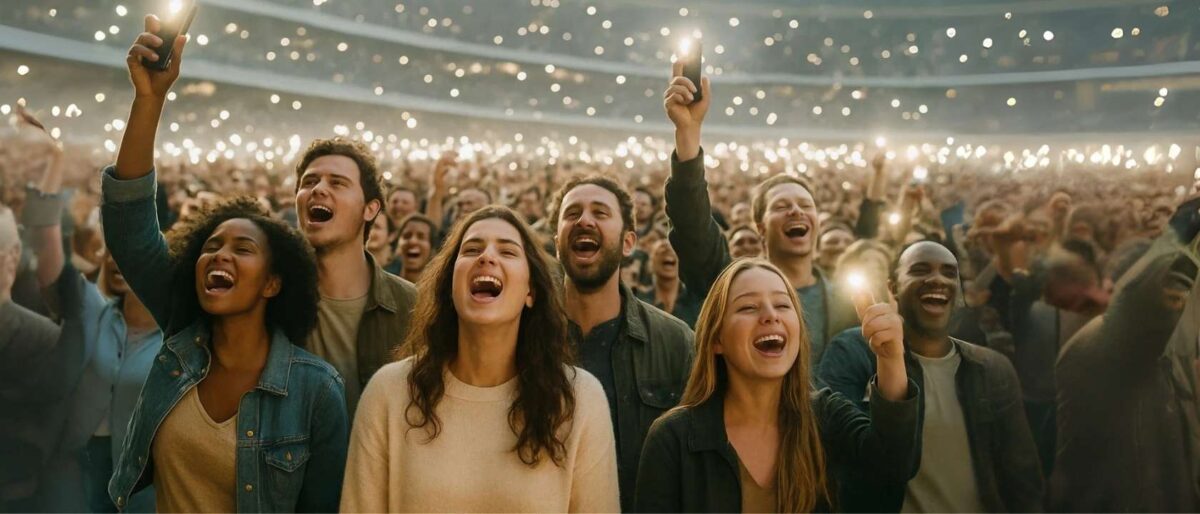
Stand in the middle of a stadium when thousands sing the same lyric, and you’ll feel something headphones alone can’t deliver. That’s crowd psychology at work. Being surrounded by fans amplifies every beat, every word, every flicker of light. You’re swept into a tide that carries everyone together.
Humans mirror each other’s emotions without even thinking about it. Laughter spreads, tears ripple, cheers multiply. This “emotional contagion” transforms a simple song into a collective experience. At home, you nod your head in rhythm. In a crowd, you clap, shout, and sing, almost instinctively following the wave of energy.
The difference is night and day: listening alone is private and personal, but standing shoulder to shoulder with strangers who feel what you feel turns music into something larger than life. It’s community in its rawest form. Stadium sing-alongs prove this best—voices swell, harmonies collide, and the result is pure electricity. The energy doesn’t trickle; it builds, rushes, and bursts like a wave breaking on the shore.
Isn’t that why we chase live shows in the first place—to feel less like spectators and more like part of something bigger?
The Physical Impact of Sound
When the bass drops at a concert, it doesn’t just enter your ears—it rattles your chest, vibrates through your bones, and jolts your heartbeat. That’s the physical punch of live music. Vibrations and volume reach places no recording ever could, turning listening into a full-body encounter.
Science explains part of it. Sound waves aren’t simply heard; they’re felt. Low frequencies can stimulate the vagus nerve, raising adrenaline, quickening breath, and even altering heart rate. It’s why your pulse sometimes syncs with the rhythm, almost as if your body is drumming along with the band.
Digital recordings deliver clarity, but they compress reality. Earbuds feed a fraction of the frequencies a live stage pumps out. At a concert, every sound—from the thump of drums to the subtle slide of a guitar string—travels unfiltered through the air. That spectrum hits you in ways technology struggles to replicate.
Think of standing near giant speakers, your shirt quivering with each beat, versus hearing the same track through small earbuds. The difference isn’t subtle—it’s seismic. Live sound surrounds you, consumes you, and reminds you that music is not just something to hear, but something to feel deeply.
The Visual and Theatrical Dimension

Music alone stirs emotion, but pair it with sight and the impact multiplies. On stage, artists don’t only sing; they tell stories with every gesture. A raised eyebrow, a fist in the air, a costume change—these signals add shades of meaning that no audio track conveys on its own.
Lighting, pyrotechnics, and set design are more than decoration. They’re emotional amplifiers. Bright white beams during a soaring chorus, flames exploding with a guitar solo, or soft blue lights framing a ballad—all shape how you interpret the music. It’s theater fused with sound, turning a performance into spectacle.
Seeing an artist in the flesh hits differently than watching a screen. Pixels create distance; presence closes it. Eye contact, a wave, or even the sweat on a performer’s brow reminds you they’re human, here, sharing the moment with you. That closeness intensifies the bond between artist and audience.
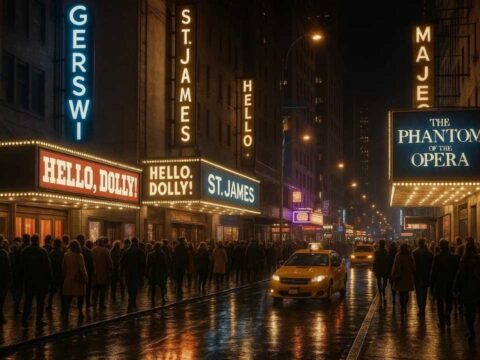
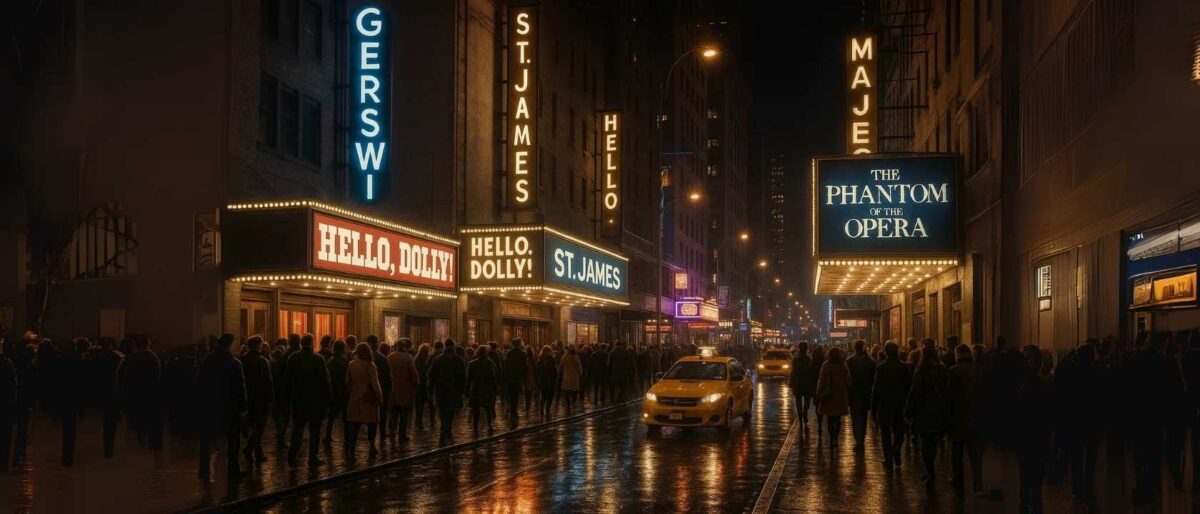
Broadway musicals prove this art form perfectly. Songs that might sound sweet in a recording take on new force when paired with choreography. A leap, a spin, or synchronized movement by the cast lifts the lyrics higher. The visual layers wrap around the music, making each note echo with more depth.
Authenticity and Spontaneity
One reason live performances hit harder is their imperfect beauty. A cracked note, a raw vocal, a guitar riff stretched longer than planned—these flaws make the moment feel alive. Unlike a polished studio track, a concert embraces the human side of music, reminding us it’s created in real time.
Spontaneous moments add even more magic. Musicians often improvise, throwing in extended solos or playful rhythm shifts that only the crowd in that room will ever hear. Audience interactions, like a singer holding out the mic for fans to finish a chorus, transform spectators into participants. Suddenly, you’re not just watching—you’re inside the performance.
Unpredictability fuels emotion. When every sound is prepackaged, the listener knows what’s coming. But in a live setting, surprises keep hearts racing. An acoustic encore strips a song to its bones, exposing its soul. A surprise guest walking on stage creates collective shock and joy that ripple through the audience like lightning.
It’s this unpredictability that elevates live music. You walk in expecting a concert, but you leave carrying a memory. That sense of “this happened once, here, with us” is what makes the experience unforgettable.
Memory, Context, and Anticipation
Every listener brings their own story to a song. A track tied to a first kiss, a road trip, or a difficult season takes on sharper meaning when heard live. Personal context blends with the artist’s performance, making familiar lyrics feel heavier, lighter, or altogether transformed in that shared moment.
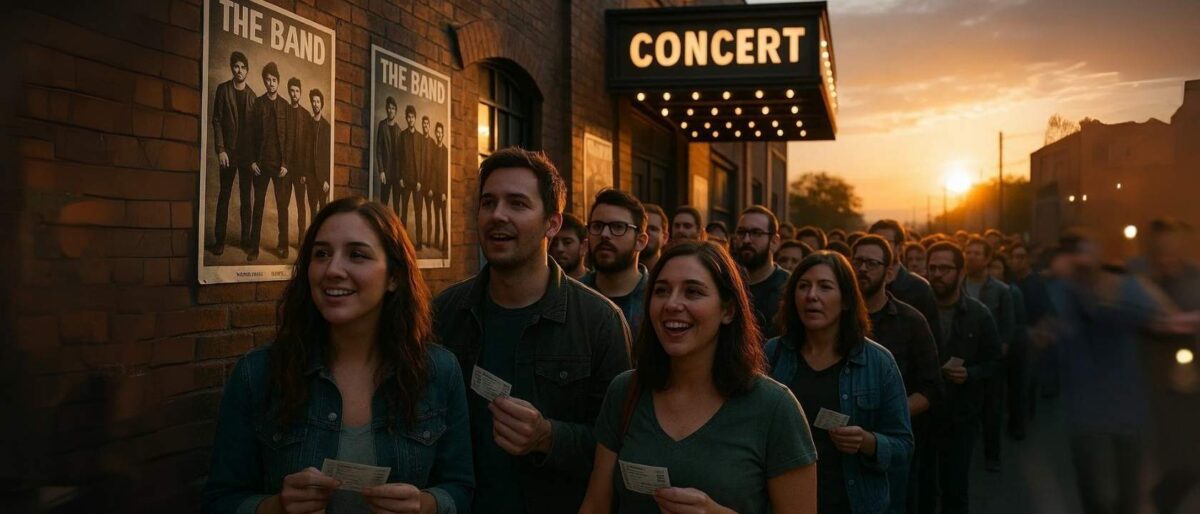
Anticipation adds another layer. Fans wait weeks, even months, counting down to a show. That buildup creates tension, and when the first note finally drops, the release feels explosive. The emotional payoff comes not only from the music but also from the long wait leading up to it.
There’s also the fleeting nature of concerts. Each performance is temporary, gone as soon as the lights fade. That ephemerality makes the experience more valuable, a memory locked in time. Unlike a recording you can replay endlessly, a live show exists once, then only in memory and retelling.
Think about the final song of the night. As the encore closes, there’s a sense of both fulfillment and loss. Everyone knows it’s the last note, and that collective awareness makes it land harder. The weight of that ending is why we carry concerts with us long after they finish.
Neuroscience of Live Music Emotion
Behind the goosebumps and tears, the brain is working overtime during a concert. One key factor is dopamine release. This neurotransmitter lights up the reward pathways, giving you that rush of pleasure when the beat drops or the chorus hits. Live shows trigger it more intensely than recorded music because of the multisensory overload—sound, sight, and energy colliding at once.
Then there are endorphins and oxytocin, hormones that bond people together. Collective singing, clapping, or chanting releases these chemicals, creating feelings of trust and closeness. That’s why belting out a chorus with strangers can feel like instant friendship. The science says your brain is rewarding you for being part of the group.
Studies even show synchronization of brain waves during live music. When audiences clap in rhythm or sway together, their neural patterns line up. This alignment enhances empathy and makes the experience feel communal rather than individual. In short, your brain is literally syncing with the people around you.
Choirs are a perfect example. Research proves that group singing lowers stress, boosts mood, and strengthens bonds. Now scale that up to thousands of voices in a stadium, and you can see why live music feels so overwhelmingly emotional—it’s a neurological symphony playing inside us all.
Connection with the Artist
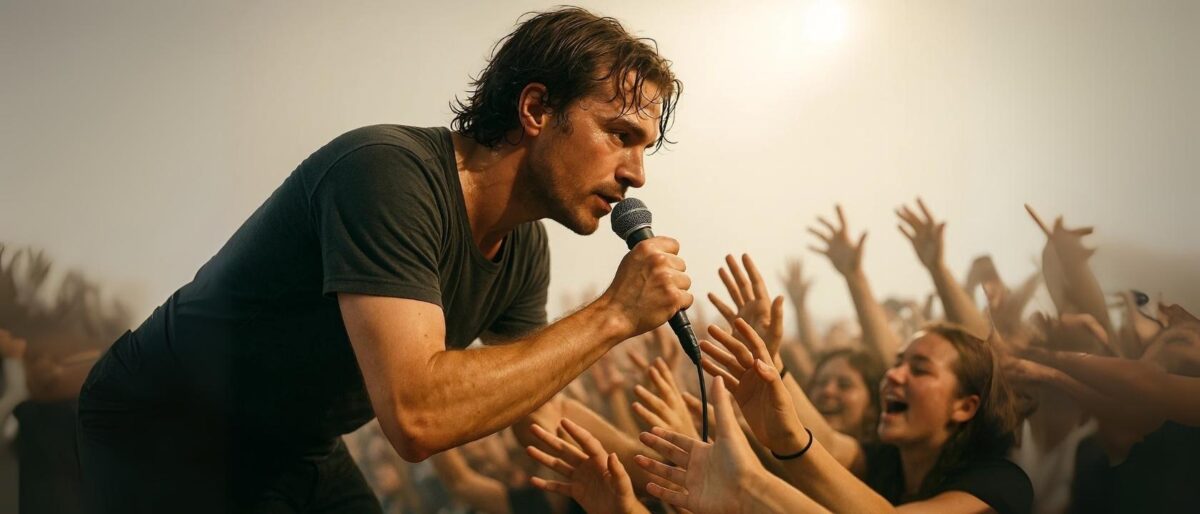
One of the most powerful parts of a live performance is the bond between artist and audience. When you watch a singer react to the crowd in real time—smiling at cheers, pausing for applause, or even tearing up—you feel the barrier between stage and seats dissolve. The music shifts from performance to conversation.
Simple gestures make this connection stronger. Eye contact with someone in the front row, a shoutout to the city, or a call-and-response chant pulls fans directly into the moment. Instead of being passive listeners, the crowd becomes part of the rhythm, an essential piece of the performance itself.
That closeness makes you feel like you’re inside the story rather than watching it from afar. A song that once seemed distant now feels personal, almost written for you. These live exchanges make music less about entertainment and more about shared experience.
Think of when an artist tells a personal story before starting a ballad. Suddenly, the lyrics carry more weight because you’ve heard the backstory. It’s not just a song—it’s their memory and yours colliding. That intimacy is why concerts often feel unforgettable long after the final note fades.
Cultural and Social Significance
Concerts aren’t just entertainment—they’re cultural markers. For many, attending a first live show is a rite of passage, a moment that lingers as clearly as a graduation or a first job. These experiences anchor memories and tie music to important stages of life, giving songs a permanent emotional backdrop.
Festivals and concerts also work as modern tribal gatherings. People come together, not only to hear music but to feel unity in the crowd. The collective rituals—singing anthems, waving lights, wearing band merch—create shared identities. These acts signal belonging, a way of saying, “I’m part of this.”
In this setting, music becomes more than sound. It transforms into a badge of identity, a connector across age, class, and culture. Standing in the crowd, you see how songs can unite strangers who would otherwise never meet. The beat is both personal and universal, weaving individuals into community.
History proves this. Think of Woodstock, where music and social movements intertwined. Or Coachella, which blends art, fashion, and sound into a cultural event. Even local community concerts carry this power, turning parks and town squares into places of bonding. These gatherings remind us that music is not only heard but lived together.
Conclusion
Live music works on every level—science, psychology, and human connection. The vibrations stir the body, the crowd fuels the spirit, and the brain rewards us with chemicals that make the night unforgettable. Add to that the storytelling, the visual spectacle, and the artist’s presence, and you’ve got an experience far richer than a recording alone.
Music is always both personal and collective. A favorite song can take you back to a memory, but in a live setting that memory is magnified by thousands of voices singing with you. Concerts remind us that we’re not only listening but also participating in something larger, a shared pulse that binds strangers together for a few fleeting hours.
That’s the magic of live performance. It’s imperfect, unpredictable, emotional, and electric. And even when we already know every lyric, we line up for tickets again and again. Because deep down, we crave that energy, that closeness, that once-in-a-lifetime spark. Isn’t that why we keep buying tickets, even when we’ve heard the same song a thousand times?