How to Contact the Box Office for Ticket Help: A Complete Guide
August 27, 2025
Cody Johnson in Orlando, FL on Sep 5, 2025: Tickets & Info
August 27, 2025How Musicals Influence Culture, Politics & Storytelling
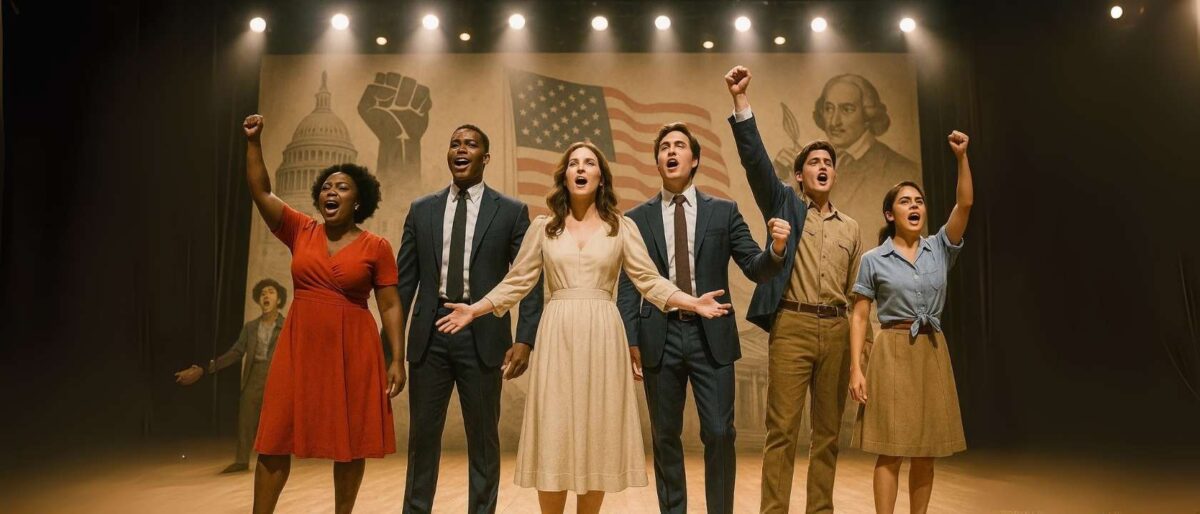
Musicals are more than bright lights and catchy tunes. They echo society’s struggles, hopes, and transformations. By blending song, story, and stagecraft, they shape conversations about culture, politics, and history. From stirring emotions to reframing identities, musicals influence how audiences see the world—and how the world sees itself.
Musicals as Cultural Mirrors
Musicals often act like time capsules, capturing the values, conflicts, and aspirations of the era in which they were written. They don’t exist in isolation; instead, they mirror society back to itself, highlighting what people dream of, worry about, and debate most fiercely at a given moment in history.
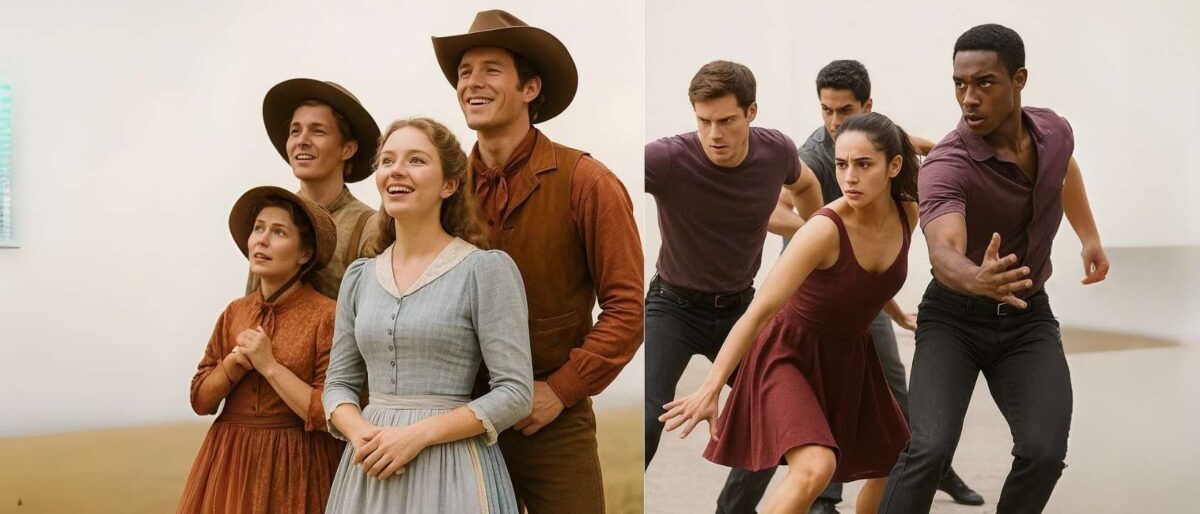
Take Oklahoma! for example. Premiering in 1943, right in the middle of World War II, the show radiated themes of community, optimism, and building a hopeful future. It reinforced a sense of American identity at a time when audiences desperately wanted stability and reassurance. Its songs and story echoed the belief that togetherness could overcome uncertainty.
A decade later, West Side Story shifted the stage spotlight to immigration, race, and urban conflict. With its reimagining of Romeo and Juliet, it gave voice to tensions between Puerto Rican immigrants and white communities in New York. Audiences not only watched a tragic love story but also confronted real issues of prejudice and identity playing out in their own neighborhoods.
Across decades, musicals like these serve as cultural snapshots. They capture moods, spark conversations, and preserve the spirit of an age, reminding us that every note and lyric tells us as much about society as it does about the characters on stage.
Shaping Political Conversations
Some musicals don’t just entertain—they challenge audiences to think about power, justice, and identity. By weaving politics into music and story, they make tough subjects accessible, emotional, and memorable. What might feel dry in a textbook suddenly feels urgent when sung on stage.
Hamilton is a perfect example. Lin-Manuel Miranda reimagined the founding fathers with hip-hop rhythms and a diverse cast, reframing history through modern voices. It sparked debate about race, representation, and who gets to tell America’s story. Similarly, Evita dives into political power and populism, showing how Eva Perón rose from poverty to become a controversial symbol of leadership and manipulation.
Other shows have acted as direct protests. Hair captured the anti-war, free-love counterculture of the 1960s, pushing back against authority and tradition. Decades later, Rent brought the AIDS crisis and LGBTQ+ struggles to mainstream theater, demanding visibility and compassion for marginalized communities. Both became cultural flashpoints, reminding audiences that musicals can be rallying cries as well as entertainment.
What makes these shows powerful is their reach. They don’t stop at curtain call—audiences leave the theater with songs echoing in their heads and ideas stirring in their conversations. Musicals, in this sense, act as political dialogue starters, encouraging society to reflect on the issues shaping the present.
Storytelling Through Music & Movement
Musicals tell stories in ways no other medium can. Where novels lean on words and films rely on visuals, musicals combine song, dialogue, and choreography to express what characters feel and want most deeply. Music doesn’t pause the plot—it drives it forward, letting audiences step inside the emotions of the moment.
One hallmark of this is the “I Want” song, a staple in shows from The Little Mermaid to Wicked. When Ariel sings about life on land or Elphaba dreams of defying gravity, the audience hears not just their goals but their vulnerability, courage, and longing. These songs define character arcs and make journeys feel personal, almost intimate, even in a crowded theater.
Choreography adds another layer. Movement reveals relationships and emotions often more powerfully than words. A dance break can show tension between rival groups, unity among outcasts, or the inner conflict of a single character. In musicals, every step and gesture contributes to storytelling, blurring the line between dialogue and performance.
Compared to straight plays or novels, musicals condense complex emotions into heightened moments. A three-minute song can capture an entire chapter of growth or conflict, making the story unforgettable. It’s this fusion of music and movement that gives musicals their unmatched narrative punch, turning stories into experiences audiences feel in their bones.
Reimagining History & Identity
Musicals don’t just retell history—they often rewrite how we remember it. By combining artistry with perspective, they can transform familiar events into fresh narratives that feel immediate, inclusive, and deeply relevant to modern audiences. In doing so, they reshape collective memory and expand who gets to stand in the spotlight.
Hamilton is the clearest example of this. By setting the story of America’s founding fathers to hip-hop and casting actors of color in roles traditionally portrayed as white, Lin-Manuel Miranda reframed the nation’s origin story. Instead of a distant tale of powdered wigs, the musical became a living dialogue about race, immigration, and national identity. It proved that history can be both celebrated and questioned at the same time.
Other musicals like Evita and Cabaret also tackle history through a theatrical lens. Evita dramatizes Eva Perón’s political rise, blending admiration and critique of her power. Cabaret, set against the rise of Nazism, uses the cabaret stage as a metaphor for complacency in the face of political danger. Both remind audiences that history isn’t neutral—it’s shaped by how stories are told.
Perhaps most importantly, musicals give voice to those often overlooked. By centering marginalized characters and communities, they challenge dominant narratives and broaden cultural identity. Whether through casting choices, musical style, or subject matter, these shows prove that the past belongs to everyone, and the stage is a place where forgotten voices can finally be heard.
Musicals as Agents of Social Change

Some musicals don’t simply reflect society—they push it forward. By spotlighting issues of identity, inequality, and justice, they challenge audiences to reconsider what’s normal, what’s fair, and what’s possible. Their reach goes beyond the stage, influencing conversations in living rooms, classrooms, and even political spaces.
Rent was groundbreaking in the 1990s. By centering LGBTQ+ characters and openly addressing the AIDS crisis, it normalized queer lives and struggles in mainstream theater. Audiences who may never have engaged with these issues were introduced to them through music, empathy, and unforgettable storytelling. Its message of love, loss, and community broke barriers and widened representation on Broadway.
Les Misérables, though set in 19th-century France, tackles themes of poverty, justice, and revolution that resonate across centuries. Its portrayal of the oppressed rising against systemic inequality speaks to universal struggles for dignity and fairness. The musical reminds viewers that art can fuel empathy for those society often ignores.
Musicals also expand boundaries of acceptability. Shows like Hair shocked audiences with nudity, language, and counterculture themes, proving that theater could be raw, political, and unfiltered. Later productions continued to test limits by bringing taboo subjects—race, sexuality, addiction—into the spotlight without apology.
Through these bold choices, musicals act as catalysts for change. They don’t just entertain; they educate, provoke, and inspire, pushing culture to grow in ways that policy alone cannot.
Pop Culture & Global Reach
Musicals don’t stay confined to theater walls—they spill into everyday life, shaping trends in fashion, language, and media. Their songs get stuck in our heads, their characters become cultural icons, and their stories ripple across generations. In many ways, musicals are pop culture engines disguised as stage shows.
Grease is a classic example. Beyond its stage and film versions, it influenced hairstyles, slang, and even the way audiences thought about high school coolness. Decades later, High School Musical repeated that effect for a new audience, sparking dance crazes, fashion choices, and phrases that entered teen vocabulary worldwide.
Film adaptations amplify this reach even further. From Chicago to Les Misérables, stage musicals turned into movies have reached audiences far beyond those who could ever make it to Broadway or the West End. The result is a global fan base connected not just by ticket stubs, but by shared songs and stories.
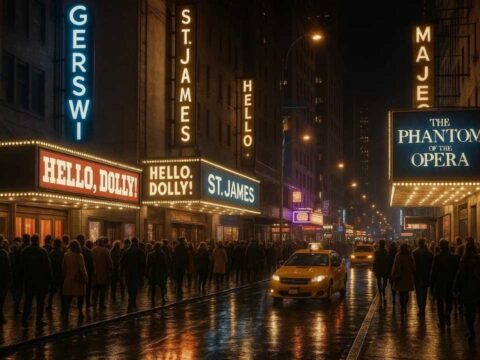
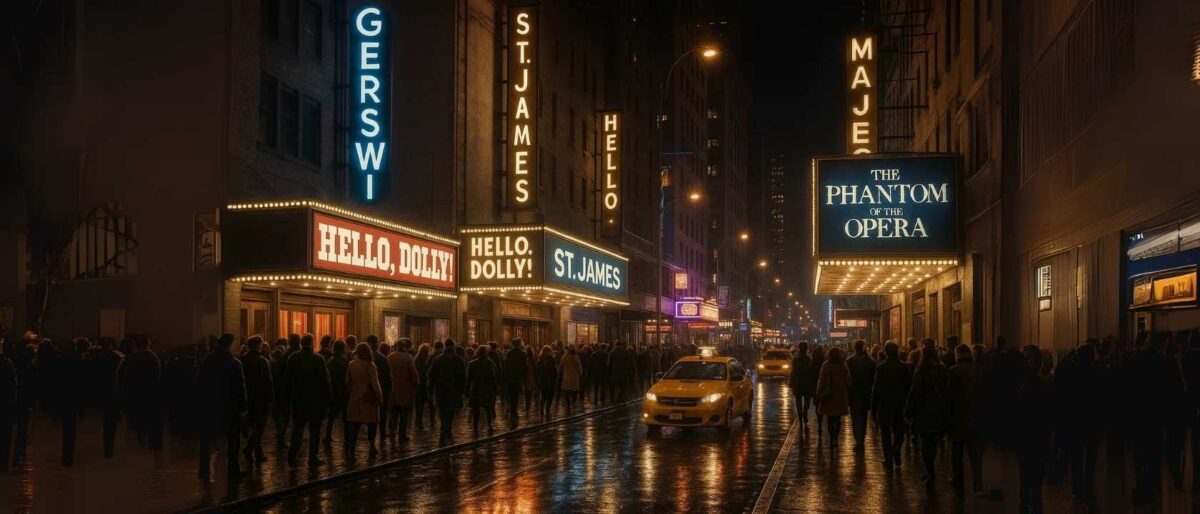
Meanwhile, Broadway and the West End serve as cultural exports. Tourists flock to New York and London for the theater experience, while touring productions bring the same shows to cities around the globe. These hubs don’t just host performances—they set the tone for global entertainment, influencing television, film, and even streaming platforms.
In short, musicals aren’t just shows. They’re style-setters, language-shapers, and global ambassadors of storytelling, proving their influence reaches far beyond the stage.
The Emotional Connection
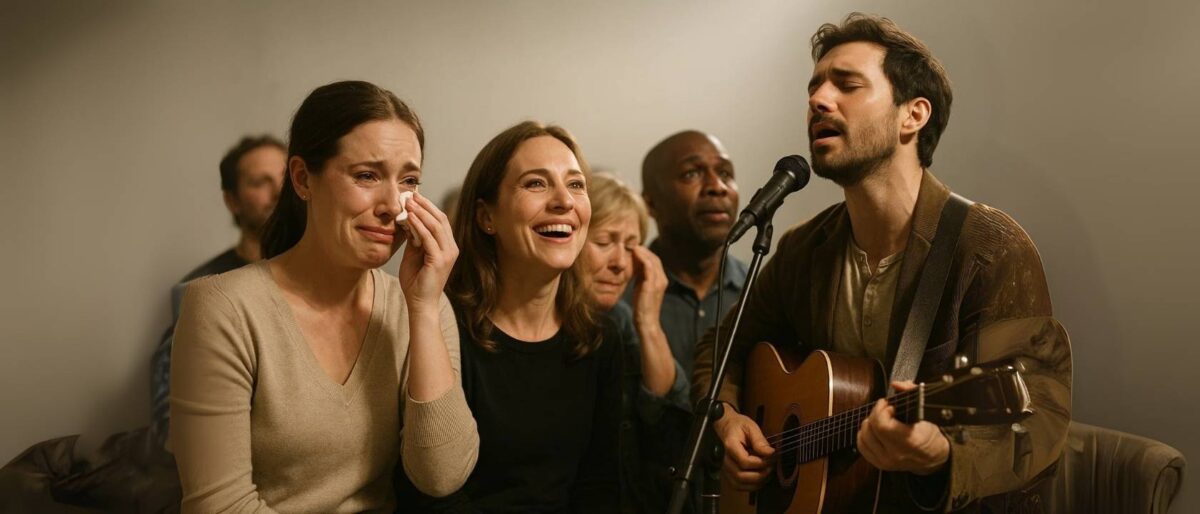
At the heart of every musical lies its ability to move people. Music-driven storytelling goes beyond words on a page. A melody can stir feelings that dialogue alone might not reach, wrapping audiences in emotions that are both personal and universal. This is why musicals linger long after the curtain falls.
Part of the power comes from catharsis. A soaring ballad or heartbreaking reprise gives audiences a safe space to release their own emotions. When Jean Valjean sings “Bring Him Home” in Les Misérables, the moment resonates not only as a father’s prayer but as a universal plea for love and protection.
Empathy also plays a central role. Musicals invite audiences to step into another’s shoes, whether it’s Elphaba fighting prejudice in Wicked or Alexander Hamilton chasing ambition in Hamilton. The combination of words, rhythm, and movement lets viewers feel these struggles in their bones, forging connections that transcend background or experience.
Equally important is the collective experience. Sitting in a theater with hundreds of strangers, all gasping, laughing, or tearing up together, creates a sense of unity. Everyone is swept into the same rhythm, sharing the same emotional highs and lows. It’s a reminder that storytelling is not just consumed individually—it’s felt communally.
This blend of music, empathy, and shared emotion is why musicals endure. They don’t just tell stories—they make us feel them as if they’re our own.
Criticisms & Limitations
While musicals hold enormous cultural power, they’re not without flaws. The same medium that sparks change and inspires audiences can also fall short, especially when commercial interests outweigh bold storytelling. Understanding these limitations provides a fuller picture of what musicals do—and what they sometimes fail to do.
Commercialization and “safe” storytelling: Broadway and the West End are expensive industries, and financial risk often shapes what gets produced. Producers lean toward familiar titles, movie adaptations, or lighthearted shows that guarantee ticket sales. This pursuit of profit can sideline experimental voices or radical stories that might challenge audiences more deeply.
Representation gaps: Musicals have long struggled with questions of who gets to tell which stories. Casting and creative teams still face criticism for underrepresenting marginalized groups. Even when diverse stories are staged, they’re sometimes filtered through perspectives that aren’t authentic to the communities depicted, raising questions of ownership and voice.
Oversimplifying politics: Spectacle can be both strength and weakness. While musicals can bring complex political themes to mass audiences, they also risk flattening those issues into digestible soundbites. A rousing anthem may move a crowd, but it can also gloss over nuance, leaving deeper debates unexplored.
These criticisms don’t diminish the art form’s impact, but they remind us that musicals are products of their cultural and economic environments. They can inspire and provoke, yet they can also reinforce the very systems they seek to critique.
Conclusion
Musicals are more than staged entertainment. They are cultural mirrors, political commentators, and narrative innovators rolled into one. Whether through the optimism of Oklahoma!, the activism of Rent, or the reinvention of history in Hamilton, they reveal who we are and who we aspire to be.
Yet their role extends beyond reflection. Musicals act as catalysts for change, challenging norms, expanding representation, and sparking conversations that ripple far outside theater walls. They remind us that art can provoke empathy as easily as applause, and that a song can sometimes shift perspectives more powerfully than a speech.
As the art form continues to evolve, so does its impact. Each new production reshapes how we think about identity, history, and community. Musicals are not relics of past eras—they are living, breathing works that grow with society, carrying stories that matter into the spotlight.
In the end, musicals don’t just entertain. They educate, inspire, and transform, leaving us with melodies that linger and questions that demand answers long after the curtain falls.