Carrie Underwood in Highland, CA on Sep 5, 2025: Tickets & Info
August 29, 2025
What to Do If You Lose Your Friends at a Concert or Festival | Safety & Tips
August 29, 2025Where to Park Near Major Venues for Shows and Concerts | Parking Guide
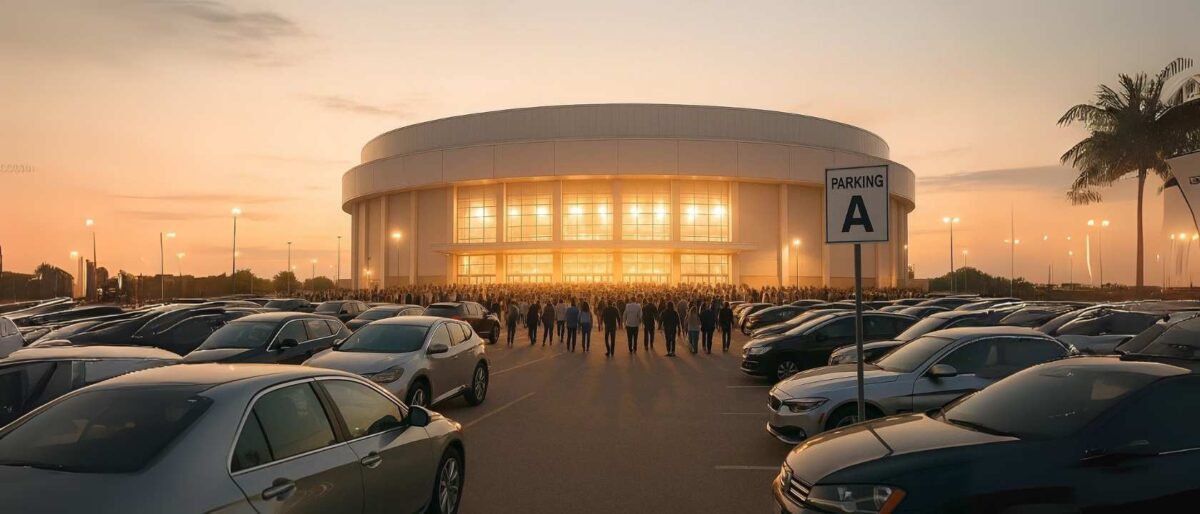
Nothing kills pre-show excitement like circling blocks hunting for a spot. Parking near major venues is often tricky, expensive, and stressful. Planning ahead saves time, money, and nerves. This guide breaks down parking choices, cost-saving tricks, and smart strategies so your night starts with music, not frustration.
Why Parking Matters for Concert-Goers
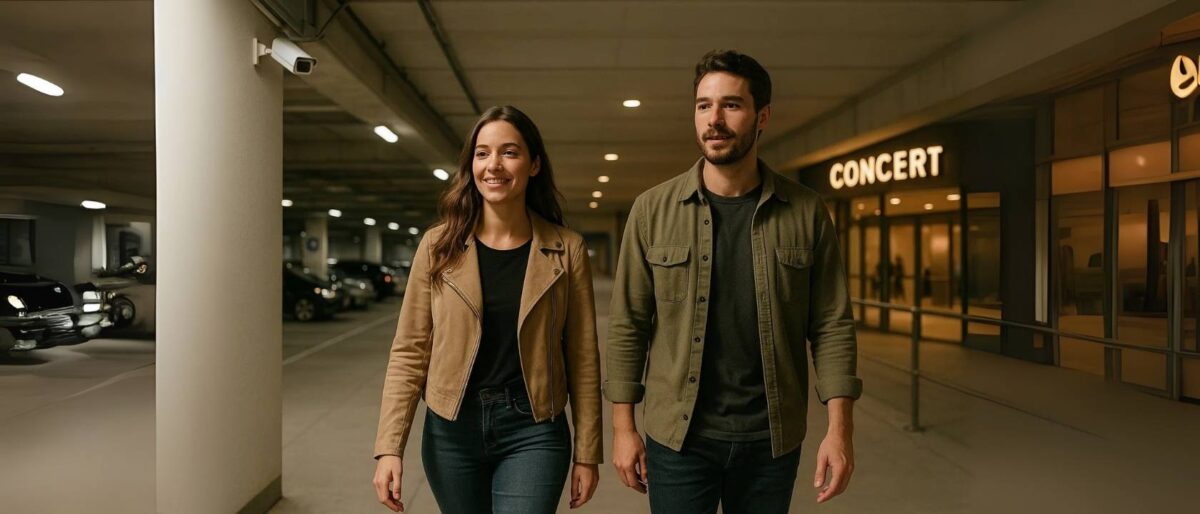
Finding the right parking spot before a show isn’t just about where you leave your car—it shapes the entire night. Arriving on time and calm means you can grab a drink, find your seat, and soak in the atmosphere without stress. A good parking plan keeps you focused on the music, not the hassle.
Safety also plays a major role. Well-lit garages with attendants or security patrols reduce risk compared to random side streets with little oversight. Choosing secure parking gives peace of mind, especially when you’re walking back late at night after an encore.
Cost is another factor. Last-minute parking near venues often comes at premium prices. By planning ahead, you avoid overpriced lots and keep more money for merchandise, food, or even another ticket down the road. Parking apps and pre-booking are lifesavers for budget-conscious fans.
Finally, convenience matters more than people realize. Parking close to exit routes can shave off half an hour stuck in post-show traffic. Whether it’s selecting an upper-level garage spot or a lot with quick street access, smart placement helps you leave with less frustration. A little foresight makes the night smoother from start to finish.
Types of Parking Options Near Venues
Not all parking near venues is created equal. Some options prioritize convenience, others lean on price, and a few balance both. Knowing what’s available before show night can spare you stress, delays, and unnecessary costs. Here are the main choices concert-goers face around major arenas and theaters.
Official venue parking lots and garages: These are usually the closest spots, located right next to or beneath the venue. The trade-off is cost—these lots often charge the highest rates. The upside? You’re steps away from the entrance, making them great for fans who don’t want a long walk.
Private lots and garages nearby: Just a few blocks away, private operators often run their own parking facilities. These lots can be competitive in price and sometimes much cheaper than official venues. With a little research, you might find a hidden gem that saves money without adding much extra walking time.
Street parking: This option exists but comes with risks. Restrictions, time limits, and towing zones can ruin a night quickly. If you choose street parking, read signs carefully and factor in safety—walking through dark or unfamiliar neighborhoods late at night isn’t ideal after a show.
Rideshare zones as parking alternatives: Another smart move is to park farther away in a cheaper lot and use rideshare for the final stretch. It reduces stress near the venue, helps you skip packed garages, and can be cost-effective if split with friends.
How to Research Parking Before the Show
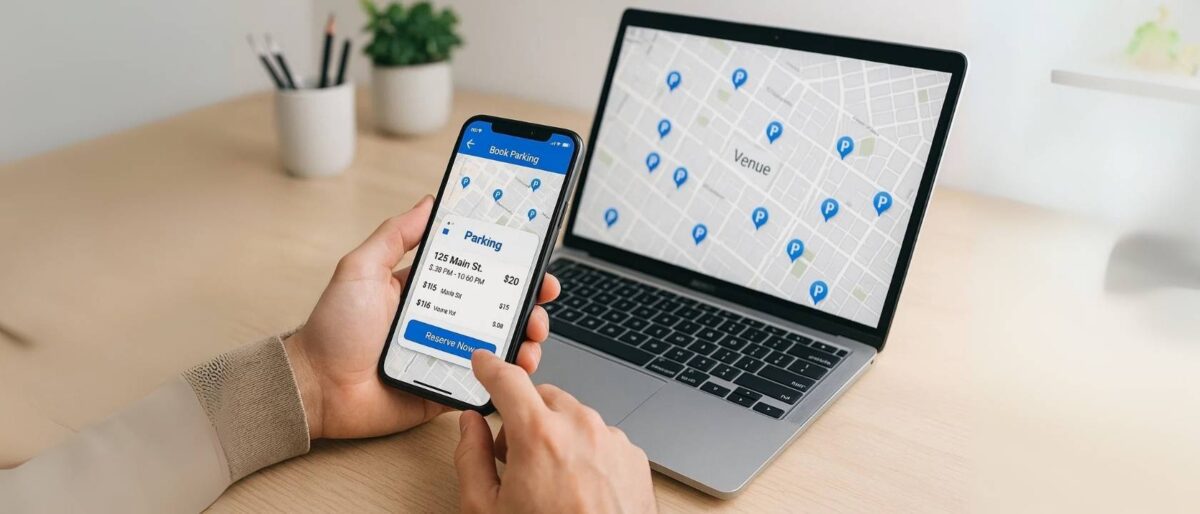
Parking doesn’t have to be a gamble. With a little research before the night of the show, you can avoid circling endlessly or paying outrageous rates. The tools are right at your fingertips—you just need to know where to look.
Venue websites: Most major arenas and theaters post parking information directly on their sites, often with downloadable maps. These show official garages, recommended lots, and sometimes even directions for quickest exits. Checking here first saves time and sets expectations on price and availability.
Parking apps: Services like SpotHero, ParkWhiz, and ParkMe allow you to compare options and pre-book spaces. They often include real-time availability, pricing, and distance from the venue. Booking in advance guarantees you a spot and usually locks in a better rate than drive-up prices.
Google Maps satellite and street view: A quick look on Google Maps lets you scout lots and garages near the venue. Street view helps confirm entrances and walking paths so you won’t be scrambling in traffic figuring out where to turn.
Social media and forums: Local groups on Facebook, Reddit, or fan forums often share parking hacks—like hidden lots, cheaper garages, or streets that allow extended parking during events. These insider tips can give you an edge over unprepared visitors.
Cost-Saving Strategies
Concert nights can get pricey fast, and parking often adds more than you’d expect. Luckily, a few smart moves can trim the expense and leave extra cash for merch, food, or another show down the line. Here’s how to cut costs without cutting convenience.
Pre-booking online: Many garages and apps offer discounted rates if you reserve ahead of time. Not only do you save money, but you also guarantee a spot, which means no stress hunting around once you arrive. Early booking often beats the inflated drive-up prices outside major venues.
Coupons and event codes: Some venues and parking operators release special codes for big shows. Keep an eye on ticket emails, venue newsletters, or even the parking apps themselves. These codes can shave several dollars off your total.
Carpooling: Parking costs the same whether one person or four are in the car. Splitting the fee with friends makes it much more manageable. Plus, carpool lanes often get you to the venue faster, reducing pre-show traffic headaches.
Park farther, walk a bit: If you’re comfortable walking ten or fifteen minutes, you’ll often find lots with cheaper rates just outside the busiest areas. The short stroll back to your car can also help beat the post-show gridlock, giving you a head start while others sit waiting to exit.
Timing and Traffic Tips
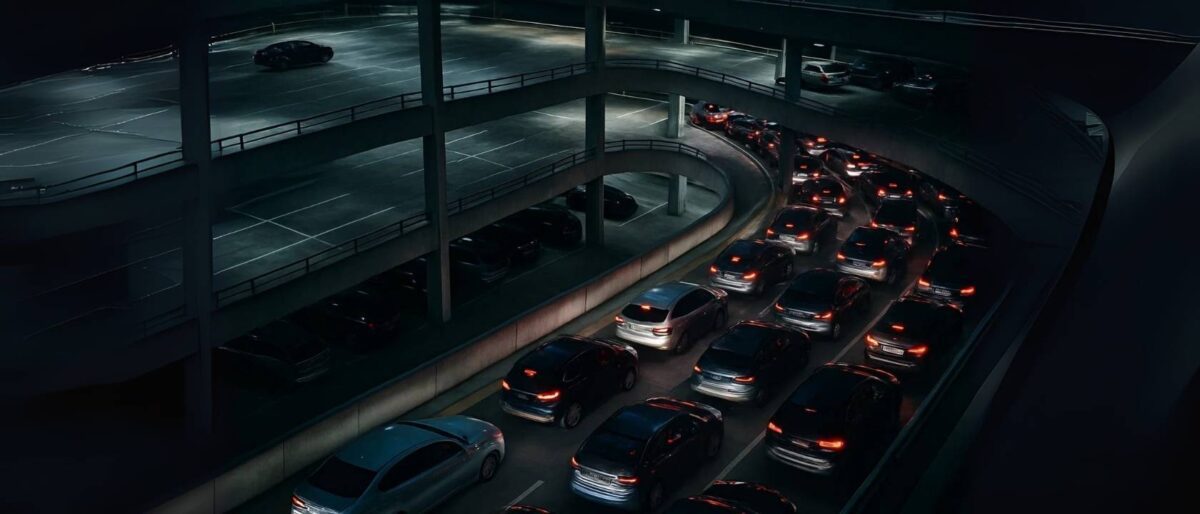
Good parking isn’t only about where you park—it’s about when. Timing can make the difference between slipping into a smooth evening or sitting stuck in frustration. A little planning around arrival and departure goes a long way in shaping the concert experience.
Arrive early: Showing up ahead of the rush gives you more options. You’ll find better spots, have time to grab food, and avoid the stress of racing against the opening act. Early birds usually get closer, safer, and easier-to-navigate spaces.
Plan for the exit: What goes in must come out. Post-show traffic jams are inevitable, but you can lessen the pain by thinking ahead. Know that thousands of cars will funnel out at once, so patience—or a smart parking choice—is key.
Choose exit routes: Parking near exits, or selecting spaces with quick access to main streets, often saves significant time. It might mean walking a little farther in, but it pays off when you’re driving out ahead of the crowd.
Garage levels matter: Lower levels fill first and empty last. Upper levels often clear faster after the show. The trade-off is a bit more walking, but the reward is less waiting. Picking the right level can cut 20–30 minutes off your departure time.
Accessibility and Special Needs
For fans with mobility challenges, parking isn’t just about convenience—it’s about access. Many major venues are required to provide ADA-compliant parking spaces, but those spots can fill quickly. Arriving early or reserving in advance gives you the best chance at securing a space close to the entrance.
ADA-compliant spaces: Official venue lots usually have designated areas for accessible parking. These spots are wider, closer to entrances, and designed to accommodate wheelchairs, ramps, or vans with lifts. Always check the venue’s site for exact locations and requirements, as some lots may ask for advance registration.
Drop-off zones: Many venues also provide designated drop-off and pick-up points for guests with mobility needs. This is a smart option if you’re attending with someone who doesn’t require accessible parking themselves. It allows the person with mobility needs to get close to the entrance without worrying about walking long distances.
Plan ahead with mobility aids: If you’ll be using a wheelchair, scooter, or other assistance device, look at venue maps beforehand. Knowing where ramps, elevators, and accessible paths are located can save time and stress on the day of the event. Calling the venue box office ahead of time is also a good way to confirm accessibility details.
Safety Considerations
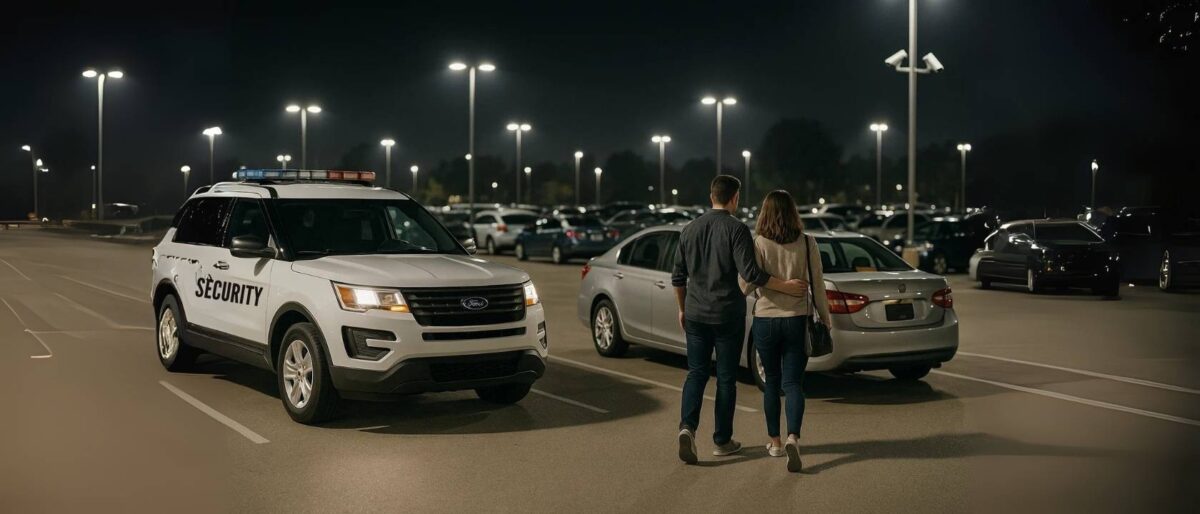
Parking isn’t only about price or proximity—it’s also about feeling secure before and after the show. A little extra awareness when picking a spot can make the entire night more comfortable and worry-free.
Well-lit areas: Always look for garages or lots with strong lighting. Bright spaces deter theft and make it easier to navigate when leaving after dark. A slightly longer walk from a well-lit area is worth the peace of mind compared to a shadowy corner spot.
Security presence: Many official lots and larger private garages have attendants, patrols, or visible cameras. These add an extra layer of safety. If you’re comparing two lots with similar prices, the one with clear security measures is the smarter choice.
Protect valuables: Cars with bags, phones, or electronics in plain view are tempting targets. Keep items out of sight by locking them in the trunk before you arrive at the venue. Taking two minutes to secure belongings helps avoid bigger problems later.
Walk in groups: After a late-night show, leaving with friends is always safer than walking alone through a quiet lot. If you’re solo, stick close to other concert-goers heading in the same direction. Shared footsteps create a safer atmosphere.
Venue-Specific Parking Examples
Each major venue has its own quirks when it comes to parking. Knowing the local setup can save time, money, and headaches. Here’s a quick look at how some of the country’s most famous venues handle parking and what strategies work best.
Madison Square Garden, NYC: This legendary arena doesn’t offer much in the way of official parking. Most visitors rely on nearby private garages around Penn Station. Rates are high, and spaces go quickly, so reserving online before your event is the safest move.
Staples Center (Crypto.com Arena), Los Angeles: Here you’ll find multiple garages, both official and private, within walking distance. Event nights also feature clearly marked rideshare zones, which can be a better choice than battling downtown traffic. Pre-booking is highly recommended for prime garages.
United Center, Chicago: Unlike most city venues, the United Center has large surface lots on-site. They’re convenient, but expect steep pricing during big events. Arriving early helps secure the better spaces closer to the arena entrance.
Fenway Park, Boston: Parking near Fenway is notoriously limited. Most fans either pre-book spots in nearby garages or park farther out and take public transit. This is a venue where driving right up to the gate is rarely worth the stress.
Red Rocks Amphitheatre, Colorado: With tiered parking lots spread along the natural terrain, expect lots of walking and some uphill climbs. Arriving early gets you closer to the amphitheater entrance and helps avoid the long trek back after the show. Comfortable shoes are a must here.
Alternatives to Driving and Parking
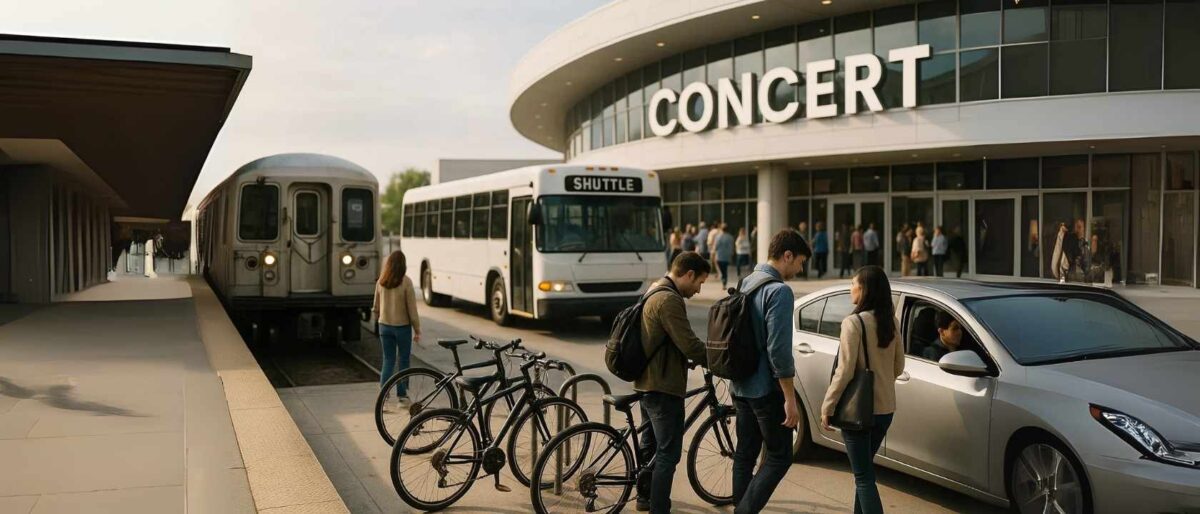
Sometimes the smartest parking strategy is skipping parking altogether. Major venues are usually well-connected to public transit or offer creative options that save both money and time. Exploring alternatives means you avoid traffic, overpriced lots, and the stress of beating the crowds out at the end of the night.
Public transit: Subways, trains, and buses often stop within walking distance of big arenas. In cities like New York, Boston, or Chicago, this is often the easiest way to get to a show. Transit avoids parking costs entirely and delivers you right into the action.
Shuttle services: Some venues partner with remote lots or nearby hotels to run shuttle buses. These services are especially useful for large outdoor venues or stadiums with limited onsite parking. You park farther away, hop on a shuttle, and get dropped at the main entrance without hassle.
Biking and bike-share: In many urban areas, biking to concerts is becoming more common. Venues often provide racks or partner with bike-share programs. It’s affordable, eco-friendly, and sometimes even faster than driving in heavy traffic.
Rideshare: Apps like Uber and Lyft offer a complete alternative to parking. Drop-off and pick-up zones near venues are designed for quick in-and-out. While surge pricing after events is common, splitting the ride with friends often makes it competitive with parking fees—and far more convenient.
Conclusion
Parking may not be the highlight of a concert night, but it can absolutely shape how the evening feels. A little planning ahead—checking maps, pre-booking spots, or considering transit—pays off in calmer arrivals, safer choices, and quicker exits once the encore ends.
The difference between a smooth start and a stressful scramble often comes down to where you leave your car. With the right strategy, you avoid inflated prices, reduce risks, and spend more energy enjoying the music instead of worrying about logistics.
Online tools, parking apps, and venue resources make preparation easier than ever. Whether you choose official lots, hidden garages, or alternative options like shuttles or rideshare, a thoughtful plan saves time, money, and stress.
At the end of the night, the goal is simple: focus on the show, not the search for parking. Isn’t a smoother exit worth the extra five minutes of planning?