How Presale Concert Codes Work (2026 Guide for Fans)
June 11, 2025
How Broadway Lighting Systems Bring the Stage to Life
June 11, 2025Why Live Music Feels So Powerful (The Psychology of Concerts)
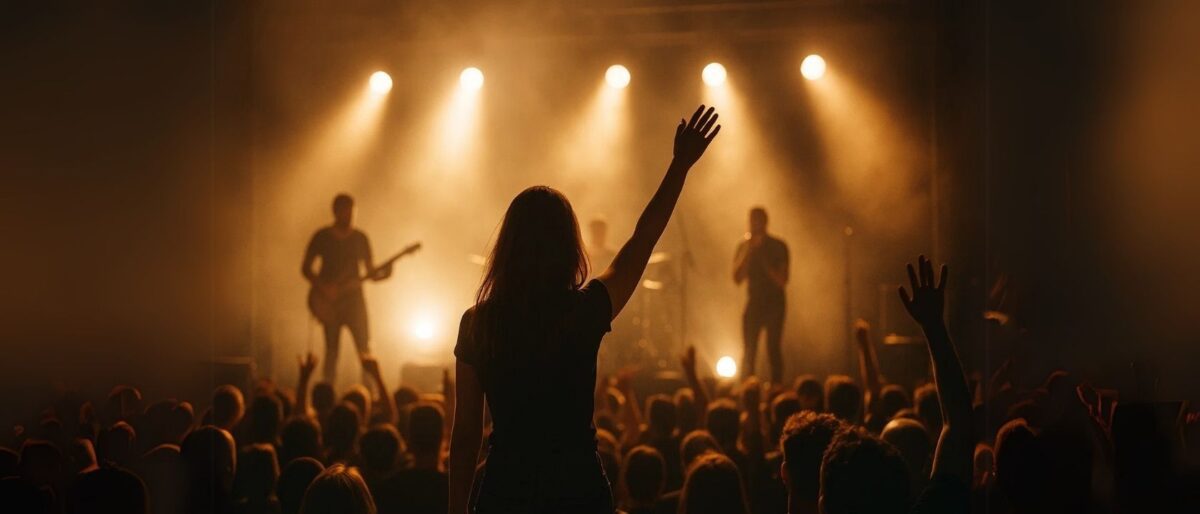
There’s something electric about live music—something that hits harder, lingers longer, and feels almost sacred. But why? This guide unpacks the psychology of concerts, from dopamine surges to crowd connection. I’ll show you how a single show can light up your brain, stir your soul, and stay with you forever.
The Brain on Music: What Happens Neurologically
When that beat drops or your favorite lyrics kick in, your brain doesn’t just listen—it lights up. Live music sparks a cascade of activity across your neural network, and it all starts with a chemical high: dopamine. This feel-good neurotransmitter floods your system in anticipation of the music you love—especially in live settings, where the build-up feels intense and the payoff is instant.
That anticipation? It’s no accident. Your brain’s reward system is wired to crave resolution. Waiting for a chorus to explode or a solo to soar creates tension. The moment it hits? That’s dopamine doing its happy dance. And the fact that it’s happening in real time, in a room full of people feeling the same thing, supercharges the rush.
But why do we sway, clap, and dance without thinking? It’s mirror neurons at work. These brain cells help us sync up with others. When the crowd jumps, your body wants to follow. This shared rhythm creates unity—and it’s contagious in the best way.
And let’s not forget memory. Hearing live music ties sound to the moment: the outfit you wore, who you were with, how the air smelled. Music is one of the strongest emotional anchors our brains have. A single live note can take you back years in an instant.
The Power of Collective Energy
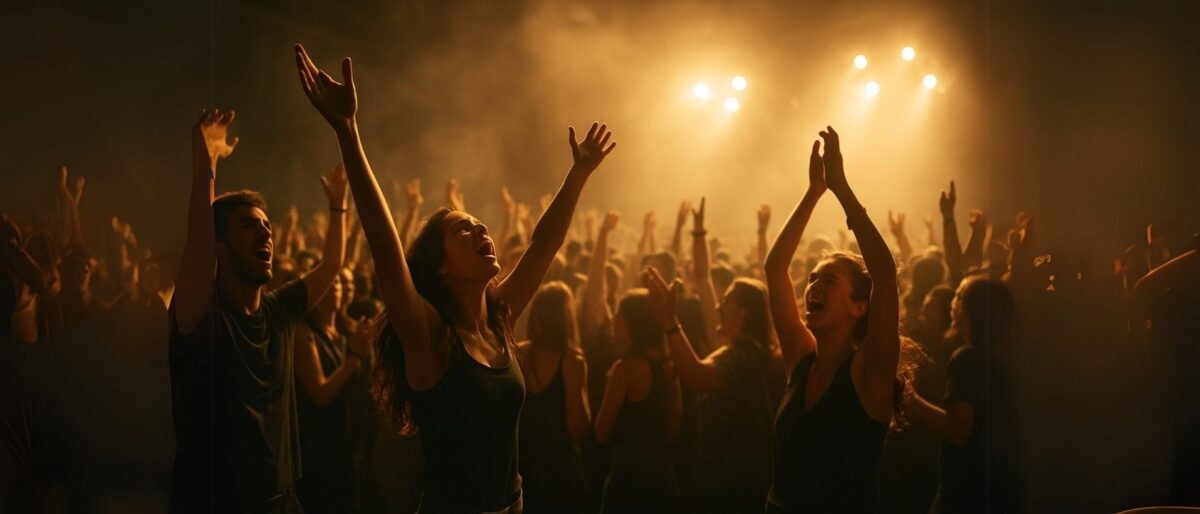
Ever felt like the crowd at a concert was breathing in sync? That’s not just your imagination—it’s emotional contagion in full force. When thousands of people feel joy, adrenaline, or even tears at the same time, those emotions ripple outward like sound waves. You don’t just experience your feelings—you absorb the crowd’s, too.
Then there’s the movement. Swaying, clapping, jumping, shouting—these aren’t random acts. When people move together in rhythm, our brains release bonding chemicals like oxytocin. It’s the same thing that happens in team sports, prayer circles, and dance rituals. And yes, it can create a real, measurable high.
In that moment, you’re not just you. You’re part of something bigger. There’s a name for it in psychology: “deindividuation.” It’s a fancy term for the temporary loss of self when we blend into a group. And while it sounds intense, it’s actually freeing—your guard drops, your emotions flow, and you connect without needing to explain why.
That’s why concerts often feel sacred. They mimic modern rituals. Music is the ceremony, the artist is the leader, and the crowd becomes one unified voice. The lighting, the chants, the shared rhythm—it’s more than a show. It’s a communal release.
Emotional Amplification: Why Songs Hit Harder Live
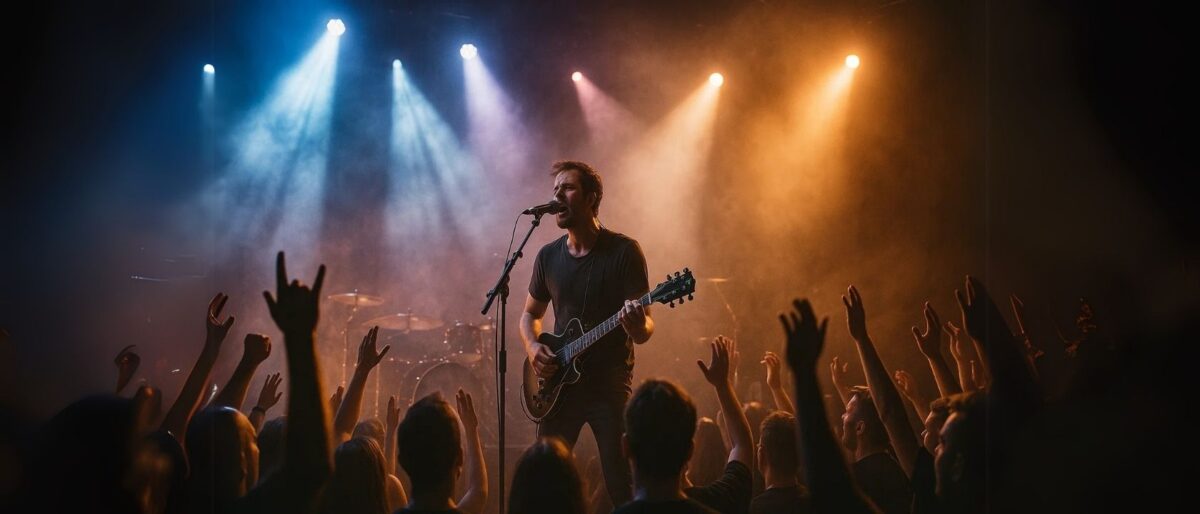
There’s a moment at every concert when a familiar song suddenly feels unfamiliar—in the best way. It hits deeper, louder, harder. That’s emotional amplification. It’s what turns a good song into a full-body experience. And it starts with vibration.
Live music isn’t just heard—it’s felt. The bass thumps through your chest. The drums shake the ground beneath your shoes. That deep, physical connection to sound rewires how your brain processes emotion. Loudness alone can heighten intensity, but the fact that you’re surrounded by hundreds or thousands of other people feeling it too? That’s rocket fuel for the soul.
Then there’s the artist. On stage, every facial twitch, breath, and crack in their voice adds texture you don’t get through earbuds. That vulnerability? It’s real. You see it. You feel it. Suddenly the song they wrote about heartbreak isn’t just relatable—it’s unfolding in front of you.
And it’s not just about hearing—it’s visual. The flashing lights, fog effects, stage visuals, and crowd roars create a sensory overload that your brain eats up. Add to that the emotional context—a breakup, a celebration, a moment you’ve waited years for—and suddenly lyrics you’ve heard 100 times make you cry on the 101st.
In person, music transcends sound. It becomes memory, emotion, and movement—all at once.
The Role of Anticipation and Surprise
Concerts don’t start when the lights go down—they start weeks or even months before. The moment you buy that ticket, your brain begins the countdown. You daydream about the setlist, pick your outfit, imagine the crowd. That build-up creates emotional tension, and your brain loves it. Why? Because it’s wired for anticipation.
As the show approaches, your mind starts releasing dopamine—the “feel-good” neurotransmitter—not only during the concert but even as you look forward to it. That’s why simply waiting for a concert can make you happier than attending it. And then, when the first beat drops? Boom. The payoff is real, chemical, and deeply satisfying.
And let’s talk about surprise. When you’re in the crowd wondering, “Will they play *that* song?”—you’re feeding your brain a suspense cocktail. If the artist suddenly throws in a deep cut, changes up a classic, or hits you with a surprise encore, your brain responds like it just won the lottery. Unexpected moments trigger even bigger dopamine spikes than predictable ones.
Whether it’s the exact song you hoped for or a moment you didn’t see coming, that emotional release is what makes live music unforgettable. Your brain craves the twist—and the concert delivers.
Live vs. Recorded: Why It’s Not the Same
You can listen to a song a hundred times at home and love it—but hear it live once, and it hits different. Why? Because live music is messy, raw, and real. And that imperfection? It’s exactly what makes it unforgettable.
Recorded tracks are polished, mixed, and edited within an inch of perfection. But on stage? Notes crack, tempos shift, lyrics change—and somehow, it feels more human. That’s the power of authenticity. When artists mess up, laugh, or stretch a moment just a little longer, it reminds you: they’re right there with you, in this moment, too.
Then there’s the audience interaction—a secret ingredient no studio can replicate. From spontaneous shout-outs to mid-song storytelling, every bit of banter builds connection. Artists respond to the crowd’s energy, and the crowd throws it right back. That back-and-forth creates a feedback loop, turning a performance into an experience.
Even the same song changes night to night. One show might have a stripped-down acoustic version, another might feature pyrotechnics and a dance break. These real-time choices add surprise, spontaneity, and soul that no playlist ever could.
Live music is alive—fluid, flawed, and full of feeling. That’s why being there trumps listening from anywhere else.
Connection and Community
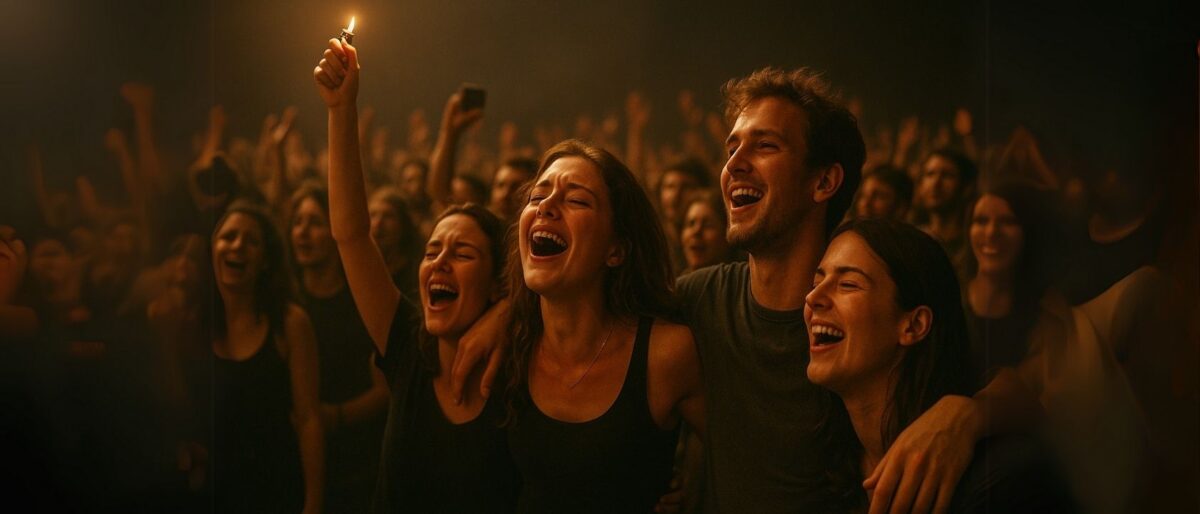
Concerts aren’t just about the artist—they’re about everyone in the room. That sea of strangers swaying beside you? They’re not so strange anymore. In just a few hours, a crowd of individuals becomes a shared force of feeling, noise, and energy. And that transformation sticks with you.
Whether you go with your best friend, your partner, or fly solo, you’re almost guaranteed to make memories with the people around you. A stranger hands you a lighter. Someone next to you screams the same lyrics. You make eye contact during a drop. These tiny moments add up—and they matter more than you expect.
Why does it feel so good to sing in unison with a room full of people? Because your brain releases oxytocin, the bonding hormone. That shared melody becomes a shared heartbeat. It’s the same chemical rush we get from hugging, laughing, or falling in love.
Later, when someone asks about that show, you say, “I was there.” It becomes a part of your story, your identity. And you carry it like a badge of honor. Because in that shared space, with that shared sound, you didn’t just hear music—you lived it.
Healing and Catharsis
Live music doesn’t just move you—it can heal you. Whether it’s sobbing in the dark during a ballad or dancing so hard you forget the world, concerts have a way of pulling pain out of your chest and turning it into something lighter. That’s not just poetic—it’s psychological. Music activates the brain’s emotional centers, offering real catharsis through movement, sound, and shared feeling.
For many, a concert is more than just a night out. It’s a break from the weight of stress, grief, or isolation. In that crowd, you don’t have to explain what you’re going through—you just feel it, surrounded by people who get it without saying a word. It’s one of the rare places where you can both fall apart and come back together in the same breath.
There’s also belonging in that collective emotion. When thousands of people cry during the same lyric or throw up their hands to the same beat, it reminds us that we’re not alone. That our emotions—no matter how messy—are valid, welcome, and even celebrated.
Some shows go even deeper. Benefit concerts for tragedy survivors. Fan memorials that honor lost legends. Protest music that rallies hearts and minds. These moments turn music into movement. Grief into gratitude. Pain into purpose.
Why We Remember Concerts So Vividly
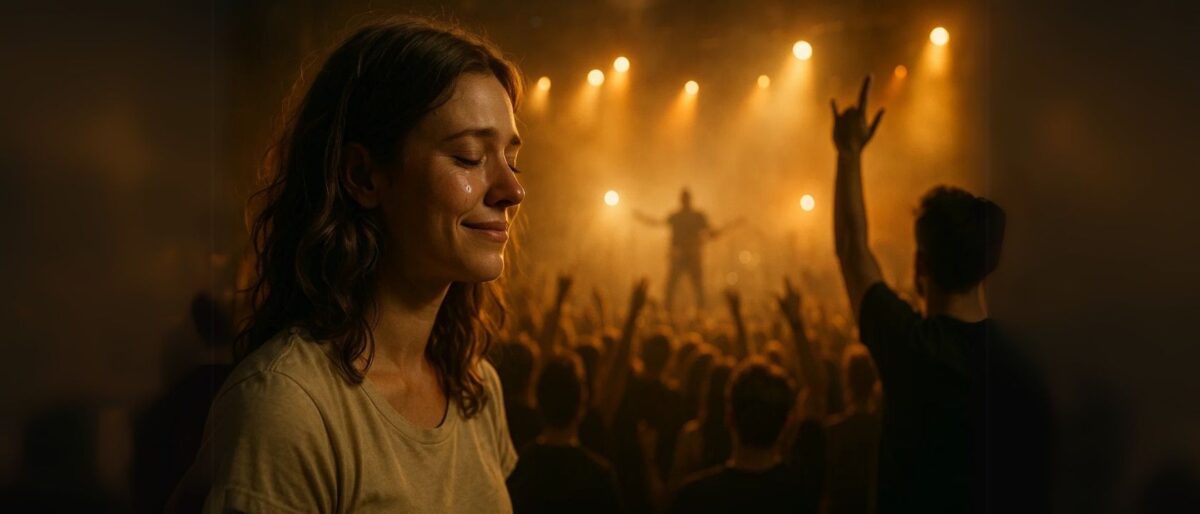
Ask someone about a concert they loved, and you’ll hear details: the shirt they wore, the song that made them cry, the way the stage lights flickered during the encore. Why do we remember concerts so clearly, when we forget half our work meetings by lunchtime?
It comes down to emotionally charged experiences. When your feelings are running high—whether it’s joy, awe, nostalgia, or even heartbreak—your brain starts encoding memories more deeply. Emotional intensity tells your brain, “Hey, this matters. Save it.”
Then there’s the sensory overload: flashing lights, booming bass, screaming fans, maybe even the smell of sweat or beer. Every sense is turned up to 11. That kind of full-body engagement doesn’t just create memories—it burns them in.
Concerts also link sound, place, and moment into one unforgettable experience. Hearing that same song months later can transport you straight back to that exact seat, that exact emotion. It’s musical time travel, and it’s surprisingly accurate.
And don’t forget the afterglow effect—the emotional high that lingers long after the last note. Even days later, you’re still replaying the night in your head, feeling a little lighter, a little more alive. That’s not nostalgia. That’s neuroscience.
The FOMO Factor and Social Signaling
Let’s be honest—half the crowd’s holding up phones not just for memories, but for Instagram storiessocial validation. When you post, tag, or go live, it reinforces that what you’re experiencing is special, exciting, and worth showing off.
It’s more than just flexing, though. Psychologists call it “proof of presence”—a way of saying, “I was there.” That digital receipt doesn’t just tell your followers you had a great night—it deepens your own emotional tie to the moment. You remember it more vividly, feel it more intensely, and replay it with pride.
Now add scarcity to the mix. Limited tour stops, sold-out venues, one-night-only performances—they all boost the perceived value of your experience. We crave what’s rare, and concerts are the perfect example. That exclusivity ramps up the emotional and social payoff.
When an artist says, “This is our last stop” or “You’re the best crowd yet,” it makes you feel part of something bigger. You weren’t just at a concert—you were part of the moment. That collective buzz, combined with the urge to capture and share it, is why live music leaves such a lasting imprint—on both your memory and your feed.
The Science of Chills: Literal Goosebumps
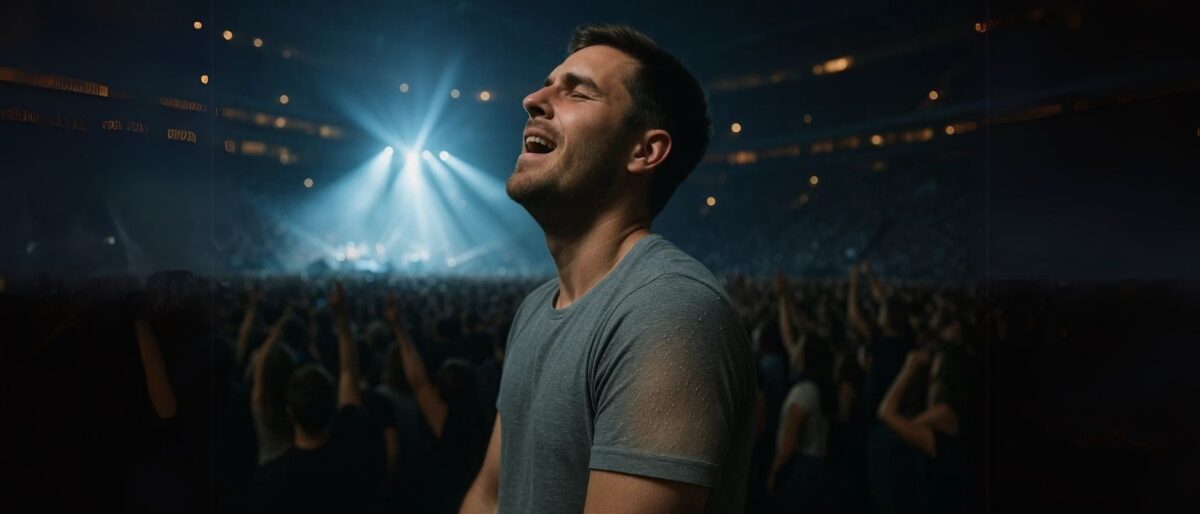
You’re standing in a packed arena, and suddenly—goosebumps. Maybe it’s a high note that cuts through the noise, a haunting lyric, or a perfectly timed beat drop. Whatever it is, it feels electric. But this isn’t just an emotional response. It’s a biological reaction with deep roots in your brain and body.
Certain songs trigger chills because of how they’re structured. Composers and performers often build moments of tension and release—a slow build-up followed by a dramatic payoff. Your brain anticipates what’s coming, and when that moment hits just right, you get a rush of dopamine. That chemical high sometimes manifests as literal goosebumps, shivers, or that feeling of your heart skipping a beat.
Unexpected shifts in harmony or rhythm can also create that physical spark. A sudden key change, a vocal crack that feels raw and real, or an emotionally charged lyric delivered differently live—all of these twist your expectations and intensify your reaction.
Now add in social context. You’re not alone. You’re surrounded by people gasping, crying, or screaming with you. That shared emotional atmosphere supercharges your own response. It’s like your nervous system picks up on the collective intensity—and turns it up a notch.
So those goosebumps? They’re not just feelings. They’re science—and they’re proof that music hits deeper than words ever could.
Conclusion
Concerts don’t just play to our ears—they ignite our entire being. From the dopamine surges in our brains to the goosebumps on our skin, from the crowd’s collective roar to the tears in our eyes, live music taps into every part of us: neurological, emotional, and social.
They’re not just shows. They’re shared human experiences. Sacred, chaotic, loud, unforgettable moments where strangers become allies and songs become memories. You walk in carrying your day, your stress, your past—and you walk out lighter, fuller, changed.
So if you’re on the fence about that ticket? Go. Scream the lyrics. Dance until your legs give out. Cry if it hits you. Let yourself feel it, fully. Because that one night might stick with you for a lifetime.