
Ticketmaster vs StubHub: Key Differences, Fees & Which Is Better
May 1, 2025
Survey: What Audiences Love About Comedy Shows
May 1, 2025Can You Return Concert, Comedy, or Broadway Tickets?

Bought tickets, but now you can’t make the show? Been there. Whether it’s a concert, comedy gig, or Broadway performance, returning tickets isn’t always straightforward. I’ve done the digging so you don’t have to—let’s break down when refunds are possible, what your real options are, and how to avoid getting stuck.
Are Tickets to Live Events Refundable?
Let’s rip the band-aid off: for most concerts, comedy shows, and theater performances, the standard policy is “all sales are final.” That tiny line in the checkout screen? It’s doing a lot of heavy lifting. And it means you’re usually locked in the moment you click “Buy Now.”
But here’s where things get murky—because a refund and an exchange aren’t the same thing. A refund means you get your money back. An exchange means you might be able to swap your tickets for a different date or seat. Some platforms or venues will offer limited exchanges (with restrictions and fees), but flat-out refunds are rare unless the show is canceled outright.
Why so strict? It comes down to logistics and money. Venues, promoters, and artists depend on ticket revenue to plan budgets, pay staff, and cover upfront costs. They can’t easily absorb the loss if hundreds of fans suddenly change their minds. Plus, once a ticket is sold, your seat is off the market—and reselling it last-minute isn’t always guaranteed.
Concert Tickets: Can You Get a Refund?
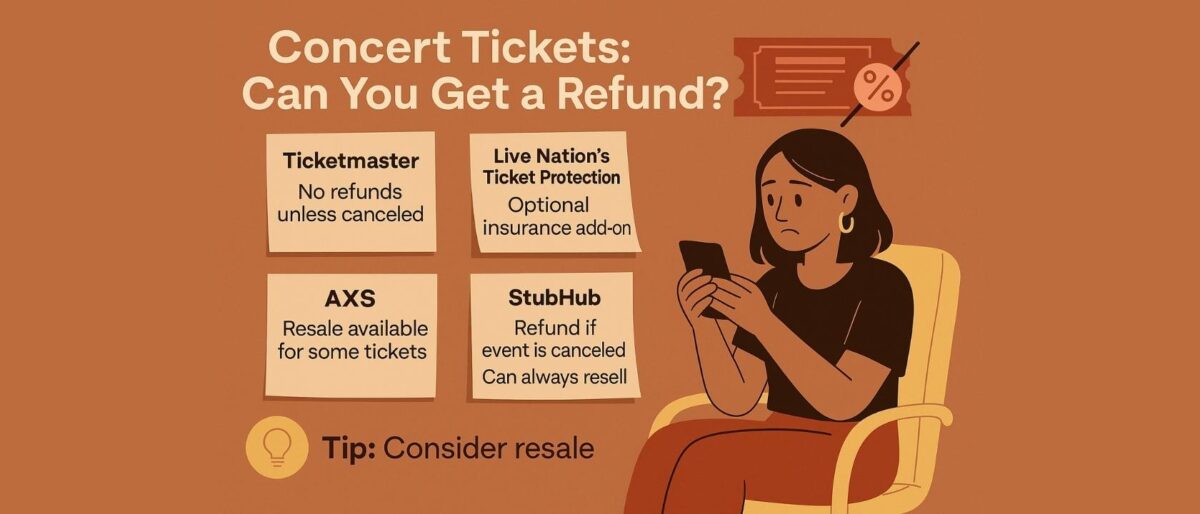
If your plans hit a sour note and you can’t make it to the concert, your options depend heavily on where you bought the ticket. Unfortunately, most big-name ticketing platforms don’t offer refunds just because you changed your mind, got sick, or had something come up. Here’s what to expect from the main players in the concert ticket world:
Ticketmaster
Ticketmaster’s default policy is clear—and firm: no refunds unless the event is canceled. If the concert is postponed or rescheduled, your ticket is still valid for the new date, and you’re expected to hang onto it. Some events may offer a “Sell” option in your Ticketmaster account, which lets you list the ticket for resale through their platform if it’s eligible.
Live Nation’s Ticket Protection
Live Nation (which owns Ticketmaster) sometimes offers optional “Ticket Protection” at checkout. This is a third-party insurance add-on that may cover emergencies, illness, or travel issues—but not simply deciding not to go. Always read the fine print before assuming you’re covered.
AXS
AXS handles a lot of venue-specific ticketing and tends to mirror Ticketmaster’s refund policy. Refunds for canceled shows are automatic, but postponements don’t guarantee your money back. AXS does allow resale for some tickets, but only within their own platform and only when the event permits it.
StubHub
StubHub only offers refunds if the event is canceled. If you’re just unable to go, you’re on your own. However, since StubHub is a resale platform, you can list your ticket for sale at any time. Just know that pricing is competitive, and last-minute listings might need to be discounted to sell quickly.
Tip: Consider Resale
If returning your ticket isn’t an option, reselling is often your best move. Use Ticketmaster, AXS, or StubHub’s built-in resale features if available—they’re more secure and streamlined than selling on social media or Craigslist. Just be sure to price realistically, especially close to the event date.
Broadway and Theater Tickets: What Are Your Options?
Broadway may be magical—but its return policy? Not so much. For most theatergoers, once you’ve got the ticket, you’re in for better or worse. Refunds are rarely offered, and flexibility depends heavily on where and how you bought your seats.
Official Box Offices (Telecharge, TodayTix, etc.)
If you bought your tickets through Telecharge, TodayTix, or the theater’s official box office, prepare to see the phrase “all sales are final” in bold letters. That’s the standard policy for most Broadway shows. Even if your plans change, your ticket’s locked in—no refunds, no credits.
Flexible Ticket Programs
Some theaters and ticket services offer special programs with limited flexibility. For example, certain shows or subscription packages may include built-in exchange privileges, allowing you to switch performance dates for a fee. These options are rare, but worth looking for if you like some breathing room in your plans.
Sick or Have a Conflict?
If you’re unwell or have a last-minute emergency, some box offices may allow a one-time exchange—often with a fee and subject to availability. This isn’t guaranteed, and you’ll usually need to contact customer service at least 24–48 hours before the show. It never hurts to ask, especially if you’re polite and persistent.
Day-of Credits and COVID-era Policies
During the height of the pandemic, many theaters introduced more flexible policies—some even allowed same-day credits or rebooking if you reported symptoms or tested positive. While those generous policies are fading, a few theaters still have limited exceptions in place. Check each show’s site or ticketing page for updates.
Resale Limitations
Reselling Broadway tickets isn’t always simple. Many are non-transferable or tied to your ID, especially those purchased at discounted rates or via digital ticketing apps. Even if you find a buyer, transferring the ticket may not be allowed—or might require jumping through hoops.
The takeaway? Plan carefully when booking theater tickets. If there’s even a chance your plans might change, look for exchangeable ticket options or flexible third-party sellers. Otherwise, consider it a commitment—Broadway doesn’t do take-backs.
Comedy Shows: Refunds, Cancellations, and Fine Print
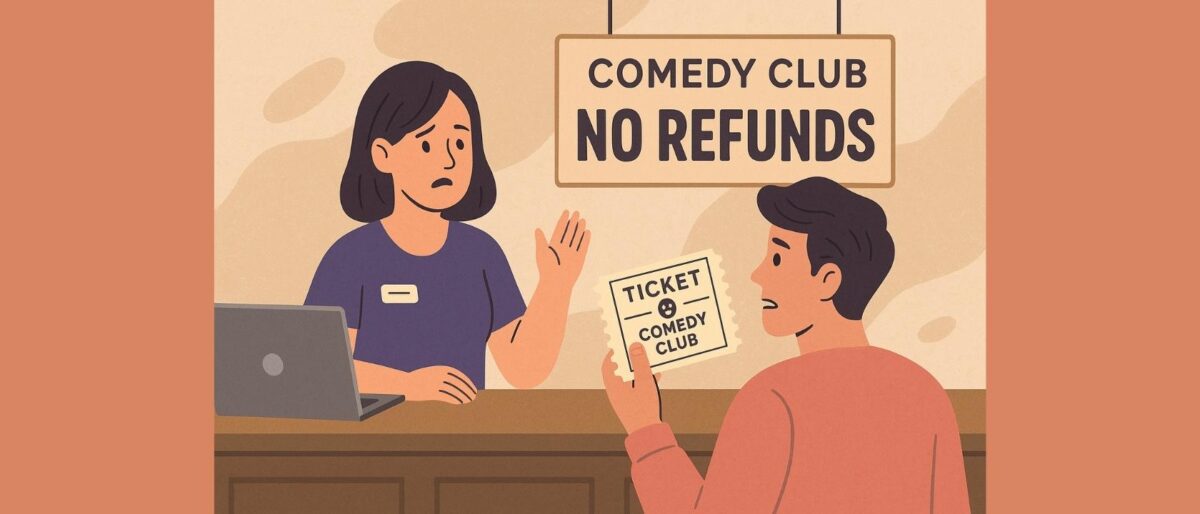
Comedy shows are a blast—until life throws a curveball and suddenly you can’t make it. Unlike big-name concerts or Broadway shows, comedy gigs often happen in smaller, more intimate venues. That’s great for laughs, but not so great when it comes to refund flexibility. Here’s what you can expect when trying to return or exchange comedy tickets.
“No Refunds” Is Pretty Standard
Most smaller comedy venues have firm “no refund” policies. Whether it’s a bar gig, comedy lounge, or local theater, once you buy that ticket, it’s yours. They often operate on tight margins and can’t afford last-minute changes, so refunds are rarely entertained unless something drastic happens.
Club-Level Tickets
If you booked a show at a major comedy club—like The Comedy Cellar in NYC, Laugh Factory in LA or Chicago, or The Improv—don’t expect a refund unless the show is canceled. These clubs typically do not offer exchanges or credits either. They’ll often note the refund policy in the fine print at checkout, but few people read it until it’s too late.
Eventbrite & Third-Party Tickets
If you booked tickets through platforms like Eventbrite, there’s a little more wiggle room. Some event organizers allow cancellations or ticket transfers through your account dashboard—but only if they’ve enabled that option. Read the event details carefully; some listings are marked as “nonrefundable” right up front.
Performer Cancellations & Reschedules
If the headliner cancels or the show gets rescheduled, you’ll usually be offered a refund or a new date. In these cases, the venue or ticketing platform will notify you via email. However, delays in communication are common, so don’t assume a refund will land in your account instantly.
Pro Tip: Contact the Venue Directly
Local shows don’t always follow strict platform policies. If you booked through a small club or local website, your best bet is to call or email the venue directly. Some are surprisingly flexible—especially if you’re polite, respectful, and not asking 10 minutes before showtime.
What If the Event Is Canceled or Rescheduled?
So you’ve got tickets, your calendar’s cleared, and then—boom—the show’s canceled or pushed back. What now? Whether it’s a global tour or a tiny comedy gig, the refund rules shift dramatically depending on the circumstances, and the platform you bought from can make or break your experience.
Canceled Shows: Usually Safe, But Not Always Smooth
In most cases, if a show is canceled outright, your tickets will be automatically refunded. Ticketmaster, StubHub, AXS, and other major platforms usually send an email confirming the cancellation and process your refund to the original payment method. Simple in theory… but delays happen.
Real story: One fan on Reddit said they waited over a month for a refund from Ticketmaster after a concert cancellation. Another reported a canceled theater show that was refunded within three days via TodayTix. It’s hit or miss depending on the platform—and how overwhelmed their system is at the time.
Rescheduled Shows: Still Valid, No Refund Guaranteed
Here’s where it gets messy. If your event is rescheduled—not canceled—your tickets will still work for the new date. No refund is issued by default. That’s because the event is technically still happening, just later. You’re expected to hold onto your seat and adjust your plans.
Some platforms or venues offer a refund window for rescheduled events, but you’ll usually have to request it manually within a limited time. If you miss that window, you’re stuck.
Refund Timelines Vary Wildly
Even when a refund is promised, how fast you get it varies. StubHub is typically quicker (a few days), while Ticketmaster and some box offices can take weeks—especially during high-volume times like tour cancellations or strikes. Smaller venues may require you to call or email just to trigger the process.
Tip: If your refund is delayed, don’t just wait in silence. Reach out to support, post on social (nicely), and monitor your bank statements. A gentle nudge can sometimes speed things along.
Can You Resell Your Tickets Instead?
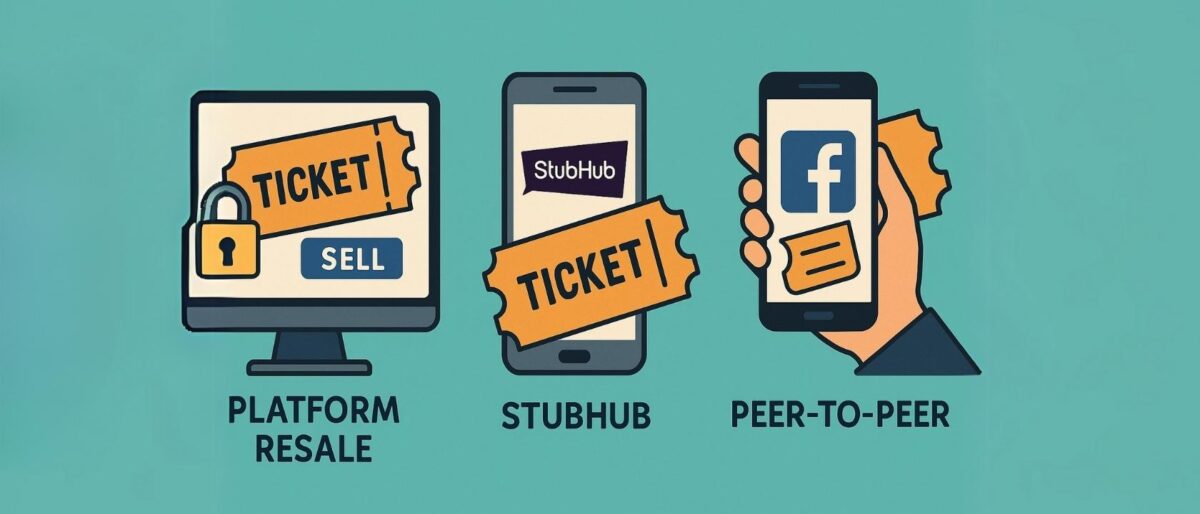
If refunds are off the table and you can’t attend the event, reselling your tickets might be your best backup plan. But it’s not always as simple as posting and pocketing the cash. Between resale restrictions, service fees, and buyer trust issues, you’ll want to think twice before listing your tickets just anywhere.
Platform Resale: Safer but Selective
Ticketmaster and AXS both offer built-in resale features—but only if the event permits it, and only for tickets originally purchased on their platforms. If resale is allowed, you’ll see a “Sell” button in your account. Set your price, and if someone bites, the platform handles the transfer. It’s convenient and safe for both sides, but you may need to wait until after the event to get paid. They’ll also take a cut (often around 10%–15%).
StubHub: More Freedom, More Competition
StubHub is the resale go-to for flexibility. You can list tickets for a wider variety of events, even if you didn’t buy them there. It’s ideal for selling last-minute or off-platform tickets. But keep in mind: you’re competing with hundreds of sellers, especially for hot events, and pricing can be cutthroat. If the clock’s ticking and supply is high, expect to sell at a loss just to unload them.
Peer-to-Peer Sales: Risk and Reward
Platforms like Facebook Marketplace, Reddit ticket threads, and even Craigslist may let you offload tickets quickly—but the risk is real. Scams, fake payments, and non-transferrable ticket issues are all common. There’s no built-in protection, and once a stranger Venmos you and ghosts, there’s little recourse.
Scam & Delivery Warnings
Always double-check whether your ticket type can be transferred—some are locked to your account or ID. If you’re selling, make sure your tickets are digital and transferrable. If you’re buying from an individual, ask for a video screen recording or live confirmation—PDF screenshots and barcodes can be faked with alarming ease.
What About Ticket Insurance?
Ticket insurance might sound like overkill—until you get sick the day before the show or your flight gets grounded. Offered by third-party providers like Allianz or FanShield, this optional add-on usually pops up during checkout, especially on Ticketmaster, AXS, and Live Nation sites. But is it actually worth it?
What Ticket Insurance Usually Covers
If you opt in (typically for an extra $7–$20 per ticket), you’re covered for certain unexpected situations. That includes:
- Illness or injury (with a doctor’s note)
- Family emergencies or death in the family
- Travel delays due to weather, traffic accidents, or flight cancellations
- Military deployment or jury duty
In these cases, you can submit a claim and—if approved—get reimbursed for your ticket cost. The process involves paperwork and proof, but for major disruptions, it can be a lifesaver.
What It Doesn’t Cover
This is where most people get tripped up. Ticket insurance won’t refund you just because you changed your mind, forgot the event, didn’t feel like going, or had a work conflict. Buyer’s remorse and “oops” moments are on you. You also typically aren’t covered if you simply missed the start time or didn’t follow the event’s rules (like bringing ID or proper documentation).
Is It Worth It?
Honestly? It depends on the event and your personal risk tolerance. For expensive shows, once-in-a-lifetime events, or travel-based plans (like flying to see a Broadway show), it’s a small price for some peace of mind. But for a $30 local comedy night across town? Probably not.
Tip: If you have a flexible credit card or travel insurance plan, you might already be covered—so check your benefits before paying extra at checkout.