
7 Ways to Remember Your Broadway Experience (Memory Guide)
June 4, 2025
Best Comedy Shows for Seniors: Top Picks for Lighthearted Laughs
June 4, 2025What Is Satirical Comedy? Definition, Examples, Top Shows
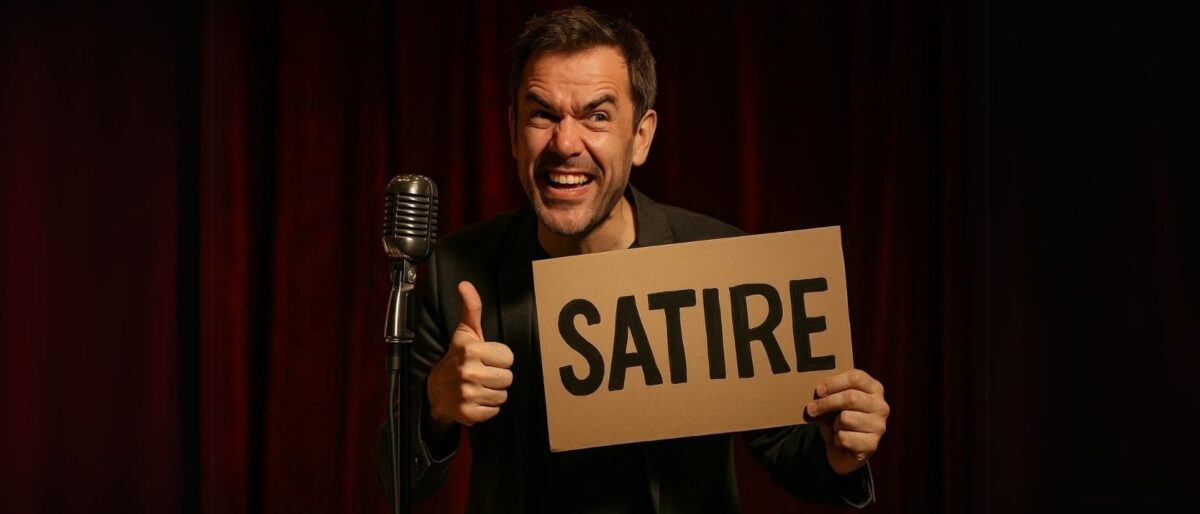
Satirical comedy isn’t just about laughs—it’s about landing punches with punchlines. It’s clever, cutting, and unapologetically bold, turning absurdity into a mirror for society’s flaws. From political zingers to pop culture parodies, satire makes you laugh, then think—sometimes in that order, sometimes not. So… what exactly makes satire tick?
Satirical Comedy: A Quick Definition
Satirical comedy is the art of laughing at the truth—sometimes too hard, sometimes too late. At its core, satire uses humor as a scalpel, not a sledgehammer. It doesn’t just aim for laughs; it aims for awareness. And sometimes? A well-placed joke cuts deeper than a debate ever could.
This style of comedy thrives on exaggeration, irony, parody, and a hefty dose of wit. It pokes holes in power structures, mocks outdated beliefs, and calls out the absurdity in politics, pop culture, or everyday life. Think of it as a roast—but aimed at society itself.
The beauty of satire is in its discomfort. You laugh, sure—but there’s often that twinge of recognition. That moment where you go, “Oof… they’re right.” And that’s the point. Satire entertains, but it also exposes, critiques, and challenges. It’s not just about being funny—it’s about being fearless.
So whether it’s a viral sketch, a sharp stand-up bit, or a dark TV comedy that leaves you chuckling and questioning everything, satirical comedy proves that laughter might really be the best weapon.
What Makes Satire Different from Other Comedy?

Satire isn’t just cracking jokes—it’s cracking the system. While most comedy leans into the lighthearted, satire takes a sharper turn. It’s the genre that dares to pull the curtain back, point at the mess behind it, and say, “See? This is ridiculous.” And it does so with a wink, a punchline, and often, a gut-punch.
Unlike slapstick that thrives on banana peels or observational comedy that riffs on dating apps and airport delays, satire has a mission. It aims to critique—society, politics, culture, hypocrisy, greed—nothing’s safe. It’s comedy with teeth and purpose. Think less giggle, more gasp-then-giggle.
Satire uses sarcasm, irony, exaggeration, and absurdity to shine a spotlight on uncomfortable truths. And yes, it can offend. That’s not a bug—it’s often the feature. The best satire walks the line between funny and furious, between mockery and meaning. It might make you laugh, squirm, and rethink your beliefs… all in the same breath.
Where improv dances in the moment and slapstick goes for the gut, satire aims for the conscience. It chooses its targets carefully: corrupt leaders, outdated norms, cultural blind spots. If comedy is a mirror, satire is a funhouse one—distorting the view just enough to make the flaws unmissable.
Classic Examples of Satirical Comedy
Satire has been poking bears and ruffling feathers for centuries—and the best examples haven’t just made audiences laugh, they’ve made history, headlines, and heated dinner conversations. From literature to live performance, this brand of comedy has proven it’s not just a passing joke—it’s a lasting force.
In literature: Jonathan Swift’s A Modest Proposal is a masterclass in biting irony, pretending to offer a grotesque solution to poverty while actually lambasting British policy. George Orwell’s Animal Farm took aim at Soviet totalitarianism using barnyard animals—and hit with frightening precision. Both works still feel startlingly current.
On stage: Satirical musicals like The Book of Mormon and Urinetown deliver gleeful jabs at religion, capitalism, and bureaucracy through catchy tunes and irreverent scripts. Gogol’s The Government Inspector skewered 19th-century Russian corruption, and guess what? It still rings hilariously true.
TV and film: Stanley Kubrick’s Dr. Strangelove is a Cold War fever dream in comedy form. Monty Python’s Flying Circus turned absurdity into artillery. And The Truman Show? A clever takedown of media manipulation and the surveillance state—years before social media exploded.
Stand-up comedy: George Carlin used language like a weapon. Lenny Bruce danced on the edge of legality. Hannah Gadsby’s Nannette flipped stand-up into a social reckoning. These aren’t just comics—they’re commentators, court jesters with razor-sharp insight.
What do they all have in common? They punch up, not down. They provoke, not pacify. And they last—because truth, even when disguised as a joke, has staying power.
Modern Satirical Comedy Shows Worth Watching
If satire is a mirror with a smirk, then modern TV and streaming platforms are holding it high. Today’s satirical comedies don’t just reflect our culture—they roast it, remix it, and serve it back on a flaming silver platter. Here’s where the genre thrives now:
- Last Week Tonight with John Oliver: A British voice in American politics? Yes, please. Oliver turns complex issues—think net neutrality, labor rights, or the Supreme Court—into biting, hilarious TED Talks with punchlines. Come for the laughs, stay for the existential crisis.
- The Daily Show: Whether it’s Trevor Noah or Jon Stewart at the helm, The Daily Show has been the snarky voice of reason during headline hysteria. It doesn’t just report—it ridicules, reframes, and reminds us to stay skeptical.
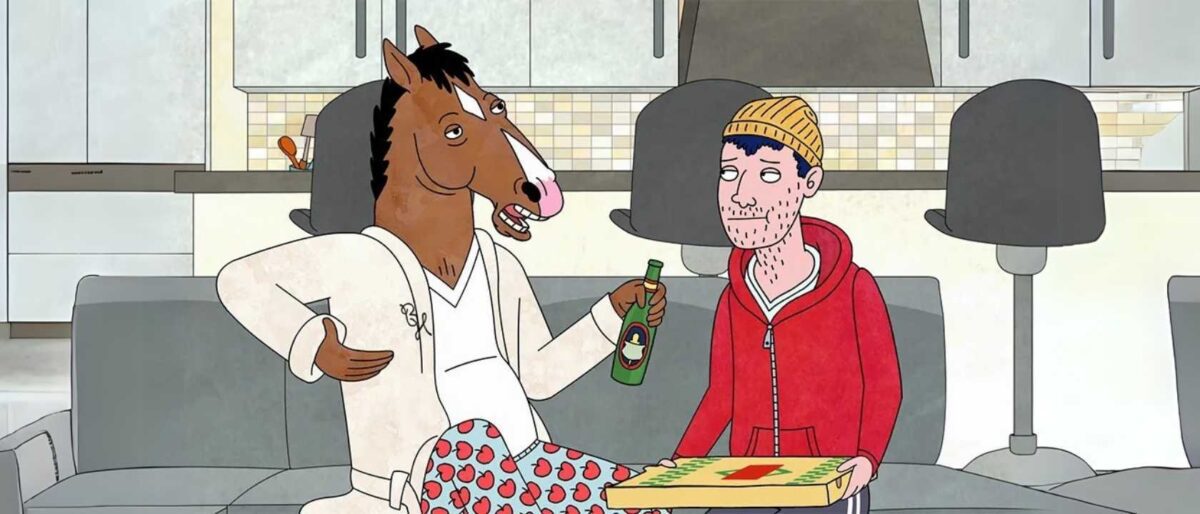
- BoJack Horseman: An animated has-been horse unraveling on-screen? Sounds silly—until it punches you in the gut. This one’s a masterclass in satirizing Hollywood, addiction, cancel culture, and the weird ways we try to heal.
- South Park: Unapologetic, uncensored, and unrelenting. South Park skewers everything from religion and politics to social media and pandemics—often the week it happens. It’s equal parts chaos and commentary.
- Veep: Julia Louis-Dreyfus’s foul-mouthed vice president stumbles through the swamp of U.S. politics in a way that’s terrifyingly… accurate. It’s government dysfunction with a laugh track—and a truth bomb.
- The Boys: What if superheroes were brand ambassadors with bloodlust? This Amazon series tears down the Marvel mythos, corporate greed, and influencer culture, all wrapped in explosive satire and buckets of gore.
Honorable Mentions:
- Black Mirror: Less ha-ha, more oh-no. This anthology series satirizes our tech obsession and the dystopias we’re building with our thumbs.
- Don’t Look Up: A not-so-subtle meteor allegory for climate change, media frenzy, and political gridlock—with Meryl Streep as a Trumpian president.
- The Onion: Satire’s digital darling. It’s fake news at its finest—because it feels uncomfortably real.
These shows don’t just want you to laugh—they want you to squirm, question, and maybe tweet angrily. And that’s the beauty of satire—it lingers.
Why Satirical Comedy Still Matters
In a world where outrage scrolls faster than facts and headlines read like parody, satirical comedy isn’t just relevant—it’s vital. It’s the sly wink in the chaos, the clever clapback to authority, and sometimes the only way to tell the truth without getting booed off stage.
It holds power accountable—with a laugh. While journalists report, satirists reveal. They shine a light on hypocrisy, spin, and double-speak. Whether it’s a late-night host dissecting a press conference or an animated show mocking billionaires, satire keeps egos in check. It’s comedy as civic duty.
It sugarcoats hard truths. Talking about racism, inequality, or environmental collapse is heavy—but add irony, and people lean in. Satire softens the blow without dulling the message. You laugh, then think. Sometimes you laugh because you’re thinking.
It encourages critical thinking. Good satire doesn’t spoon-feed opinions. It drops breadcrumbs and dares you to follow. You start to spot patterns, question motives, and challenge the surface. It teaches you to read between the punchlines.
It voices what many feel but can’t say. Frustration, fear, absurdity—satire gives shape to our collective “Are you serious right now?” moments. It turns passive audiences into active skeptics, and that’s no small feat.
It cuts through the noise. In a content-saturated, meme-happy culture, satire speaks in a sharp, unmistakable tone. It doesn’t yell—it zings. And the best zingers linger.
And when it’s done right? It challenges you. Not with a lecture, but with a smirk. It doesn’t always tell you what to think—it dares you to think at all. In a world of shouty opinions, that’s downright revolutionary.
How to Spot a Great Satirist

Not all comedians wield satire well—and not every edgy joke qualifies. A true satirist is more sniper than scattershot. They know exactly what they’re aiming at, and their precision makes all the difference.
They target hypocrisy, not individuals. Great satire punches up, not down. It skewers broken systems, tone-deaf leaders, and cultural contradictions, not random bystanders or easy punchlines. The best satirists dissect behavior, not just roast people. If it’s just mean, it’s not satire—it’s just bad manners with a microphone.
They’re witty, not needlessly cruel. Unless cruelty is the actual subject being called out, their weapon of choice is wit, not a sledgehammer. A great satirist walks a fine line—twisting the knife just enough to sting, never enough to sever empathy. It’s a roast, not an execution.
Their work is crafted, not careless. True satire has structure. It builds, escalates, and lands with impact. There’s rhythm in the ridicule, a deliberate logic beneath the lunacy. If it feels rushed or lazy, it’s just commentary dressed up in irony’s clothing.
They leave you laughing—then thinking—then laughing again. You might laugh immediately, then later wonder, “Wait… was that about me?” That’s the sweet spot: when satire sticks like a burr, not a band-aid.
Bonus points? They make the right people mad. Effective satire doesn’t beg for applause; it sometimes gets boos from those who feel exposed. If the work creates discomfort in the comfortable, it’s probably doing something right.
Conclusion
Satirical comedy isn’t just entertainment—it’s enlightenment in disguise. It’s truth decked out in absurdity, using punchlines to pierce through pretense. It laughs, not to dismiss, but to dissect. It pokes, prods, and sometimes provokes, because sometimes laughter is the only way to digest the unbelievable.
This kind of comedy doesn’t hold your hand—it holds up a mirror. It challenges the powerful, calls out the petty, and slips wisdom in under the radar. Whether it’s an Instagram meme with bite or a stage show dripping in irony, satire always has an edge. And if you’re cringing and cracking up at the same time? That’s exactly the point.
Satire has been around for centuries, and it still hits hard because the issues it targets—ego, greed, corruption, delusion—are stubbornly human. It doesn’t preach. It parodies. It doesn’t scold. It spotlights. It’s one of the few art forms that can entertain and agitate in the same breath.
So next time you find yourself laughing a little too hard at a “joke,” ask yourself—what truth just slipped through?