
Last-Minute Ticket Tips for Sold-Out Events | Safe & Smart Strategies
September 1, 2025
Why Live Music Gives Us Goosebumps | Neuroscience Behind Musical Chills
September 1, 2025How to Spot Fake Event Tickets and Avoid Scams | Safe Buying Guide
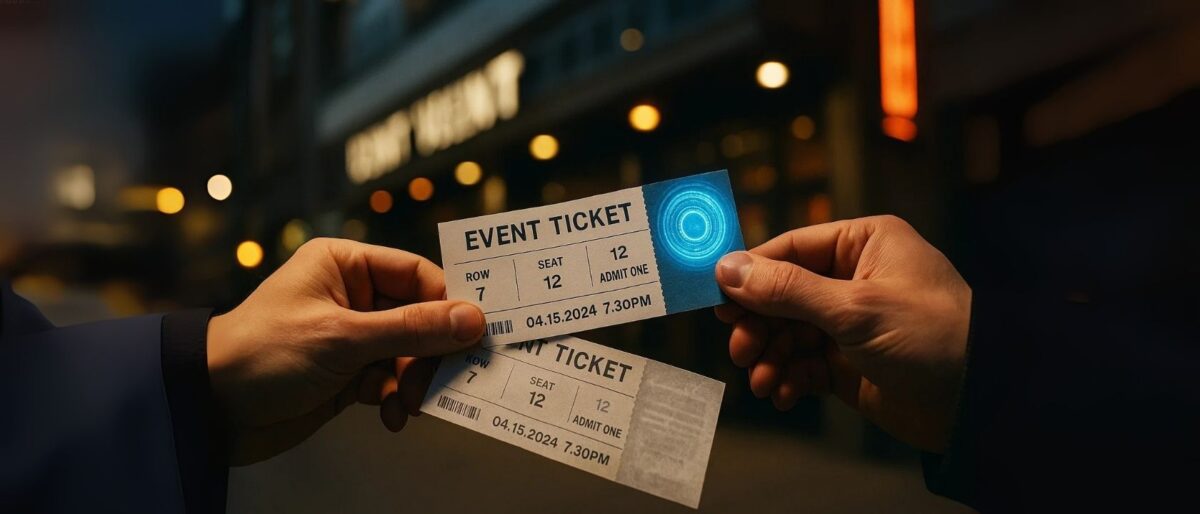
Few moments sting like finding your ticket is fake. Scammers prey on hype, hurry, and hope. This guide shows quick checks, safe places to buy, and steps to recover money if fooled. Keep cash secure, don’t overshare, data locked, and nights joyful. Ready to spot traps before your next show?
Why Fake Tickets Are So Common
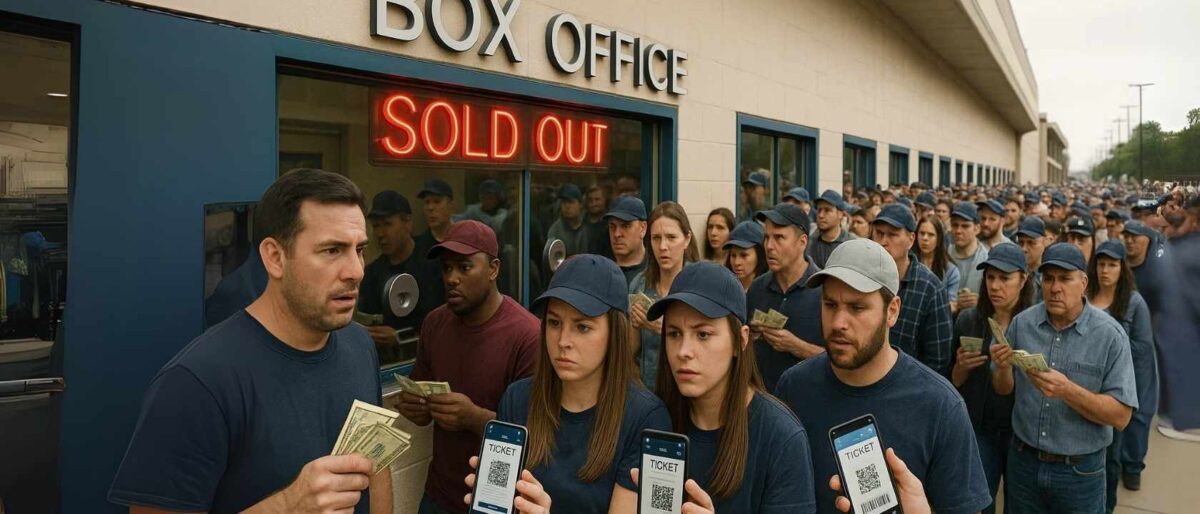
Scammers thrive where demand is fierce. When blockbuster concerts or playoff games sell out in minutes, fraudsters know fans are desperate. High demand fuels their schemes, making fake tickets easy to slip into the mix. Scarcity becomes their strongest weapon, tricking people into risky purchases.
The shift to digital and printable tickets also plays a part. While convenient, PDFs and mobile passes can be duplicated in seconds. A single barcode might get copied and sold dozens of times before fans even realize, leaving unlucky buyers locked outside the venue.
Social media and resale platforms have opened more doors for scams. Posts in groups or quick direct messages promise last-minute deals, but sellers often vanish once money changes hands. Without buyer protection, those “too good to be true” offers usually are. Add to this the emotional urgency—fans fearing they’ll miss their only chance—and people drop their guard. That’s when scams succeed.
Common Types of Ticket Scams
Not all scams look the same. Some are polished, some are sloppy, but each is designed to trick you. Here are the most common schemes you’ll run into when chasing tickets for big shows, games, or festivals.
Counterfeit physical tickets. These are often printed with glossy finishes or flashy designs that mimic the real thing. But if you check closely, they lack holograms, watermarks, or consistent fonts that official tickets use. They may pass a casual glance but fail at the gate.
Duplicate barcodes. One genuine ticket is copied and sold to multiple buyers. Everyone shows up with the same code, but only the first person scanned gets in. Everyone else is left standing outside with worthless paper.
Fake websites. Scammers set up domains that look almost identical to real ticket sellers. The logos, layouts, and wording feel convincing, but the small details—like misspelled URLs or missing security locks—reveal the trick. Buy here, and you’re paying for nothing.
Social media scams. A “friend of a friend” suddenly has spare tickets, often at a bargain price. Payment is pushed through fast methods like Venmo or gift cards. Once the money’s sent, the seller disappears, and so does your chance of entry.
Phishing emails. Fake confirmations land in your inbox, urging you to click links for “download” or “verification.” Instead of tickets, those clicks hand over personal data and payment details to scammers who use them for more fraud.
How to Spot Fake Tickets (Practical Checks)
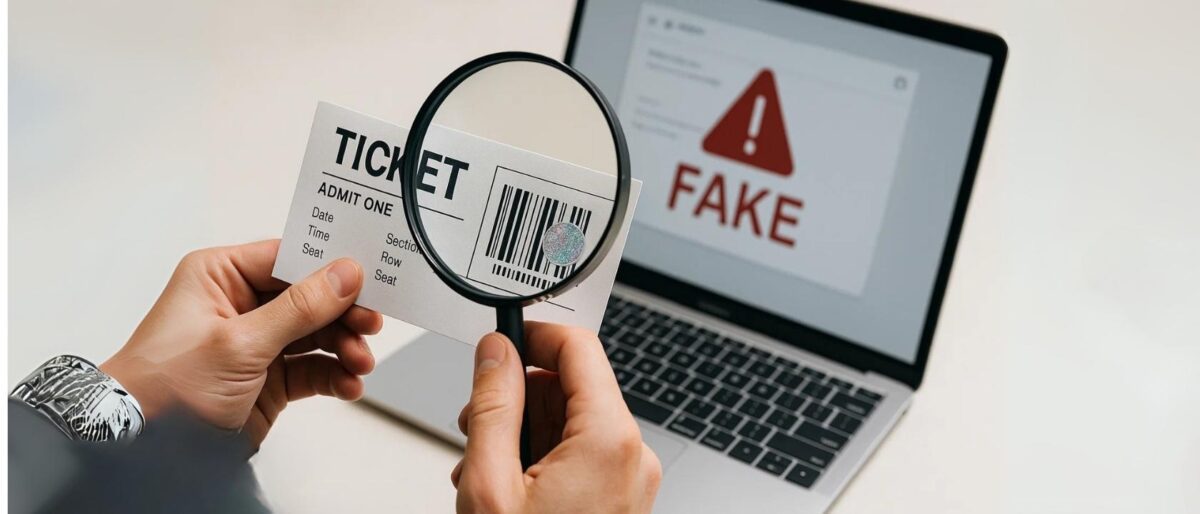
Scammers rely on speed and distraction. Slow down, take a closer look, and many fakes start to fall apart. These quick checks can help you spot trouble before you hand over cash or card details.
For digital tickets: Always look at the format first. Official sellers usually send tickets as PDFs or PKPASS files. Odd file types or screenshots are red flags. Zoom in on logos and barcodes—if they look blurry, pixelated, or misaligned, that’s a warning sign the ticket isn’t legit.
For physical tickets: Feel the paper. Real tickets often use heavier stock with holograms or watermarks built in. Fonts should match perfectly across the ticket. If possible, compare it side by side with one you know is genuine—small inconsistencies usually reveal a counterfeit fast.
For online listings: If the price is way below face value, assume something’s wrong. Reliable sellers give details and have a history of successful transactions. Be cautious if the profile is new, vague, or pushes you to pay through Venmo, wire transfers, or gift cards—methods scammers prefer because they’re hard to trace.
For emails and websites: Look beyond the design. Misspellings in URLs, missing HTTPS locks, or sloppy grammar are classic signs of fakes. Contact info that feels off—like a generic Gmail address instead of official support—should make you close the page before entering any details.
Safe Ways to Buy Event Tickets
When excitement runs high, it’s tempting to grab the first ticket you see. But where you buy matters more than you think. Choosing the right source can mean the difference between enjoying the show and standing outside the gate with nothing but frustration.
Official venue box office. The safest option is always the box office. Whether in person or online through the venue’s official site, you know the ticket is real. It may cost a little more in fees, but peace of mind is worth it.
Authorized ticket sellers. Companies like Ticketmaster, AXS, and Live Nation are recognized partners for major events. Their systems are designed to prevent duplication and protect buyers with official confirmations. If the event lists an authorized seller, stick with them.
Trusted resale marketplaces. Sometimes events sell out fast, and resale is the only path. Platforms such as StubHub and SeatGeek offer guarantees that cover you if tickets turn out to be fake. They handle payments securely and only release funds to the seller once the buyer gets in.
Avoid risky channels. Craigslist ads, Facebook Marketplace posts, and random direct messages might dangle cheap tickets, but they come with high risk. Without buyer protection or verification, you’re gambling with your money and your night out.
Best Practices to Protect Yourself
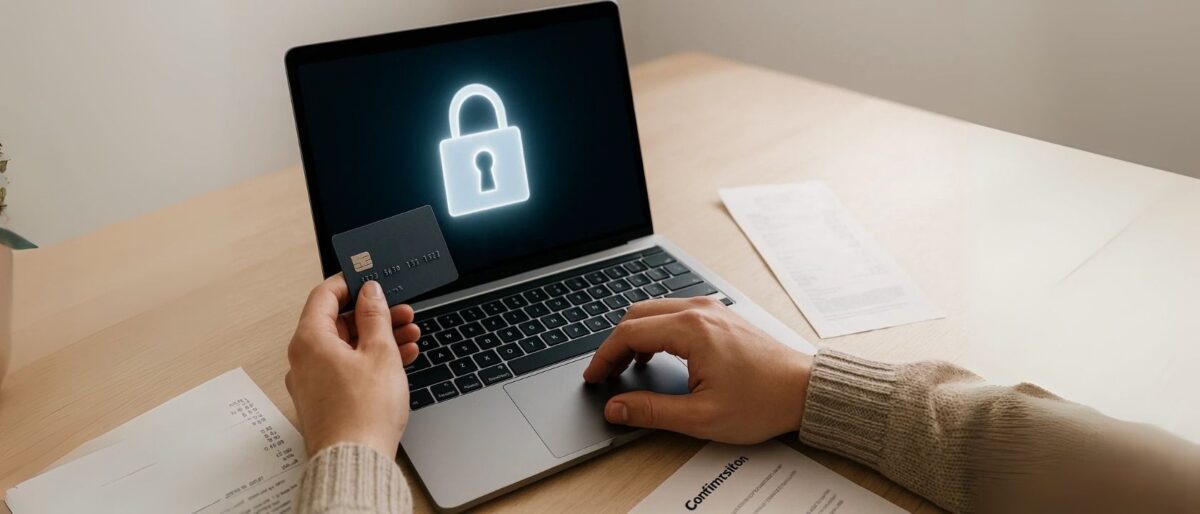
Buying smart means thinking ahead. Scammers bank on impulse decisions, so a little caution goes a long way. Follow these habits to lower your chances of getting burned when hunting for event tickets.
Always pay with a credit card. Credit cards give you built-in fraud protection. If something goes wrong, you can dispute the charge and often get your money back. Cash, gift cards, or quick-transfer apps don’t offer that safety net.
Double-check the official event website. Before clicking “buy,” visit the performer’s or venue’s official page. They’ll list authorized vendors and trusted partners. If a seller isn’t on that list, it’s not worth the risk.
Save receipts and confirmation emails. Keep every record of your purchase. Screenshots, order numbers, and confirmation emails can help you prove your case if you need a refund or dispute. Don’t delete them until after the event.
Be skeptical of last-minute deals. A “friend of a friend” who suddenly has tickets might seem like luck, but urgency is often a red flag. If the deal feels rushed or the price is suspiciously low, walk away.
Use ticket verification tools. Some platforms and venues offer barcode checks or apps that confirm validity before you arrive. If you have access to these tools, use them. Better to find out early than at the gate.
What to Do If You’ve Been Scammed
Realizing you bought a fake ticket feels crushing, but you’re not powerless. Acting quickly can help you recover money and prevent others from being tricked too. Here’s what to do if you’ve been caught in a ticket scam.
Report to the platform where you purchased. If you bought through a resale marketplace or seller app, contact them right away. Many platforms have buyer guarantees and refund policies for fraudulent tickets. The sooner you flag it, the better your chances.
File a dispute with your credit card company. Credit card providers often let you reverse charges when fraud is involved. Share all receipts, screenshots, and communication with the seller. Disputes usually take time, but they can save you from losing the full amount.
Report to the FTC or local consumer protection office. Agencies track scams and sometimes investigate larger fraud rings. Filing a report adds your case to their records, and in rare cases, it may even help law enforcement shut down the operation.
Warn others. Leave reviews on the site, share your experience in forums, and tell friends. Your story can help someone else spot the same scam before they lose money too. Turning your bad experience into a cautionary tale helps the entire fan community stay safer.
Extra Tips for Peace of Mind

Once you’ve learned the basics, a few extra habits can make ticket buying less stressful and far safer. These small steps build confidence and keep your focus where it belongs—on enjoying the event.
Sign up for presale alerts. Registering for presale notifications through fan clubs, credit card programs, or official artist pages gets you in early. Securing tickets this way means you’re not scrambling at the last minute, where scams thrive.
Learn refund and transfer policies. Each platform sets its own rules, and knowing them before you buy helps you make smarter choices. If a ticket is transferable or refundable, you’ve got added protection if plans change or issues pop up.
Use ticket verification apps. Some venues and sellers partner with apps that can confirm a ticket’s authenticity before you arrive. A quick scan saves you from nasty surprises at the door and lets you head in with confidence.
Follow official sources. Artists and venues often share updates on ticket drops or verified resale links through their social media. Keeping an eye on these channels keeps you informed and less likely to fall for impostors trying to mimic the real thing.
Conclusion
Ticket scams survive on urgency and a lack of attention. When fans feel rushed, they skip the small checks that would have exposed a fake. But a little caution changes everything. By sticking with trusted sellers, keeping records, and questioning deals that seem off, you protect both your money and your night out.
Smart buying habits don’t kill the excitement—they protect it. You can still chase your favorite bands, cheer for your team, or catch a Broadway hit without the fear of being shut out at the door. The key is balance: enjoy the buzz, but keep your guard up.
Don’t let scammers steal your night. Buy smart, stay alert, and rock on.