How Artists Plan World Tours: The Backstage Business
May 28, 2025
Broadway Show Etiquette: What You Should & Shouldn’t Do
May 28, 2025Stadium vs Arena Concerts: What’s the Better Experience?

Stadium or arena—where do concerts truly come alive? One promises sky-high spectacle, the other, sweat-close intimacy. If you’ve ever wondered whether bigger means better, or if smaller means sharper, you’re not alone. Let’s unpack the sights, sounds, and vibes to discover which venue delivers the concert experience that hits hardest.
Defining the Basics: Stadium vs Arena
Before we compare the roar of a stadium to the pulse of an arena, let’s get our definitions straight. Because while both host concerts that leave fans floating home, they’re built for very different vibes—and crowds.
A stadium concert is the big beast of live music. Think massive, open-air venues originally made for sports like football or soccer. These giants can seat anywhere from 40,000 to over 100,000 people. They’re often outdoor or semi-covered, with the stage sitting on one end of the field or right in the middle, surrounded by sea after sea of fans. These shows are mega-events, complete with fireworks, drone light shows, and pyrotechnics so loud they rattle your ribs.
In contrast, an arena concert offers something tighter and more concentrated. Typically 10,000 to 25,000 seats, arenas are fully indoor spaces—no rain delays, no windblown setlists. Originally designed for basketball, hockey, or entertainment events, arenas are now tailored for live music with far better acoustics. Their size allows for dynamic lighting, immersive stage setups, and a closer, more personal atmosphere—even from the back rows.
So in short? Stadiums are epic. Arenas are intense. Both pack a punch—but in totally different ways.
Size and Atmosphere: Epic vs Electric
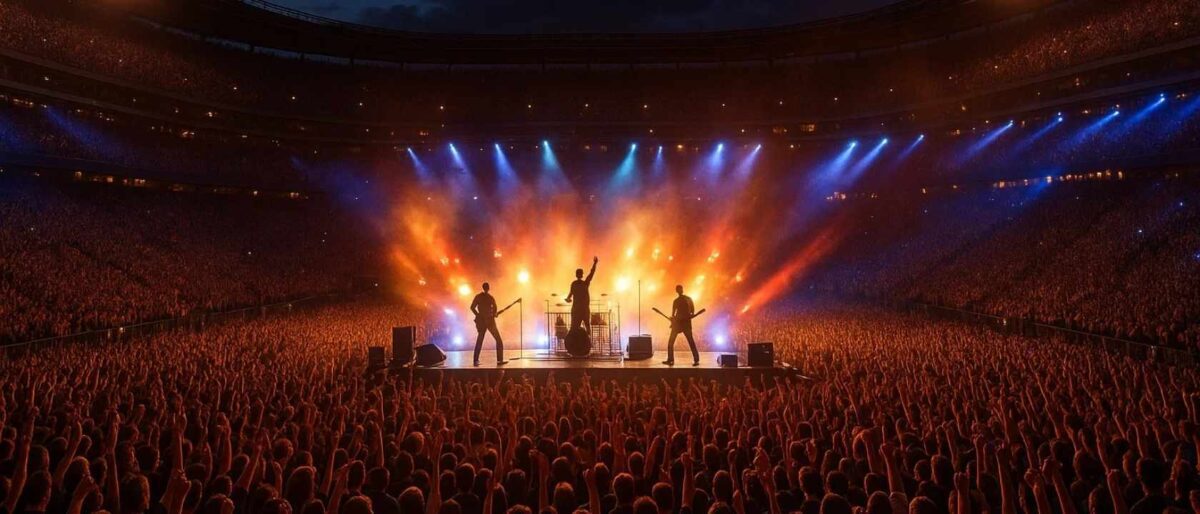
When it comes to concerts, size isn’t just a number—it’s a feeling. It shapes everything: the buzz in the air, the beat in your chest, the way strangers turn into your favorite backup singers. Stadiums and arenas both bring the heat, but their energy? Worlds apart.
Stadiums are grand. Monumental. Stepping into one for a concert feels like joining a musical pilgrimage. With tens of thousands of fans packed shoulder to shoulder, the atmosphere is electrifying—more like a festival explosion than a concert. The sheer scale creates a natural high. Waves of cheers roll across sections. Fireworks light up the sky. It’s adrenaline and awe all at once. You’re not just watching a show—you’re part of a roaring, stomping, arm-waving ocean of humanity.
But arenas? They trade scale for connection. The intimacy is undeniable. You can actually see the artist’s face, not just their silhouette on a screen. Closer sightlines mean better visuals and a stronger sense that you’re sharing the night with the performer, not just watching from afar. The crowd’s energy doesn’t spread wide—it shoots straight forward, concentrated and contagious. Fewer distractions. More focus. Stronger vibes.
And here’s the twist: crowd size changes the experience. Big crowds create epic moments—but smaller ones can create deeper ones. In a stadium, you’re part of history. In an arena, you’re part of the story.
Acoustics and Sound Quality
If the atmosphere sets the mood, sound seals the memory. And when you’re dropping a couple hundred bucks on a ticket, you want more than just bass—you want clarity. Here’s where stadiums and arenas really part ways, and your ears will notice.
Arenas have a distinct edge when it comes to sound. These venues are typically built for audio control, with acoustics designed to minimize echo and maximize clarity. From the beat of the drums to the tiniest vocal run, you’re more likely to hear everything the way the artist intended. The walls help contain and bounce the sound strategically. The result? A tighter, crisper listening experience that doesn’t feel like it’s trying to catch up with itself.
Stadiums, on the other hand, weren’t made for music—they were made for sports and shouting. The open air leads to echo, sound delay, and weather interference. Wind can carry notes off-course, and the sound can feel distant or uneven, especially for those in the upper tiers or way out on the field. Ever heard the beat hit a second late? Stadium life. That said, sound engineers don’t just throw up speakers and hope for the best.
Touring crews work overtime to adapt. They use delayed speaker arrays to balance sound across vast distances, and digital mixing systems that tweak output in real-time depending on weather, layout, and crowd noise. It’s part science, part sorcery.
Even artists adjust their game. In arenas, they can rely on in-ear monitors to hear themselves clearly and interact with the audience more naturally. In stadiums, they might simplify arrangements or choreograph their timing around echo lag—because even a split-second delay can throw off a line or a leap.
So if sound is your top priority, arenas win hands down. But if you’re chasing spectacle and don’t mind a little sonic blur? Stadiums still deliver—just maybe bring earplugs *and* low expectations for that perfect vocal mix.
Stage Design and Visual Production
Let’s face it—people don’t just go to concerts to hear music anymore. They want to see something unforgettable. The visuals matter. The lights, the screens, the staging—it’s all part of the storytelling. And depending on whether you’re at a stadium or arena show, the spectacle shifts dramatically.
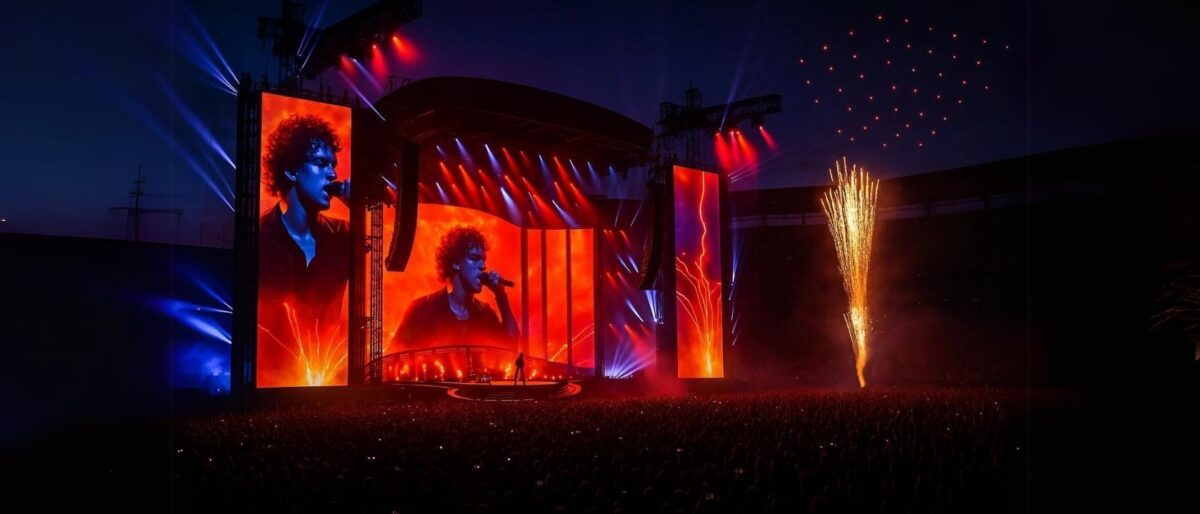
Stadium stages go big. Very big. We’re talking towering LED screens the size of small buildings, multi-level set pieces, rotating platforms, fireworks displays, and even coordinated drone shows. In these massive venues, visuals must reach fans sitting hundreds of feet away. The scale is designed to stun—from any distance. But here’s the trade-off: while it’s jaw-dropping, it can feel more like watching a concert on a Jumbotron than being inside the story.
Now shift to arenas, where the space is tighter, the stage closer, and the production more immersive. Artists often use in-the-round designs or extended runways, making it feel like the show is unfolding around you, not in front of you. Lighting effects shine brighter in the darkened, enclosed setting. Smoke, lasers, and projections are far more controlled—and far more impactful when they’re not competing with the moon and passing airplanes.
In stadiums, visibility becomes a real issue. Unless you’ve shelled out for floor seats or snagged a perfect angle, you’ll likely be relying on screens to follow the action. That can dilute the connection between artist and fan. Arenas, by contrast, offer closer sightlines even from the back rows, making every seat feel like part of the action.
So what’s the real difference? It’s the trade-off between scale and clarity. Stadiums give you grand spectacle—the kind of show you tell your grandkids about. Arenas offer focus and finesse, where every flick of a finger or flash of an eye lands exactly as intended. One’s a movie premiere. The other? A front-row seat at a masterpiece.
Ticket Prices and Seating Value
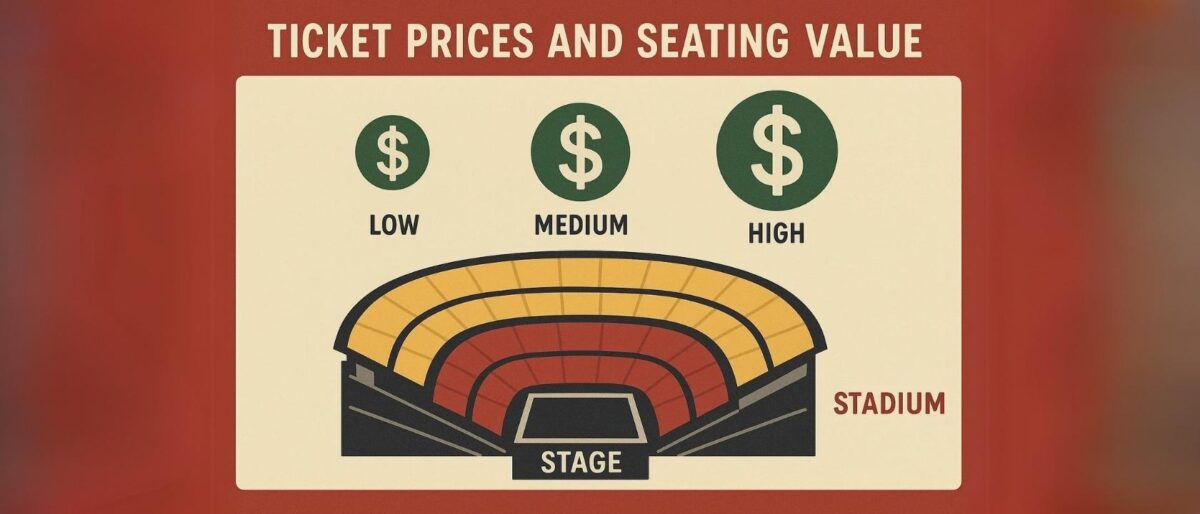
Let’s talk dollars and seats—because the concert experience starts the moment you click “Buy.” Whether you’re trying to catch your favorite artist on a budget or ball out for a front-row thrill, your venue choice can seriously impact what you get for your money. And yes, size does matter—but not always in the way you’d think.
Stadiums win on sheer volume. With 50,000–100,000 seats to fill, there’s usually a wider range of prices, especially in the nosebleeds. That means you can snag a ticket for less—even if you’ll need binoculars or rely entirely on the screens. The upside? You’re part of something epic without breaking the bank. The downside? You may feel like you’re attending the concert from across the street.
Arenas, with smaller capacity, often mean higher per-seat prices. Fewer seats + better views = more competition. But what you lose in affordability, you often gain in value. Even a mid-tier seat in an arena can offer a better line of sight and more intimate feel than a mid-tier stadium spot. You’re closer, more immersed, and less dependent on screens to figure out if the artist is actually waving or just stretching.
And then there’s the golden zone: VIP and pit experiences. Both stadiums and arenas offer these coveted packages, but the vibes are totally different. In stadiums, pit passes may land you right at the front of a giant sea of fans, surrounded by thousands but connected to the stage. In arenas, VIP zones are often right there, close enough to catch a sweat droplet or setlist tape. Some packages include meet-and-greets, early merch access, or backstage tours—perks that feel more personal in smaller venues.
So what’s the better value? If you’re after spectacle on a budget, stadiums deliver. If you crave a deeper, closer experience and don’t mind paying more for it, arenas are the move. Either way, your wallet—and your seat—sets the stage.
Accessibility and Amenities
Let’s be honest—your concert night starts long before the lights dim. Getting there, finding your seat, grabbing a bite, dodging the restroom line—it all shapes the experience. And whether you’re headed to a sprawling stadium or a compact arena, accessibility and amenities can make or break your mood before the music even begins.
Stadiums are built for volume, but that scale comes with a price. Parkingpublic transit, the post-show scramble is real—especially with crowd control in play. Funnel-like exits, packed footbridges, and long walks back to distant parking lots are part of the package. It’s survival of the fastest… or the most patient.
Arenas offer a much smoother ride, literally. They’re typically built with easy access in mind—centrally located, connected to public transport hubs, and designed for faster entry and exit. Once inside, arenas usually have more restrooms, more food courts, and better climate control. You won’t sweat through a rain poncho or spend 40 minutes hunting for nachos. Everything’s closer, cleaner, and more manageable.
One of the biggest perks of arenas? Navigation. Finding your seat is simpler, walking from your section to concessions doesn’t feel like a half-marathon, and exits are more streamlined. In stadiums, by the time you get from row ZZ to the snack bar, the setlist might have moved on without you.
Bottom line? Stadiums demand endurance. Arenas offer ease. If comfort, convenience, and quicker transitions matter to you, arena shows take the win. But if you’re chasing that “once-in-a-lifetime” scale and can handle a few logistical headaches? Stadiums still pack the punch—you just might want to wear comfy shoes and arrive early.
Weather Factor: Rain or Shine?
Let’s not sugarcoat it—weather can make or break your concert night. While artists sing about dancing in the rain, no one’s thrilled about soggy shoes, sunburns, or gale-force winds tossing hats like confetti. Here’s where the venue type really matters: in a stadium, you gamble with the skies. In an arena, the climate never calls the shots.
Stadiums are open-air marvels… until the clouds roll in. From rain delays and thunderstorm evacuations to heat exhaustion on blazing summer days, outdoor shows demand stamina. Even wind can mess with sound systems, stage setups, or that perfectly curated hairstyle you spent hours on. Sometimes, weather turns the night from magical to miserable faster than you can say “poncho.”
Then there’s the flip side: arenas. Fully enclosed, fully controlled, fully comfortable. You’ve got air conditioning in the summer, heating in the winter, and no chance of your favorite song getting postponed due to lightning. It’s the kind of consistency that lets you focus on the show—not the forecast.
And yes, weather affects energy. In stadiums, harsh conditions can drain the crowd—and the performers. Sweaty, overheated fans are less likely to jump around. Soaked clothing saps enthusiasm. Even artists can struggle when battling the elements. In arenas, everyone stays cool (literally and figuratively), which usually means higher, longer-lasting energy.
If you’re someone who likes to plan outfits without weather contingencies—or just doesn’t want to sit in a puddle—arenas are the safer bet. But if you’re the all-weather type, the kind who thrives on chaos and claps through downpours? Stadiums still deliver epic stories—you just might need a raincoat and a sense of humor.
Fan Interaction and Artist Presence
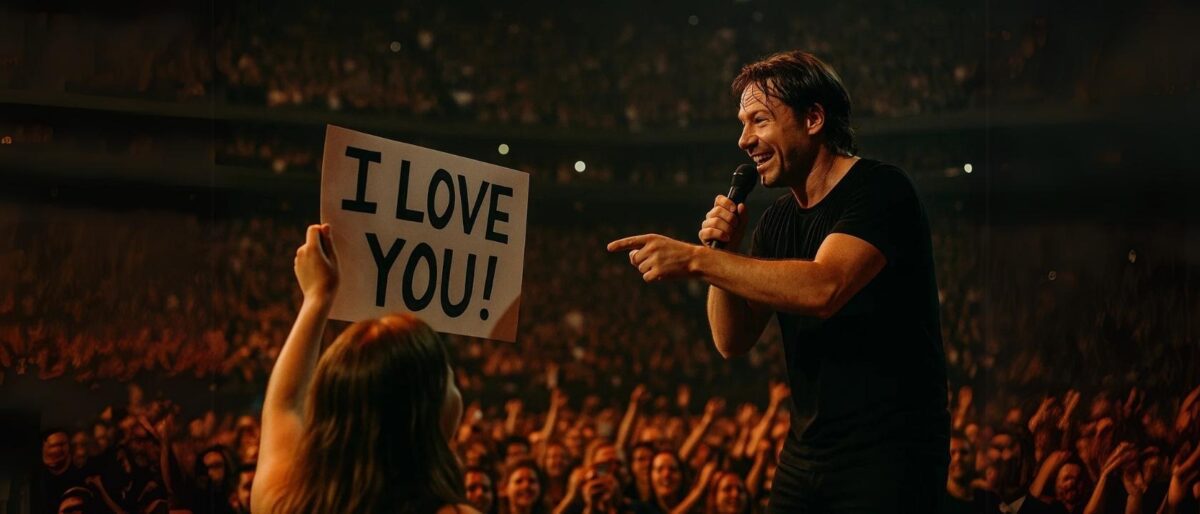
When you’re watching your favorite artist perform live, it’s not just about the setlist—it’s about the connection. That moment when they lock eyes with a fan, crack a joke between songs, or point out a handmade sign? Pure gold. And while both stadiums and arenas serve up unforgettable memories, they do it very differently when it comes to artist-to-fan interaction.
Let’s start with artist movement. In arenas, the stage is often more compact or placed in-the-round, which means artists can work all angles of the room. There’s more freedom to move, more chances to engage every section, and more opportunities for face-to-face magic—even in the upper rows. They can stroll, dance, kneel down, and riff off crowd energy like they’re feeding from it in real time.
In contrast, stadiums limit mobility. With massive setups and longer distances between fans and the stage, artists often stick to one zone or move via catwalks. Even with giant screens and floating stages, the connection can feel filtered—like watching a beautiful moment behind glass. The bigger the venue, the harder it becomes to create intimate sparks, especially for fans seated far from the action.
That brings us to the sweet stuff: eye contact, spontaneous moments, and fan callouts. These are far more common in arenas. You’re more likely to hear a personal shoutout, see an artist read a sign aloud, or catch a moment that feels like it’s just for your section. It’s not that it can’t happen in stadiums—it’s just harder to pull off when you’re trying to project across 80,000 people.
So, does scale dilute intimacy? In many cases, yes. Stadiums give you spectacle and shared awe. Arenas give you moments that feel personal—even in a crowd of thousands. If you’re the type who thrives on those close-up goosebumps and one-on-one vibes, arenas win this round. But if you love the buzz of being one voice in a massive roar, stadiums still deliver their own kind of magic.
Crowd Energy and Collective Euphoria
You can’t bottle it, you can’t fake it—but when it hits, it’s unforgettable. Crowd energy is the electricity that turns a great concert into a legendary one. And whether you’re in a stadium pulsing with tens of thousands or an arena buzzing with tightly packed intensity, the vibe is real—but very, very different.
Stadium concerts feel like events of a lifetime. There’s something transcendent about hearing a chorus echo across an open sky, surrounded by 70,000 other voices chanting the same lyrics. It’s shared joy on an epic scale—part concert, part cultural moment. People remember where they stood, what they wore, who they were with. These shows become stories told for years, with phrases like “I was there when…” whispered like folklore.
Arenas, by comparison, are high-voltage thrillers. They trade sheer numbers for density. The sound slams harder, the crowd reactions are immediate, and every scream feels amplified by proximity. It’s not about being one of many—it’s about being right in the blast zone. These shows don’t just surge—they snap, crackle, and ignite.
From a psychological standpoint, crowd energy behaves differently in each setting. Large stadium crowds tend to generate a sweeping wave of emotion—slower to rise, but impossible to ignore. It’s collective euphoria, where the energy spreads like wildfire. In arenas, the energy is more compressed, more personal. You feel it in your ribs, see it in the sweat of the artist, and ride it with every jump and cheer around you.
So which one’s better? It depends on what you crave. If you want to be part of something massive, stadiums are your stage. If you want to be in it, where every beat feels like it’s hitting just for you, the arena might be your true home.
Logistics and Event Experience
Let’s talk about the stuff that rarely gets glamorized in Instagram reels—but totally shapes your night: the logistics. Because before you can throw your hands up and lose yourself in the music, you’ve got to make it through the maze of modern concert-going. And here, stadiums and arenas offer two very different rides.
First, the obvious: stadium logistics are a beastentry lines and security checks are usually long, slow, and unpredictable. Just getting inside can feel like completing a side quest. Then there’s the merchandise line—a scene straight out of a theme park on peak weekend. Want that tour hoodie? Better get in line before the opener’s first chord—or be prepared to miss a song or two.
Arenas, on the other hand, are logistical sweethearts. Fewer people means quicker lines, more manageable security scans, and an easier time navigating to your section. For the crew, it’s a tighter operation. For fans, it’s simply less chaos. You can hit the bathroom, grab a drink, and get back to your seat before your favorite verse drops.
Speaking of drinks—food, beverages, and bathrooms are another clear dividing line. Stadiums often suffer from long waits and limited availability. That hot dog you were craving? It’s probably cold by the time you finally get it. Restroom lines can snake halfway to the parking lot. Arenas, being built for turnover and repeat events, usually have better access and faster service. More vendors, better signage, and shorter walks between you and your next snack.
Simply put: stadiums demand patience, planning, and maybe a pre-game meal. Arenas deliver smoother flow, quicker comfort, and less time away from the action. If you hate waiting in line more than you love hearing the encore, the arena wins hands down.
Best Acts for Each Venue Type
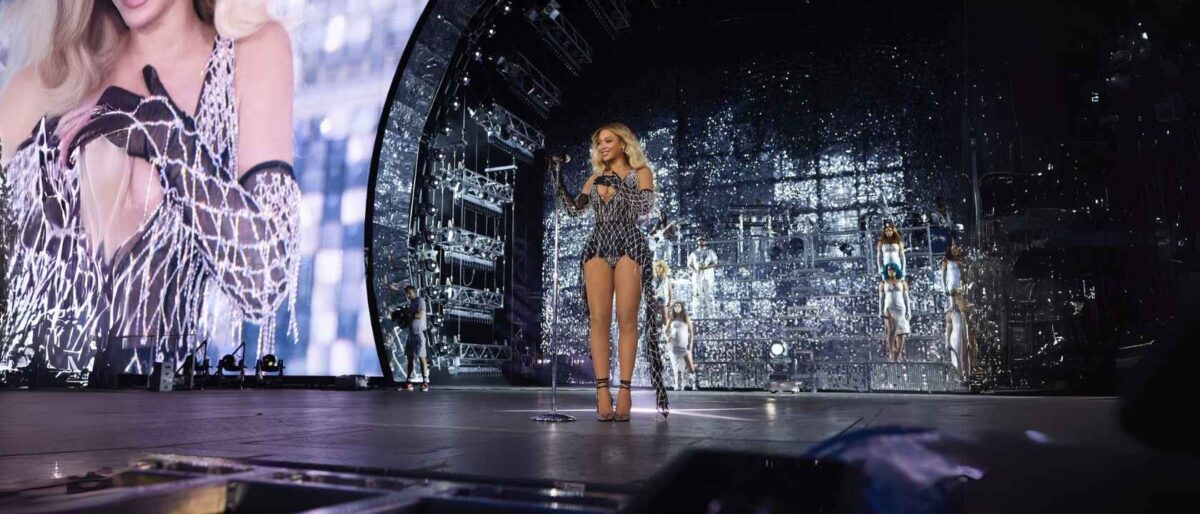
Not all concerts are built for the same stage. Some artists need explosions, drone swarms, and a football field-sized runway. Others shine brightest under a single spotlight in a closed, resonant space. So, who fits where? Let’s break down the names that match the stage—and the ones that can do both.
Stadium-fit artists are the heavyweights. Think Beyoncé, Taylor Swift, Bad Bunny, and U2. These are artists who don’t just perform—they orchestrate events. Their fanbases are massive, their shows are cinematic, and their production teams practically require a GPS. Stadiums give them the scale they deserve: fire, flying platforms, multi-screen visuals, and space for tens of thousands of screaming fans. Their music is anthemic, made to ripple across open air and echo from upper decks.
Then you’ve got the arena-perfect performers. Artists like H.E.R., John Mayer, Billie Eilish, and even The Weeknd when he’s playing an indoor leg. These shows thrive on intimacy, mood, and the feeling of being in a shared, sacred space. When lyrics matter more than laser beams and you want to see fingers pluck strings, arenas are where these acts come to life. The vibes are tighter, the sound is cleaner, and the storytelling feels more personal.
But here’s where it gets interesting: some artists float between both worlds. They might kick off with an arena tour and graduate to stadiums once momentum hits. Others flip formats mid-tour, tailoring the show to different markets. Why? A stadium sells out in New York, but an arena fits better in Omaha. It’s a mix of logistics, audience size, and performance goals. And sometimes, it’s just a creative decision—how the artist wants the story to unfold.
In the end, the best artists don’t just pick the right venue—they adapt to it. They know when to go big and when to go deep. And lucky for us? We get to decide how we want to experience the music—under fireworks or under rafters.
Touring Strategy from the Artist’s Perspective
While fans are focused on setlists and surprise guests, artists and their teams are knee-deep in spreadsheets, timelines, and strategy. A concert tour—especially one spanning both stadiums and arenas—isn’t just about where the music sounds best. It’s a finely tuned operation shaped by economics, geography, and career vision.
First up: the all-important cost-benefit analysis. Stadium shows are expensive. Think cranes, custom stage builds, extra crew, enhanced security, and city-level permits. But they also rake in massive returns when executed well—ticket sales, premium merch zones, and corporate sponsorships. The trick? Balancing the bombast of production with profit potential. One stadium show might equal the revenue of two or three arena gigs—but only if every seat is filled.
City choice and scheduling play a major role, too. Not every metro area has a stadium ready to host a mega-show. Some cities only have arenas or amphitheaters, and stadiums can be booked months or even years in advance for sporting events. Artists must weigh demand against venue availability—and sometimes settle for a smaller space just to make the map work. Timing is also critical. You can’t route a tour coast to coast with five-day gaps and expect the crew to stay sane.
Then there’s the clout factor. Stadium tours are a milestone—a signal to the industry (and the fans) that you’ve reached another level. Selling out a stadium is a badge of honor, a headline-maker, and often a marker of legacy status. Artists like Taylor Swift and Ed Sheeran didn’t just move into stadiums—they redefined what pop tours could look like on that scale.
Ultimately, it’s a chess game. Arena tours offer flexibility and consistency; stadiums bring splash and spectacle. The smartest artists know how to use both—testing ideas in smaller rooms, then scaling up once the story’s ready to go big. It’s part vision, part calculation, and 100% hustle.
Personal Preference: What Type of Fan Are You?

Let’s get personal. Because after all the fire cannons, light shows, and logistics, the “better” concert experience really boils down to one thing: you. Are you there for the spectacle? The connection? The crowd? The closeness? Everyone’s got a different version of what makes a concert unforgettable—and your ideal vibe might surprise you.
Ask yourself this: Do you want to belt your lungs out with 60,000 strangers under the stars, feeling the ground shake with every bass drop? Or would you rather lock eyes with the artist from 30 feet away, catching a grin that feels like it’s just for you? Both are valid. Both are magical. But they’re not the same experience.
Introverts and extroverts often lean in different directions here. If the idea of navigating huge crowds makes your anxiety spike, an arena might feel more manageable—easier exits, fewer people, a tighter bubble of energy. But if you thrive in the middle of organized chaos, where the crowd becomes one collective heartbeat? Stadium shows were practically built for you.
It also comes down to what you value. If you live for the show—the lasers, the fireworks, the once-in-a-lifetime visuals—then stadiums are your jam. It’s sensory overload in the best way. But if you’re about the music itself, every note, every lyric, every small gesture, you might find your bliss in an arena, where the sound is cleaner and the experience feels more… human.
There’s no right answer—just your answer. And the beauty is, you can try both. Because whether you’re waving a phone flashlight in a stadium or swaying in your seat at an arena, what matters most is that you’re there, fully present, feeling something real.
Conclusion: Choose Your Vibe
So, stadium or arena—what’s the better concert experience? Honestly? It depends on the night, the artist, and you. Stadiums deliver sky-high drama, jaw-dropping visuals, and that once-in-a-lifetime, goosebump-inducing magnitude. But they also come with long lines, distant views, and less control over sound and comfort.
Arenas, on the flip side, offer intimacy, clarity, and immersive connection. You’ll hear every lyric, feel every bass hit, and maybe even get a moment of eye contact that stays with you forever. Of course, they’re smaller, sometimes more expensive, and a little less “epic” in scale—but that’s the charm.
The truth is, neither is better—they’re just beautifully different. One is a music spectacle written in fire and lasers. The other is a love letter whispered through a microphone. And both have their place in the concert lover’s journey.
If you get the chance, see your favorite artist in both settings. Experience the grandeur and the grit, the roar of the crowd and the hush before an encore. Because in the end, the best concert isn’t about where you are—it’s about how it makes you feel. And if it moves you? That’s the only measure that matters.