20 Fun Facts About Legendary Concert Tours
May 29, 2025
Best Apps to Track Concert & Comedy Ticket Drops
May 30, 2025Can Stand-Up Comedy Address Social Issues?
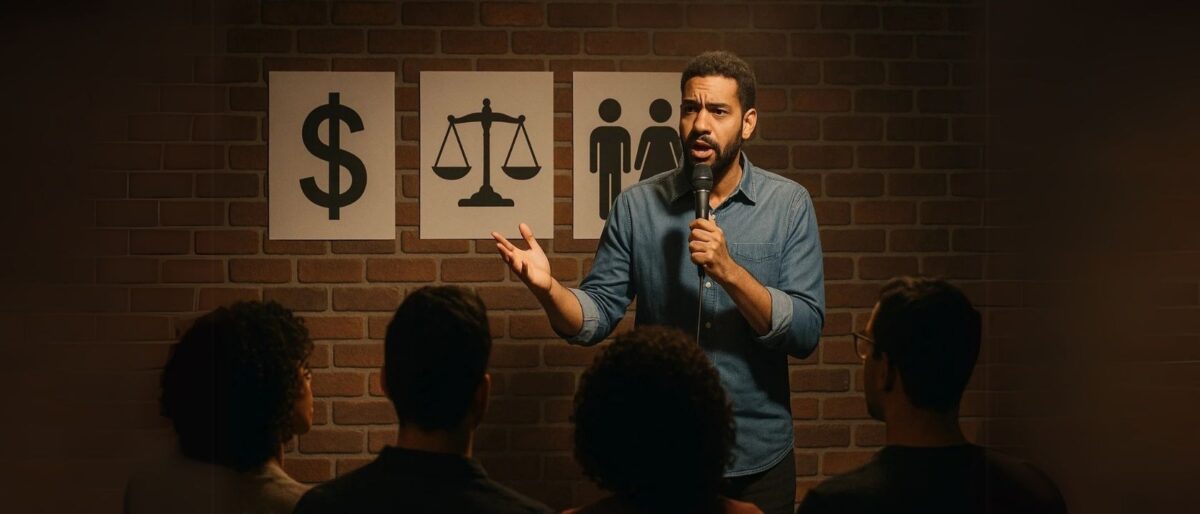
Can a punchline pack more power than a protest? Stand-up comedy has always been a sharp-edged mirror to society—one that reflects injustice, jabs at hypocrisy, and disarms with wit. In a world on edge, comics don’t just make us laugh—they make us think. But can laughter really lead to change?
A Brief History of Political Comedy
Political comedy didn’t just pop up overnight—it’s been poking the bear for decades. Lenny BruceGeorge Carlin, whose “Seven Dirty Words” became a legendary battleground for free speech. Carlin didn’t just make people laugh—he made them squirm, question, and occasionally, clutch their pearls.
Fast-forward to today, and comics like Hannah Gadsby have turned the stage into something more than a joke delivery zone. Her groundbreaking special *Nanette* peeled back the layers of trauma, identity, and art itself—more TED Talk than traditional stand-up, and yet undeniably powerful. Comedy, over the years, has morphed from wisecracking commentary to something bolder: a kind of cultural scalpel, cutting through noise with honesty and humor.
As censorship, cancel culture, and political divides intensify, so does the impact—and risk—of saying something real into a mic. It’s a reminder that comedy isn’t just entertainment. It’s resistance. It’s revelation. And sometimes, it’s revolutionary.
Why Comedy Hits Different
Here’s the thing—comedy sneaks past our mental security guards. You’re chuckling at a clever jab, and before you know it, you’ve digested a harsh truth without flinching. Humor bypasses defenses like a Trojan horse with a mic, delivering tough messages wrapped in punchlines instead of lectures.
Comedians wield satire, irony, and exaggeration like scalpels. They can slice through social absurdities, exposing contradictions and double standards with surgical precision. Want to call out systemic racism, gender bias, or political hypocrisy? A comedian can do that in under 30 seconds—with a laugh that sticks harder than a sermon ever could.
Audiences who might shut down during a debate stay open when they’re laughing. Comedy disarms. It makes space for discomfort. And in that space, big truths can slip through the cracks. Whether it’s John Mulaney joking about rehab or Hasan Minhaj dissecting immigration policies, we’re not just entertained—we’re educated. That’s the magic of comedy: truth, disguised as a good time.
Topics Tackled by Stand-Ups
Stand-up comics don’t just sling jokes—they tackle taboos with tenacity. The stage becomes their soapbox, and the mic? A magnifying glass on society’s messiest issues. With biting wit and bold honesty, comics have long pushed boundaries, calling out what others tiptoe around.
Racism? Richard Pryor set the gold standard—his raw, fearless takes in the ’70s are still quoted today. Dave Chappelle continues that tradition, confronting systemic injustice with both edge and nuance, sparking necessary conversations (and sometimes controversy).
Gender and sexuality? Hannah Gadsby’s Nanette broke comedy conventions by blending trauma, queerness, and rage into something unforgettable. Wanda Sykes and Ali Wong bring their unique voices—unapologetic, hilarious, and razor-sharp—to the gender discourse, flipping norms and smashing double standards.
Politics? You don’t need a debate stage when you’ve got John Oliver or Hasan Minhaj. Their blend of facts, fury, and funny makes current events digestible—and deadly accurate.
Beyond the headlines, stand-ups delve into mental health, religion, class struggles, disability, family trauma—basically, the stuff society whispers about. In the right hands, even the darkest material becomes illuminating. They shine a spotlight where others look away—and make us laugh while doing it.
The Role of Personal Stories
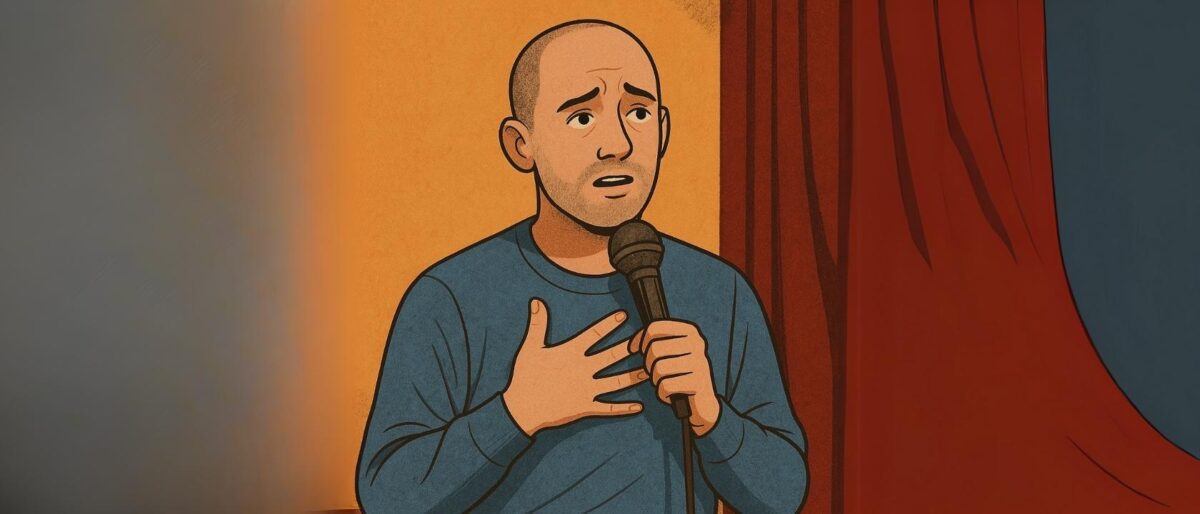
Some of the most impactful comedy doesn’t come from clever wordplay or zany observations—it comes from truth, trauma, and telling it like it is. Personal stories in stand-up transform the stage into a confessional booth, a diary with a spotlight, a therapy session with a two-drink minimum.
This is autobiographical comedy—where authenticity disarms and relatability reigns. When comics dig into their own lives—heartbreaks, identity crises, awkward childhoods, messy breakups—they pull us closer. We laugh, not just because it’s funny, but because it’s real.
Lived experience becomes a launchpad for laughs. The pain of growing up different? Turned into a punchline. The awkwardness of navigating dating while queer, broke, or divorced? Mined for every cringy chuckle. It’s catharsis in joke form, and that vulnerability—when wielded right—makes the message stick like gum on a shoe.
Comics like Tig Notaro, Hasan Minhaj, and Trevor Noah have all turned their life stories into comedic gold, bridging the gap between the personal and political. When we see ourselves in their stories—or better yet, when we understand someone else’s—we leave the show not just entertained, but enlightened.
Can Comedy Create Real Change?
Comedy may not pass legislation or stage protests, but can it ignite change? That’s the million-dollar question. Often, the answer is yes—but with an asterisk. Humor can be a spark, not the fire. It jolts people awake, shakes assumptions, and sometimes, gets folks to think before they laugh.
Awareness vs. action is where it gets murky. A powerful set can raise eyebrows and blood pressure—but will it raise money, votes, or voices? Specials like Nanette didn’t just entertain; they forced uncomfortable, necessary conversations around trauma, consent, and the limits of comedy itself. Hannah Gadsby didn’t ask for applause—she demanded introspection.
Hasan Minhaj’s Patriot Act tackled student debt, Saudi politics, and affirmative action—with punchlines and pie charts. John Oliver has nudged public discourse so hard, Congress had to pay attention. These comics didn’t just riff—they revealed.
Still, one question lingers: does comedy change minds, or just preach to the choir? Truth is, laughter disarms. It opens people up. But whether that openness becomes action depends on the audience. Comics plant seeds—but it’s on us to water them.
Risks, Backlash, and the Line
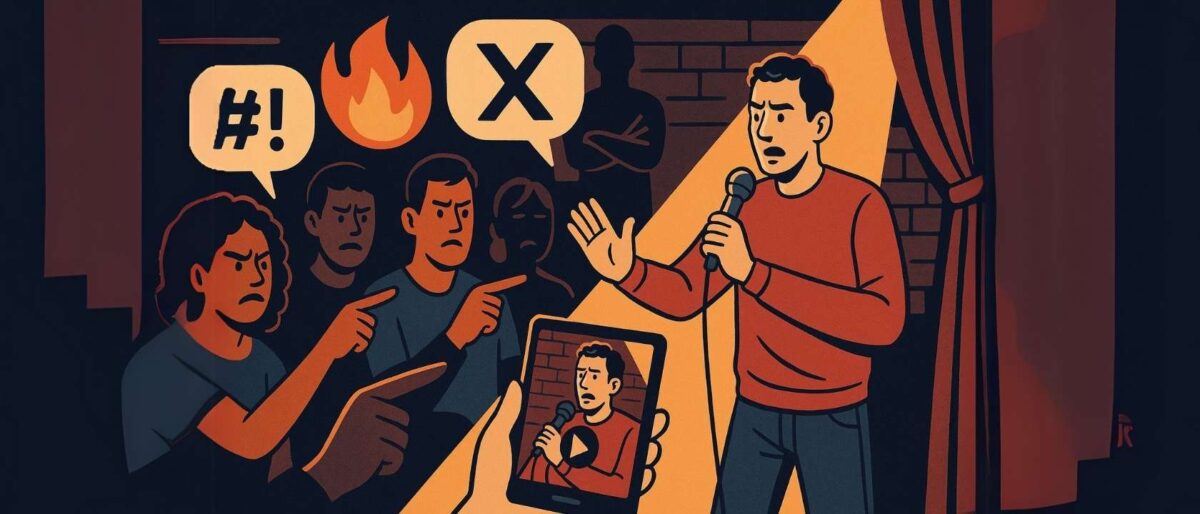
Comedy’s power to provoke comes with a price: one wrong joke can spark a firestorm. And in today’s world, that fire can spread fast. The line between a gutsy truth bomb and a tone-deaf misfire? Razor thin—and constantly shifting.
Let’s talk intent vs. impact. A comic might mean to challenge prejudice, but if the joke feels like a cheap shot—or worse, a punch down at already marginalized groups—the crowd may not laugh, they may lash back. Audiences aren’t just passive anymore; they clap back, post clips, demand apologies, or even cancellations.
This is where cancel culture clashes with comedy culture. Some argue we’ve lost our sense of humor. Others say we’re finally holding comics accountable. But the real question is: Was it funny because it’s true, or just cruel?
Ethical debates swirl around jokes about race, gender, trauma, and politics. Can you joke about anything? Technically, yes. But should you? That depends on timing, tone, and who’s holding the mic. Comics who punch up—at power, injustice, or their own flaws—tend to fare better. Those who punch down? Often land flat or get flattened.
In the end, comedy is risky business. But risk is part of its magic. When done right, it walks the line with wit and courage. When it stumbles? Hopefully, it learns—and keeps the mic warm for the next bold voice.
Comedy as Catharsis and Connection
Ever laugh so hard you cried—or maybe cried so hard you had to laugh? Comedy cracks the silence that pain builds. In those moments, humor isn’t just a joke—it’s a lifeline. When stand-ups talk about trauma, grief, injustice, or shame, they give us all permission to breathe again.
“If you don’t laugh, you cry” isn’t just a cliché—it’s a coping mechanism, a cultural release valve. Whether it’s a comic turning personal loss into punchlines, or an audience chuckling through uncomfortable truths, that laughter heals. It turns wounds into wisdom, and tension into togetherness.
There’s magic in a room of strangers all erupting in the same gasp-laugh at the same time. It says: “You’re not alone”. That kind of emotional shorthand—where a shared laugh means shared understanding—is rare and powerful. Especially when what we’re laughing at is what we’ve lived through.
Stand-up is more than just “ha-ha.” It’s human. It’s how we connect. How we cope. And sometimes, how we call things out while still calling people in.
Popular Examples and Their Impact
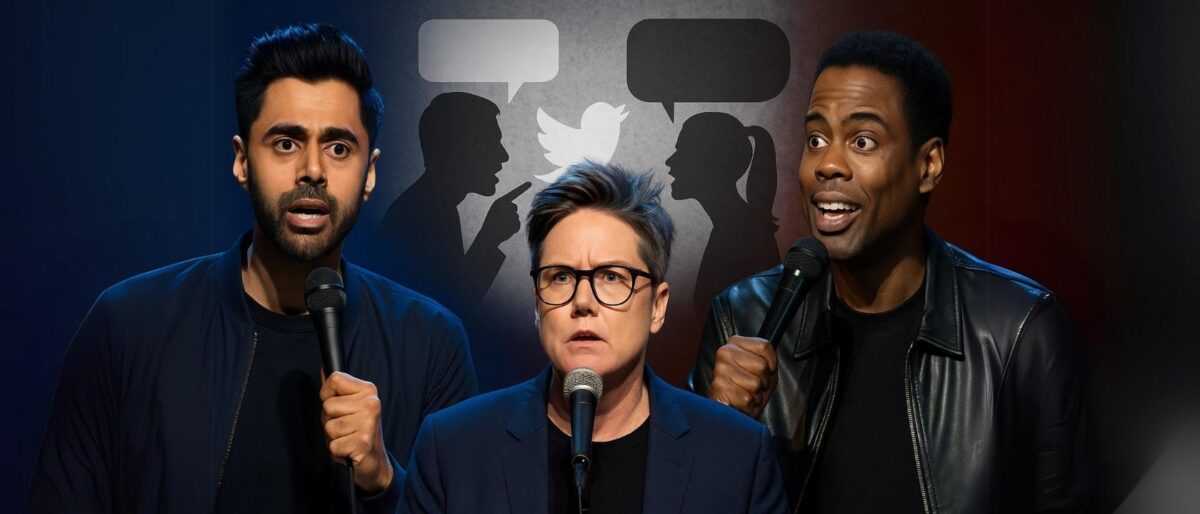
When a stand-up special goes viral, it’s rarely *just* about laughs. Often, it’s because it poked a bruise we all share—or touched a nerve we weren’t ready to name. Comedians like Chris Rock, Hannah Gadsby, and Hasan Minhaj haven’t just entertained; they’ve sparked national debates, Twitter wars, and think pieces galore.
Take Chris Rock’s “Selective Outrage”. It wasn’t just a comedy comeback—it was a cultural commentary on cancel culture, race, and, yes, *that* Oscars slap. His biting take on who gets canceled (and who doesn’t) turned living rooms into lecture halls overnight.
Then there’s Hannah Gadsby’s “Nanette”—a show that shattered the mold of what a special could be. Mixing trauma, identity, and art history with humor, Gadsby flipped stand-up on its head and forced viewers to sit with their discomfort.
Viral quotes like “I built a career out of self-deprecation… and I don’t want to do that anymore” didn’t just make headlines—they made people think. These moments prove that stand-up can be a megaphone for truth, not just a microphone for jokes.
Should Comics Take on These Topics?
Here’s the million-dollar mic drop: Should comedians dive into social issues at all? Some say yes, absolutely—it’s their job to reflect the times, to challenge the status quo, to make us squirm and laugh in the same breath. Others argue: hey, they’re entertainers, not educators. Can’t they just be funny?
That’s the crux of it. Are stand-ups court jesters, or cultural critics? Some comics, like George Carlin and Dick Gregory, wore both hats with flair. They held mirrors to society and made it look. Others steer clear of hot topics, preferring observational humor over socio-political fire. And that’s valid too.
But as the stage gets bigger, so does the spotlight. Audiences today come with expectations—not just to laugh, but to feel seen, to hear truth, to be challenged or affirmed. With that power comes pressure. One comic’s “joke” might be another person’s lifeline—or their breaking point.
So no, comics aren’t obligated to tackle tough topics. But when they do? They can shake the room, stir the pot, and start conversations that stick. That’s no small thing for someone holding a mic and a punchline.
Conclusion: Laughter That Lingers
So, can stand-up comedy tackle social issues? Absolutely—but it’s no walk in the park. Between the laughs and the landmines, comics walk a tightrope of intent and impact. The best of them find the balance: smart, sharp, and sensitive to the times without losing their edge.
That’s the magic trick—getting people to laugh and think at the same time. To sneak in truth under the veil of a joke. Not every punchline has to carry a message, but when it does? It can land like a revelation.
Because when the show ends and the house lights come up, it’s the jokes that echo—not just in your ears, but in your mind. The ones that made you laugh and left you lingering on a bigger thought. And maybe, just maybe, made you see something a little differently.
Now that’s a laugh worth having.