How Broadway Shows are Made
May 21, 2025
The 15 Longest Concert Tours in Music History
May 26, 2025Why Concert Ticket Prices Change in Minutes (Explained)
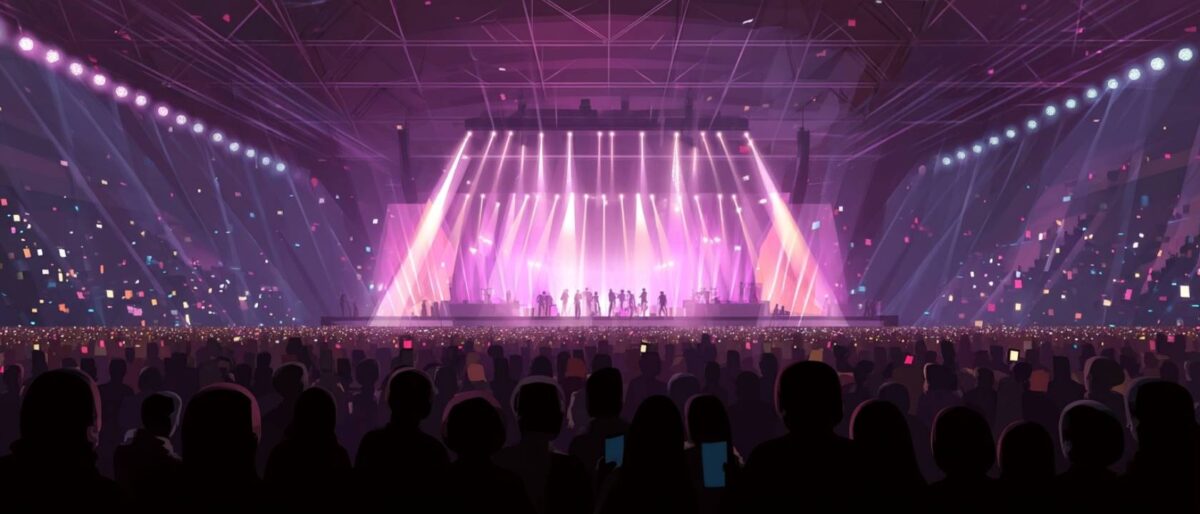
Ever clicked on concert tickets, blinked—and the price jumped? You’re not imagining things. In today’s fast-paced ticketing game, prices can shift faster than a drum solo. Algorithms, demand spikes, and clever psychology all play a role. This guide breaks down why prices change in minutes—and how to stay ahead.
The Rise of Dynamic Pricing
Gone are the days when concert tickets had a flat price tag and you just hoped to snag a decent seat. Enter dynamic pricing—the ticket world’s version of a mood ring, constantly changing based on who’s looking, what time it is, and how hot the show is. It’s not random; it’s calculated, responsive, and designed to squeeze every dollar out of demand.
In the live event industry, dynamic pricing means that ticket prices fluctuate in real time based on market activity. If thousands of fans suddenly rush to buy seats the moment they drop? Boom—prices go up. If a show isn’t selling? The system might ease off, offering lower prices to fill the house. It’s all handled through algorithms that adjust prices automatically, often without human intervention.
This model breaks away from fixed pricing, where ticket costs are set in advance and stay static, regardless of how popular the event becomes. With dynamic pricing, two people might pay completely different prices for the same row—just hours apart.
If it feels familiar, that’s because it is. Airlines and hotels have been using this pricing system for years. Book a flight on Monday and it’s $250. Wait until Thursday and it’s $400. The same thing happens with concerts: the more interest there is, the more you pay. And just like airfare, there’s no refund for noticing the price drop tomorrow.
In theory, it’s supply and demand. In practice, it can feel like a guessing game. Either way, dynamic pricing has turned buying concert tickets into a high-speed auction—whether you like it or not.
Algorithms at Work: How Real-Time Demand Changes Prices
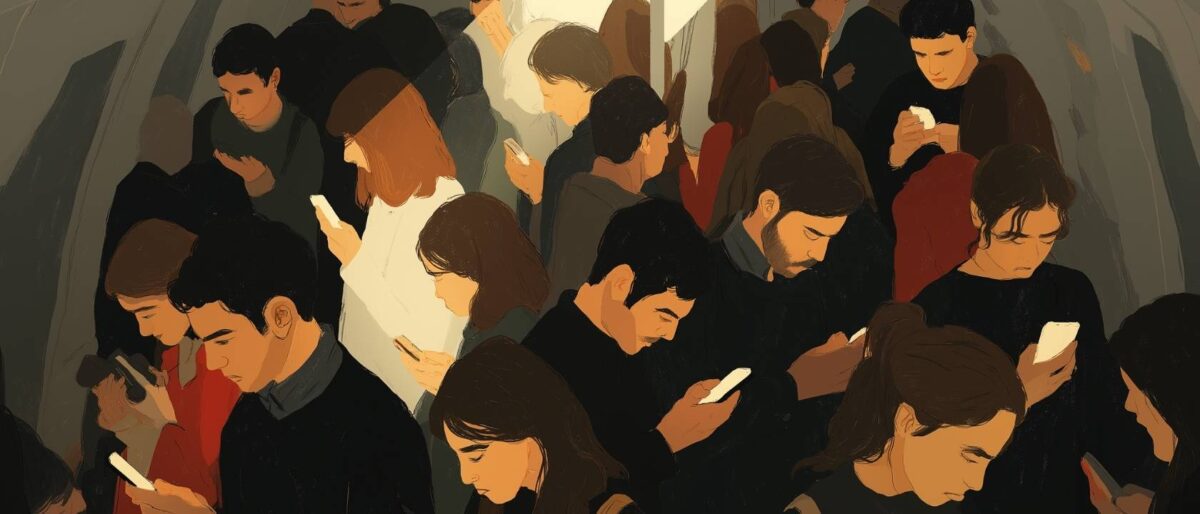
If you’ve ever watched a concert ticket jump in price while sitting in your cart—congrats, you’ve met the algorithm. Behind every “Buy Now” button is a swarm of AI systems crunching numbers, watching clicks, and adjusting prices in real time like a hawk watching a mouse.
Ticket platforms use artificial intelligence and behavioral data to monitor what fans are doing the moment tickets go live. How many people are on the event page? How many are clicking a specific section? How many tickets have already sold in the last five minutes? The algorithm doesn’t just track—it reacts.
When interest spikes—say, when a major artist announces a surprise tour or presale codes leak—the system sees the surge and nudges prices upward automatically. Sometimes within seconds. It’s not just sales that matter; even hovering over a seat, refreshing the page, or having too many people in the virtual queue can push the pricing needle up.
For example, when Taylor Swift’s Eras Tour tickets first dropped, prices for some seats doubled within 20 minutes of the initial onsale—before many people even made it past the queue. Similar spikes happened during onsales for Beyoncé, Olivia Rodrigo, and Drake. Seats that were $175 at 10:00 AM climbed to $250 or more by 10:15 AM.
It’s not magic. It’s math—cold, calculated, and designed to capitalize on your urgency. The more people click, the more the system thinks, “Ah, high demand. Let’s bump it.” You’re not just racing other fans—you’re racing the algorithm itself.
Verified Resale Market: When Fans Become Sellers
In the digital age, buying tickets isn’t just about snagging a spot—it’s also about dodging the resale rollercoaster. The moment a hot concert sells out (or even before it does), the verified resale market kicks in, letting fans become sellers—and sometimes, accidental price setters.
Primary tickets come straight from the source: the artist, promoter, or official ticketing platform. These are the first batch released and usually the ones you see during the initial onsale or presale. But once those are snapped up? Welcome to the wild world of resale tickets, where prices are set by whoever’s holding the digital goods.
Platforms like Ticketmaster, SeatGeek, and StubHub allow verified resale listings—meaning the tickets are real and the sellers are vetted (to a degree). But the prices? Totally up to the seller. Someone who paid $120 for a seat might relist it for $350—or $85—based on what they think people will pay. These listings show up alongside primary tickets, creating a hybrid market where prices fluctuate by the minute.
Here’s the twist: verified resale can inflate or deflate the pricing curve. If multiple fans list seats at sky-high prices, the algorithm reads that as increased market value and nudges primary prices up. Conversely, if resellers panic and drop prices to move tickets fast, it can undercut primary pricing and shift the floor downward.
Think of it like eBay meets Broadway—except the item is your entry into a packed arena, and the price may change again by the time you click “Checkout.” The resale market adds flexibility, but also frenzy. And more often than not, it keeps fans on their toes and ticket prices on the move.
Ticketmaster’s Platinum Pricing and Surge Models
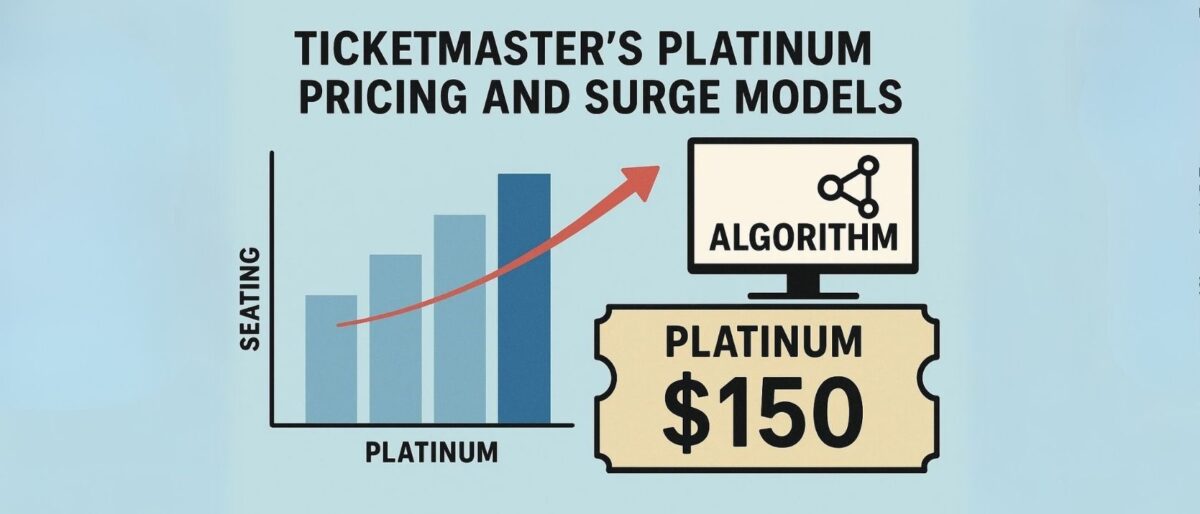
If you’ve ever gasped at a nosebleed seat going for VIP-level prices, you’ve likely stumbled into the world of Ticketmaster Platinum Tickets. These aren’t backstage passes or seats sprinkled with glitter. They’re regular tickets sold at higher prices—because the algorithm says so.
Platinum Tickets are part of Ticketmaster’s dynamic pricing model. They’re not resold by fans or brokers—they come directly from the official source. But instead of a fixed price, Ticketmaster sets these tickets to fluctuate in real time based on demand, just like Uber’s infamous surge pricing. When interest spikes, so do the numbers. It’s a digital auction without the bidding war—you just pay the new price or move along.
How does it work? The system tracks clicks, views, purchases, and overall web activity. If a hot tour like Harry Styles, Beyoncé, or Bruce Springsteen launches, the algorithm takes the buzz and boosts prices accordingly—sometimes into the hundreds (or thousands) for standard seats. The idea is to “capture market value,” meaning fans pay what the platform thinks a seat is worth in that moment.
This has sparked massive controversy around fairness and transparency. Many fans feel blindsided when a price triples mid-checkout, with no warning or rationale. Critics argue that Ticketmaster’s surge system disguises price gouging behind a digital curtain. And let’s be honest—it’s hard not to feel burned when you’re charged $700 for a seat that cost $150 just minutes ago.
Ticketmaster defends the model by pointing out that it prevents scalpers from flipping underpriced tickets for massive profits. But fans are left wondering: are we beating the bots—or just outbidding each other in an invisible race?
Bots, Scalpers, and Market Distortion
Imagine waiting in the digital queue for tickets, only to find them sold out within seconds. It’s not always fellow fans beating you to the punch—sometimes, it’s an army of bots. These automated programs are built to scoop up hundreds (even thousands) of tickets in a blink, far faster than any human hand can click “Buy Now.”
Once bots secure prime seats, they flip them onto resale platforms—often at astronomical markups. That dreamy $125 ticket? Gone. Replaced by a $450 resale listing before you even made it past the queue. This is what’s known as market distortion: artificial scarcity that drives prices up, even if actual demand hasn’t reached that fever pitch.
It’s a ruthless cycle. Bots create the illusion of sellouts, panic-buying spreads, and resale prices soar. Real fans are left scrambling, while scalpers rake in profit with barely a trace. Many bots are even designed to rotate IP addresses and mimic human behavior, making them hard to detect—even for top-tier platforms.
Legally, the U.S. passed the BOTS Act in 2016, making it illegal to bypass ticketing systems using bots. But enforcement has been spotty at best, and loopholes continue to be exploited. Ethically, the debate is red-hot. Artists and fans alike argue that reselling tickets at 5–10x face value is price gouging disguised as entrepreneurship. Yet others defend it as just another version of capitalism: buy low, sell high.
The result? Trust is eroded, ticket access feels rigged, and the average fan pays the price—literally. Until regulation tightens or platforms strengthen anti-bot tech, this invisible force will keep reshaping the ticket landscape before most fans even get through the door.
The Psychology of Urgency and FOMO
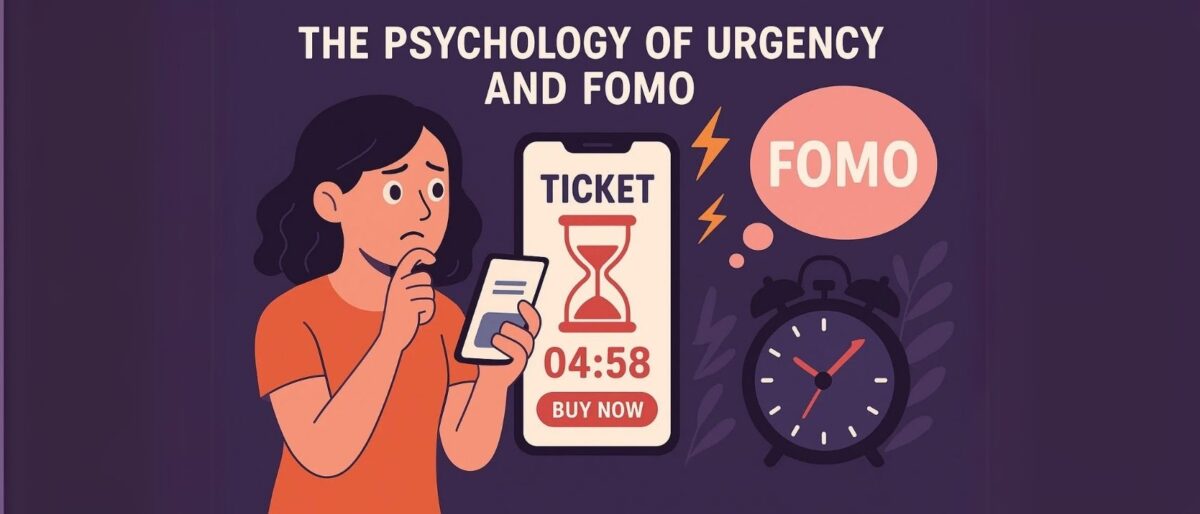
Ever felt your heart race while watching that ticket timer count down? That’s not an accident—it’s design. Ticketing platforms have mastered the art of FOMO (fear of missing out) and urgency psychology, nudging you to buy now, even if your budget screams “maybe later.”
Scarcity is a powerful trigger. The idea that something might be gone in seconds makes us act fast—often before we think. When a site flashes messages like “Only 2 tickets left at this price!” or “48 people are viewing this section,” it’s tapping into your lizard brain. Suddenly, you’re not just buying a ticket—you’re racing invisible strangers to the finish line.
Visual pressure cues like ticking countdowns, red warning boxes, and disappearing seats on the interactive map all reinforce that tension. And yes, it works. The more people think tickets are vanishing, the more they want in—even if the show wasn’t on their radar ten minutes ago.
Here’s the kicker: perceived demand inflates actual demand. Platforms show activity data (true or exaggerated) to signal popularity. It creates buzz, which creates urgency, which creates real demand—and then the algorithms push prices higher. It’s a self-feeding loop, part psychology, part marketing genius, part wallet trap.
So when you’re sweating at checkout with your credit card in hand, just know: it’s not just the artist you’re responding to. It’s a carefully constructed digital environment engineered to make you buy faster—and pay more.
Fees and Final Price Shock
You find the perfect ticket at the perfect price—$95? Not bad. But by the time you hit checkout, the total reads $138. Wait… what? That’s the moment every concertgoer meets the infamous villain of the ticketing world: the hidden fee pile-on.
Base ticket prices often look reasonable at first glance. But as you move through the checkout process, service fees, facility charges, order processing fees, delivery fees—even “convenience fees” for printing at home—begin to snowball. What started as a decent deal quickly morphs into sticker shock. It’s like ordering a burger and getting charged separately for the bun, the napkin, and the privilege of chewing.
This isn’t just annoying—it’s strategic. Ticketing platforms show lower base prices upfront to lure you in, only revealing the full cost after you’ve emotionally committed. It’s called drip pricing, and it’s as sneaky as it sounds. By the time those extra charges show up, you’ve likely invested ten minutes, picked your seat, and feel pressured to finish—or lose it all.
What’s worse, prices can still change while you’re checking out. Demand surges or ticket reclassifications (suddenly “premium”) might bump your total mid-transaction. So now you’re not only paying more—you’re paying more than you thought you’d be paying more.
The result? Frustrated fans, viral complaints, and a growing push for more transparent pricing. Some artists and lawmakers are even calling for upfront all-in pricing models. Until then, always read the fine print—and prepare to be surprised at the bottom line.
Tips for Navigating Fluctuating Ticket Prices
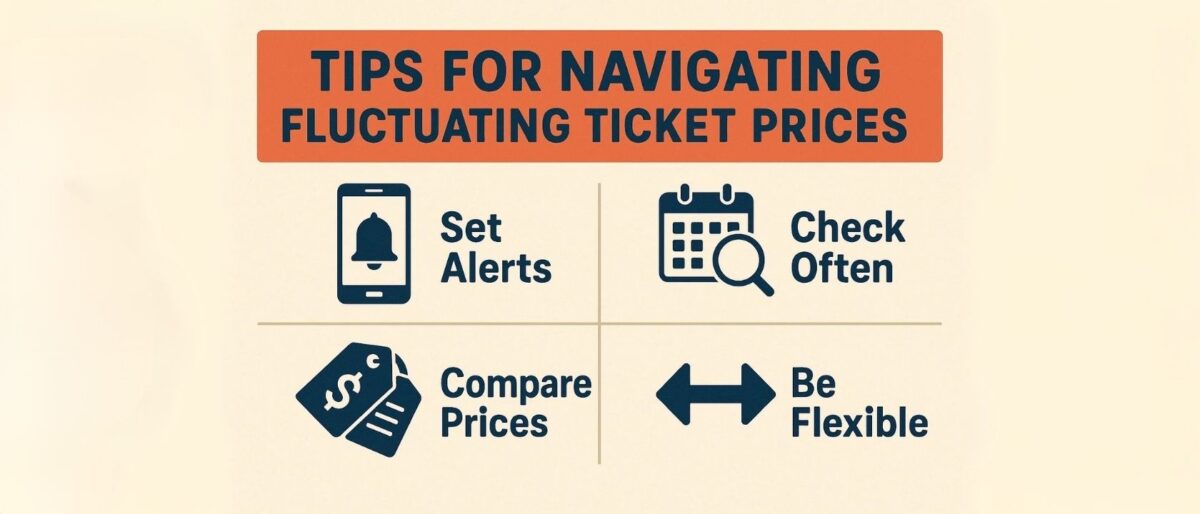
Scoring fair-priced concert tickets these days feels like trying to beat a slot machine that’s also playing chess. But with a few smart moves, you can tilt the odds in your favor. Here’s how to navigate the pricing madness without losing your mind—or your paycheck.
1. Use presale codes and join artist mailing lists
Want early access before the frenzy starts? Sign up for artist newsletters, fan clubs, or credit card presales (like Amex or Citi). These give you a head start and sometimes lower pricing before dynamic adjustments kick in. Bonus: artists who care about fans often protect presale blocks from surge pricing.
2. Buy early—but not always instantly
Yes, buying early helps. But not necessarily in the first 10 minutes. Sometimes prices are highest during the initial frenzy and drop later that same day or week. If a show’s not selling out instantly, set a reminder and circle back. Patience might save you $50—or more.
3. Monitor resale platforms with price alerts
Sites like StubHub, SeatGeek, and TickPick offer tools to track prices over time. Use them. Set alerts for specific sections or price ranges. If someone drops their listing in a panic, you might grab a great seat for less—without refreshing obsessively.
4. Avoid scalper sites and verify before you buy
Sketchy third-party sites often mark up tickets with no buyer protections. Stick with verified platforms that guarantee legitimacy. Look for the words “Verified Resale” and read seller ratings if available. A great deal isn’t great if the ticket gets denied at the door.
Bottom line? Stay sharp, stay flexible, and don’t let panic clicks win. In this game of fluctuating prices, informed fans are the ones who actually get to enjoy the music.
Will Ticket Prices Ever Be Fair Again?
It’s the million-dollar question—literally. With fans frustrated, artists speaking out, and lawmakers taking notes, the pressure to make concert ticket pricing more fair is growing louder than a stadium encore. But will anything actually change?
Some industry trends are shifting toward transparency. A few platforms have started testing “all-in pricing,” where you see the full ticket cost—fees included—upfront. It’s a baby step, but a meaningful one. No more nasty surprises at checkout. Companies like SeatGeek and even Ticketmaster have pledged to expand this model, but rollout has been slow, and not everyone’s on board.
Legislation is also brewing. The U.S. Congress has introduced several bills aimed at regulating ticketing practices. Proposals include banning bots, capping fees, and requiring full price disclosures. Some states have already passed laws targeting deceptive pricing, but enforcement and standardization remain huge hurdles.
Then there’s the artist rebellion. Bands like The Cure made headlines by fighting dynamic pricing entirely—opting for flat, affordable rates and calling out Ticketmaster for excessive fees. Pearl Jam has long been vocal against ticketing monopolies, even boycotting venues. Other artists, like Garth Brooks and Zach Bryan, have pledged to keep their shows fan-accessible, often avoiding platinum pricing altogether.
The takeaway? Change is possible—but it’s complicated. The industry is built to profit from demand, and fairness isn’t always profitable. Still, the louder fans and artists push, the harder it becomes for the system to ignore. Until then, awareness is power—and the more you understand how the game works, the better your chances of playing it well.
Conclusion
No, you’re not imagining it—concert ticket prices really do change in minutes. Algorithms react to demand, bots distort availability, and platforms layer in hidden fees that turn a good deal into a gut punch. It’s a whirlwind built on psychology, tech, and a fair bit of marketing sleight of hand.
But here’s the good news: being informed is your best defense. Knowing when to buy, where to look, and how pricing works puts the power back in your hands. Whether it’s setting alerts, joining fan clubs, or steering clear of shady sellers, smart fans save money and avoid the stress spiral.
So next time you’re racing the countdown clock or watching that price tick upward, take a breath, play it smart, and remember—you’re not alone in this arena. Share tips with fellow fans, compare notes, and help others navigate the chaos. Because in the ever-shifting world of live events, community might just be the best ticket of all.