Are Group Tickets Really Cheaper Than Solo Tickets?
August 15, 2025
Total Cost of Seeing a Show: Tickets, Food, Parking & More
August 18, 2025What Happens to Event Tickets During Bad Weather?
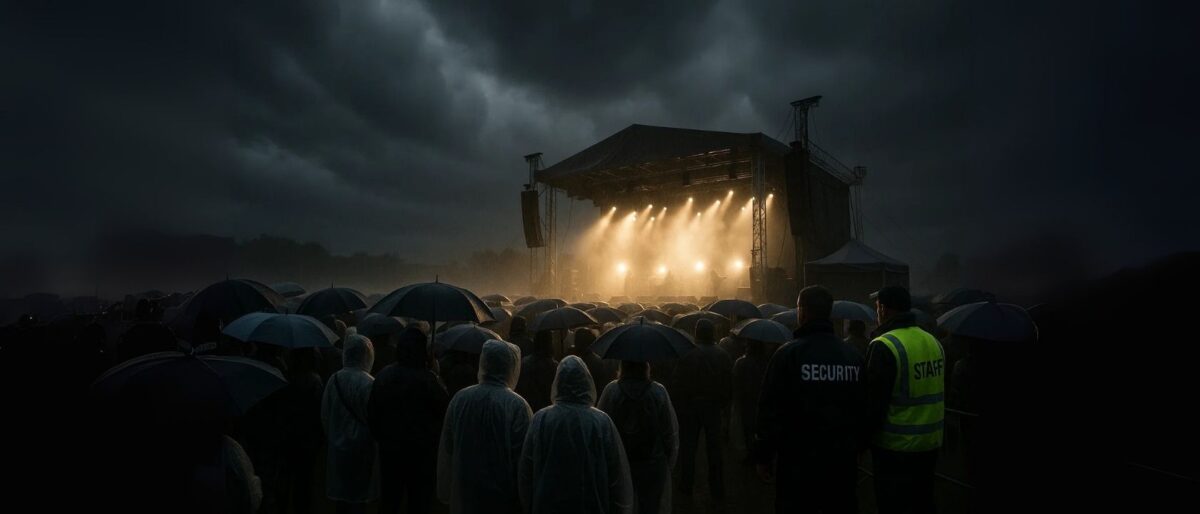
Storms roll in, plans wobble, and ticket holders worry. Will the show go on, pause, or vanish? Policies differ by venue, event, and seller. This guide explains rain-or-shine rules, postponements, cancellations, refunds, and insurance. Learn what to check, who to follow for updates, and how to protect your budget today.
Weather-Related Ticket Policies: The Basics
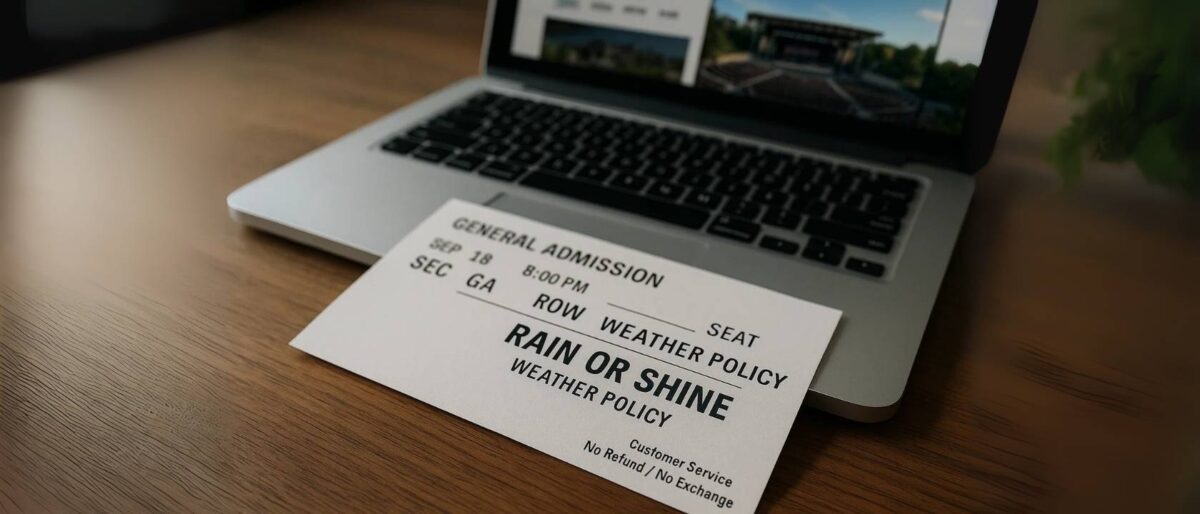
Most events include a weather clause in their ticket terms, spelling out what happens if conditions turn unfavorable. These clauses vary but usually make it clear whether the event will proceed regardless of weather or if changes might occur. Knowing this before you buy can prevent frustration later.
Many shows and games are billed as “rain or shine”, meaning the event will continue even in less-than-ideal conditions, and refunds are rarely given. Others are considered weather-dependent, with the possibility of delay, relocation, or outright cancellation if safety or logistics are compromised.
You can usually find these policies in several places: the ticket purchase page before checkout, the venue’s official website, or the confirmation email after buying. Reviewing them in advance ensures you know your rights, your responsibilities, and what to expect if bad weather strikes.
Rain or Shine vs. Weather-Dependent Events
When it comes to weather, events generally fall into one of two categories. Rain or shine events go ahead regardless of rain, wind, or cold. Organizers expect attendees to dress accordingly, and refunds are almost never issued simply because of bad weather. This approach is common for large music festivals, outdoor concerts, and many professional sporting events where infrastructure and schedules are built to handle less-than-perfect conditions.
Weather-dependent events, on the other hand, have a lower tolerance for unfavorable conditions. If weather makes the event unsafe or impractical, it may be delayed, relocated, or canceled entirely. This category often includes outdoor theatre performances where staging and equipment are vulnerable, certain motorsports where track safety is critical, local parades, and some amateur sporting events without the resources to operate in extreme weather.
Understanding which type your event falls into is essential. It determines not just whether the show will go on, but also your options for refunds or exchanges if the weather takes a turn for the worse.
Safety-First Decisions
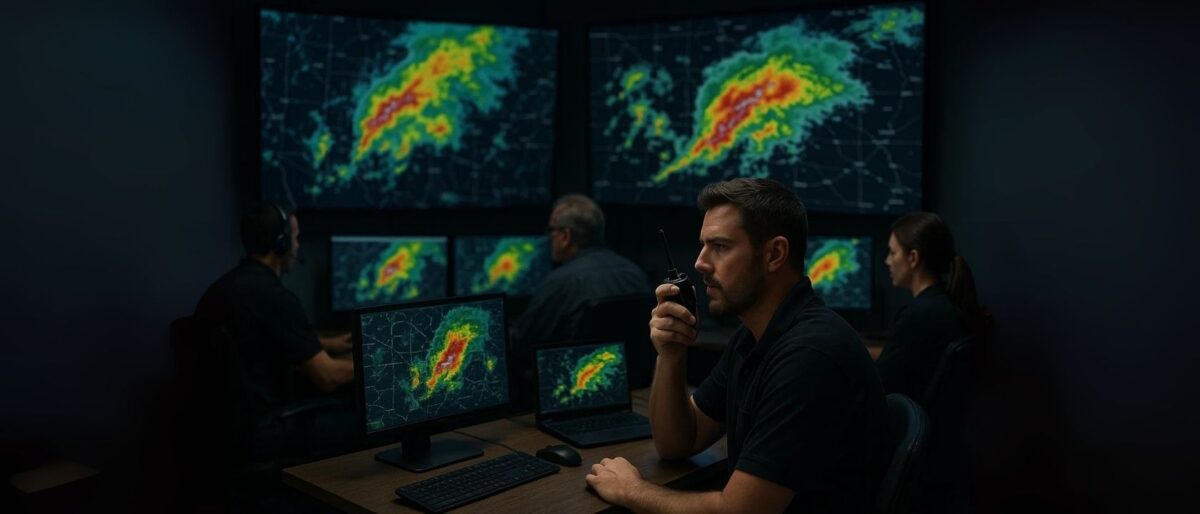
When severe weather threatens an event, the final call to delay, modify, or cancel often involves input from promoters, venue managers, and local safety officials. Their priority is protecting attendees, staff, and performers while minimizing unnecessary disruption. Decisions are rarely made lightly, as they carry both safety and financial implications.
Several factors guide the process. Lightning within a certain radius can halt outdoor events immediately. High winds may threaten stage structures or spectator safety. Flooding can block access routes or damage equipment. Extreme heat or cold poses health risks, especially for vulnerable attendees. In some cases, government advisories or mandatory evacuation orders will force a cancellation regardless of organizer preference.
Once a decision is made, organizers typically inform ticket holders through multiple channels. This may include official social media updates, text or email alerts for registered buyers, and on-site announcements via loudspeakers or screens. Using several methods ensures the widest possible reach and reduces confusion for those traveling to or already at the venue.
Postponements
A postponement occurs when an event is rescheduled to a later date rather than canceled outright. This is a common solution when weather makes the original timing unsafe or impractical, but conditions are expected to improve. Instead of losing the event entirely, attendees simply get a new date to mark on their calendars.
In most cases, your original ticket remains valid for the rescheduled date. This applies whether the event is shifted by a few hours, moved to the next day, or pushed back several weeks. You typically don’t need to take any action unless you can’t attend on the new date.
If you can’t make the rescheduled time, options vary. Some organizers will offer a refund within a set request window, while others allow you to resell or transfer the ticket to another attendee. The specifics depend on the venue and ticket seller’s policies.
Examples include an outdoor concert moved indoors to escape a thunderstorm, or a baseball game rescheduled later in the season due to heavy rain. In both cases, postponement lets the show or game go on without putting safety at risk.
Cancellations
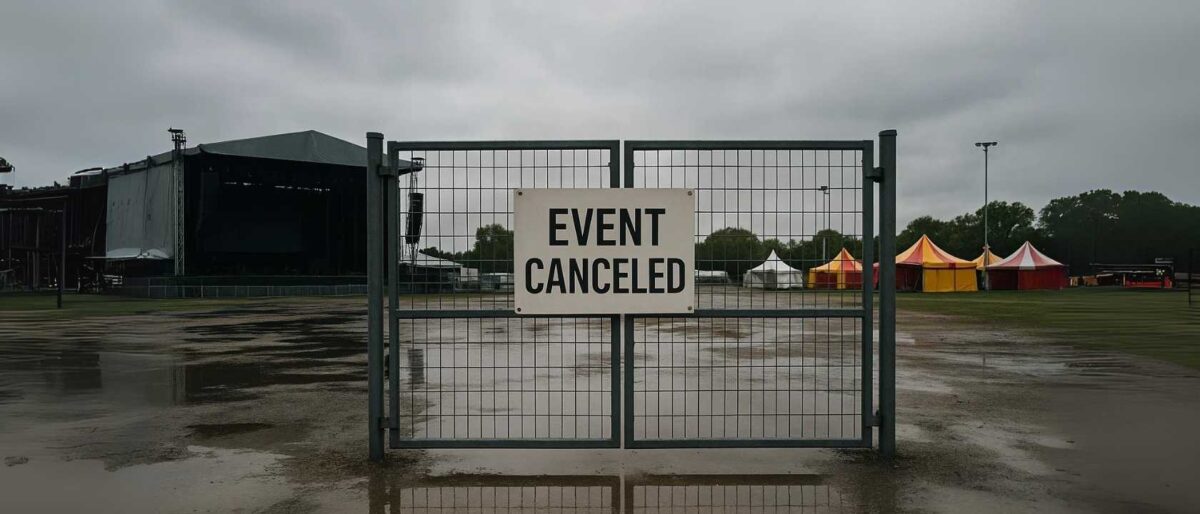
A cancellation means the event is fully called off with no plans to reschedule. This decision is typically made when weather conditions make it unsafe or logistically impossible to proceed, and no suitable alternative date or location is available.
Refund policies for cancellations can differ. In many cases, an automatic refund is issued to the original payment method within a set timeframe. Some organizers require attendees to request a refund within a specific window, often through the ticketing platform’s online form. Missing that deadline could mean forfeiting your refund.
There are exceptions. Certain tickets are sold as non-refundable, even in bad weather, especially for events clearly marked as “rain or shine.” In other cases, organizers may offer credit toward future events instead of a cash refund, particularly for independent festivals or small venues.
Real-world examples include a coastal music festival canceled due to a hurricane making landfall, or an extreme blizzard forcing the closure of an entire city, making it impossible for both performers and audiences to reach the venue.
Indoor vs. Outdoor Events
Indoor events are far less likely to be canceled because of weather. Once you’re inside, rain, wind, or snow usually won’t affect the performance. The main exceptions occur when performers can’t travel to the venue due to flight cancellations or road closures, or when severe conditions make the venue itself inaccessible for staff and audiences. In such cases, even a well-protected indoor stage can fall silent.
Outdoor events, on the other hand, are much more vulnerable. Stages, seating areas, and open grounds are directly exposed to the elements, making them susceptible to high winds, lightning, flooding, or extreme temperatures. Safety concerns for both the crowd and performers can lead to delays, relocations, or full cancellations—sometimes with little warning.
Knowing whether your event is indoors or outdoors, and how that affects weather risk, can help set expectations and guide your backup plans.
Role of Ticket Sellers and Platforms
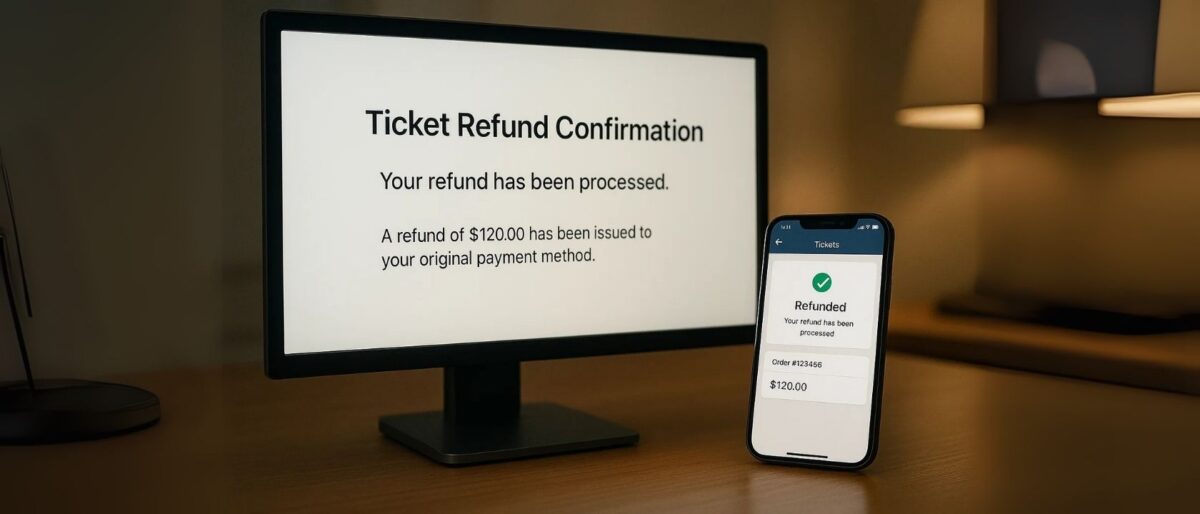
When bad weather disrupts an event, ticket sellers and platforms play a major role in how refunds or exchanges are handled. Large primary sellers like Ticketmaster, AXS, and SeatGeek typically follow the event organizer’s lead. If the organizer declares a postponement, your ticket is usually honored for the new date. If the event is canceled, these platforms often process refunds automatically or provide clear instructions on how to request one.
Venue direct sales can have more varied policies. Some process refunds in-house, while others direct customers back to the ticketing platform used for purchase. In both cases, the official decision on refunds still comes from the event organizer.
The approach can differ between the primary market (original ticket sales) and the secondary market (resale platforms). On the primary side, refunds are generally straightforward. On secondary sites, policies vary—some guarantee refunds if the event is canceled, while others may offer credits instead of cash.
If you bought through a resale seller, check the platform’s guarantee before purchase. In most reputable cases, a canceled event means you’ll receive either a full refund or credit, but postponed events often require you to use the same ticket for the new date with no refund option.
Travel and Accommodation Considerations
Even if your ticket is refunded after a weather-related cancellation, that refund won’t cover your travel or hotel costs unless you purchased event or trip insurance that specifically includes those expenses. This can leave travelers out of pocket for flights, rental cars, or lodging that can’t be changed or refunded.
When planning a trip to an event with a higher risk of weather disruption—such as outdoor festivals, coastal concerts during hurricane season, or winter sports games—it’s smart to book refundable or flexible accommodations. Look for hotels that allow free cancellation up to 24 hours before arrival, and consider airline tickets with change or cancellation options.
For extra protection, you can purchase travel insurance that covers event cancellation or postponement, but read the fine print to ensure weather-related disruptions are included. Building flexibility into your plans can save both money and stress if the forecast turns against you.
Event Insurance
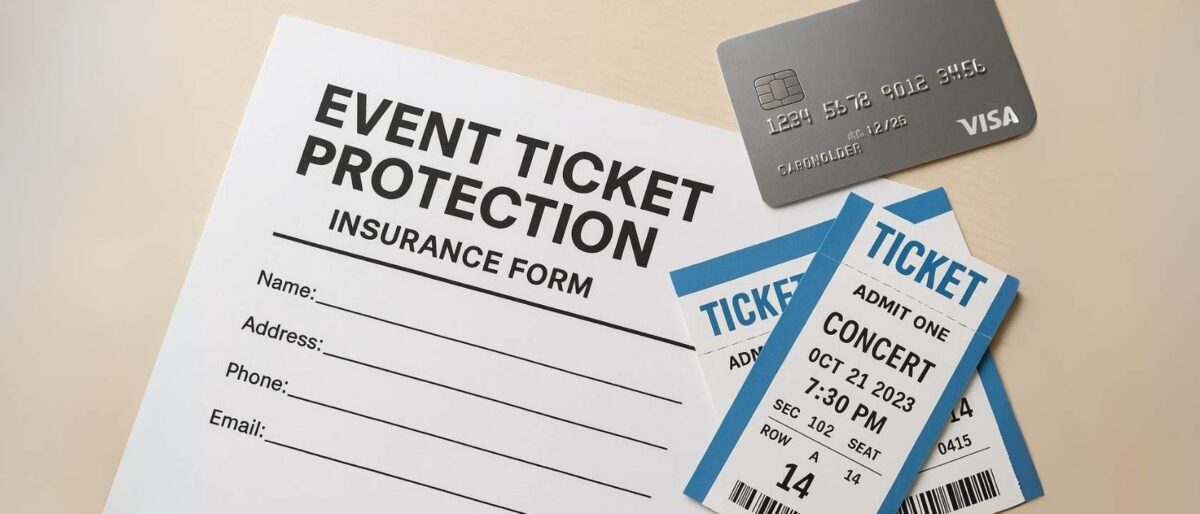
Event ticket insurance is an optional add-on offered by many ticketing platforms at checkout. It’s designed to protect your purchase if you can’t attend due to covered reasons, including certain weather-related cancellations or postponements. If bad weather forces an event to be called off or moved, insurance can reimburse the ticket cost—and sometimes related expenses—depending on the policy.
Coverage typically includes full cancellations or postponements caused by severe weather, natural disasters, or other unforeseen events. It does not usually cover mild inconveniences, such as light rain, or personal choices like deciding to skip the event because of an unfavorable forecast.
The cost of event insurance is generally a small percentage of the ticket price, but whether it’s worth it depends on the season, location, and type of event. Outdoor shows in hurricane season or winter sports in snowy regions may justify the added protection, while indoor events in mild climates pose far less risk.
Before purchasing, read the policy details carefully so you know exactly what’s covered—and what isn’t—before the clouds roll in.
Tips for Ticket Holders

Staying prepared can make all the difference when weather threatens your event plans. Start by checking the event’s weather policy before you buy tickets so you understand whether it’s rain-or-shine or subject to cancellation. This helps set realistic expectations and guides your decision-making.
As the date approaches, monitor the forecast from reliable sources. Keep an eye on changes that might impact travel or the event itself. During the final days, follow official channels—the event’s social media pages, website, and ticketing platform—for real-time updates on delays, relocations, or cancellations.
If you’re traveling, have a backup plan for your accommodations and transportation. Choose refundable bookings or options that allow for rescheduling without penalty. This can save you from losing money if plans change at the last minute.
Finally, if the event is postponed and you can’t make the new date, consider reselling your ticket through a reputable platform. This can help recoup your costs while giving someone else the chance to attend.
Real-World Examples
Weather-related ticket outcomes aren’t just theoretical—they happen regularly across different types of events. At one major music festival, heavy rain didn’t stop the performances, but organizers ordered a temporary evacuation when lightning struck within the safety radius. Once the storm passed, the show resumed without refunds, following the rain-or-shine policy.
In baseball, weather delays are common. A midseason game was delayed for hours due to severe thunderstorms before being officially postponed to a later date. Tickets for the original date were honored for the makeup game, giving fans a second chance to attend.
An outdoor theatre performance during peak summer was canceled after extreme heat posed health risks to both the cast and audience. Ticket holders received refunds or credit toward future performances.
On a larger scale, a city’s annual parade was called off entirely when a hurricane approached, triggering government safety orders. In that case, the event was canceled with no reschedule, and attendees were refunded according to the city’s public event policy.
Conclusion
Bad weather can turn even the most carefully planned event into a waiting game, a scramble for updates, or an outright cancellation. Knowing the event’s weather policy before you buy helps protect your wallet and prevents unwelcome surprises. Clear information makes it easier to understand your rights and options if the forecast takes a turn.
Be proactive—read the terms, keep an eye on conditions, and have a backup plan for travel and lodging. Above all, prioritize safety over sticking to plans. A concert, game, or festival can be rescheduled, but staying safe when the skies get dangerous should always come first.